








We chat about how addiction can play a part in the lives of many elite athletes and how Karlyn changed her mindset about herself to tame her addiction.
She’s an extremely knowledgeable coach and towards the end of the podcast we discuss different strategies and ways to think about your swimming that can help you swim faster.
01:10 – The Do Over
03:24 – How Living Up To Other People’s Expectations Can Lead You To Self-Destruct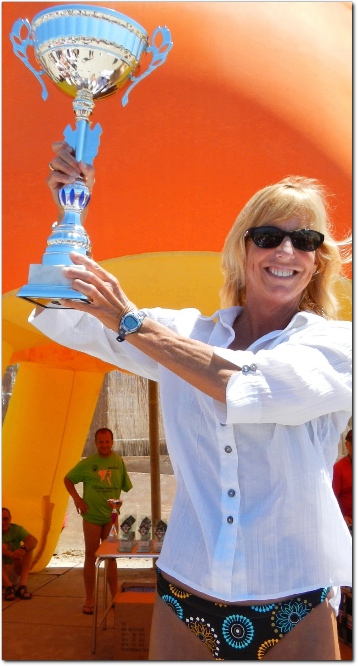
04:43 – “Water was both the source of pleasure and pain in my life…”
15:12 – A Different Michael Phelps
17:12 – Addiction is an inside job.
29:38 – Karlyn’s Best Drug In Her Entire Life
31:31 – The Ultimate Equipment: Endless Pool
49:48 – The Perfect Stroke
50:03 – Swing and Fling
58:15 – Karlyn Heads to California, Bahrain and Oman
Ready to get stoked on swimming? Learn more about Karlyn and where she will have her next swimming workshop by visiting her website: www.aquaticedge.org
Transcript
Read the full transcript
Welcome to Effortless Swimming, the podcast for swimmers, triathletes and coaches. Join Australian swim coach, Brenton Ford, as he reveals the latest techniques and information to improve your swimming. Let’s dive right in. Welcome to the Effortless Swimming podcast. My name is Brenton Ford and my guest today is one of the top 10 master swimmers of all time. She’s multiple world record holder in all four strokes in master’s competitions. Welcome, Carolyn Pipes, to the podcast. Thank you for being on here. Hey, thanks, Brenton. Aloha. You’re over there in Kona, Hawaii. We got our dates from when we were looking to set up this podcast because it’s always confusing when you’re looking to change time zones and days and everything. But I’m glad we got to meet virtually here on Skype for the podcast because you’ve got such a huge experience in the pool. But even more than that, you’ve got a really fascinating story which you’ve written about in your book called The Do-over.
Can you tell the listeners just a little bit about that book and how it came about and I guess sort of what your story is when it comes to swimming? No, thank you. The book was released in November. It’s a self-published book and I worked with a swimmer, writer named Tito Morales to co-create it. And it’s The Do-over, My Journey from the Depths of Addiction to World Champion Swimmer. And that pretty much sums up the circuitous route that I took to become inducted into the Swimming Hall of Fame last year. And it takes the reader into an aquatic journey into the swimmer’s life that on the surface would appear quite charmed and easy and yet underneath the surface I struggled and almost died. And so I’m very, very grateful to be here and thanks for having me on the show. Well, I’ve had a friend of mine who’s gone through a similar thing with alcohol addiction many years ago and he sort of replaced that addiction with exercise, fitness and ultimately swimming.
And now he’s on a huge weight loss journey and he’s just completely turned his life around from a very similar sort of situation. And as you said, no one really knows your story. Well, they didn’t at least until last year. Was there something that sparked or triggered inside your mind to think, okay, I’ve got to share this with the world because maybe it will help other people or this is something that I really want to do? Where did it sort of come from? Well, the writing of the book had been kind of in the back of my mind for quite a few years. People told me that I had a great story and I thought I had a great comeback story and I got a chance to do it over. I mean, I started out as an elite swimmer when I was in my teens. I went to college. I kind of self-destructed in college. And then for the next 10, 11 years, I pretty much drank just about every day straight. And part of the reason why I drank was because I had all this potential. I was coached by two-time Olympic gold medalist, Mike Troy.
And he saw a lot of promise and potential in me and living up to that expectation, I just couldn’t manage it. And my mom also had expectations and other people and it seemed like the more I was pushed, the more I rebelled against it and it really kind of backfired on me. So my 20s were spent pretty much just wallowing in self-pity. I did make a comeback at age 25, broke my first Masters World Record in the 400 medley, swam almost a lifetime best and came within a couple seconds of qualifying for the Olympic trials. And at that point, when I was 25, I thought, well, I’m going to try and do this over. I’m going to go back to college. I’m going to rededicate myself. And the whole thing just blew up and I just continued to drink even more. And so that’s that continued, that spiral continued for about another six years until 31 when I kind of got knocked on the head by my mom and got into a rehab. And so it’s interesting, Brenton, so much I love the water, but it was the source of both the pleasure and the pain in my life.
Pleasure, I love swimming. The pain, I never met my potential. I never even came close to what I was capable of doing as a teenager. And that really weighted very heavily on me. So I acted out in different ways and very unhealthy ways. So your friend probably has gone through that same journey. Most people that have been down the road that your friend and I have been down, we’ve been to hell. We know what it’s like. We don’t want to go back there. So we’re grateful to just be alive. And was it, how did you let that, those thoughts go, the thoughts of not living up to what you thought you could do in the pool or whether it was the pressure from expectations of what you could achieve? How did you just let go of those thoughts to then get back in the pool and I guess just enjoy it and go on to achieve what you have achieved? Oh, you know, you actually bring up a very interesting and enlightening part of the book. I’ve just gotten out of rehab and I go to this beautiful 50 meter pool in Coronado.
It’s where the Navy Seals train. It’s a 10 lane 50 meter by 25 meter pool. And I’ve swum in this pool hundreds of times and mostly probably drunk. And I’m standing there now a sober woman and I’m staring at this expanse of this pool and there’s like maybe one other person in the entire pool and I’m about ready to jump in and I can’t. And I’m like, it’s almost like there was this, gosh, this, this arm holding me back. And I stood on the side of the pool and I looked at that water and I said, what is going on? You want to swim, don’t you? And I started having this dialogue. And my inner voice said, yeah, you want to swim. It’s like, well, it needs to be different. And my other voice said, what do you mean? Is like, well, you know, if you never accomplish anything in your, you know, in your swimming, are you going to be okay with that? And I said, well, yeah, well, if you never swim faster than a two minute, 100 meter freestyle, are you going to be okay with that?
Yeah. And then I thought, well, if you never break a record, never win a medal, never do anything, are you going to be okay with just being a swimmer? And I could say yes to all of those things. And with that, I dove in. And I tell you, it was probably one of the most aesthetic, spiritual 50 free styles I’ve ever swam. The water just wrapped its arms around me and just made me feel so much at home and so welcome. And, you know, just back in the fold. And I was so unhealthy at that point that I could barely swim more than like 400 meters before I was just completely spent. But the next day I came back and I swam like maybe five or six. And the next day I came back and I swam seven or eight. And I just kind of just slowly let the water heal me and bring me back to health. And so it really, I mean, it saved my life when I was younger and it saved my life as an adult as well. Yeah. And I mean, I’ve sort of spoken about this on a podcast a few times, but I really feel that success in swimming doesn’t necessarily come down to the number of medals you win, the number of records you break.
But how much you enjoy being in the water. There’s no point being a 12 year old, 13 year old kid who hates going to the pool because they’re pushed to that point. You know, you want to be the person who’s a lifelong swimmer and loves swimming up until the very end. So, you know, just kind of like you spoke about there is you’re able to let the results and the pressure and the expectations go and just love being in the water. Which, you know, as a swimmer, as someone who’s been the water their whole life, it’s just there’s something special about being in the water, whether that’s the pool or in the open water. And I mean, you live in in Canaan, you know, in one of the most beautiful places in the world. And so you’ve kind of got that on your doorstep. So was it, what was the decision to move there? Where did that come from? A sign from wanting to live in paradise. Exactly. Well, for the exact reasons that you just said, we moved here for the water.
It sounds really crazy, but I was a beach lifeguard for many years and Southern California water is not very warm. And it’s certainly not very clear. And my ex-husband and I had been trying to have kids and that dream had drifted away. And it was like, well, what do we do now? And we said, well, why don’t we move to Kona? And my mom was retiring and it was like, okay, so we’ll just move to Kona. And the water was what really drew me here. It’s probably I’ve traveled a great deal. I’ve swum in some really beautiful places, but nothing beats the water in Kona. It just is amazing. Like I posted on Facebook, swimming with an eagle ray today that was probably had a wing span of like eight feet. It was just so magical. And I was swimming with two friends, Aimee and Robin. And we just stopped whenever we see something really cool, we just stop. We’re not working hard. We’re just swimming for pure enjoyment. What happened to probably swim like 35, you know, three and a half K or something like that,
but it just goes by like nothing. So the water. So Kona was hit for the water. And it’s such an attraction. I mean, I could never see myself living too far away from the ocean. There’s something that sort of pulls me to it. And if I ever spend more than a couple of days away from it, my life sort of feels out of balance. So the fact that you can live so close to it there and swim and just, just for pure enjoyment. That’s really something special. You know, it really is. And one of the neatest things is being an accomplished swimmer is that, you know, I can go to places around the world and I can say, yeah, I can swim there. And I do pay attention and I try and be safe and don’t do anything dangerous. But really it is amazing. Some of the places you can swim. And it’s just so freeing to be able to say, I can swim there. I can swim there. I can go there. And I actually have met people here in Hawaii that never swim.
And I would think that would be extremely claustrophobic. I mean, the island fever. Because when I swim in the ocean, that water is connected to all other bodies of water. So instead of being disconnected from the world, you’re actually more connected because that liquid gold that we’re swimming through is, is just all connected. So you feel it. And we have really happy water with lots of fish, dolphins, turtles, whales. You just never know what you’re going to literally bump into when you go out for a swim. Just even on the Ironman course, the dolphins are there just about every day. Yeah, that’s awesome. Yeah, it’s great. And that’s the great thing about traveling too, when you get to travel around the world. And if you’re lucky enough to be, you know, somewhere near the ocean and just looking at the location and thinking, okay, where can I swim here? I mean, on my honeymoon a couple of years ago, we were in Croatia
and I got to swim there and then in Greece. It’s just spectacular. And then in Turkey a few years ago on a swim trek. So it’s, yeah, I mean, I find the best holidays. I’m always looking for the nearest pool or the nearest ocean to swim. It’s kind of ties into, we’re talking about this before the call, but reaching an elite level in, in nearly any sport requires some sort of addictive personality. So can you talk a little bit to that and how you see that relating to high performance? That’s a great question. You know, with the Olympics going on and we’re watching these, you know, elite, high performance athletes get up on the blocks and you just realize that, you know, what you’re seeing right there is just the tip of the iceberg of what it takes to actually get there. Just, you know, you think about it is like, you know, Brent, and you go down to the local swim squad, right? And you see a couple of hundred kids in the water and you think out of those
couple hundred kids, well, like you’re, you went to, you were, you competed at the national level and you think about how small it was for you to get there and then to take it even further and start competing, you know, on the international level and then the Olympics, you realize it’s a very small group of people and what sets, you know, kids apart. Sometimes it’s having something to prove. They actually have low self-esteem and when they get in and compete, it bolsters their self-esteem. Maybe they have problems at home and for me, when I was a little kid, I was growing up in a large family, five kids. My dad was an active alcoholic. My mom was working and she was, you know, barely keeping the family alive and I didn’t get much attention and I certainly didn’t get much, you know, acceptance or, you know, applause and boy, when I went to my first swimming lessons and I saw my instructors as they just, you know, cheered me on
and told me how well I was doing. It just made me want to do more, you know. I just kind of fed on that, on that acceptance and that acknowledgement and I think that, you know, as a kid, you can kind of feed on that and get that, that you, you’re not getting it home and you can look at Michael Phelps’s story. He’s got, you know, his dad, mom divorced and he had some pretty disconnected years where he was not close to his dad and he’s just reconciled with him and that’s really kind of cool. But, you know, when Michael Phelps, if you look back at his old, you know, when he finishes, what, you know, Breton, tell me, when Michael Phelps finishes a race, like in 2012, 2008, picture his face, what does it look like? Just, she, joy and, Joy? Anger. He hits the, now, now it’s joy. Now it’s like there’s a whole new summer. But picture him in 2012 or 2008, slamming his hand on the water, like in a really, like, take that world.
I’m something, you know. And if you look back, you’ll notice that and but we’re seeing a whole different Michael Phelps now and it’s really, really cool because he’s put to rest his demons. And now he’s swimming for his family. He’s swimming for the enjoyment and he knows that he’s going out this time. So he’s turned it around and he’s done that. We went to a 45-day rehab. He’s done that by, you know, kind of coming to terms with this past. And we’re recording this on the day that he just won the turn of butterfly. Yeah. 4100. Unbelievable. And then he won in the 4Y2 as well. He won another gold medal. And just setting him up on the blocks there for the turn of butterfly. Like he was, he had tears running down his face. He was really showing a lot of emotion, which is just a very different, different person. And I don’t know if that comes from maturity and age and experience or, you know, and, you know, maybe he’s just,
he’s found that different driver, which, you know, it might be his family. It might be just looking to maybe still prove a point, but in a different way, I think he’s really turned it around. Yeah. He’s done that because he has shared his humanness. So for years, the only thing that the public saw was the machine and the gold medal machine and that idea of perfection. And the problem was, and he clearly talked about this in his ESPN interview, he wasn’t perfect, and he didn’t feel perfect. And living up to that expectation was killing him. And what did he do? He drank. He smoked pot. He did all kinds of things. And, you know, if you’re getting caught doing those things, that means that that’s the tip of the iceberg too, because you’re doing it a heck of a lot more. They say that by the time you get caught for a DUI, you’ve driven drunk 86 times. Really? Wow. Yeah, that’s a statistic. But if my hats off to Michael Phelps,
I can honestly say I was, during the trials, it was like there was a gag on talking about his past and talking about the past two years. And then that ESPN interview came out and it was like my heart melted because here is a guy who reached out. He shared his secrets with the world. And that’s what we’re seeing. We’re seeing a man that’s been liberated from his demons. And now he’s able to perform for the sheer enjoyment and for his team and for his country. And that’s truly inspiring. I mean, think about it. Two years ago, he was a public relations nightmare. And now he is a public relations dream. But he did that. He did the work. And that’s what people need to do with addictions, is it’s an inside job. Nobody else can want it for them. And you have to do the work. You got to look at your body and realize that there’s wounds and scars and all that kind of stuff. And you got to rip off those scabs and you got to get to what caused them,
start medicating them, and then they can heal. And if you don’t, you just turn out to be just a scabby shell of a human being that’s living in fear of everybody knowing your secrets. Since you’ve written the book and become a lot more public with your story, have you had people in similar situations come to you and maybe share their story of overcoming addiction or have you seen people who are still in that phase and they’re looking for help? Has that happened to you as a result of the book? Yeah. And I was predicting that that would happen. People, when you share vulnerability, you give other people permission to be vulnerable as well. And my book is so raw and honest. And there’s so many different characters, whether you were the child of an alcoholic or whether you’re married to an alcoholic or just there’s so many people, so many characters that are relatable. It could be you or it could be anybody else that you go, oh my gosh, I’ve felt that before.
And so by me opening myself up, I allow other people to do the same thing. And self-revelation is never easy, but it is so well worth it because now I realize that this is liberating because I don’t have shame in regards to the poor choices and decisions I made along my way, which there are numerous. I don’t feel good about them. I wish sometimes I could undo them, but I can’t. But I’ve let go of the shame. And that’s the thing is, shame will continue to feed addictions because you just can’t live with yourself and the best way to not think about it is to anesthetize and medicate. And so whether that’s with alcohol, drugs, or even exercise as we were talking about, exercise can be a really wonderful way to help yourself heal, but it can also turn into another addiction that becomes your drug. And once you do become honest about yourself and your past, that’s when you can really start to change things. You sort of think about the people
who might be going through that now or even people who can let their ego get in the way of, I guess, communication. So you’ve got someone who you can’t connect with fully because you can tell there’s something behind their words that they’re not sharing and they’re not comfortable with. It really comes across in conversation. So once you do accept it and that’s when you can really start to move on. I totally agree. And that was the thing about writing the book. There was a period of time when the book had stalled. It was going through some other edits. And I’m trying to figure out, my goodness, what is the meaning behind all of this? Because we wanted to launch in June, then we wanted to launch in September, then finally it turned out to be November. And I realized I was terrified because all of my secrets are out. And now I just, it’s one thing. I mean, I have a fiance and there were some parts of my life that I didn’t really want to tell him about,
so I had him read the book. But I didn’t let him read the book until it was actually published. It’s a good way to make sure you get the book out first because you don’t want that doubt in your head, do you? Yeah, that’s right. It’s really funny. I’d let everybody else kind of read it, but not him. And part of that was disclosure. You don’t want to have somebody swallow your entire story and then know everything about you. Or portion it out. But my hats off again to Michael Phelps for being real and showing the world a real human being, not just a machine. And to anybody else that is possibly struggling, there’s just a couple of questions you can ask yourself. Is this become an obsession that you can’t live without? If somebody withholds it from you, are you really angry? And is it causing problems in your life? Your job, your marriage, your relationships with your family, all those kinds of things if you can say yes to that.
And that could be drugs and alcohol and it can also be exercise. But you might want to take a look at the reason why you’re running. What’s making you run from what’s really bothering you? One of the things, I run a yearly camp in Thailand at Tanyapura Sports Resort. We caught the Howik camp. And one of the things we do on the second day is we basically just look at why people swim. So we have people just really look deep down inside themselves and look at why am I here? What’s caused me to come on to Howik? And then, okay, what’s that reason? Then what’s the real reason behind that? Do I want to, am I looking for a sense of adventure and I really want to push myself? Am I trying to prove somebody wrong? Just look behind. It’s kind of that second layer of your reason why. And then getting in touch with that can help you then just I guess enjoy your swimming a lot more and just identify the real reason that you’re doing things
and I think when you can get in touch with yourself in that way, that’s when your life can become a whole lot more enjoyable and so can your sport. And you may not be as driven when you find that sort of second layer of your reason why. If you’re looking to prove someone wrong and someone said you can’t do that or maybe your parents said you’re no good and you want to prove them wrong, that might be more of a motivation than another reason. But it’s more about your overall happiness, I think, than the overall success of your swimming or your sport. I totally agree with that because, you know, swimming, it’s by nature, especially in a swimming pool, it’s like a sensory deprivation tank, right? You’re swimming laps around a small bathtub and everything is measured in distance and time and effort. There’s judgment going on, you judge yourself, the clock’s telling you a time, your coach is asking you to do things.
It’s a very pressure filled situation and really it’s no wonder why swimmers are known for being pretty big partiers outside of the pool. And so you look at that kind of whole thing and it really is a fantastic thing for you to do that at that camp because for them to actually really start seeing is why am I here, what is my purpose? And I think that’s in a life scheme, what am I here for, what is my purpose? And for me, for a long, a lot of years, I really thought that my purpose was to show that older women can keep swimming fast because in my 40s I was getting even faster than 35 to 39 and 30 to 34 and that’s because I changed my technique to more of an Australian. I followed, you know, the Thorpe and Hackett early catch, you know, early vertical forearm catch and I immediately got faster in my 40s, you know, I was a game changer. But, you know, now I realize that all that, those records and all those things
give me the platform to be heard on a much more meaningful topic which is, you know, how do you have your best life and how do you let go of the things that hold you back whether it’s limiting beliefs, old tapes at play in your head, somebody else that criticizes and is critical of you that just tears you up, it’s just letting those things go and trying to live your best life and my goal I found out, my mission statement is boiled down to this. I just hope that I can make or help people become a little bit happier and that whether that’s improving their swimming technique and getting faster or if that’s letting go of expectations surrounding performance or, you know, maybe it’s, you know, getting into a rehab and turning their life around or just something that means more than just a time on a chalkboard, you know? Absolutely. I mean, I’m very similar in that respect. When I was younger, I used to, in primary school,
there was a few kids in class who were no good at maths and so I helped them with their maths and I got a kick out of helping them sort of see more from themselves and what they thought they could do and just sort of helping them that way and it’s kind of gone on to that with coaching is I love just being able to help people realise more potential in themselves and get more out of themselves and just get more enjoyment out of the swimming and help them see success that they may not have been able to just on their own. So, like, you’re just helping people be a little bit happier, you know, improve as a person a little bit more and that’s what kind of makes me feel really good. So, I think we’re really lucky as swim coaches to be able to do that and be in that position where you can help people and give back and, you know, that’s what’s most rewarding I think is, yeah, it’s great to have those achievements as an athlete but as a coach, you kind of get a different
sense of satisfaction, I think, from it. Yeah, and you’ve had some great awards too, I mean, like Coach of the Year and, I mean, you transition really beautifully from being an all-star national swimmer to Coach of the Year and coaching masters and, you know, the neat thing about coaching adults versus children is that, you know, when you coach an adult, you’re getting everything. You’re getting the person that drove them to practice, themselves to practice, the one that wants to be there that’s paying the fees to participate, you know, whereas a kid, mom’s driving them, they might not want to be there and they’re certainly not paying for it. So, it’s really, it’s really neat to be able to coach the whole package because, you know, adults, they have limited time and if they’re there, they really want to make the most of it and that is fantastic that you’re able to help them follow their dreams and I’m sure you’ve seen it with these people
that have had these life-changing experiences from becoming athletic again, or just to begin with, you know, it’s like a whole new life. Well, it’s amazing the number of master swimmers that I see who can get faster as they get older with an improvement in technique, a change in sometimes diet and changing their strength and conditioning and I guess a better understanding of what helps them perform and, you know, similar to yourself, they just, you know, they’re also quite astounded at what’s possible when you’ve really put in the effort and the time and the dedication and even people who have swum when they were younger, you know, they can still beat their times as a teenager. They can still beat it late into their 30s, sometimes early 40s and so on. You know, it is possible. Yeah, it’s great. I mean, master swimming is the ultimate do-over and, you know, we all are blessed with the opportunity to have that do-over if we choose to
or, you know, somebody that always wanted to be on the swim team but wasn’t for some reason or another, they, I mean, 50-year-old women that just started out and they are just so tickled and you know that that time in the water influences every single aspect of their life. They feel better about themselves. They feel better about their body. They have higher self-esteem. They have better relationships. They have better relationships with themselves because they’re actually doing something that makes themselves feel good, so I think that the best drug, and this is coming from an addict, but the very best drug I’ve ever had in my entire life is swimming. Couldn’t agree more. And you mentioned technique, you know, and that changing technique is huge because there are a lot of different philosophies out there and finding something that works for you is probably the best suggestion that I could make. Yeah, and I mean, I think we’re probably
in pretty similar camps in that, you know, there’s no one technique for everyone. There’s no one swim technique that is going to help everyone swim faster. It’s about finding what works for you and I mean, there are a lot of, you know, you’ve got the fundamentals of swimming and you want to get those down pat, but then there are variations among those styles, those styles of freestyle that might suit someone who’s taller, who’s bigger and wider. You know, it really comes down to the individual. So for you, I mean, with your swim clinics and when you’re teaching someone, what are some of the core fundamentals that you like to teach and how do you go about teaching them? Oh, that’s a good one. I call them symptoms and diseases. So I think that most of the time when people are looking at technique, they are seeing the symptom and they’re trying to fix the symptom. And my philosophy is you have to go after the disease.
Now, to give you a little bit of background about my experience, it’s funny, I didn’t really start coaching until I was in my 30s, but then I realized that I’ve actually been a swimming technique coach since I was 15 because I would swim so beautifully that parents would approach me at swim meets to have them work with their kids. So I never taught, learned to swim. I always taught technique. So it’s kind of neat that I’m still doing that. And my dad was a band teacher and he was a very gifted teacher even though he had his struggles with alcoholism. But I think I got that gene from him is that teaching gene. But I have an endless pool at my house and it is by far the most influential piece of equipment that I’ve ever used in my life when it comes to swimming technique. And the things that I’ve learned in an endless pool is scientific environment have completely shocked me because what I’ve come to understand is
when you’re watching somebody swim, you really don’t know what’s going on. It looks like one thing, but it actually could be something completely different. And so for instance, when you’re watching freestylers at the Olympics, you’re watching their hand as it drifts back towards their thigh. Most people will assume that it means that they’re pushing. But the reality of it is, is there’s no way that they could keep up that cadence and that stroke rate. If they went any further past from a pole, they quit before they get to any kind of a push. So one of the biggest things that I find is most athletes are taught to push at the back of the stroke and that goes with the old desk pole. A skull out, a slide in, and a push back. And that probably more so that anything else is the most detrimental. And whenever I have people compare and contrast in the endless pool, when they push at the back, the hand gets stuck. They lose their balance.
The lead arm drifts in and then you start to collapse and fall on your hips and then your feet scissor out. So if you just eliminate the push in a pole, you actually get a lot more lift. And it’s pretty amazing. I use a lot of bike analogies because I work with so many triathletes. But think about if you spent your entire day, regardless of the conditions, wind and hills in your big chain ring and your hardest gear, that’s kind of like what pushing is in the back of your stroke. There’s a lot of power, but it’s not appropriate to use. Unless you’re heading downhill. So it’s kind of a weird one, but most people are going, really, you don’t push at the back. It’s like, yes, there’s a ton of power. I will agree to that. A pole with a push, a ton of power. The but, the however, is your paddle gets stuck. You lose momentum. Your hand can’t recover quickly enough. And the arm that’s leading out in front has to counterbalance by drifting in.
Otherwise, you’re about ready to capsize. So it creates this kind of domino effect. So when I get people to try that versus a longer pole, they’re just shocked. I’ve had people stop it. I mean, pro triathletes look at me and go, oh my gosh, that’s cheating. And I’m like, yep. So you can forget about the back half of your stroke. And then what you do is you move that to the front in the form of a very big reach. So I always like to say, reach big, pull short. Reach big, pull short. And then you also want to be quick in the back. If you can’t get your hand out quickly, and then into the front, which is going to be long, so you’ve got a bit of a glide. So it’s quick in the back, long in the front, reach big, pull short. Quick in the back, long in the front, reach big, pull short. You know, when you think about a good runner, and so say some runners running past you happens all the time, what do you notice when they’re fast?
You see their feet kicking up really quickly, right? So that’s the same thing with a good swimmer. You see their hand exiting really quickly. So there’s two phases. How much energy you push down, but more importantly, how quickly you can get out of what you’ve just done. And if you look at the fast swimmers, they’re not pushing, they’re only pulling, and they’re able to get out of that pull and into the recovery to begin it again. So if you watch the Olympics, you’ll see that, and now you’ll look at it with a practice eye, you’re going to go, oh my goodness, you’re right. Katie Ledecky, her elbow is already into the recovery and her hand is still, or forearm is still vertical, but the hand will keep drifting down towards the thigh, but there’s no more power behind it. So it’s kind of like paddling a canoe, you know. So yeah, it’s pretty amazing. Yeah, that’s a great point. I mean, we do a lot of video analysis
and one of the angles we film is from the top and above the swimmer. And you see that is with the extension out the front, a lot of swimmers, they come across the head. It’s probably one of the most common things we see is they’re reaching forward, they come across the head, and the arm out front isn’t straight, it’s still bent, so they’re not getting that full extension and that full reach. So you’re not getting as much from your stroke as you could, but they’re finishing, a lot of times they’re finishing really down deep at their hips. So they’re actually sort of coming up towards the hip from in the water as opposed to pressing back past it. And that comes from trying to get too much out of the back of the stroke. And I mean, I think it’s something that coaches, at least in the past, have taught a lot, is you want to push back a lot past your hip because you want to really finish off the stroke, but it will throw that alignment out and that balance.
And most of the power, it’s from the front of the stroke. So get that right and the rest will follow. So that’s a really good thing that you’ve spotted and I can say I relate with the number of sort of triathletes and muscles from as I see, that’s really one of the most common things that pops up. Yeah, you know, and we have to go back and we have to look at where does that push come from and it does, it comes, it’s back with the old S pull and an S pull, the top part, you slid out, you couldn’t put power there, you slid in, you couldn’t put power there. So we were only accessing power when our hand was in a straight line, which was from midpoint back with a tricep push. And so that is like a leftover from an old stroke and people say, well, you know, if you miss out, you’re missing out on all this power. It’s like, yeah, but swimming is a compromise. You’ll get that power and then you’ll surge forward and people love to feel that surge forward
as the water hits them and they feel like they’re moving through water. Well, the only reason why they feel that surge is because before the surge, they slowed down. You wouldn’t feel a surge if you were steady and even rate of speed. So the better you get in swimming, the less you feel. And that’s, yeah, tailwind riding, you know. Yeah, it’s, I mean, I’ve been working with the Melbourne Fire Brigade in the last couple of months and most of those guys haven’t swum too much as a few really good swimmers, but most of those guys haven’t really swum a whole lot, but working with their marine guys and probably half of them are sort of pulling, they’re not allowing themselves that reach and extension out front. So they think that it’s faster to, as soon as that hand enters the water, you’ve got to pull through. They’re missing the reach and extension. And yeah, it’s kind of counter-intuitive to think that you actually do want to reach that hand
and extend it forward in the water. You’d think it would be slower, but like you were saying, like that gives you that travel and that distance forward. And that’s when you really start to feel your stroke come together, when you start to get that timing and that part of the stroke out the front. When that starts to come together, that’s when it starts to feel a whole lot easier. Right. And so, like I was saying, is we’re not shortening the pull-up, like shortening the back and shortening the front. We’re just moving it forward. So you have like front-wheel drive. And the other thing too is a big complaint with triathletes is that they’re hip-sync. Well, I was filming a really top collegiate swimmer, and I do contrast. I have my summers go back and forth between wide and narrow, shorter and longer, and then flatter swimming and rolling. And in every case, the shorter, flatter, wider is always faster than the rolling longer stroke.
But I was watching this collegiate swimmer and as soon as he went to the longer pull, his hips started sinking and I was like, wow, I didn’t really realize that. And now you think about it. Okay, so say we’re canoeing and you put your paddle in and you let your paddle go back way too far. Obviously, now the paddle’s stuck. It’s going to take quite a bit to get it out. The boat’s going to start drifting in that direction because you’ve got an anchor there. And now that you’re slowing down, the boat is settling and lowering itself in the water. And that’s exactly what happens. So a lot of times people will push their head down to get their hips up, which activates your neck muscles and now you don’t get your lats for power. But the biggest thing is you lose all that lift. And so now your hips are sinking and your legs are in survival mode. They’re having to kick to keep you alive. And if you just shortened up that pull
and extended more on the reach, you put that front back into the stroke instead of being in the middle to the back. It’s really amazing in about an hour in my endless pool how quickly people make change. And there’s mirrors on the bottom and we’re filming and we’re analyzing. But it’s a partnership. I’m taking them along on this journey as we get rid of all the potential things that they might even hear in the future that would contradict what we just learned. And so I never tell them to swim a certain way. I let them choose. And it’s really fascinating to see, watch them get it. And then they’re like, oh, I would never go back to that old way again. You know, they might when they get tired. But it’s really cool. And you know, it’s funny, Brent, you said reach. All right. So it’s always been called a reach. Don’t you remember your parents calling it a reach when they taught swimming? Yeah. Okay. So how did we get spearing
and slide your hand in the mailbox? You know, yeah, let’s put our hand into 800 times more resistant water when we could be going through the air. And yeah, so it’s pretty funny how swimming has evolved and it’s actually come back to a more primitive way of swimming like water polo, watermen, surfers, paddlers, canoeers. Intuitively, you would swim like this. And so it’s pretty neat. The difference is the head should be neutral and relaxed. And there is that glide and that reach and extend at the front. I think you’ve put it really, really well. I mean, we teach very similar things in the freestyle clinics we run here in Australia. But I love hearing a different way of explaining things in a different perspective. So that’s really, really useful. And I mean, at the Endless Pool, I was in Boulder with another swim coach, a friend of mine, Eni Jones. Oh, yeah, she’s awesome. Yeah, she’s great, isn’t she? She’s been on the podcast a few times before too.
Yeah, she put me in the Endless Pool and really good tool for just being able to make those adjustments really quickly and get that feedback really quickly as well. So it’s, yeah, just a great tool. How long have you had that in your backyard for? Oh, I did a sponsorship deal with them back in like 2005. And it is just awesome. It’s super easy to maintain. I can go away for six weeks, just have somebody drop some chlorine in it and, you know, once a week and it’s good to go. And it really is phenomenal. And we get so many visitors to the big island and people come over here specifically just to work with me. And then of course during Ironman, I get people that are taking lessons right up until the day before the race and some people would say that’s crazy and I’m like, no, what I’m going to do is I’m going to give you two or three big things to work on. Maybe it’s your swimming crooked and we can clearly see that every time
you breathe to the right, your left hand is hooking in and it’s sending you right. So you just have to think lopsided left and you’ve got plenty of time to think about it. And then you can deploy some of the things we worked on and if that helps you go faster, that’s great. And if you forget everything, well, you still have the same stroke that you came with that got you there, right? You’re not really going to go backwards, are you? You’re not going to go backwards and at the very least you’ll stay neutral and you’ll have something you think about and then of course you can always work on it afterwards but it’s a really amazing when you see the light bulbs go on in people’s head and I do a lot of videoing and I’m putting commentary on each clip. I don’t just say what they’re doing and what’s wrong with it. I say why they’d want to change it, how they’re going to change it, what it’s going to feel like because you’ve got to give it to them
for like five different angles and then people have those videos for a lifetime. So they don’t have to remember what I said. They’re just going to hear my voice for the next 10 years. Yeah, that’s it. I mean, you come along to video analysis or a clinic and you get all this information and really all it boils down to is maybe two or at most three aspects of your stroke that may need adjusting but you get all this information so that’s what the recorded analysis with your voiceover that makes a huge difference so people can go back and watch it and I upload with our clinics I upload all the videos with the voiceovers and stuff and I can see how many times those videos have been played and very few times is there a video that’s been played only once. You know, it’s five, six, seven times that people are going back and watching it which is great, you know, that’s what you want and that’s how you’re going to get those improvements.
Yeah, I made it even simpler. I just film people on their phone and hand it right back to them. I suggest they get the Coaches Eye app and they show up with plenty of space and I take their phone and if we need to we can augment it. I can see underwater from above and the beauty of the dental pool is they’re staying right there just on their catch. I can say, look, you’re breaking your wrist. You can see it over and over and over again and then we draw awareness to that and really, you know, what we’re doing is we’re not teaching people to swim because clearly they know how to swim. We’re teaching self-awareness. What are you doing and why are you doing it and what could you do differently and why would you want to do that? So it’s a whole athlete coach thing rather than just do it because it works for Karlyn. That’s it. How can you self-coach? How can you teach those athletes to become their own Coaches when they’re in the water?
Absolutely. It’s a lifetime sport so you really do have a lifetime to get it right and I find myself breaking my wrist on my right side and sweeping under on my left side at a broken wrist and all kinds of little things like that. I’m always working on something. Notice how when she breezed to the right how very pronounced her left catches so she’s breathing and she’s going right to that high elbow left catch and I could be wrong on that but whatever it is the opposite arm did you notice that at all when she was swimming? I didn’t get to watch her today so I haven’t seen it. Well I saw it in the 400. It is super pronounced but it’s really very interesting for people but after the extension if you’re taking a breath you see this all the time Bretton people’s arms fall they collapse right? So the way to fix that is pull very short when you breathe sounds crazy but you don’t want the paddle to go back so far that you lose your balance
but what Katie’s doing is after her extension she goes right into that high elbow catch and she’s able to really swivel her hip like a lever it’s an anchor, lever, shift but I’m also thinking that people that are not very good with a high elbow catch might be prone to injury so be careful internal rotation is something that could happen but that really is a super effective way to kind of snap her hips around into the next catch I was coaching on Monday night and one of my customers came out to me and said she’s got such a messy stroke and I said well it does look that way compared to some of the other swimmers but she’s just so technically spot on particularly below the water and her turnover and her rhythm is just so beautiful to watch so it’s funny I guess coming from the perspective of someone who’s not a swimmer or a coach they see it as there’s a lot of splash as a high turnover she’s not a pretty swimmer it’s funny that you say that
because I actually purposely tell my swimmers to swim ugly because it doesn’t matter what your arm looks like in the recovery it should be relaxed, it should be loose and in my analyst pool a big reaching or almost straight arm not stiff but just a big reaching like think instead of high elbow recovery think high hand recovery as you’re coming out to that reach it’s 15 to 20% faster than what you’re seeing from their normal reach which maybe is just coming in above their head not really close but just a normal reach and then I have them reach say a half a meter or a little bit less wider and further out but don’t add any length to the pole as soon as they do that bigger reach they climb on top of the motor and I have to turn them up about 15% and then I use a noodle to communicate with you so I hit you on the head with a noodle so I hit you a second time and then you go back to the smaller reach stroke that you were just doing
but now you’re in a new speed and when you do that you get pushed back and then they’ll go back to the bigger arm reach kind of that kind of gorilla stroke and all in the front and it’s back to being fast and they go wow that is so much faster so smugly, smugly look it works for Katie Yeah exactly right I mean you even look at Sun Yang in that 200 freestyle I think a lot of people do enthorpe or Sun Yang in that 1500 a couple of years ago when he broke the world record and they go that’s how I should be swimming but look to today in that 200 freestyle he wasn’t swimming anything like he did in that 1500, he’s a much faster stroke right, a very different stroke he just wasn’t as long and as smooth so to speak as he was in that 1500 so yeah I think the idea of what the perfect stroke is a little bit warped in many people’s minds and they need to know that it is okay to swim ugly get the stroke rate up especially if you’re swimming
in open water you’re going to be a lot more balanced in the water when you’ve got that wider entry and reach and you’re not going to be a victim in the water Yeah exactly I like to say swing and fling you know if you and we probably need to wrap up here pretty soon but you know if you are so overly concerned about having a high elbow recovery in the air and then you have to straighten out and then you’ve got to bend under water and then straighten out and then bend above water and bend and straighten, bend and straighten bend pretty soon a bend is going to give way and most likely it’s going to be in the part of your stroke so you’re going to be emphasizing a high elbow recovery and you’re going to be pulling with a straight arm it’s way better to bend on the catch and swing the arm in the recovery so I always say bend swing like butterfly catch and then get the heck out the longer you go back the more you’re going to pay for it
That’s a good explanation of it because I see that happen a lot with swimmers who recover very close to the body with the hand, really high elbow trying to swim like the ideal swimmer they end up being really straight out front and then they find it hard to get that bend in the pull through they go down really deep and it just kind of throws whatever it is, it throws off that balance and they can’t maintain that bend and the straightening so really good analogy to use Yeah, bend swing and you know what happens too with that straight arm pull is if you go, your hand is inside the shoulder line it tracks straight down or it slides out but most often people slide straight down then you’re holding on to some really hard water with a straight arm it puts a lot of pressure on your shoulder so the brain says you’re hurting me and so the brain says, well let’s take the pressure off and then you break the wrist so now you have a broken
paddle and your elbows buried, there’s no way you’re going to get a high elbow catch because your elbows, you know, half meter under water and now you’re going to get a late catch, a long pull over rotate and the whole system repeats itself so it’s kind of this whole chain reaction so starting a little wider, setting the catch soon or getting the catch earlier letting go and then letting that arm be loose on the recovery, whatever it looks like is way more efficient and a lot easier on your shoulders and yeah, efficient and faster so bend and swing and I have a pretty good video on my website at aquaticedge.org meet you swimming back and forth for like five minutes to some cool music and you watch that and you go, wow, she just doesn’t even look like she’s going very fast and everybody goes oh, you’re so pretty and then the last bit it goes above and you can see my straight arms and then people are like, huh?
But then you watch it when you’re swimming when it actually stops going from freeze frame to actual swimming and it looks pretty normal and if people do watch that video, I want you to know that I am pressing to my chest and relaxing and releasing however my hand still travels back to my thigh but my elbow is already into the recovery and that’s how you know that you’ve already let go of the power a lot earlier so that’s what I meant earlier in the interview I said what it looks like and what’s actually happening are two different things mmm, yep, yep, definitely and that’s one thing you do pick up as you with the number of video analysis sessions that I’ve had and that you would have had you really get to learn about these little changes in the stroke and how they affect different parts of the body and that’s when you get a really good grasp of it Hey, you’re a breast-stroker, right? Yeah, I have been and then I sort of turned to medley and then now
not open water freestyle now but I was as a youngster, yeah Okay, so I gotta ask you have you been watching the breast-stroke kick? I have a little bit, yeah It’s tiny! Yeah, it’s a dolphin kick with your feet turned out Swear to God, watch the guys the kick is so minuscule it is not even funny and the pull, even though from underwater it looks like it’s a fuller pull those things, those guys are going around an ice cream bowl, you know, a small ice cream bowl it’s all about getting the hands out and the legs not creating more drag than necessary so they can get in that stretched out position but if you watch payty and just look at his rapid turn over little pull, almost no kick and then, and he’s just shooting forward, it’s fascinating to watch that evolution and a couple years ago I can’t remember who predicted it but he said that was going to be the new wave of the future, high turn over, small pull, small kick and just go, go, go
Yeah, I mean, looking at that 100 breast-stroke his turn over was just that little bit more than everyone else and such a he’s kind of moving through the water as you would in butterfly, almost like the body undulating in a way so, yeah, just I mean, he broke his own wood record by 0.4 of a second in 100, that just doesn’t happen it doesn’t happen At the Olympics, no less Yeah, yeah Well, you know, so breast-stroke is a perfect example of technique, you can do a bigger pull and a bigger kick, but what’s going to happen is all that power is actually going to, it’ll send you forward and then you’ll come to a stop, so it’s not what you do it’s, you know, how well you can, like, it’s not how much you do it’s how little you can get caught and that really is the compromise of swimming you could have a longer pull you could roll more, you could do all these things, but sometimes the more you do the less you get and the harder you work
Yeah, well, I say that a little in the cake for less swimming, yeah I say that a lot in swimmers who, with their kick, they’re trying to kick, they’re trying to get the propulsion from their legs and not from their arms and they’re kicking big and wide and it’s just slowing them down, they’re just creating too much extra drag with that really large kick, so for, especially a lot of triathletes, if you haven’t got that ankle flexibility kick is just, it’s mostly balance rhythm and timing, it is not for propulsion, so I tell a lot of athletes to kick with the legs, what they might actually feel like they’re straight, you know they’re not going to bend a whole lot through the knees just keep it, like you’re almost kicking in a bucket, keep it very narrow and just allow it to set your rhythm and your timing and it’s for no more than that I always say floppy feet Yeah, but you know a lot of times Brenton, when you see
a big kick like that, that could be the symptom we look up the line and you see that they’re over rotating and their hands coming into center and they’re losing their balance and the feet are scissoring out to counter balance, so you’re looking at the symptom, if you just try and say, watch your kick it’s going to be almost impossible if you fix it up in the front alignment the back alignment comes together and then the kick, like you said, if you’re not a great kicker, at least it’s not hurting you but that kick, the scissor, can actually be a huge survival technique to keep your stroke on your chest because if you don’t do something, you could actually flip over it doesn’t happen very often, but I’ve seen it especially, you know, on a breath, they rotate too far in the breath and they collapse on that lead arm and then the feet scissor out to counter balance for that, it’s not the feet’s fault it’s what’s going on up at the top
part that’s creating the reaction in the back and so you fix the front, get it wider, don’t roll so much, just gently rock and you set up that power in the front then the legs all of a sudden wow, the job’s kind of taken away and they can just kind of hang back there and just add the timing, like you said, and tempo and yeah, so yeah, symptoms and diseases, we look at what causes things rather than just what we’re seeing. Yeah, that’s a really good way of putting it and you’ve got a lot of things coming up, so you’ve got a bit of a tour happening and some speaking gigs you’ve got, so can you talk a little bit about that and where you’ll be? Yeah, well I’m heading to California I’ve got some workshops in Northern California San Francisco Bay Area Sacramento and Tascadero and then I’m heading over to Bahrain where I work with the Bahrain Tri-Club and the Royal Family and I give private lessons to the Bahrain Royal Family which is
really cool and we’ve added on Oman to this trip so if you happen to be in the Middle East you can come over to Bahrain and take one of my workshops and then of course Iron Man if you’re heading over or you know somebody that’s coming over to Iron Man sign up for a lesson with me in my endless pool it will change your life and just blow you away so it’s really kind of you know John Newsom and the Kiwi guys from down under the I Am Talk, do you know those guys? Yeah, they do epic camp and I do get the chance to work with a lot of their epic campers and the ladies epic camp and all that stuff so I’m really blessed to get some great pro triathletes in here I just love helping people figure it out and love giving people the tools to continue to improve and then I tell people this is not rocket science and this is not meant to be kept a secret go home and share this information I don’t care my goal is to just help as many people as you can
and and just you know get stoked on swimming and know that there is actually an easy way to do a fast stroke and I’d like to share that with you. Yeah, fantastic and where can people find you if you listen to the podcast where’s the best place to get in touch? Oh, I’ve got two websites I’ve got Carlinnpipes.com and then which is kind of more motivational speaking but also has a lot of information on some biographical information and private lessons and then also aquaticedge.org and there is a ton of content on there because I wrote for swimming world magazine for about five years and I wrote a column called the pools edge and so I wrote a lot on technique training motivation and miscellaneous cool stuff so there’s about probably 25 30 articles on there and my method and my methodology is to keep it simple to just make it understandable for the average person paddle your body like a surf board, swim over the coral reef
reach stretch before you catch all those little Carlinnisms I love to share those and get people saying them oh I got a kind of a new one it’s really kind of fun it’s long on the lead arm short on the breathe arm and I was able to give that to Michael Weiss who is a pro triathlete and he loved that so it helps the lead arm from collapsing when you take a breath so anyway, Carlinnisms I called you Carlinn before I’ll blame that on that how we pronounce it here in Australia sorry about that Carlinn I’ll make it up for next time when I was inducted in the swimming hall of fame in 2015 they actually pronounced it right it was John neighbor he got it right but when I was inducted in the master swimming hall of fame in 2007 the the announcer did it on purpose he slaughtered my name about eight different ways Carlinn, hips Nelson Carlinn, peepis you know and it was really funny because I think people really think that that’s my name
and that’s okay you know they’re not doing it on purpose yeah that’s right so here it is she drives a car her name is Lynn she smokes a pipe Carlinn pipe that’s it easy to remember well thank you so much for being on the podcast and I know the listeners of the podcast we had a whole lot out of this I mean I did myself as well so thanks for sharing all of that and I’m definitely going to have you back on the podcast in the future when you’re back from all of your adventures and it’s been a pleasure thank you for coming on thank you very much and if anybody is looking for an inspirational speaker I have many uplifting topics that are tied into my experience strength and hope with swimming and life to share that with audience of all ages so thank you for this time and after looking at the lineup of some of the people you had Kevin and you’ve had Eany you’ve had some really great hits on here so I really appreciate being included
in your stable of elite coaches sharing information with everybody thanks for joining us on the effortless swimming podcast to get transcriptions bonus videos and to be the first to hear about new episodes go to swimmingpodcast.com