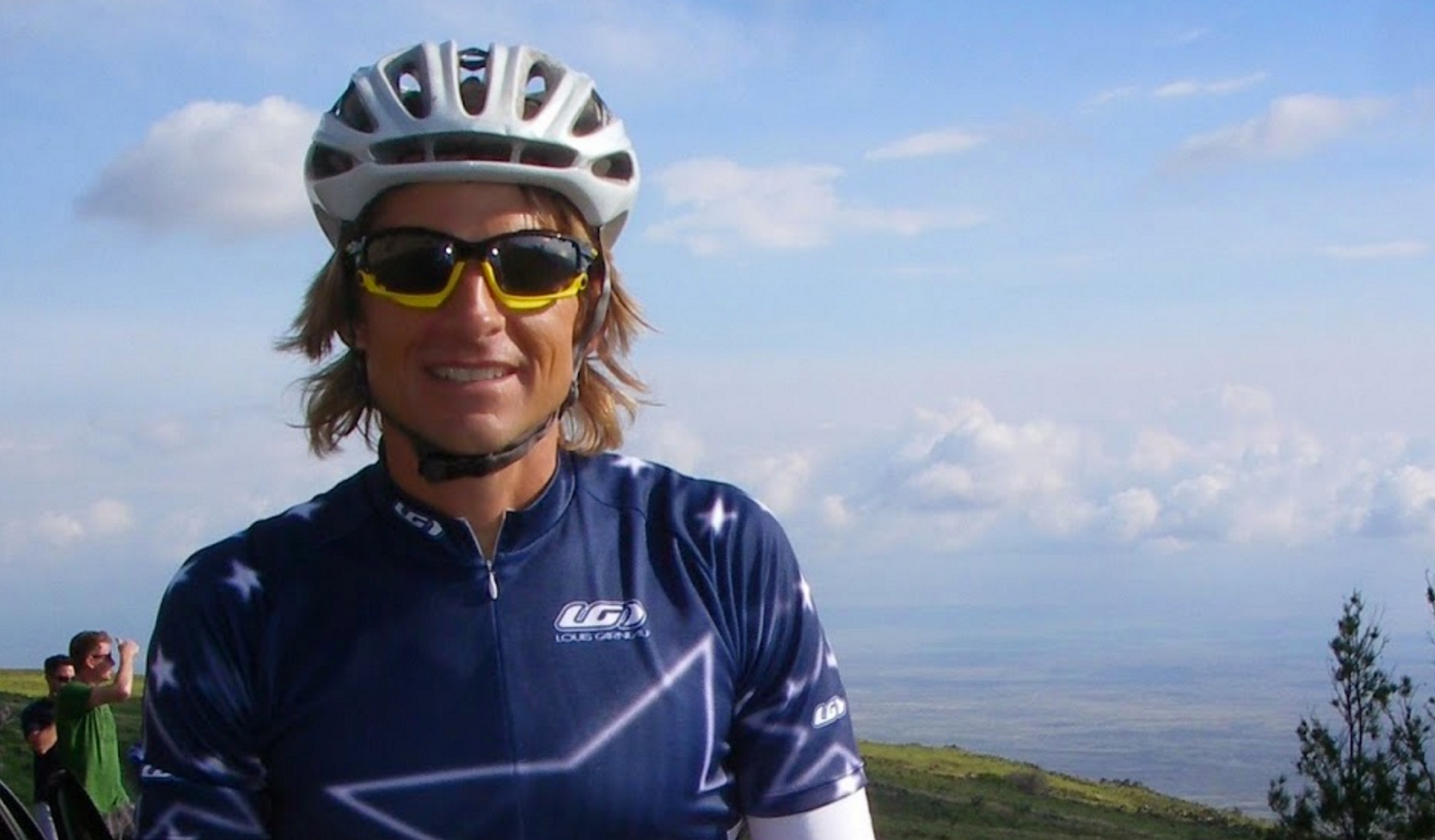








 In this episode of The Effortless Swimming Podcast, we have Katee Pedicini. Katee is the author of “Healing The Grumpy Athlete”. We will talk about her background, health and wellness and her inspiration for writing her book.
00:33 – Holistic Endurance
01:19 – How Women Can Embrace Their Hormones to Achieve Better Performance
04:40 – “You should be training the least amount of hours to achieve your goals.”
06:14 – Do the fundamentals right.
09:00 – How Hormone Imbalance Relates To Weight Loss/Gain
15:15 – Your Body’s Big Sigh of Relief
12:35 – Recommended Changes for Athletes with Hormone Imbalance
18:44 – How Heart Rate Variability Can Help Athletes
22:32 – Back off or go for it.
24:40 – How to Minimize Sickness
To follow Katee’s work, visit her website www.holisticendurance.com.au
To get Katee’s book ‘Healing The Grumpy Athlete’ visit here: http://www.holisticendurance.com.au/product/ebook/
Transcript
Read the full transcript
Welcome to Effortless Swimming, the podcast for swimmers, triathletes and coaches. Join Australian swim coach, Brenton Ford, as he reveals the latest techniques and information to improve your swimming. Let’s dive right in. Welcome to the Effortless Swimming podcast. My guest today is Katie Pedaccini. She’s the author of Healing the Grumpy Athlete. Welcome to the podcast. Thank you. So Katie, can you tell me a little bit about your background and how the book came to be? Absolutely. I work as a triathlon coach in my business called Holistic Endurance. I have a business partner, Sarah Grove, who coaches alongside me. Healing the Grumpy Athlete was written just before Sarah came on board with Holistic Endurance. And it came about out of a desire to help athletes across the board, particularly in endurance that I saw basically were falling to pieces. And to tie all the information together regarding nutrition,
gut health, training intensity, training volume, hormones, mood, and a bunch of other things that tie into that and how they all relate and helping women understand their bodies, embrace their hormones to essentially achieve better performance. Can you tell me a little bit about how the name came to be? I like that. I like that name. It’s a good name for a book. It wasn’t a epiphany. It was very well thought out. And I actually had quite a lot of people helping me with that title. It started with a big brainstorm on multiple big sheets of butcher’s paper. I took myself away to Falls Creek to finish off the book. And yeah, just each day when I was out riding, I’d sort of repeat each option in my head and see what resonated with me the most. And where the grumpy athlete came into it is my why, really, and why I help female athletes and male athletes in this situation is that I do see a lot of grumpy athletes and what I mean by that is actually a little bit more serious
is that there’s a lot of mood disorders and poor moods happening as a result of endurance activity when the original intention is we pursue swim-bike run, often for the love and the joy of it. Somewhere along the way, though, the training, the lifestyle takes that away and I’m a big believer that that doesn’t have to be the case. So let’s explore that. So you mentioned some of the things that can cause someone to become a grumpy athlete, so to speak, so endurance athlete. What is it that can cause someone to sort of move that way and how does it relate to sort of what you’ve written in the book? There’s a big myriad of reasons. I can certainly pinpoint the common ones. Overall, I feel like it’s partly due to the cultural influences of endurance that you have to go hard or you go home. And I don’t see that as a fitting way for people to be introduced to endurance sports. You hang on in the pool or on a bunch ride and you hang on for as long as you can
no matter how high your heart rate is and you go for as long as you can and that’s to find a success. But physiology is much more complex than that and if we periodise and plan our training correctly, we’re obviously going to end up with better performance but also wellness at the same time. And I think that’s the factor that gets forgotten is people seek out performance and forget to consider wellness. And in some spaces, people don’t perhaps consider that they can coexist. There’s perhaps a belief that, well, if you’re training X hours and you’re training so hard that you couldn’t really have wellness at the same time. But we’ve been able to do that with our athletes and also other coaches in the industry are definitely moving towards these holistic principles which are a balanced approach. We see time and time again that the amount of hours you do in a week doesn’t necessarily equal success. And I love the quote by a coach called Matt Dixon from Purple Patch
which is you should be training the least amount of hours to achieve your goals. Absolutely, because it’s very easy to leave life on the table especially if you’re training for an Ironman or half Ironmitch which I’m sure a lot of your athletes are doing. It’s almost a sort of part-time job around what someone might be working full-time hours as well so it’s a huge commitment and you want to do as little as possible to get your desired result and it doesn’t mean not putting in the effort or the work but why not do it as smartly as possible? Yeah, exactly. And that’s actually a common misconception that comes up. I’ve had people ask me some pretty funny questions about what we do mainly based on our business name, I guess, being holistic endurance. They’re like, oh, so is it a spiritual service? Is it about just going easy all the time and fluffy stuff and pretty rainbows? And I was like, no, we do this sport to train hard and endorphins and feel good
but it’s about bringing in multiple aspects of health and wellness to facilitate performance rather than just smashing yourself, really. And we had a strength coach on the podcast a couple of months ago, I think it was Andrew Reid, who’s sort of local guy’s language. Yeah, Andrew’s awesome. And he put up a Facebook post sometime this week and he was essentially saying you’ve got to get the fundamentals right of get enough sleep, eat the right foods, do the minimum amount of, sorry, the minimum, do the required amount of physical activity each day and he’s a huge proponent of just walking a lot and just getting that really low heart rate but just active, that activeness throughout the day because if you’re not doing that sort of stuff then the 30 minutes to 60 minutes or 90 minutes of training that you’re doing a day probably isn’t going to matter that much unless you’ve got those big things in place first.
Oh, wholeheartedly agree. It’s the absolute foundation of what we do. I’m a big fan of his and the low heart rate training is a big part of what we do and what to advocate for in healing the grumpy athlete to help athletes recover from whether it be adrenal fatigue, chronic fatigue, adrenal dysfunction, however you want to term it, basically an athlete that’s fallen to pieces. That’s a crucial element and for these seemingly fit people most of the time they end up walking to achieve that heart rate because they are so unconditioned from a fundamentals point of view and an aerobic base because they spend so much time redlining at that threshold. They don’t have that fundamental. Yeah, and it’s something that I see all the time is just athletes not just sitting in the wrong zone too often. They don’t do that. The easy work isn’t easy enough and therefore a lot of times the hard work or the high intensity work isn’t hard enough.
So they’re just sitting in that gray zone. So if you can incorporate that into your training, if it’s something that you’re not currently doing, it makes a huge difference and you feel so much better for it too. Oh, it makes a huge difference and that’s the biggest feedback we get from athletes who come on board or they’ve read the book and implemented these principles. As hard as it is to be able to egos to slow down and really take it truly easy because I’ve never ever had an athlete come to me who was doing their perceived effort easy enough. Yeah, exactly. They’ve never come to me doing that. I’ve always had to slow them down. So I’d love someone to come to me that is already doing their easy as they should. There’s a challenge for you. And where was I going with that? Polarized training as well. You just mentioned the gray zone is a key principle for that hormone balance as well for longevity in sports.
So having easy as easy and spending a good 80% of your week there. And then when you go hard, you go really hard and you go well above threshold and you stay out of that gray zone for a large percentage of your week. Let’s talk about hormone imbalance and how it can be quite common among endurance athletes and how that relates to weight loss or weight gain for those athletes. Yeah, definitely. What happened and how essentially how the book came about I want to survey for specifically for female endurance athletes because I was speaking to a lot of them and hearing really similar complaints to the things that I was going through as well. And finally realizing that, oh, okay, I’m not alone. I don’t suck at this sport. This is really common. And obviously went about investigating why and that survey asked a myriad of questions from do you take the pill? What’s your PMS flux? Have you ever had a mineria or loss of cycle?
Do you have a period of pain, infertility and stripped back all that data? And what I found was really actually quite concerning because there was a good 500 respondents and the percentage that said they had no symptoms was, I can’t remember the top of my head, but tiny, like under 10%. Maybe even five. And this is a topic that I feel isn’t getting discussed enough, particularly if people don’t know how to broach that topic if they’ve got a coach or even amongst their friends. It’s like a bit to boost to talk about hormones and symptoms. All the other thing I find is because it’s common, it’s accepted as normal. And I’m certainly here to say that just because PMS or pain, period pain, imbalance and even for guys lack of libido or losing hair, just because it’s common doesn’t make it normal. It’s not something you should accept and put up with. It’s absolutely a signal and a symptom that you need to recognize and address.
And one main thing that I see coming about for endurance athletes as a result of hormone imbalance is athletes who are eating quite well and that’s obviously a debatable topic as to what is defined as good nutrition. But let’s say they’re eating whole foods, real foods, getting enough of each macronutrient of carbs, fats and protein, and they’re ticking all those boxes. They’re training a good X amount of hours per week, so they’re nailing that, but no matter what they do, they don’t lose body fat or they put on. And I see that as a common occurrence in endurance athletes because of a hormone called cortisol, which is a stress hormone, is other hormones that play too, but that is the key one that I see being a player. So in endurance training, we demand a lot of cortisol production, but not only that, just our general stressful rush to daily lives. Modern life is demanding a lot of cortisol production and through training on top of that
and we’ve got a big recipe for disaster and when our body can no longer keep up with those cortisol demands, it starts seeking other hormones that can produce that cortisol and therefore creates a hormone imbalance. That concept is a lot more in-depth and I’ve just simplified there and I do go into more detail of all the hormone-nerdy stuff in healing with grumpy athlete. So what could someone do if they found themselves in that situation? What sort of things would you recommend they change? Obviously it’s going to be specific to each individual, but what are some of the common things that people are missing if they find themselves with that hormone imbalance? I’d say the most common and the most effective change is what we just discussed is getting the intensity in the effort right and sitting in the right zones and that’s essentially knowing your purpose for the session. For example, if it’s an endurance set,
then you need to make sure you’re staying in your endurance easy heart rate zone and not in, say, tempo or threshold zone or above and really sticking to that purpose. So heart rate training, we utilise the MAF method, the Design by Phil Maffetone, maximal aerobic function. So that would be the first action step to put in place is make sure that an athlete is sticking to their purpose of the session and in their warm-ups and their cooldowns sticking well below that maximal aerobic function heart rate as a minimum and then the second one is lifestyle changes such as just being mindful and generally slowing down and I think what’s really important for athletes to understand is there’s a difference between slowing down and calming down. You can still take on the world and be awesome and do all the things you want to do but it’s about doing it with some mindfulness so that you’re not feeling rushed and stressed
while you go about kicking ass, really. It’s doing it with a little bit of zen in your life and that is going to look different for everyone how they bring mindfulness and calm into their busy world whether that’s time out at the end of the day to do a structured meditation session or it’s yoga into their weekly training. If it’s walking, God forbid, without a phone and just taking in nature. I’ve got a great action step that we get at all athletes to do which is legs up the wall at post-training so it’s basically a yoga pose it’s as simple as lying on the floor putting your legs up the wall for five to ten minutes and doing some diaphragmatic breathing and that’s a great way to balance out those causal levels post-training. It’s easy to slip into that mentality of just go, go, go and never slowing down and I mean I found myself in that sort of situation the last couple of weeks got a young baby and so I haven’t been getting much sleep
and being really busy with coaching and all that sort of stuff and I just sort of felt it all building up so last week my wife and I went down to the beach and just took a couple of days off and surfed and just shut off the phone early in the day didn’t look at it at night and boy it makes such a difference you can almost feel your body just take this big sire relief where you’ve got all this tension and then it’s just finally gone so it just made me feel so much better so you can easily get caught up in you’ve got to do as much as possible in a day but it’s not a bad thing to take an hour, two hours out of your day and just relax, get rid of the technology just stretch, do yoga, whatever it might be and that can really just get you back to a healthy headspace it really is those small things that make a difference and something like the ocean is phenomenal that’s why I live by the ocean it makes a really big difference
it’s just sit down there, get grounded, chill out before going into a busy day or finish a busy day that way and if someone doesn’t have two hours that’s cool, ten minutes will make all the difference it’s just about breaking that stress and busy cycle so I think that’s key and we want to get to the point where it’s not like you just described it very hard with a new babe but having these strategies in place on a weekly basis so we don’t blow up and go oh I need a whole week off, I need to go chill in the sun each week or each day we need these strategies so we don’t blow up I see that a lot with athletes leading into a race we get into that mentality of leading nothing to chance and nail every session the closer we get usually that’s the way our brains work but that’s when it’s actually most important to have that balance because what we’ll find is when an athlete gets to taper the body is signalled ok this stress is finally relenting
and remember that stress can be physical or mental and the immune system is then signalled to relax and that’s often when they get sick because cortisol does reduce our immune system so there’s lots of fallout and what’s the point in training and dedicating so much time and energy to our sport only in the week out from a race will fall in a heap and that athlete isn’t going to know that that could happen until it does and so we’re really passionate about that education for prevention especially in elite swimming where swimmers will get sick the week before they race because the taper sets in and then the body just lets go and it relaxes and that’s when they get sick because they haven’t taken that time to just slow down or they’ve been training too hard and then the body just finally gets a break and then that’s when it allows itself to get sick exactly same for people going on holidays and back to that cortisol conversation
we’re having about weight gain and it’s so common for people to lose weight on the holiday when they’re actually not eating that well and perhaps drinking a lot more than they normally would because they’re chilled out and that is the difference that cortisol can make I’ve had athletes come to me for consultations that training the house down eating really well, putting on weight frustrated is all hell don’t they want to do and just by taking some simple changes such as heart rate being lowered in warm-up and cool-down legs up the wall after each session no coffee post-training only before and meditation each day before bed and bang, weight loss it’s that simple, it’s pretty amazing yeah that’s interesting let’s talk about heart rate variability and I guess how you use it and how it can be of help to athletes that ties into the whole getting sick thing and adaptation because I think what athletes potentially forget sometimes
or don’t connect with or understand is that we get faster, stronger, fitter when we rest and adapt it’s not while we’re training hard it’s the recovery that allows for us to get fitter, stronger, faster and so a hard session or a great session that’s been nailed can essentially go to waste if recovery isn’t adhered to and that’s where monitoring what’s called your heart rate variability which is different to heart rate in that it looks at the time gap or the time between each beat as opposed to the beats per minute and that variability tells us a lot about what stress is currently on the body and I get athletes to test their baseline each morning but also post-training and we get to understand what their quote-unquote normal is and therefore we can pick up any potential unexpected stress because when we are looking for adaptation fitter, faster, stronger we want to elicit training stress that is the goal but it’s about finding the sweet spot
of not too little and not too much and heart rate variability helps us do that for example if I know that someone’s heart rate variability post-training is normally 89 has a random number to throw out there and then the next week that same session elicited a post-training heart rate variability of 100 I know that something is potentially going on there either they’re feeling lack of sleep they’re potentially over-reaching not over-training and they might have too much life stress there might have been some nutrition that wasn’t quite right and that’s where that conversation can come up to work out do they need rest or do they need to change their nutrition or do they need more sleep so it’s a really great early signal it can often pick up if an athlete is about to get sick so it helps us prevent that as well it helps formulate a really specific taper to ensure the athlete has got that optimal level of freshness before a race
so heart rate variability can be measured just by your phone camera it’s not as accurate if you get the other devices but that’s a quick and easy one there’s links to that in the book and then the second one is to get a Bluetooth heart rate monitor or utilize one you’ve already got to sync in with an app like SweetBeat or iFleet and you go to your baseline data over nine days and then after that it will give you what your normal is and help you make a decision each day whether you need to perhaps back off intensity your body might be under too much stress currently or perhaps you are ready and ready to go and today is the day to really optimize the current position you’re in and push that intensity or it might say way too much stress today as a day off so it helps us it’s like a little coach in your hand so you don’t have to message your coach ten minutes of every day going what should I do how do I feel I’ve developed that intuition
it’s not something I want athletes to utilize all day every day forever it’s just a great tool initially while an athlete is getting to know and understand their body so that when signals come up they can use their intuition to make a decision what’s best for them whether it be to back off have a day off or go for it I’ve got a friend who coaches an age group from squad and he has his athletes in the morning when they wake up use an app I think it’s HR what is it HRV for training where it just uses your phone camera and that way it just allows him to to keep an eye on what his athletes are where they’re at and I think he can sync it in as well so he can see that every morning and he can see where they’re at so especially if you’re working with someone that closely like his athletes are training that’d be up around nine times a week in the pool so when they’re just training that much plus they’ve got gym sessions and everything
it can really help you as a coach to keep on top of that stuff because it’s very easy for someone to get sick when they’re really pushing themselves that much so yeah a great way to keep an eye on it yeah it’s amazing I could synch with training peaks which is the tool we use to programme all our athletes and just a really simple measure to communicate to your coach or even to yourself about where you’re at and perhaps that reminder that something might be going not quite right and I remember when I first started using it it was a few years ago and I had like this lump on my head and I felt like just off I had a bit of a headache, nothing too unusual but something wasn’t quite right I tested heart rate variability and it was the highest it had ever been I thought that’s bizarre because I’d been sick with it before I thought oh dear something drastic’s about to go down this is not good so I put some sickness protocols in place
like infrared saunas and herbal teas and ginger and garlic and all those things that normally do two days later broke out in chicken pox oh really? I wasn’t going to be able to avoid that but I did get the early warning signs that my body was about to be under some massive stress can you talk a bit more about that about the sickness protocols you’ve got in place so if you identify something like that through heart rate variability or you can feel it coming on what sort of things should people be doing to avoid or minimise how sick they get yeah so I’ve got all this the detail outlined in the book but to give an overview the first thing is to communicate to someone whether that you’ve got a mentor or you’ve got a coach it’s to tell them where you’re at and how you’re feeling as soon as possible don’t wait to see how it plays out and listen to the symptoms early on because once it’s in full blown mode there’s not much you can do other than
ride it out and get over it as quick as possible the first thing is though is to look after you someone’s gut health so I know you’ve had Steffa on the show before and she’s got heaps of resources on this topic and I’d recommend jumping on her website and utilising her recipes is that our gut health will be the deciding factor as to someone’s immunity and if someone’s getting sick more than once twice a year their gut health is definitely impaired and that needs to be addressed stat so that’s the first thing from a prevention point of view and then if you do get those signs of illness it’s obviously de-stressing because that increase in cortisol if you keep pushing your body whether it be work stress or mental stress which I should mention can be perceived or actual so if you’re lying in Bali having a cocktail in the sunshine in a bikini but your mind is racing about all the things going back on at home in your workplace
that is still a cortisol physiological response in your body so it is about our thoughts as much as our actions and that’s where taking time out whether it be to sit on the beach or just at home under the doona listening to a mindful meditation go do we go to the class so it is that de-stress is the first action the second is to make sure all those gut health nutritional aspects are taken care of and upping all your anti-inflammatory nutrition including turmeric and ginger are probably my two favourites and then I get athletes to either have a magnesium bath or an infrared sauna or both great so in sort of summary with that it’s de-stress, relax then look at your food and then um infrared sauna or what was the other thing you mentioned? A magnesium bath magnesium bath great so there’s some simple things when you feel that sickness coming on to get on top of it because it’s funny how I’ve been in that situation before where
I’ve been training hard and I can feel something coming on but I don’t want to admit that it is so I just keep pushing and pushing and then inevitably three or four days later it hits and then I’m out for a week it could be up to 10 days if you’re really bad so it’s yeah it just pays to listen to your body sometimes and go with your intuition or your gut instinct because most of the time it’s right Yeah and that’s it and it’s not like you have to completely stop training in some cases if it’s bad enough yes and that’s where heart rate variability comes into it but it’s just taking away the volume and the intensity keep the movement there because movement is energy and utilizing those heart rate variability scores to know when you can reintroduce some volume or intensity and do that on the side of caution no matter how close you are to a race if you can get to a race week in a state of wellness as opposed to optimal performance
you will always outperform yourself hmm yep definitely agree and just finally can you give me some examples of people that you’ve worked with whether they’ve experienced hormone imbalance or adrenal fatigue and then some of the strategies that you’ve used with them to help them overcome it Yeah sure like the first one that comes to mind is actually my business partner Sarah Grove when we got together it was really through our same experiences of burnout over training and what resulted from that was really poor moods, low motivation really questioning what we were doing in our sport and that both of us played out in our lives in terms of lack of work productivity having to nap all the time lots of PMS and loss of regular periods and all those sorts of things as well and then the things we put in place were the reduction of training and the training specificity and utilising the polarised model that we spoke about earlier so staying away from the grey zone
supplement protocols are also really key for someone that has got into that burnout and over training you do have to be careful, please don’t buy just straight from the chemist or supermarket it does have to be practitioner quality and if you are racing at a higher level you have to be even more careful because you just don’t know what goes into supplements so that was a key strategy for most of our athletes and it can be as simple as common supplements such as magnesium and vitamin C being the first point of call for adrenal repair and then it’s getting a bit more specific to that athlete whether they need to boost up some progesterone or decrease estrogen so yeah it is very personalised so she is a great example she, Sarah was really questioning her sport was fatigued all the time, unhappy and not able the thing which says was she was actually able to perform still but she didn’t enjoy it at all and she had heavy legs all the time and so from
the outside no one really knew because she was always on the podium but what was going on in the background was an absolute mess so what is wonderful for Sarah now she can still perform and perform even better with half the amount of training life balance, happiness no gut issues and happy hormones sounds much better she’s a much happier human being as in a lie and then there’s athletes one that came to us recently a male athlete who is quite successful no major signs of burnout or over training but really wanted to be smart about his Ironman journey leading into his first one and he’s done training forever so he’s technically a very experienced athlete and should have a very good base when we got him on to low heart rate training lo and behold he had to pull him back himself back by good minute per kilometer and that was really hard obviously had to let all his buddies go ahead but what has since come about after that first
six week period of battering the ego is by pulling back going slow putting holistic principles into his life is he’s 45 and he’s he being across every distance whether that be 5, 10 K, 21 K and time trials on the bike are all better than he’s ever done so it’s been it was really interesting because it was the kind of athletes that really thought the principles and a lot do like I don’t understand how you know backing off and going a bit easier and not sitting at tempo is going to get me faster so it does take a bit of trust and faith in the process initially until an athlete sees their results for the first time in that sort of six, eight week period and they get that buy-in that’s been an exceptional journey and then the other one that comes to mind that is really significant is actually my husband we met at a training camp about six years ago and he was training for his first half Ironman he got sick a week out ruined his day
he still did well, about a 5, 20 but he’s capable of much more and he tried to push through the rest of that season to go into sprint distance for fun quote-unquote and he fell apart and he spent the next year and a half trying to rebuild he was an absolute mess and obviously impacted personal life, work life, his mood
and since then he’s changed his training principles in a really big way all his mates are going out for five, six hour rides and he holds himself back and follows his program as he should and does half the work that they do and we’ll always get them on race day down to a 4, 30 half Ironman sort of time and going for your second Ironman in Busselson the end of the year awesome and a recent marathon result all these long runs done low heart rate under 145 obviously that’s not the heart rate he would run a marathon at and he had trust in the process he didn’t run any longer than two and a half hours and yeah, average 405 pace on the day very nice, that’s a good run yes fantastic, well for someone who’s listening to this, where can they find your book, Healing the Grumpy Athlete head to holisticendurance.com.au
and you can scroll down the page to find it there or go forward slash ebook all the details are there, currently off the market being edited and will launch in the next three weeks so you can actually plug your details in there and I’ll email you a discount code for that relaunch excellent and by the time we get this out it may be close to having that book ready to go so yep, so if you are listening go to holisticendurance.com.au and find the book Healing the Grumpy Athlete Katie, thank you for being on the podcast, it’s been a pleasure and hopefully you’ll get back on sometime soon thanks for having me