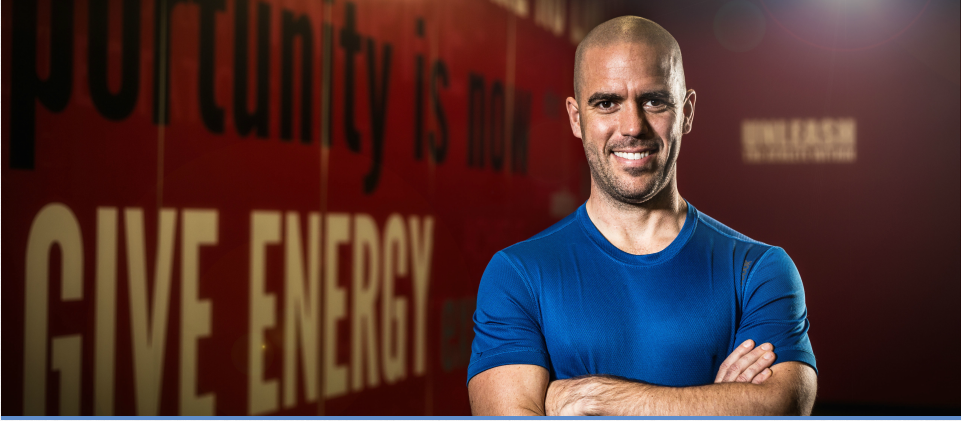









Gary Hurring is a former swimmer and a coach from Wellington, New Zealand. Gary won the gold medal at the 1978 Commonwealth Games in the men’s 200 meters backstroke and silver medal in the same event at the 1978 World Aquatics Championships. He finished fourth in the 100m and fifth in the 200m at the 1984 Summer Olympics. He was also appointed as New Zealand’s swim team coach at the 2012 Summer Olympics.
In this podcast, we discuss the principle of the ‘Pit of discomfort’ and how to change your technique in swimming. We also talk about the mindset needed to overcome negative thinking.
02:50 – Getting to know Gary Hunning
08:05 – Why being a swimmer is different to being a coach
10:33– Concept of ‘False Drills’
17:24 – The ‘Pit of discomfort’
27:19 – Allow greatness to happen
27:49 – A lesson from New Zealand’s All Blacks
36:50 – The Art of Coaching
Transcript
Read the full transcript
Welcome to the Effortless Swimming Podcast, the show that helps swimmers and triathletes love the water, become a better swimmer and live a better life. Here’s your host, Brenton Ford. Welcome to the Effortless Swimming Podcast, my name is Brenton Ford and I want to thank you for listening today. If it’s your first time listening, this is a podcast where we look to bring you interesting guests who can help you learn to swim faster, more efficiently, and enjoy the sport of swimming a whole lot more. And before we start today, I want to thank everyone who applied for the Hell Week Swim Camp which we hold in Thailand in October. We’ve got two weeks this year and both weeks are completely full, so we’ve got a total of 50 swimmers and triathletes coming over with us to improve their swimming, to learn more about their stroke, their swimming and get faster, but mostly have a whole lot of fun. This is the fourth year that we’re running the camp and it’s an absolute blast and
we’ve learnt from each year that we’ve run it, whereas the very first year everyone was completely smashed at the end of it, it was really a Hell Week camp. And now we still definitely do some challenging sessions, but it’s more about learning, about your stroke, your technique, making changes to it and coming away from the camp having had an amazing time, learning a lot and having things to take away back to your own training so that you can continue to improve once you finish up a camp. So thank you for everyone who applied and I’m really looking forward to holding that camp and making it a really good time for those that are coming along. My guest today is someone who a number of people actually said you should really get this guy on and his name’s Gary Haring, he’s a former New Zealand swimmer and coach who lives in Wellington. Gary has some very good credentials when it comes to being a swimmer.
He won the gold medal in the 1978 Commonwealth Games in the 200 backstroke. He was on the New Zealand Olympic team in 1984, just missing medals in both backstroke events, finishing fourth in the 100 and fifth in the 200. He was also one of the swim coaches on the New Zealand Olympic team in 2012 and he’s had a number of swimmers go to world championship events. So Gary is a really smart and knowledgeable guy when it comes to swimming and we had a really good discussion on a number of different aspects of swimming. Some of the things to look out for and things that I sort of hadn’t heard before, he talks about the the pit of discomfort when it comes to making changes, talks about taking one step back in order to take two steps forward. So we delve into technique to training, but a lot of mindset stuff as well because particularly at that top level, a lot of it comes down to mindset and the way you think and the strategies that you use to overcome
negative thinking. So let’s get into the podcast. Here’s Gary talking about how he got started in swimming and a little bit about his background. So I started as a three-year-old. My parents ran a learn to swim business and they used to stick me in a tractor in a tube and float me around in the swimming pool while they were working. And I’d be in there playing with toys. I had a netting bottom and one day I fell out and they saw that I’d actually swam to the side of the pool. So that’s how I learned how to swim, maybe by watching them. Grew up as a good age group swimmer. My dad was very passionate about competitive swimming. My parents were Olympic swimmers. My dad was an NC2A champ two times. And my mother was an Olympic bronze medalist and Helsinki Jean Stewart in the 110-yard backstroke. She, sorry. So as an age group, I did relatively well and then grew quite a lot when I was about 16. And finally I made the Commonwealth Games in 1978
on my last attempt at qualifying. Did a lot of training in between qualifying and making the event and went through and won the 200 backstroke at those Commonwealth Games. So that was a huge breakthrough for me as a 16-year-old. I was disqualified in the 100 backstroke because the old touch turns that you had to do and I didn’t actually touch the wall with my hand before you rolled over. Went on from that competition to the World Swimming Championships and also got a silver medal at the 200-metres backstroke to an American called Jesse Versaio. And that was in Berlin. Then had some good successes the year after at the Fina World Cup. I won the 100 backstroke in 1979. And then we had a boycott of the Olympics in 1980. New Zealand boycotted with America. And so I didn’t get to go there, which was my big dream, was to get to the Olympics and do really well. So I quit swimming at that point. I went to the Gold Coast and I had my other big passion
of surfing and I decided to take up surfing in a big way. I lived at Burley Heads for three years. And then I realized at the 82 Commonwealth Games in Brisbane watching that, that I should be there. I felt that I had unfinished business. And so I trained, got started training again and went back to school, set some exams and managed to get a university scholarship at the University of Hawaii going there. And so he managed to link me up to their swim team. And so I went there and I competed at the Los Angeles Olympics in 84 and was fourth and fifth, fourth in the 100-meter backstroke, fifth and 200 backstroke. And then I made the 86 Commonwealth Games team in Edinburgh but had a shoulder injury and that was sort of the end of my swimming career. After that, I started coaching and here in Wellington, I got a coaching job and instantly had some relatively good success with a couple of female girls, both who got medals at the Commonwealth Games in 1990.
And so I thought, oh, this is pretty easy but then suddenly realized that it was a lot harder than I thought and spent the next 30 years almost building up a club in Wellington called the Capital Swimming Club, named it and branded it and built it from pretty much nothing to one of the top three clubs in New Zealand over the period that I was there coaching. Had some very good success over the years, ended up taking about 12 swimmers to world championships, had multiple New Zealand appointments to world champs and Commonwealth Games and Olympics and highlights of coaching, probably having a swimmer reach finals at the world championship level, having swimmers medal at Commonwealth Games and just having swimmers swim very, very well at Olympic level and Commonwealth Games level. I was New Zealand coach of the year a couple of times and back in 1978, I won the Hullberg Sports Person
of the Year Award. So that was some of my big accolades as a swimmer and as a coach. And going back to when you quit the sport after the New Zealand team boycotted the Olympics, did you feel like you were done with the sport completely or you just wanted a break? And do you think that you had you not have gone to the comm games in Brisbane to watch it and sort of felt like you were missing out and then come back and ended up making the Olympics and going on from there. Do you think had that not have happened, you wouldn’t have been coaching the last 30 years and you would have done a different career? I think so. It’s hard to determine and look back on that. But yeah, it was a defining changing point in my life. I was laboring on the Gold Coast and being a brickies laborer and I was actually being trained to spray concrete swimming pools ironically. But it was a lot of hard work and I think my life definitely I probably would have got into trades in some way or another.
Maybe being a coach, just as I was leaving, ironically, I got a, my girlfriend at the time had organized for me to go and get a job interview with Dennis Cottrell back there in those days. So that might have been a good lead-in but I honestly don’t know but I really am very, very glad. I felt that I had unfinished business and I’m very glad that I got back in the pool and gave it another shot. You know, otherwise I think I would have wondered what if for the rest of my life? Yeah, it sounds like it turned out really, really well and it could have, it sounds like one of those moments that could lead to a lot of bitterness or a grip down the track. You know, had you just sort of quit then and not come back and felt like you hadn’t realized your full potential. So it’s, and then you’re having coached for the last 30 years and you mentioned that it was a lot harder than you expected. Can you talk a bit more about that and why it is?
Yeah, I mean, I think, I mean, there’s no substitute for experience and the experience I had as a swimmer was fantastic but I really had to learn how to coach and I had to learn how to portray the information most of which, well, a lot of it which I already knew but as coach, you’re constantly learning all the time and it was about sort of learning how to convey your messages across to people what works, what doesn’t work. There’s a lot of information that you end up learning and knowing as a coach that you just take for granted as second nature and you have to realize that just about all of your pupils or the students that you’re working with they don’t know that information and you really have to be, you know almost boil things down to a nutshell and be very simple and specific. And I’m a firm believer in making what I call as a concept of forced drills things that create a way that almost makes somebody swim a certain way
rather than saying, I want you to hold your elbows up high I will do a drill that will help them to repeat holding their elbows high it sort of forces that to happen or if you want someone to get their hips up higher in the water, getting them to swim with a band on will do that because they’ve got to forcibly get their hips up with a band only swimming otherwise they sink. So, certain things and adapting certain ways of coaching in my opinion, a lot of time
and a lot of experience and eventually at one point and it was a point in my coaching when I actually became quite successful was that I felt like I had learned enough expert knowledge and behavior and it was time that I started to coach the way that I felt was best to coach for me and I think that that was a defining moment in my coaching career because I sort of stopped following and became somebody that was almost the master rather than the apprentice. That’s so interesting. I feel like I went through the same process when I went from swimming to coaching the first couple of years I didn’t know how to explain all those things that I’d been able to feel and do in the pool and trying to teach those to people it’s almost like a completely different thing from just being able to swim to then teaching and coaching it and I like how you talk about doing different drills and different things to teach the stroke rather than just telling people
what to do and hoping that they’ll do it. That’s one of the things that we do in the clinics we run so obviously do some drills there but each drill that we do has a specific purpose behind it and one or two key focus points that’s gonna help them make that aspect of the stroke whether it’s the elbows high, the elbows forward making that a part of their stroke because one of the things we talk about at the start is kind of the rotation that the elbow makes as it goes from the catch position so the extension position out in front and then moves into the catch and pull through where so you can get the forearm, the hand pressing back and get that forearm vertical. So we kind of go through this exercise where we get people to make this rotation with their elbow and we show them some videos of it to show them what the leapsome’s do compared to those that aren’t quite as good and we go through that but then there’d be maybe
one percent of people who could actually just translate that into their swim without drills but everyone else is gonna need to go through some different sort of drills or exercises in the water to build up that feeling to make it a part of their stroke. Yeah, absolutely and to me everything’s in physical activity as a memory-based system and it’s all neuromuscular memory and just memory in itself but for the pathways to be developed neuroly, it takes repetition of doing something a certain way and so yeah, I agree with you 100% you need to be doing and that’s why sometimes you need to compartmentalize areas of the stroke and specific work on those areas maybe even take it onto dry land and work in a kinesic way through dry land movements and then try and bring that into the pool but without the repetition of and the habit forming of doing something the right way though, you know, those neural pathways they aren’t strengthened in the myelin sheath
between the neurons aren’t strengthened so as soon as someone then goes back into a work-related set they quite often they’ll slip out of the patterns that you’re trying to develop so, you know, I’ve always been quite a firm believer in trying to get stuff right before too much work is put onto an athlete because I think through tiredness swimmers tend to find the path of least resistance in terms of muscular tiredness and it’s often the most correct stroke that is the most tiring stroke and so something will give at some point if the work is unrelative to what you’re trying to change technically. That’s so true, to give you an example of that two weeks ago I went to, there’s a swim lab which is basically an endless pool with some cameras set up I went to the swim lab which I’ve set up near where I live actually and just got some footage taken of my stroke because it’d been at least a year and a half since I’d done that and then I had a look at it
and there’s a few things I wanted to change and so over the last two weeks I’ve been working on changing those things and yesterday, and it’s starting to come together with some slower swimming but it’s very hard to hold at pace for more than 25 or 50 meters but it’s a lot more fatiguing than what I’m used to so I feel like if I was to do an open water swim with 2K I’m just gonna go back to my old ways and yesterday I did a part of the main set was just a K with a pool boy on it was a row big pace but I was going a little bit harder but after 100 meters or so my stroke was just going straight back to normal and it’s gonna take me probably four, five or six weeks of constant focus and practice to actually make that stroke number one feel good but number two to be able to maintain it and do it without feeling like it’s a lot more work and so one of the things I get a bit of is someone will, like we might do a session together
or they’ll come to a clinic and the next session they might be going slower and they might be a lot more fatigued and that’s kind of what you want if they’re making changes because they’re gonna be using muscles that they’re not used to, that are weaker and it’s gonna take some time for them to actually build that up if they’re not engaging their lats or they’re not rotating enough and it’s gonna feel very different it’ll feel slower and unusual but over the course of time if they can just keep practicing that even if it doesn’t feel good it’s going to work out faster for them. Yeah, that’s so true. It reminds me of a concept that I picked up one of my fortunate areas of education that I went through being a high performance sport New Zealand coach was a course that they have over here which is three year coaching course called the Coach Accelerator Program and one of the concepts we learned there was an area that was described as the pit of discomfort
and apparently in all areas of learning it’s pretty much essential that you’ve got to go through the pit of discomfort to come out the other side of the pit to learn it and to develop it but there will always be the uncomfortableness of learning something new at first and the tiringness especially for an athlete of having to go through the repetitions of trying to do something completely different and completely new and just the awkwardness of how things feel and I think that’s a really important point for athletes that are learning is that they might it’s something that I constantly try and reinforce with them is that they have to be comfortable at being uncomfortable if they want to improve because it is very much going through that uncomfortableness that’s a sign that they are making some improvement and it sort of goes beyond logic and everyone thinks you’ll tell them something and it’ll instantly work but it’s really very much a one step back
to go two steps forward type of scenario that is it’s more than what usually happens it’s what is supposed to happen if the athletes can all understand that learning to get better is an uncomfortable thing to do and if they are uncomfortable they are probably making those right steps and moving forward as long as the coach’s eye is on them and the coach is saying yes that is what I want you to do then it’s probably a very good thing and they need to persevere with it Yeah I really like that term the pit of discomfort and it’s a bit like I had a yoga teacher Jeff Grayson so he works with swimmers and his term is if you feel like you’re doing it right it’s probably wrong and if you feel like you’re doing it wrong you’re probably doing it right in terms of making changes to whatever you’re doing so it’s that discomfort and that feeling of not being familiar with whatever changes you’re making and it’s like the roller coaster
of getting better at anything you know if you’re going to go through some times which are really good and everything’s clicking and you see that in competition with those elite guys the swimmers like Caleb Dressel at World Champs recently he had just one of those meets where he was on fire and swimming his brains out and then you know that when you go through a high like that you’re going to go through a stage where you’re going to hit some resistance and things aren’t going to feel so good and you’re not going to feel on top of the world so it’s to know to expect the bad times and the good times but just roll with it and but just keep pushing on and just be able to identify which phase of it you’re in and just keep going with it Yeah that’s so true and that’s such a huge part of our role as a coach is to help athletes get through those phases and you know you’ll get swimmers that are plaits you’ll get those phases within phases
you know throughout your season you’ll often be swimming slowly and tired but as a high performance swimmer once you start tapering and resting and focusing towards the big event you know everything starts to come right and it’s part of that sort of a cycle but there’s also cycles that last you know sometimes years and it is very much you know there’s also micro cycles and daily cycles that the work you’re doing is making you tired your muscles are breaking down and then they’re regenerating and getting stronger but in the meantime you’re feeling terrible you know you’re not swimming to your potential and just understanding that is a big factor that athletes don’t understand a lot of times and they want to be feeling good all the time obviously they’ll be progressing all the time and I think it’s a big factor in coaching is trying to educate and allow swimmers to understand that sometimes it’s part of the process
sometimes we don’t know either you know and sometimes you know athletes will think everything’s right and have a poor performance and you know sometimes there’s no rhyme or reason to that either so a lot of it is unknown but a lot of it is about persevering with the sport you love and especially as kids are growing up and becoming adults there’s going to be changes through their physical side and they’ve got to learn to prepare for the ups and downs the rollercoaster as you put it and what kind of style of coaching do you feel like you have you know you see there’s a lot of different styles from those who who are sort of loud and direct and it’s my way or the highway then you see coaches who have maybe a little bit more emotional intelligence and they’re able to really connect with their athletes and beat them on a level where they’re sort of on the same level yeah either style of coach can work and I think it comes down to personality style
but where do you sort of see yourself sitting in terms of the way you like to coach okay yeah it’s interesting and someone else might differ from my opinion but on me but I believe that I am a fairly relaxed coach I always like to talk personally to my athletes honest and truthful basis I’m very technically related I feel that swimming is an art form although I’ve been fascinated by the science of swimming I believe that purely scientists can compartmentalise that they like to sort of break everything and put it into a nutshell sometimes I think in swimming that can be a little bit too extreme I believe in simple concepts that of flow and technique and doing things right reducing drag and getting stronger with your physical side once you’ve developed the technical side you know my father used to always say to me that you know what do you want to be a Ferrari or a bus you know a bus can doesn’t matter how big an engine you put in a bus
it’s never really going to go fast the Ferrari is the shape and that’s your technique your vessel and the water and you want to develop the Ferrari and then you build the engine and the engine will make the Ferrari go fast because the Ferrari’s got so little drag and you know as a young boy that used to really resonate with me because you know cars and trucks and buses and stuff but I don’t know my style of coaching and I don’t think I lose my temper very often I’m not a yellower, a screamer, I try and just work with my swimmers I felt that I was always very successful in helping them pre-competition and we always used to tend to have a lot of success as a team at the big events because those were the areas we focused on and I felt like I was very good with working with athletes in many instances getting them to be calm before they raced rather than you know most times athletes are quite nervous and and a little bit of an overroad before competition
and quite often that just need they just need to settle to realize that they’ve trained to do what they’re about to do and to enjoy the sport that they have been spending all this time doing and get out there and enjoy it and have fun and so on so that a lot of those concepts I tried to bring back the enjoyment into swimming because I realized how tough it can be as a sport but there’s a lot of roots from it so yeah I don’t know if that’s a particular style in any in any way but that’s sort of the fundamentals that I try and work with as a coach and yeah I feel like the hard work is done once you get to a competition you’ve done the training you’ve eaten well you’ve hopefully gotten enough sleep and rested and then on the day it’s just about getting into into to flow and just having everything sort of come together and I had a guy called Nam Baldwin on the podcast and he’s he’s the high performance coach for a lot of surfers like Mick Fanning
and and Steph Gilmore and he’s very much into well one getting into into flow but using breathing and being calm before a big event or competition and he he went through the the routine that he he uses with Mick Fanning before a big competition like the I don’t know if you remember when he won the the world title and it came down to this I think it was the quarter finals at at Pipe and he he had about a minute to go and he ended up getting the score that he needed and like just so much pressure that came down to this moment but you there’s this video of Mick sitting on the beach he’s he’s sitting down he’s got his eyes closed he’s rubbing his hands together and he said he uses that to just just to ground himself and it also gets him in the mental state of I’m ready to go and then he has this breathing technique where it’s he’s just getting his heart rate down he’s visualising what he needs to do and and what he’s expecting to happen and then he goes out there and he’s
ready to to perform and he’s been able to do that on so many occasions and I think it’s the the athletes that have a routine and a process like that in place that can really put all of that training into to one big event and when the pressure’s on they can stay calm and and not overthink things. Yeah that’s so true and allow the greatness to happen you know something that springs to mind was a concept that the All Blacks coach of the time Graham Henry told me about which was a concept that the All Blacks developed after their loss to the World Cup to the French team back when it was in France I forget what year it was but they talked about Red Hat and Blue Hat and what was happening was when things weren’t going right for the All Blacks they were all getting this ready sort of you know getting this this way of thinking that was frustrating and they were losing confidence from it and he taught them all little
ways that they could individually develop the coolness of the Blue Hat under pressure and some of the players would stamp their feet on the ground and others would hit themselves on the chest or something like that or but little little key movements to remind them that you know it’s just one mistake it’s just something to move on from it’s everything else is still there otherwise you you can tend to and you see this a lot of time in team sports but it’s same in individual sports you can see athletes lose their their control and lose their focus and start thinking negatively rather than positively and you know or pessimistically rather than optimistically and there’s many little tricks that you can do and deep breathing and breathing patterns are very much part of that and using deep breathing and working by opening your vagus muscle and and so on are very very good proven forms of lowering your heart rate
slowing it down and thus causing less stress to your to your brain and so there’s you know there’s a lot of actual physiological proof to breathing techniques that will help and there are other ways of just how you think it’s very very important for competitive excellence especially at that very top level a lot you know a lot of the top swimmers are doing very similar sorts of training and they’re all at a very similar sort of fitness level and and strength level when it gets to the top 10 of swimmers that are at a world champs meet and a lot of times it’ll come down to who’s got their head screwed on on the day and it’s these little things that can end up making the biggest difference especially for something like the 50 freestyle where there’s there’s nothing in it and it all comes down to getting the start right and and being calm beforehand and just getting everything to happen that moment in time so i think the mental side of things
not a lot of coaches will often teach their athletes how to control their thinking and different strategies to help them get grounded or come back from being angry or losing focus so i think that kind of stuff and you’re talking about the the all blacks and that sort of strategy it doesn’t need to be anything complicated but just something something simple and the one thing i took from from that guy now in Baldwin is after a period of intense exercise then in order to sort of just you’ve got that up you’ve got that intensity you’ve also got to come back down and if you’re short on time so let’s say for example you’ve gone out and done an hour workout in the pool and it was it was hard and then you’ve only got 20 minutes before you need to get changed and get to work at least for five or six minutes whether it’s in the car or on the train just slow your breathing down and you’re aiming to get to six breath cycles per minute
or less to get into that the parasympathetic state where it’s kind of like the the rest and reset system for your for your body and so that’s what i’ve started to do is after any intense exercise just do some very slow deep breathing less ideally three or four breaths per minute and that way i’m just kind of centered again and i feel like i’ve gotten the rest to be able to then focus on work or or something else yeah no that’s yeah that’s a really good concept i would have to try that one myself i think that really does work and yeah just that really slowing the heart rate down and getting into a full almost a meditative state is is essential but you know even even for training purposes it’s not like you say for an hour of hard training but you know there’s there’s ways of thinking and and there’s there’s ways of tricking your mind and you know oftentimes i used to think and when i was coaching as well you know sometimes it’s the athletes that
are prepared to go just that little bit further that are going to really succeed and you know i’d often i’d often question myself and think well what is pain what i mean what is this you know somebody gives you a really really hard training set well what is it it’s making you uncomfortable are you going to back off at that uncomfortable level point or are you going to push into it is that the area where you actually make that extra little bit of gain that little bit of advantage or really persevering mentally on a skill you know is that the point that most people give up and if you really go that little bit further that’s when you can make the gain above everyone else yeah the way um like when i was i was training when i’m training a lot and i’m going through a hard session especially like a set where it’s like 25s or 50s or hundreds where it’s you’re pretty much going max effort when when that lactic acid builds up and you’re really starting to
feel it i always it always happens it’s my mind says well can we can we change it can we is there some way we can like get out of this set or just you don’t need to do another 10 100s you could just do another two and then and call it a day but the way i deal with that now is i just go isn’t that interesting that that’s what my mind is thinking and wants to do and i’ll just try and separate myself from the the thought observe it and then just let it pass and keep going because it’s yeah every time i’m going through some sort of pain my mind sends this message of you don’t need to do the whole thing but um it’s it’s about yeah looking looking from the outside at it and just letting the thought happen but not taking action on it yeah that self-preservation thing i know and uh it’s uh you know everything is relative in life and in training and in particular but uh you know once you’ve done 10 400s hard 10 200s hard seems easy and you know um but but that’s just a very very
simplistic example of what i’m saying you know and and part of training is about taking your mind to do things that are more tough than you’ve done before and i think that’s a crucial part of growth and development is going to that next level i’ve i’ve witnessed some trainers around the world you know i won’t mention names but that have that are just outrageously tough how how hard they work and what they do and you know usually they they’re often the ones that are getting those results but it is about you know there’s no way that they could have ever just done that as a eight-year-old or something like that they’ve developed that slowly over time and they’ve built up that tolerance to being tough so that then they can dive in and do a 200 meter butterfly and win the olympic it is that sort of toughness that creates a toughness in saying that i go back to my overriding theme of technique as a coach that i firmly believe that you’ve got to
that technique comes first and that you’ve got to if the technique is slipping in a training set i believe that that’s the point where you’ve actually got a stop or you’ve got to move on to something else and quite often i as a coach i would uh if i see things aren’t going right for someone i’ll actually pull them out of a set so even though there’s mentally there’s a mental toughness component you’ve i think the coach is being the eyes on the program they’ve got to be very very diligent about looking at how the the movements are being done and and if those repetitions of bad habits are back in just through uh trying to get extra work done it’s good to hear you say like i’m on the on a similar page where there’s no point training the wrong technique and yeah you want to kind of get to that point when you’re when you’re swimming but if you continue to just you know churn out lap after lap and the the strokes falling apart then you just
training the wrong thing and it’s yeah there’s absolutely that mental that mental gain and advantage you can get from just keep pushing but at the end of the day especially in swimming the last 25 50 meters of a race comes down to who can hold their their form the best because those swimmers that lose it you just see um you see them drop back for that last last 50 so um and that’s the art of coaching that’s the art of of swimming is knowing when to sort of call it call it a day on a on a set and and knowing at what point you need to sort of make that call yeah change change and adapt and and you know i think that’s a it is a vital part of coaching um and i think it’s important for a coach to be adaptable as well i know one of the things i used to constantly do as a coach was every friday i would turn up in the afternoon on friday and i wouldn’t have anything prepared for my squad and oftentimes that was the most
fun interesting beneficial training session of the week because i hadn’t gone in and planned it all out and and sticking to my program and all that we we just you know and quite often i’d be standing there ready to write up on the wipe wouldn’t still not know what to write and i used to do it as also as a test to my because i always feel that a good coach should be able to hop into any situation and be able to coach any swimmer at any level and come up with a really good training program so it was almost a little test to myself but it was always very interesting for the group to work that way and you’d come up with all sorts of interesting and different types of programs uh by doing that yeah my um dad is a swimming coach and when he first started coaching was how many years ago probably 20 probably 20 years ago now and he said when he first began he wanted to do everything write and buy the book so every i think sunday night he’d sit down and take him
two hours three hours to write down it like all the programs for the week and they’re all structured and they all had a bit of kick a bit of speed like it just perfectly structured but he was spending hours and hours on a sunday to to put together this perfect program and i think he said after a year or two he realized well what am i doing like i don’t need to be this prepared for them to get a good result and it’s kind of it’s just it’s taking a lot of the the fun out of the coaching so yeah you of course you want to have some structured sets and you want to plan those out over the course of a couple weeks and possibly months but you know some of the sessions let it yeah just make it up on the on the spots and as long as you know roughly what you’re what the purpose of the workout is then challenge yourself and and don’t have anything planned and or you know leave it to the night before because um it can be kind of boring for you as a as a coach if you’re doing that
every session but also for the swimmers yeah swimmers do love structure but they also like some surprises in there yeah absolutely that’s so true and there is a balanced point and you’ll find some swimmers are very very structured and uh coaches are too structured i believe and and you know it can almost be very dull and boring if if the swimmers all know that on a Monday morning they’ve got 10 200s that’s what we do every Monday morning and every Wednesday night we do this it’s great to throw variation into into programs and stimulate them in different ways i know what as a swimmer myself one of the favorite things that i used to look forward to was was get out swims you know and uh you know they’re often seen as a big no-no because you don’t meet your your weekly kilometers or something like that but quite often the most success and and improvement that you can get is through things like you know if it’s someone’s birthday they get to do a
get-out swim and if they do a challenging time the squad gets out so you get everyone rallied around that i mean that that’s just one example but just the variation of stimulating it i think it’s really important that coaches bring back to the fore why so many kilometers are being done and swimming and training and why why are you doing all of this and so on it’s got to be relative to what you’re actually after what your goals are what you’re trying to achieve and and and really trying to make sure everything is bored in line and and at every single training session then there is a purpose behind every turn and every stroke every streamline it’s got to be it’s got to be a something that’s constantly in the foreground is is why i’m doing this you know why am i doing all six kilometer sessions or three kilometer sessions or whatever it is what’s the purpose how am i going to get better how am i going to meet my goals and what
are the things that i need to do repetitiously to get there especially at that top level it’s it can be such a grind when you’re doing 10 11 12 sessions a week and it can often be early mornings you’re not getting a whole lot of sleep or rest and like i’ve when i’m in full training and i’m just exhausted 24 7 then that reason why really needs to be strong because it’s very easy to get into the the state where you’re just questioning everything you’re doing and what’s the purpose behind this and your friends might be going out or traveling and you see what other people are doing it might feel like you’re missing out but if you’ve got that strong reason why and and purpose in the back of your mind then you can delay that the gratification of of the work you’re doing and you can have that patience and that mindset that everything you’re doing is eventually going to pay off and and what you’re doing is going to you’re not many people have the
the guts or the determination or the ability to stick with something for this long and and work this hard towards it and it pays off in every aspect of your life and you know when it comes to employing someone i’d much prefer to to hire someone who has been at an elite level in in sport because they know what it takes to to get there and they know the work that it takes whereas someone who’s or who’s never really committed themselves to doing something quite you know challenging and and spent 12 months or more working towards a goal they i don’t think they’ve got the same sort of character as someone who who has yeah i absolutely agree with you on that one and and so you’re in in wellington and can you talk about the sort of coaching and the plans you’ve got at the moment we spoke about a little bit before the podcast but can you just give the listeners a bit of a background on what’s what you’re up to now
yeah well i i mean i have been working with high performance as a sport for quite a few years my last role um was the new zealand national development coach which i really enjoyed traveling the country and there was a lot of coach education uh and swimo development and swimmer education and traveling to campaigns with those swimmers and i really liked that role unfortunately swimming New Zealand lost a big chunk of funding after the olympics and so they had to cut several roles including my one so now i’m i’m really sort of refreshing myself i’m doing some personal coaching i’m doing some intern coaching where i’m just going around in the country and substituting for coaches if they want to go and leave or running clinics running camps and i’m enjoying that it’s really fun i’m involved with building a swimming pool so there’s going to be going right back to learn to swim program fairly soon uh and sort of uh taking my high performance skills to all levels or
all things swimming related now i guess which is interesting it’s sort of going right back to what my mum and dad used to do learn to swim instructors with a swim school i’ve always been involved with water and uh and swimming and and surfing and so i think i’m too old to be learning to do new skills i think i’ll stick with this and and just at the moment it’s interesting times and just see what’s uh what’s out there and what’s happening in the future i feel like we are similar people from uh different countries and my parents both they run a learn to swim business as well and come from that background and surfing as well so that’s yeah really really interesting and it looks like it’s sort of come full circle for you where you’ve worked your way up through the ranks as a swimmer then as a coach and now starting that the the pool up and and starting to learn to swim business it sounds like you’ve pretty much
experienced all facets of of what swimming has to offer and it’s can be very different from the the competition to the coaching to then the the business side of things as well but all the best for for what you’ve got coming up and next time i’m in new zealand i’d love to uh to meet up because we have a lot of friends in common through through swimming and a lot of people have have recommended getting in touch with you to get you on the podcast so guys like john mula and uh and mary garner so yeah a lot of a lot of people in common that we know and looking forward to meeting you sometime in the future that sounds great yeah i’d love to work with you at some point yeah absolutely i think next year i said this year i’m gonna get to new zealand and and at least organize some some clinics and then the calendar just fills up we’ve got these two hell week camps in october and then i’ll be away in september it it feels up very quickly but i’d love to get there
at least sometime next year because um yeah that’s great yeah that’d be that’d be good well gary thanks for being on the podcast i’ve really enjoyed chatting with you and and hearing your philosophy on on swimming and and coaching and uh yeah it’s been great having you on here great likewise brenton good to talk to you thanks for listening to the effortless swimming podcast if you’d like us to help you become a faster more efficient swimmer go to www.effortlesswimming.com