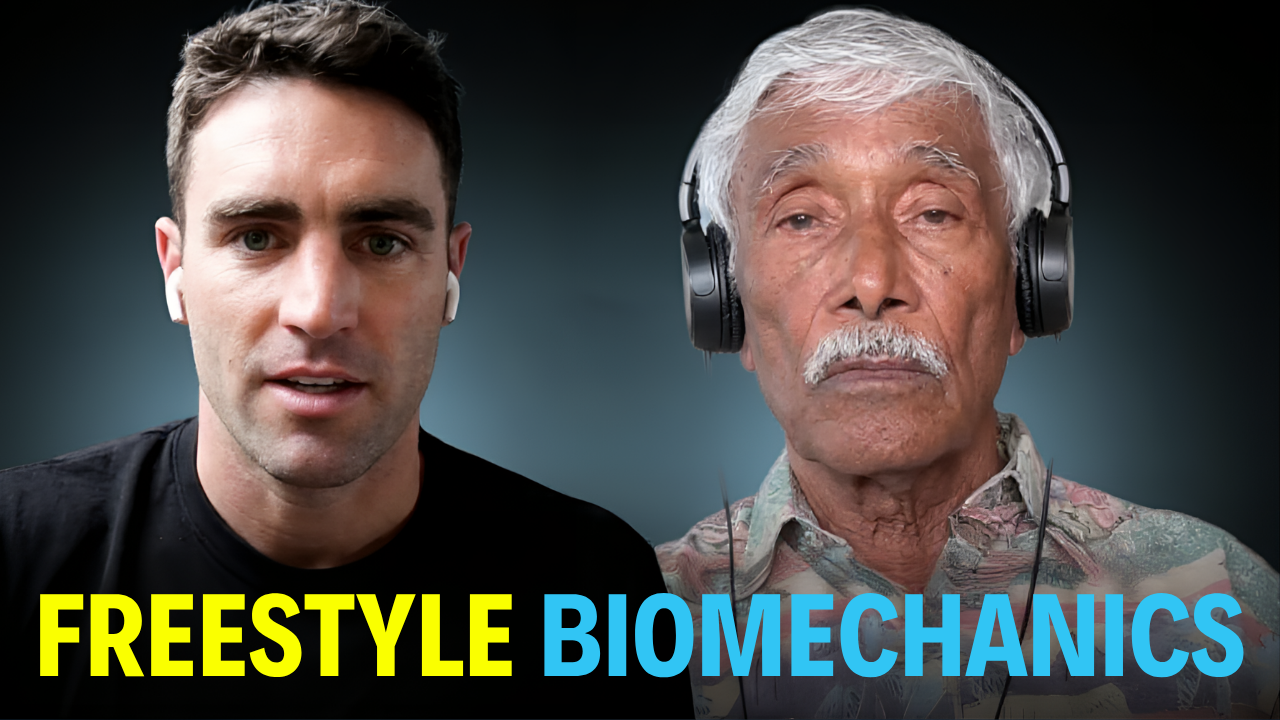








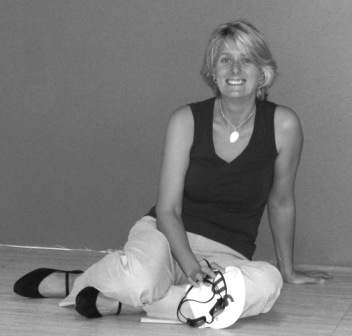
In this episode of The Effortless Swimming Podcast, I am talking to Julie Robinson. She was an elite level swimmer and today we will talk about mind training for swimming and how it fits into the swimming puzzle. Julie is a clinical hypnotherapist and a neuro-linguistic programmer. She has worked with a number of swimmers on the Australian Swimming team.
 01:10 – How did it all come about?
01:21 – A G.P. hypnotized us…
01:55 – When I didn’t use it, it wasn’t so good..
04:00 – The mind is a powerful tool.
05:40 – Tapping into skills to make it better…
06:49 – Exploring the creativity of their mind
08:00 – Visualisation + Kinesthetic Emotion = Magic
10:40 – From that emotion you transform
11:09 – Trick your mind.
12:00 – Think about the pay-off.
14:20 – Go for that One Good Wave!
15:15 – My favorite mind exercise is…
17:10 – Deal with the roller coaster of swimming.
18:28 – Kids learn quickly by copying.
19:00 – Losing is an opportunity to make changes.
20:00 – Who wouldn’t want speed?
21:46 – Be careful with superstitions.
22:53 – You need control.
23:47 – Elusive self-belief.
26:00 – Athletes who improved performance through hypnosis…
28:10 – More about how I got into hypnosis…
31:25 – Meet the Vomit Buster.
33:00 – Cleared anxiety in a 1-hour session
33:57 – To change an emotion, you have to do it unconsciously.
36:00 – The basics – Eat well. Have a good mindset.
37:45 – Life goes in waves…
40:30 – “Adults are just children with mortgages.”
41:50 – Mind Training for Swimming Fast
46:08 – Swimmers are very special people.
Get Julie’s book Mind Training for Swimming Fast here – JulieRobinson.com.au
Transcript
Read the full transcript
Welcome to Effortless Swimming, the podcast for swimmers, triathletes and coaches. Julian Australian swim coach Brenton Ford as he reveals the latest techniques and information to improve your swimming. Let’s dive right in. Welcome to another Effortless Swimming podcast. This week I’m talking to Julie Robinson and she’s not only been an elite level swimmer, she’s also a swim school owner but what we’re here to talk about today is mind training for swimming and how it fits into the swimming puzzle so to speak. So Julie’s a clinical hypnotherapist and also a neuro-linguistic programmer and she travels around the country teaching this stuff to swimming groups and swimming clubs and she’s got a lot of clients who are swimmers and she’s worked with a number of swimmers on the Australian team. So Julie, welcome to the podcast. Thank you. Thank you Brenton. I’m thrilled to be talking to you today. Thank you very much for joining me.
We’ll start with just a little bit about your background in working with swimmers and I know you’ve been in the pool for a number of years. So how did it all sort of come about? I think it all started really when I was kind of a teenager and I was swimming and this GP came to our swimming group and actually hypnotised us and actually kind of taught us how to use a visualisation that went further than visualisation. So it was kind of a deeper state and as a teenager I played with that and when I played with it, in other words I invested my time doing what he taught me, I actually had some fantastic results in my own personal swimming career as a teenager and when I didn’t use it, it wasn’t so good. So and then of course you know you kind of finish swimming and you go into teaching and you go into coaching and then you have children, get married and have children and then moving to Australia, one of our children got chronically ill
and so we ended up literally doing a last resort and contacting a local hypnotist and the results from that again sparked off my interest within using the mind for sport. So for my own personal development as a master swimmer I decided to find out more information. I actually got trained by this guy, didn’t really realise how famous he was. He runs what’s called the Mind Academy here in New South and now I teach for him so I work this stuff within my everyday life and also I work with athletes and those people with kind of stress anxiety and depression disorders. So that’s my story really. That’s awesome and I mean I’d say probably until I was sort of into my late teens I would have thought that hypnotherapy was you know that it didn’t actually work I’d never seen it sort of done before but then actually I went to a work function of my dad’s work when I was 16 or 17 and there was a hypnotist there as a performer
and he got up on the stage, he had about 12 people up there and one of those people was my sister and so he did his thing and then half an hour later there was people who were running around the centre there thinking they were Scooby-Doo, my sister was doing some kind of weird dance and I was just completely blown away about the power of hypnotherapy and I mean you see the power of the mind with the placebo effect and all of that sort of stuff so the mind is just such a powerful tool that I think a lot of consumers probably don’t use to the best of their ability. That’s right, most definitely. And those stage kind of moments, they’re fantastic for promoting hypnosis about I don’t know 20% of the population would be able to do that funky stuff at any one time but that’s kind of like the extreme area of hypnosis. For me the most powerful hypnosis is what’s called street hypnosis so there’s no particular setup to it so you can do some really fun stuff with street hypnosis
but pretty much you know most people are affected or doing or enjoying hypnosis within their world, within their everyday world anyway so if you imagine driving your car to morning training you know full well that you get to morning training and you can’t even remember driving your car or driving through a local town it’s because your unconscious has taken over at that point and you’ve gone into a trance like state, you’re in an altered state so we do hypnosis naturally throughout our day it’s just one of those things that we do every human being does and enjoys and it’s kind of tapping into those skills and making those skills better that makes a difference for athletes most definitely I mean when most people think of hypnosis they think you’re going to someone’s office and they’ll say you’re going into a deep sleep or that sort of stuff but that’s not necessarily hypnosis is it? No, not at all, not at all and you know that’s what’s so fun about it
sometimes it is like that and sometimes it’s so totally different it blows me away let alone the client every client is different, every athlete is different every problem that they come to me with, if they come with a problem is different and the solutions are so varied and it keeps the work interesting and you know the athletes that I work with they’re enjoying exploring the creativity of their mind to help them with their sport, they’re in control and that’s what they love to have that control Yeah it’s probably the best example that I’ve used myself with this was I think I was 16 or maybe 15 at the time and 12 months out from our national age championships I set myself a time for the 400 medley and not every night but most nights I would picture myself in that event racing it and hitting the time that I’d set for myself and yeah and you know 12 months later at Nationals I was actually 0.2 off getting that time
but over the course of 400 that’s still pretty close but in the race it just happened and I’d been there hundreds of times before and it’s just training your mind that way to go through those experiences like that and then seeing the results of it is awesome That’s right, that’s right The important thing about the visualization routine and one of the biggest things to be aware of is making sure that you have a kinesthetic emotion attached to that visualization so the more that you get a kinesthetic emotional attachment maybe excitement, maybe anticipation maybe pride at reaching that particular goal that you’re visualizing the more you involve yourself in that visualization the more to do that you’ve got to go into an altered state of consciousness to produce that emotion you are using your unconscious processes and that’s where magic happens that it’s literally sometimes it just feels like magic happens and because your unconscious processes
loves and adores habits and repetition because you’ve repeated that visualization every night it just thinks, yep, here we go, we’re just going to do it again that’s how it happens, it’s so easy So you’re saying one of the most important things is connecting that visualization to a feeling, to emotion and having it not just be not just be the visualization but really feeling that experience Exactly, exactly In the world of social media we have so many people writing quotes or there’s affirmations on Facebook, Twitter, etc etc but unless these things just fly by in our world very very quickly but unless you attach an emotional unless you get a feeling towards that quote then you know magic is going to happen you’ve got to have that feeling, you’ve got to have that emotion attached to that affirmation or that thought and then you know you’re rocking then, you’re off and away Yeah, absolutely I think probably it may be a good example of getting swept up in emotion
that sort of thing, a good example would be the Coney 2012 video do you remember that? Yeah where people watched I think it was a 30 minute video and they had millions upon millions of dollars funding this campaign to get rid of I think Joseph Coney and all from this 30 minute video where everyone just got swept up in the emotion of getting rid of this bad guy and then two weeks later the guy kind of went a little bit crazy and it just goes to show how much that emotion can be used to hypnotize people in a way Yeah, basically what you’re doing is you’re transforming from that emotion you transform or you make changes or you follow through on what you want to have more of in life or what you want to have so for an athlete it’s all about the emotion it’s all about that goal and that vision and that sensation and that feeling of having that goal and vision not wanting it, you’re actually tricking your mind into already having it
and what better way to enjoy having something there’s nothing better, it’s pleasurable it’s something really enjoyable to do and very very different to the pain of training or the uncomfortableness of effort in training mind training is very different, it’s very pleasurable it’s something to enjoy and something to be very creative with and that’s what I find gets me through hard training is the, I think to the payoff at the end so let’s say I’ve set a goal three months down the track doing a hard session and you don’t want to keep going but you’re halfway through the session and you’ve got to finish it off it’s thinking about how it will feel to achieve that goal that I’m aiming for, that’s what usually gets me through it Yep, very much so, very very much so even Saturday I did a workshop with younger swimmers and that was exactly the motivation they’d literally just done a 3K time trial so you’re talking about an hour of swimming
for these little ones and they’ve got to be creative in their mind to get themselves through those kind of challenges Absolutely It’s something that’s got to drive them they’ve got to have a driver or a real intense feeling to generate during those times Yeah, especially with kids sometimes it can be hard or difficult to help them link up the training they’re doing in the pool to I guess the payoff especially for younger kids who are 8, 9, 10 years old but if you can get them to associate the laps they’re doing or trying to get them to refine their skills with their kick and their body position if you can get them to link it to something bigger down the track then that’s when they will behave better and really push hard in training Very much so and the same with us adults as well we need to know the reason behind why we’re doing something when we know the reason behind why we’re doing something then we’ll follow through quite happily
if we know, like you say there’s a payoff if we know that what we’re going to get at the end is going to feel phenomenal for us we’ll certainly go through a bit of pain to feel phenomenal you know, you’re not even going to question it you’re going to do exactly what your coach says and you’re going to put so much effort into it as well Yeah, that’s right a good example of that is when I live here in Melbourne and myself and a few friends normally go surfing each week and it’s between an hour to an hour and a half drive on the way down and an hour and a half back as well so it’s a big trip in the car but what we’re really going for is just that one good wave that feeling of getting barreled or whatever it is we’re willing to give up three hours in the car just for that one feeling Very much so, very, very much so and if you can tap into that feeling that car ride just goes so quickly Exactly right There before you know it
if you’re dreaming and creating on the inside of the mind your mind, that barrel and that particular wave that gives you that thrill and that feeling you won’t even notice the car ride it’s done, you’re there already so yeah, enjoy it, that’s the way it is, that’s your mind So what are some of your favourite exercises that you go through with swimmers some mind training exercises or getting them to connect that feeling with their training and all that sort of thing Probably one of my favourite exercises because I’ve noticed a big difference between elite athletes and that kind of lower level athlete and the big difference I noticed is that the elite athletes they know how to manage disappointment they’ve learnt how to manage disappointment so probably one of my biggest patterns that I use which is actually in my book is dealing with disappointment because the reality of the situation is Brenton you’re not going to have all the time fast races
you’re not going to be doing PB’s all the time so it’s a matter of being able to know what to do when those races or those particular sessions happen that leave you a little bit I don’t know frustrated or disappointed or and that’s probably one of the biggest things that I have put out there so much I’m certainly on a mission I’m on a mission for these swimmers to be enjoying this sport so much more and like I say one of the things I do my favourite things is dealing with disappointment Yeah that’s such a big one I mean through my coach I’ve worked with a lot of parents who coach their kids and they’ll come to me and say well Jimmy hasn’t improved in 4 months he did a 221 3 weeks ago this week he did a 230 so he went 9 seconds slower I don’t know what’s wrong with him and it’s just as you said no one’s going to have a great race all the time sometimes you will go slower than your PB you’re not going to hit it every time
but it’s just learning to deal with the rollercoaster of swimming sometimes you’ll swim well, sometimes you won’t but you’re just looking for that gradual improvement over time and to learn from a bad race and understanding that you can’t be on the ball every single time and that’s something that I try and get across to parents is that don’t worry if your children’s times are up and down especially if they’re 10, 11 years old they’re still figuring out pacing they might have been tired from the day before where they ran running around with friends and all that sort of stuff it’s learning to control your emotions when you don’t go so well yeah very much so I do a lot of work with parents part of my workshops is actually talking parents as well because really and truthfully they haven’t learnt how to manage their own disappointment if they aren’t literally showing a wisdom model in their life in other words if they’re not following through on that wisdom
then kids copy that’s how they learn and they learn really quickly by copying the parents have a responsibility to teach their children it basically boils down to the fact that most human beings learn more from their mistakes than they do their successes when you win or have a great race yet you just enjoy the feeling of it when you lose or the race isn’t so good then that’s the moment that is magical to me because that is the moment where you’ve got an opportunity to make changes and that’s the moment where you can really tap into some special stuff because that’s the moment where you start to progress it’s good having a bad race or a bad meet every now and then to find out where you need to improve exactly exactly that’s one of my biggest things the other thing that I love installing in my athletes is just sheer speed so using the mind the state of mind to produce speed and that’s pretty simple stuff it’s nothing complicated
again there’s a chapter in my book called the speed enhancer so what you’re doing is creating a sensation a feeling in your body a state that you know produces speed and you’re literally tapping into it whenever you want to and you know who wouldn’t want speed literally every athlete is gagging for it so it’s easy to do easy to set up and swimmers just love it whatever age they love it and you’re using almost like a pre-race ritual for that sort of thing you can do depends what they come up with in my book there’s a particular word attached to the speed if they have a one-on-one session with me then it’s a lot more created and a lot more personal to them so I’ve got Olympic gold medalists in races and I can actually see on the video of their race I can actually see when they access their speed enhancer that’s awesome I can actually see where they flick the switch on the inside of their mind where they press the button or whatever it might be
where they literally access those memories of state that are connected with speed or going to a next level and that’s why you see guys like Michael Phelps he’s got the same he’s got the same look pretty much every time the 10 seconds before he gets up onto the blocks he slaps his back twice and he’s ready to go and those rituals are great they’re wonderful you’ve got to be careful with those superstitions with athletes as well because those superstitions you need to be able to have full control over them so a lot of athletes set up superstitions or rituals that sometimes don’t work and I don’t like them I like the ones that you know you have full control of so that each and every time they’re going to work so you know it’s good to have those rituals because you’re stepping up you’re setting your state ready to perform and I see it a bit when if swimmers don’t get their full warm up done let’s say they get to the pool late and they do half of their warm up
because they didn’t have time to do it before they race
there are swimmers who can deal with it they say okay that’s okay I’ll just give it my best shot anyway and sometimes they perform better because they were doing too much warm up before or some swimmers will just they’ll get in their head that they just can’t they can’t race well because they haven’t done for the last 2-3 years that’s right and so you know it’s knowing you need control those rituals that you do you need to control off and then just drop the rest of it you know whatever I’m sure if you went back in that swimmers past they would have produced very very fast races in the past where they had no warm up at all yeah that’s right they would have those resources available to them and I think it was Gary Hall Jr who did I think it was the 2000 Olympics for the 50 freestyle he did one lap warm up before the 50 freestyle final and he got out and said yep I’m feeling good and he’s ready to go and that’s a completely different
frame of mind yep it’s fantastic so I like that because what he’s doing is challenging the beliefs out there the other area of my work is that elusive self-belief so I always say to swimmers if your coach says to you you need more self-belief ask that coach how do I do self-belief what would your answer be to that question basically self-belief comes from 2 areas interpretation and evidence so evidence would be your coach showing you a time on his clock and saying wow you can do it in other words the evidence is there to say that you can do it so believing is knowing something is true so by evidence of putting that training in and hitting those training times it literally gives you that belief the other way of doing self-belief is by interpretation and that’s a whole different ball game that is a workshop in itself interpretation is your perception on the world as it is so it’s probably not something I would go into now with this podcast
I’d probably need about two and a half to three hours to do that one so something for the future how about that Brenton? sounds good every client I work with pretty much every athlete that I work with get to the self-belief they have to work on belief because again they need control they need to know that the reality of the situation is things aren’t going to go their way but if they’ve got the creativity to create different interpretations at the time they’re in a very very powerful situation and what about some examples of people who you’ve worked with who have been able to change have better performance or change the direction they were going through hypnosis and NLP very much so I mean the names they particularly come to mind Mel Schlanger Mel Schlanger came to see me probably two years out of London Olympics and at the time she was overweight she probably wouldn’t have even broken a 60 in the 100 freestyle
she did not have any belief in herself
she was struggling really really struggling and it was an absolute thrill for me to see her make that team and produce what she did produce at the Olympics Chris Wright her partner as well Brittany Elmsley that I’ve worked with in the past so but it’s not about those big swimmers for me it’s kind of the ones that are under the neath that are kind of just knocking on the door of either they just join the Australian team or they’re on their way they’re on the junior teams and also the ones that are just making national qualifying times and those state swimmers they’re working towards getting state qualifying times it doesn’t really matter to me because each one of those athletes are individuals and I want the best for them most definitely it’s exciting working with the elite athletes it’s very different I’ve got a whole heap on the open water team the Australian open water team they even race each other and they’re clients of mine
you know I’ve got one on the Australian open water team that saw me three years ago with chronic fatigue and literally written herself off and now she’s back on the team it’s there’s a lot you can do a heck of a lot you can do can you go into a little bit more detail on your child who was sick and you saw a hypnotist like the one that sort of got you into this field so what was the story there my child my daughter she had a chronic back issue she was actually bedridden they told her that she had a form of arthritis and I investigated seeing this hypnotist in town that someone recommended to me and we had to get her out of bed to go and see him and Brenton my kind of thought about a hypnotist at the time was an old man in a cardigan with glass beads you know what I mean you know he’s smelling musky and whatever anyway we got her out of bed we eventually got her into his office and there’s this charismatic 30-something young man and
he literally had her pain level from 8 out of 10 down to 0 in 20 minutes of that session and I hadn’t seen my daughter out of pain probably for three months Jesus and when something like that happens you can’t help but pound the man with questions how did you do that well did you do tell me more and I was so curious and fascinated to suddenly see my daughter from pale and grey suddenly have colour in her face and brightness in her eyes that I hadn’t seen for so many months and I was actually bawling my eyes out as you can imagine and he saw her a couple of times after that and then we investigated an MRI scan with my daughter and there was nothing there at all physically wrong so her GP suggested seeing a psychologist
and so I rang him again I rang the hypnotist and I said well they’ve recommended a psychologist nah bring her in to me I asked her that’s amazing yeah we took her in again for another session and she literally from that moment she literally just got better and better and better and then the next minute she’s moving to Sydney and living a life on her own in Sydney as a 17, 18 year old and following her dream I couldn’t thank him enough it was fantastic to see your daughter transform after being told by so many doctors that she’d have to manage and cope for the rest of her life yeah I can see why that got you interested in the field that you’re currently in that’s an amazing story yeah
I use the work that I know specifically for athletes but there is another very important area of my work and that is stress, anxiety and depression disorders
for athletes I’m actually known as the vomit buster so there are some athletes out there that have a little bit of a vom-vom before they perform and I kind of made my name in the swimming world as the vomit buster so you know, anxiety is one of those disorders that I work extremely, seem to work extremely well with so yeah and I mean it’s I see it a lot in instruments it doesn’t matter if they’re at national open competition or even if it’s trying to get a state time some people put a lot of pressure on themselves to live up to whether it’s parents’ expectations or their own expectations and they can really psych themselves out and can be sick because of it so I say a lot in swimming and I’ve got no doubt it’s in a lot of other individual sports as well oh very much so I do a lot of that kind of thing and you know wonderfully so these athletes have investigated trying to change consciously with a psychologist or a psychiatrist
but that kind of behaviour is completely unconscious it’s not something you can control consciously it just comes upon you that’s the nature of anxiety and you know there’s no point in even trying to change it consciously you’re just heading down a long long long long long pathway
I’ve even worked with swimmers I don’t really like to say this but I have worked with athletes who have a problem in one hour in a one hour session some it takes a little bit longer but it has been known it feels like like a miracle that they can compete without vomiting before they compete before they perform well it makes sense I mean if you make that if that change is made the change is being made so it’s not necessarily going to take them six months to get rid of this problem when they’re working with someone like you and you know those emotions are produced unconsciously so your unconscious is the generator of all your emotions if you want to change an emotion or a sensation or a feeling you’ve got to do it unconsciously so and you know that’s the that’s the geek that’s it and it just is what it is you see with say like a four minute mile when one person breaks it that gives everyone else the subconscious belief that it can be done
and then so many people got under it the next year so it’s just one little change can make a huge difference for a lot of people so it’s the mind can be very limiting but it can also be very powerful when you use it the right way like changing your daughter’s her back pain so it’s amazing yeah all of a sudden she was in control she could control it and you know there’s a tremendous amount you can do I mean just a few weeks ago on a course so these kind of courses you’ve got psychiatrists, counsellors, psychologists even GPs doctors coming in to learn how to hypnotise and you know doing medical hypnosis where you’re actually removing pain from the body and you know you can do some seriously cool stuff just using your mind yeah and I really like that approach to things I mean I know there is a need for some pills and that sort of stuff when you’re a doctor you do need to prescribe some medicine but I think a lot of it comes from the mindset of people
and the diet I mean I think doctors probably can’t tell people that well you need to cut the crap that you’re eating and have a better diet but you know just the basics is you know eat well, have a good mindset that can do so much for a person to change how they’re feeling very much so and you know there is a chapter in my book which generates the dopamine to feel good hormone you know you can literally use your mind to produce those serotonin moments and the more you generate that the more you’re filling your body with you know wonderful sensations and that sets you up for you know a much less stressful life you’re enjoying your life and you know you can do it so easily the mind is a very very simple machine or more to the point Brenton I like to keep it simple there you go well I mean you’re a good example of that you’re known for your smile you’re hardly seen without a smile on your face and you’ve organised yourself in a way
where you can teach something that you love doing and you travel around Australia originally from the UK around Australia and teach this stuff to different groups and swimming clubs and I mean I think it’s really important that the person teaching sort of lives by what they’re teaching so you’re a great example of it well you know I do have those moments where I’m not so happy but I feel more of the ability to have a choice at that moment so you know our life goes in waves sometimes you know swimmingly well and then it kind of drops down but I would say from the knowledge and working in this field that my default level has lifted so I’m generally more happier, more relaxed in my life certainly working towards more of what I want to have in life so I’m eternally grateful eternally grateful for being given the opportunity to learn all this stuff that I’ve learnt I mean it’s changed changed me in the last 8 years you know those people
those friends and family that knew me before I learnt all this stuff they know how much I’ve changed and you know you can do it easily you know it’s just because it feels good then of course you it’s not hard work so it feels effortless so it’s like racing that wonderful race that just feels so effortless and it’s magical and then you produce a great race you’re spinning good feelings so you just want more of it it’s wonderful when you get to have more of it well I love this sort of stuff anything involved with performing better and mindset I think I was 12 years old when I found this book on my dad’s bookshelf I think it was called something like the 12 ways to be happy or something like that and I remember one of the exercises was close your eyes and picture your ideal destination where you’d most love to be and it would just get you to involve yourself in that environment and so I use that from when I was 12 onwards when I wasn’t so happy
or if I was on a plane and I was bored and I had nothing to do then I’d just picture myself in my ideal situation and just kind of travel there for a moment and it’s that can have such a powerful effect on your state of mind and how you’re feeling very much so as adults we kind of think that we can’t do that anymore because it’s a bit silly and we’re an adult now we have to be sensible but really and truly the most successful people in the world are those that have that ability still to create on the inside of their mind and they might not tell everyone how they do that creativity inside their mind but they are doing it just like they did when they were a kid absolutely my dad’s favourite quote is that adults are just children with mortgages and I think that’s so true if I come across someone who tries to be who’s trying to be too very professional and just a little bit up themselves so to speak I find it very hard to connect with them
just let your guard down have some fun don’t need to be serious all the time that’s just one of my pet peeves people who are trying to be very strict with how they conduct themselves enjoy yourself and just be happy it’s not that hard that’s right and that happiness that you generate it rubs off on all the people that you come into contact with and you can’t help but build this vibe around you people enjoy that they’re attracted to it and it makes magic in the world it really does make some serious magic in the world you’ve written the book which we’ve spoken a little bit about mind training for swimming fast can you give people who listen to this the details of where they can get your book and if they’d like to book in for some one-on-one sessions with you or if they are a member of a swimming club or a sports club and they’d like to get you in to talk to their group how can people get in contact with you cool I have a website
it’s a very very simple website guys it’s just me it’s only me so it’s www.JulieRobinson.com.au on that website it will give you pretty much all the information that you need to know the costs and where the clinic is on the Sunshine Coast there’s also a page called Products in that page you can purchase online with PayPal payment for my book it’s $20 I do travel around if a swimming club is interested in having a workshop or a gathering or having me speak then just contact me through the website and you know I’m very very good at creating trips for myself to head off in any kind of direction around Australia to create those workshops so the opportunities are definitely there for one-on-one sessions I work mostly primarily up the Sunshine Coast of Queensland however I do see clients Brisbane, Gold Coast and then of course if I’m travelling around once a year I try to get to Melbourne to see clients in Melbourne and also I travel a lot quite a bit
down to Sydney as well so definitely there’s opportunities there check them out and the website and the contact through my website Fantastic, so if you’re a member of a swimming club if you’re a coach or a parent or someone who’s got a little bit of sway in the club I highly recommend getting Julie out to speak to your group of swimmers it doesn’t matter if they’re young kids or they’re masters swimmers it’s a really good thing to do as a kid growing up as a member of a swim team we had a lot of speakers in whether that was nutritionists psychologists or mind trainers it’s just really important to educate your swimmers in all these important skills in life because they’re not going to get it from school they’re not going to be taught that sort of stuff they’re not going to be taught the most important skills of being a person so if you can organise that as a coach or as a parent then you’re doing a big favour for members of your swimming club
so Julie thank you so much for being on the podcast You’re welcome remember there’s not one swimmer out there that’s done it by themselves they’ve had to have a support team around them so and like I say I’m on a mission I am on a mission to produce wisdom model athletes that when they do retire they are happy healthy and ready to investigate you know other things in life other than swimming there’s a lot of problems out there that athletes are you know having trouble with and as we know in the press and the media so I’m definitely on a mission to change things out there for swimmers and yeah it’s very much needed as we’ve seen in the last couple of months with especially elite level swimmers so yeah and then that filters down to swimmers who aren’t necessarily international level athletes it’s about teaching people that there’s more to life than just swimming but give it your best shot while you’re at it but teach them
the other skills that they need in life so that they can succeed when it comes to business or work and family and really just train them up in all of those different things to show them that you don’t want to have swimming as your life it can be a really important part of your life but they’ve got to be trained in the other aspects of it too that’s right that’s right it’s so important you know swimmers are very very very special people they are seriously special and you know those special qualities that they’ve learned to do through all the training and the competing, racing and preparation that they have to do you know can put them into you know puts them into a great position ready for other challenges in life and I find that I have a I get on really well with anyone that gets up early it’s a just because of the I’m not necessarily respected I have for people who get up early but there’s a common understanding amongst people who do get up
at five o’clock in the morning to go and train whatever sport they’re doing and especially growing up at school you know kids who are struggling to get to school by nine o’clock because they woke up at eight forty five it’s very hard to connect with them because they’re just living a different kind of life and you know one that’s not quite often is not as as driven as other people so yeah I find it very easy to get on with people who are who can get up early and do stuff like that so it’s you’re right there Brenton that’s so funny you’re right that’s cool so alright thank you Julie grab a book Mind Training for Swimming Fast from Julie Robinson dot com that are you and no doubt we’ll have you back on again fantastic thanks very much Brenton it’s been great fun thanks for joining us on the effortless swimming podcast to get transcriptions bonus videos and to be the first to hear about new episodes go to swimmingpodcast.com