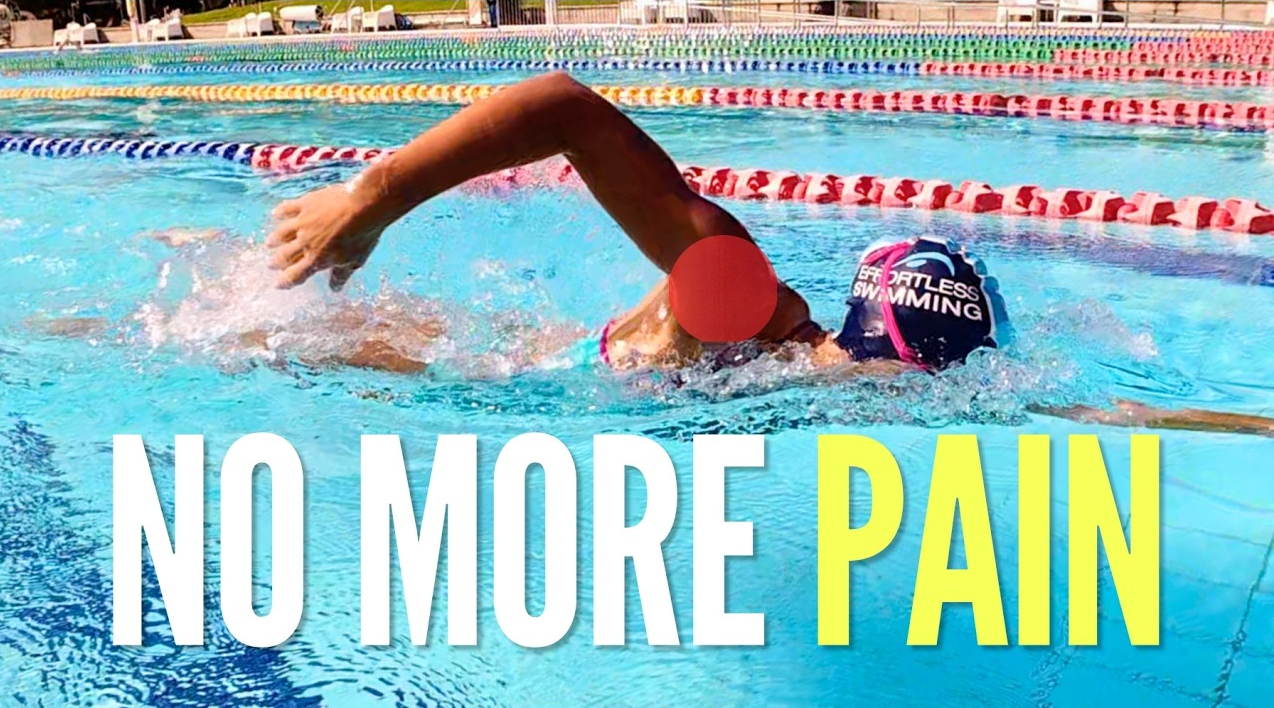









Want your freestyle to feel easier and more efficient? In this episode, we break down 3 simple steps to help your swimming “click”—improving your body position, creating a better catch, and using the back end of your stroke for more propulsion and smoother timing.
Swim faster, reduce wasted effort, and make every lap feel easier.
00:32 Step 1: Get Horizontal and Reduce Drag
02:10 Step 2: Use an Open Armpit
03:24 Create a Better High-Elbow Catch
04:11 Step 3: Use the Back End of Your Stroke
05:19 Improve Your Stroke Timing
Transform your freestyle to be effortless and smooth with online video analysis:
https://effortlessswimming.com/courses-membership/
Try the new Nanoclear Anti-fog Goggles: https://bit.ly/nanocleargoggles
Transcript
Read the full transcript
Welcome to the Effortless Swimming Podcast to show that help swimmers and triathletes love the water, become a better swimmer and live a better life. Here’s your host, Brenton Ford. If your freestyle feels like it’s way more effort than it needs to be and you find yourself gasping for air at the end of each lap, in this video I’ll share with you the three things that can help make your freestyle feel very easy like it’s almost no effort and that way you can swim for way longer without having to stop at the end of each wall. Now the first step with getting our freestyle to feel like it’s almost no effort is to get our body in a way where we can be horizontal because the first thing we need to minimize is drag. Now in order to get horizontal the step is to get long and narrow and streamlined with the body. Now the way that we do that is we think about going from our head to our toes as being really long and in order to do that we think about being a little bit open
through the chest. Now open means instead of closed, you think of someone who’s hunched and rounded, got a big curve through their shoulders and their back here and they lose a lot of the core connection and control here. That when we think about being tall and proud and we lengthen through there not only do we get more streamlined but we also find that our core, these deeper core muscles can engage and that means that we hold this firm and that way everything connects so much better than if we are hunched and rounded. So think about how would you be with good posture out of the water and that’s going to be tall and proud and open through the chest. Now don’t go too far, we’re not doing that, that’s a bit awkward but just this sort of neutral comfortable tall and proud position and we find when people do that they tend to feel like their head and their hips and their heels are all at the surface of the water and that is the first step in swings
to make sure that we can find our balance in the water and get horizontal. So we always start with that. When we look at some people who have come to our Maldives camp for example a lot of them started with quite low hips and legs even in the ocean where there’s really good buoyancy and so when we worked on tall and proud that was the first step to help them bring the hips and the legs up and if you can feel your heels tapping the surface of the water that’s a pretty good indication that you’re probably sitting quite well in the water. Now the next thing is a bit of a strange one but it is open armpit. Now we want to think about having open armpit above the water and open armpits under the water. So what does that mean? Now our recovery is when our arm comes over the top of the water. Recovery should be relaxed, should not be hard, should not be tense so we’re relaxed with this recovery over the water but we’ve got to recover with an
open armpit and open means this elbow is going to be pointing mostly to the sky this is open instead of closed. If you’re recovering with this closed elbow it’s very awkward on the shoulder which we sometimes see that people sort of coming like this and that causes a lot of zigzagging or snaking with the body so we like to think open armpit show that to the side of the pool as you’re coming through gives you this nice high elbow recovery and it allows you to then enter with your fingers first and your elbow up and what happens from there is that from that position you can then extend forwards under the surface of the water in that last little bit and that carries this momentum of your arm because it weighs a few kilos out of the water here you carry that momentum in and out in front and that allows you to get this really nice timing and rhythm with the stroke so we open up the armpits over the water that’s step one now the next step is
once you’ve extended forwards and you’re about to initiate your catch this first movement here we want to think open armpits again that just means we are looking to turn this elbow in this direction open up that armpit instead of close it and what happens with that and this is really important is from there it’s really natural to then just get the hand going down when the hand goes down from that position you can see how I’ve got what will be called a high elbow position and all that means is that and I define this as if you’re if you draw a line from your shoulders here fingers this elbow is higher than that line as you can see now from there we can then press back on the water because our hand and forearm creates this big paddle that we push back against the water that creates drag that we’re pressing against and that propels us forwards so it helps you get into a high elbow catch really easily without much effort without anything really
awkward with the shoulders and that’s a huge step and we’ve been here in the Maldives on our swim camps here so many of the swimmers here started with either a really straight arm recovery or a dropped elbow position they weren’t getting much of a hold so they weren’t traveling very far with their strokes but once we worked on just a simple cue of open armpits that allowed them to naturally get into that position so it’s a simple cue and if you set yourself up from the beginning then it’s so much easier to get in the catch as opposed to thinking about like elbow high or pull straight back or doing anything awkward and uncomfortable with the shoulders and the third step to having your freestyle feel like it’s almost no effort is think about using the back end of your stroke so this push here your palm facing backwards towards your feet using that thrust to help power the reach and extension there so it’s
not only about trying to get at the catch like we looked at but we also need to make sure that at the back end of the stroke here that we finish past the hips so we’re not coming out short and early here we need to keep that pressure on the hand to press back past the hip and that’s going to give you some nice propulsion at the back which will help you extend forwards that armpit open and then roll into that catch position now sometimes you find people finish short they’re finishing at the hips and they’re like I don’t know why it’s so hard I don’t know why I’m getting passed by these people who aren’t as fit next to me but when they think about that thrust at the back and that extend forwards there that helps them get these longer strokes and generally longer strokes mean you’re swimming faster so use that thrust at the back to extend that then helps you with the timing of the stroke so if you think of some of the bestsmas in the world you can see some footage of
amazing swimmers here they have this timing to the stroke that timing’s not one two one two it’s not this windmill it’s not this really fast cadence and turnover they’ve got this rhythm to it that’s almost like a waltz and track Tracy Bowman I’ve got this from is it’s like a waltz we’re going one two three one two three one two three one two three not one two one two so ride out on that lead arm for a little bit as you thrust at the back and that’s going to help you get this nice tempo where everything’s connected otherwise we end up spinning the wheels and wasting our effort so if we can do that then it means it is so much easier to swim for almost no effort and not only is it faster it’s more efficient but it is way more fun and if you’re looking to improve on your own stroke check out our eight-week class freestyle course in the description below thanks for listening to the effortless swimming podcast if you’d
like us to help you become a faster more efficient swimmer go to www.effortlesswimming.com