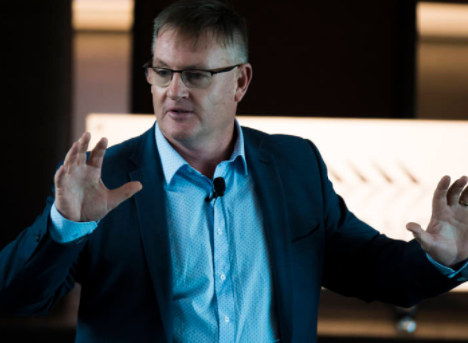









I’ve known Grant through mutual friends for a quite a while. He is a Triathlon coach and to me, he is one of the best coaches that teaches and coaches a lot base on Mindset, Intuitiveness, and Beliefs. In the podcast, we talked about a lot of different topics from How to Change your Structured Beliefs, the methods and the questions that he asks his athletes in order to get them to change their beliefs. We also tackled overplanning races and how many people are too guarded and protective with the races that they do and following that plan to a tee can sometimes work against them as opposed for them. We talked about mindfulness and how you are better off focusing on the process in order to get in to flow.
Transcript
Read the full transcript
Welcome to the effortless swimming podcast. This is episode number 108, which is called race on instinct and avoid overthinking with Grant Giles. Grant’s a, well, I’ve known him through mutual friends for quite a while. He’s a triathlon coach. And to me, he’s one of the best coaches that teaches and coaches a lot based around mindset, intuitiveness and beliefs. And we talk a lot about that sort of stuff in the podcast. It goes for quite a while. It’s probably one of the longest podcasts that I’ve done. But for good reason, we talk about a lot of different topics from how to change your structured beliefs and the methods and the questions that he asks his athletes in order to get them to change their beliefs. We talk about over-planning races and how many people are too guarded and protective with the races that they do and how that following that plan to a tee can sometimes work against them as opposed for them.
We talk about the dichotomy of mindfulness and how sometimes you’re better off just focusing on the process in order to get into flow. We talk about how many athletes make excuses as opposed to changing their belief systems if they want to get better results in their races. And one of the things that the Grant says in one of the articles that he wrote recently was the outside situations we stew over as athletes are not responsible for the pressure we are feeling. So he’s basically saying that the pressure is something that we make up, but it can impact us in the wrong ways if we let that pressure play out and impact us too much. So we talk about that. And we also talk about going about training, going about racing on intuition as opposed to following too much with the data. Yes, that is good, but we don’t wanna have that be the primary driver as opposed to developing the intuition around our pacing and how we’re feeling and listening to our body
and our gut when it comes to racing. So let’s get into the podcast. This is Grant Giles, triathlon coach. He also runs workshops around mindset and mental training at sportsupports.com.au. So I recommend checking that out. If you or anyone you know would like to attend a workshop and develop your mental strength and mindset around sports. Welcome to the Effortless Swimming Podcast to show that help swimmers and triathletes love the water, become a better swimmer and live a better life. Here’s your host, Brenton Ford. Welcome to the Effortless Swimming Podcast. My guest today is someone who I’ve had on before, Grant Giles, and I really enjoyed chatting with Grant last time. A lot of mutual friends that we have just through triathlon. And I know a lot of your athletes quite well too, Grant. So thank you for joining me back on the podcast. No problem. Thanks for having me again. I got in contact last week because I’ve sent a lot of the posts that you’ve been doing
recently just about coaching in general and belief systems. And from the last podcast that we did too, I really liked the way that you approach triathlon and sport in general. And I think it’s, you’re a very, do I use the term mindful coach? You think things through very deeply, almost in a philosophical way, which I really enjoy. And I like that, especially with the approach that you take for fear coaching. And I mean, you’ve got quite a few good athletes that you’re working with and you’ve been in the sport a long time. What sort of stuff have you been, I guess, talking about recently with your athletes and with other coaches? Is there anything that’s sort of come about recently that’s been stood out to you?
Yeah, I think, well, in my experience, the big thing in sport
that I’m seeing at the moment across the board of all levels is how people deal with their belief systems. And the feedback that I’ve gotten from other coaches
about their athletes’ belief systems and how to keep their athletes engaged because lots of people are so scattered these days, but the belief system component is a societal constraint
that we’ve all got, that we grew up with. So it’s kind of, it’s trying to line athletes up, I think, to get the best out of themselves without being boxed in by this rigid belief system that we all can’t help growing up with, if that makes sense. What are some of the negative belief systems that you’ve seen with, well, I guess with age groupers and with professional triathletes? What are some of the really common things that you see holding people back? Well, self-judgment. I mean, that’s the big one. Self-judgment for athletes is, it’s a really destructive thought process. And it’s a thought process that we learn growing up. It only takes one person, somewhere along the line to say, you’re not good enough, you’re not fast enough, you don’t have the right body type, you don’t have the right psychological structure, and boom, that belief becomes part of that human. And because as human beings, we kind of tend to define ourselves by what we think,
we think that’s what we are. So when you say to yourself, I’m not enough, I’m not, my body type’s wrong, I don’t have the right psychological structure, that belief system is what you believe you are. And that’s the limiting part of that whole dynamic. It’s so destructive for athletes. I’ve seen that a lot, especially in swimming coaching. I’ve seen age group or junior swim coaches
say some stuff to kids, which is just not helpful. So coach is saying to a 14-year-old girl that you need to lose weight if you wanna get faster. And stuff like that, it’s just not productive, and that can really stick with someone for a very long time. And I think the way that, well anyone, but coaches in particular should approach this stuff is, you’ve gotta think a lot about the words that you’re using and the way that you’re saying things. And it’s how I try and I’ve sort of been looking into parenting quite a bit as well. And now that I’ve got a young one, and just in terms of encouragement, is encourage the effort that he puts in and not so much the result because it’s more about giving your best working hard than about the actual outcomes that you achieve from it. And yeah, and that self-belief,
I talk with a lot of coaches like yourself about this sort of stuff. And it’s something that on a daily basis I run into as well when I’m with my own training. So what sort of stuff do you like to, I guess, what questions do you ask? What do you do to help change the belief systems of your athletes? Well, I mean,
I think one of the biggest things is getting people to look at outcome in a different way. So instead of looking at the goal and the outcome, the simplest way to put it is your outcome is a product of your focus.
The outcome is a product of how much, how present you can be during an event or a process, and that’s how you get the best out of it. So if you’re future-based or past-based during that process, the outcome isn’t gonna be what it could have been. And that includes the way you think. Like if you think I’m not good enough or I don’t have the right body type, like we talked about just a moment ago and you’re projecting that into the process, then you’re disconnected from the process and you’re not able to reach your potential. And I think that’s the important thing. And the other thing is what I’m trying to do with my athletes right now is get them to understand that the belief system structure that they have is not the definition of what they are. You can actually separate the two out without wanting to get too hippie about it. Like you can actually, at the core, we are a field of awareness. I mean, that’s what even meditation teaches
is that we are a field of awareness. Then you have this belief system and a thought structure that is based on all your experiences that you’ve had growing up. So what I try and get people to do is see that, yes, what you think is there, but it doesn’t have to affect you. And the most important thing that I try and teach our athletes at the moment is that you are the master of your thoughts. The thoughts are not the master of you. And a lot of people are victim and slave to their thoughts, but the thoughts just go around in circles. There’s no real intelligence to those thoughts. The raw intelligence is in the connection to the performance or the connection to the training session. So really what I’m trying to teach people in training is to just get conscious with your training. Be in your training, in the process, in the felt sense, and don’t let the negative belief system affect the moment that you’re in, if that makes sense.
Yeah, that’s good.
And it often takes someone like yourself to say that to someone like it’s, you say that and it seems, oh, okay, well actually that’s quite obvious if you think about it that way, but when you’re in the thick of things and you’re training hard and you’re racing, you don’t think about that sort of stuff. And so if you can have someone like you explain it, thoughts are just thoughts that doesn’t define who you are. It’s a really good way to, I guess, step out of your head, which is really easy to get stuck in as an athlete and to be able to just make that small shift in how you think about things. And I did a podcast recently, which is sort of along the same lines, is basically the way I like to approach training is like you’re driving a manual car. You should sort of be thinking about things that’s when you should be focused on your stroke and it’s okay to be sort of thinking a bit more, but when you come to race,
all the thinking should be done. So you can just go straight into autopilot and hopefully just get into flow and let that intuitiveness of your pacing and your race skills and your competitiveness just come in without thinking about things. And it’s a hard thing to master, but I think with enough practice and approaching it the right way, for me at least that’s when I’ve seen the best results is when I’ve just let all the thinking happen in training. And so when it gets to race time, just focus on effort and pace and just kind of be in the moment as much as possible. 100%. I mean, that’s perfect. That’s exactly how I feel and think about what we’re doing as well. What the purpose of your training is to make your racing automatic. So your mind is just free and empty and you can just be aware of your surroundings and then you can make intelligent decisions, not decisions based in fear or self-judgment or any of those kinds of things.
So I think that the challenge for us as coaches is to make our athletes conscious of their own unconsciousness. I’ll give you an example. It’s been, I know in Melbourne there’s been some really hot days and it’s been stinking hot up here. Like this is the hottest summer I can remember in 12 years. And I keep saying to people, take water with you. Well, how do I take the water? Just, I don’t know, get a water bottle carrier and take a water bottle carrier or just hold the bottle in your hand, just carry the water bottle. No, no, that just doesn’t feel good to carry a water bottle in my hand when I’m running. So I don’t take it. But the fact of the matter is in a race, you’ve got every single kind of situation that you can imagine can unfold and does unfold. It’s that varied, it’s crazy. And if you’ve got a structure where your belief system is telling you, I don’t wanna carry a water bottle because it’s uncomfortable,
what’s gonna happen on race day? You know what I mean? That the race is gonna throw at you whatever it can. And it’s how if you’re completely accepting and okay of what’s happening, then you’ve got a much better chance of getting a great race out. And here’s my wife, Christy, told me this story the other day. She used to be an adventure racing team with John Jacoby. John Jacoby was three time world champion kayaker. And he had this situation where he’d been in a race and everybody would be sitting in his wash and he got fed up with it. And they do these portals where they have to run with their kayak. So he got the idea of going to the track and running 400 reps with his kayak on his shoulder and everybody was laughing. But he proceeded to win three world titles, three years in a row because he gapped everybody in these portages. I mean, that’s portages and that’s what that is the definition of somebody who’s aware enough
to go, what do I need to do here? What could I do that nobody else is willing to do? And when you’re the slave to a belief system that there’s not enough intelligence there for you to see those gaps, to see those opportunities. Yeah, that’s, I like that. That’s what I try and do with the athletes that I coach as much as possible is, you wanna be prepared for as many situations as possible. So it’s okay to, for example, myself and another friend,
we were training on Monday. So we’re training for the roto swim in a week and a half. And this was, we had one more long swim to do and the weather or the wind was right up on Monday. So it was like 30, 40 k an hour. It was choppy, it was cold, it was miserable. But we just, we thought, all right, we’ll go out there and we’ll see how long we can sort of last with it. And it wasn’t fun, it wasn’t enjoyable, but I know that I could do two hours fairly comfortably in very average conditions. And it’s same with swim coaches that’ll have their swimmers do an all-out 50, all-out 100 with no goggles because what if your goggles come off after the dive? And just things like that, but pay yourself to have things thrown at you during a race and it’s the confidence that you get from training that you know you can then carry out into a race. And one of the posts that you did recently on Facebook was about so many people are guarded
and protective with the races that they do. Everything’s got to be perfect and lined up and planned. Whereas one of the things that you mentioned was don’t worry too much about that. Just let the, you know, race intuitively and there’s no need to over plan those things because things will probably not go to plan and people tend to put a lot of pressure on themselves when they’ve got this very structured plan to follow. Yeah, people, I mean, what I’m seeing is people are in judgment of their race plan as it unfolds. So they’ve got a race plan for the swim. They’ve got a race plan for the bike. They’ve got a race plan for the run. They’ve got a race plan for nutrition. You know, and that’s okay. Like you can have a rough plan, but once the gun goes off, that thing should unfold instinctively. And whatever you’ve trained should surface instinctively, which gives, which loops back to your training. If you’re in judgment of your training,
you can guarantee you’re gonna be in judgment on race day. So the intuition is really important because the judgment is taking you out of the process. It’s taking you out of what you’re trying to achieve. It’s taking you away from the goal and further away from the outcome. And that’s why the whole thing’s, it’s interconnected. It can get very congested and it just breeds pressure. So I’m not saying don’t have a plan, but it’s got that that plan has to be liquid. It has to have flow.
Anything that eventually waits in that race, you have to be able to immediately accept it and not resist it. Because every second you resist it, is seconds you’re losing. So the thing has flow. Like for instance, you know, if you, let’s just say for a triathlete, if you’re doing an Ironman and your stomach’s full of gas and full of wind and it’s not accepting food and your watch goes off and it’s time for you to down another gel, are you gonna listen to your body or are you gonna listen to your race plan? And what I found is people saying to me, my race plans tells me I need to throw another gel down. So I throw another gel down. That’s not only, that’s insanity. You know what I mean? It just doesn’t make any sense whatsoever, but that’s how attached people are to race plans. So the idea is to let the thing be fluid, do as much as you can in training to get what you need to surface instinctively on race day. So the reason that loops back to your training
is if you’re not aware and conscious through your body in training, then you can’t expect that on race day either. Yeah, I like that. And one of the things, just the instinctiveness and intuitiveness that I like to try and coach is just around pacing with your swimming. And again, I did another podcast on this, but just about the overuse of swim watches in training. And yes, there are definitely some times I recommend using it. If you’re going open water, you want to track your distance, you want to look at how long you’ve been in, all that stuff is great. But even in the clinics that we run, people, you know, we’re doing some drills that it’s just all about technical focus, building awareness around how things are feeling. But they’re still on their watch, starting stopping the garment. It’s defeating the purpose. It’s taking that focus away from what you should be focused on. And it’s just that if you can basically hit your pace,
hit your times without having a watch tell you what pace you’re going, you just know, then you’re gonna be so much better off come race day because you know whether you need to back it off after that first 500 or you know if you’ve gone out too far, like too fast. It’s just, it’s one of those things that again, it takes time and it just takes not relying on the watch to tell you that stuff. And the same goes with running. Like I’m guilty of this one. I was training for Ironman a few seasons back. I went out way too fast in the first K of a half Ironman. Didn’t blow up too badly at the end. But you know, I just, I probably relied on my watch a little too much. And so I don’t think I quite had the pace in that I would as if I was in the pool. So yeah, you know, I’m certainly guilty of that stuff too. You know, one of the things you talk a lot about is especially training and coaching is very data driven these days.
And there’s a lot less of a focus on that intuitiveness. I mean, what do you see with coaching in terms of that data driven approach that people are really sometimes wanting because I don’t know people like to read into numbers and track things. You know, what do you see happening there? See, people often think that I’m against technology and measurement and data. I’m not at all. I don’t, I’m not at all. The thing is it comes afterwards to me. Like to me, it’s a product of your focus. Your focus can’t be a product of your data. And people tend to, you know, do 20 minute FTP tests in a garage and then base all their training around that. And to me, that’s, I just don’t, I don’t adhere to that. To my way of thinking, if I’m gonna set someone’s zone, I’d rather set them, especially for the bike, I’d rather put them on the road, get them to do a 40K time trial and then take the average power of that time trial and work zones out from that.
And then get people to look at that after the instinctiveness, after the, you know, do I have tension? Can I relax? Am I in flow? All those things, the data comes after that. And I see people who are so focused on their data
that if I say, like if you say to them, you know, well, how did it feel? What was your pedal stroke like? You know, what were you feeling? They, oh, it just hurt like hell. That’s the answer. And the thing is, okay, to my way of thinking for an athlete and as a coach, the main question is, can I do this without tension? How fast can I go without tension? I had a swim coach at one stage who used to spend his whole life screaming, swim soft, swim soft, swim soft, relax, relax, relax. And the funny thing about that is if I look at my racing over the years, when I was in the, let’s just take the swim, for example, when I was swimming at my best is when I was swimming at my most relaxed. I was relaxed and somehow the times were just churning out. When I’d push for the time, I was tense and I’d miss the time. And so that’s how it kind of works. There’s this flow and this relaxation and then there’s this tension that’s trying to drive towards this number.
So you’ve got to kind of try and balance out the two so that the relaxation and the softness comes first and then the data comes second. But that’s what I believe in. Yeah, that’s good. That’s pretty much exactly what we say to swimmers when we run clinics and things like that is you want to be able to keep enough tension and tautness to maintain your form and your technique through your hands, your forearms, your core. You need enough tautness obviously, you don’t want to be like a worm in the water. After that, relax as much as possible because that’s when things start to feel really easy. And I’ve been talking a bit about this lately is with the longest swims I’ve been doing now that I’m training for longer swims is when I swim fastest and when I feel the best is when I feel like my body can just keep going forever and it feels like I’ve kind of stepped out of that a little bit. So I feel like I’m just kind of watching myself swim
and it feels very easy and comfortable, it’s relaxed but the times are actually pretty good compared to what I’d usually do. And I think for me at least it’s that ability to be able to do things in a very relaxed way and that’s when I can get into flow very comfortably.
And you see that with swimmers at the pool. If you go to the pool and there’s 20 people in there if you look at the fastest swimmers in there they’re most likely gonna be the ones who look like they’re going the easiest where I train occasionally it’s at MSAC here in Melbourne there’s Mack Horton who’s the 400 meter freestyle Olympic champion from Rio and then there’s Gregorio Peltinieri which is the 1500 meter Olympic champion from Rio and you watch those guys swim and it doesn’t actually look like they’re going that fast because they make it look so easy but compare that to something who’s thrashing up and down and really fighting for it there’s a big, big difference there. So I think that applies in swimming more than most other sports but just in general, even if it’s, let’s say if it’s work, if it’s business or family life it’s when you’re letting things just go when you’re relaxed with things that’s when things happen naturally.
Yeah, yeah, absolutely. Mate, the big question is the questions
you can ask yourself in training the big one is am I in flow? Can I relax? But the thing that happens when you are performing at your best and you hear people say this all the time, I had a fantastic race and I’m always interested when they say that and I’m there, what did you notice? Oh, it was just over in a second. It was just like I disappeared and I think that’s the key word, can I disappear? And I know we paddle ski, ocean racing skis and I know if I’m tense, it’s just not gonna happen. You’ve gotta be in flow with the ocean ski, you’ve got chop side, chop, you’ve got wind, you’ve got swell, everything’s happening but when I’m paddling at my best there’s just this focus on catch on both sides and then I just, you keep that flow and rhythm and the mind backs out further and further and further until you find that you’ve disappeared and then it’s just one in flow movement and that’s a really complicated thing
to balance a really narrow ocean ski while there’s swell and wind and everything going on, you can find a way to disappear in that process and then the paddling technique is perfect. It’s really strange how that goes and it’s the same in swimming but I also think it’s the same in every sport, it’s the same in, on the bike and you can isolate your glutes and your pedal stroke smooth, you’re relaxed on the aero bars, you’re just, you’re blank, you’ve disappeared in that process and the same thing in the run and I’ve worked with sport support with ocean paddlers and one guy in particular
who we worked on him just disappearing in the process by actually bringing, when he, when his mind started to get busy, we worked on him just feeling his knees on the board and the surface tension of the water in his hands and then when pain surfaces to move towards the pain instead of trying to block it out, then you find you can disappear, not just in the performance but you can also disappear in the pain because you’ve become the conduit for the pain and that’s what people understand. When they don’t understand, when there’s tension, you’re blocking the movement of your energy and that sounds a bit hippy but it’s absolutely true because you can try it out. When you allow, when you disappear, the pain moves through you like you’re a piece of conjure and that’s when you’re cooking with gas so the big thing is to, can I disappear in this performance? That ties in nicely to something else that you, you wrote recently was about,
it’s kind of the funny thing about, well, mindfulness is a very, widely used term now and mindfulness is really just being in the now but the funny thing about being in the now is as soon as you think about or try to be in the now, you’ve lost your flow so those tactics that you just spoke about are those methods of kind of getting into flow, feeling your knees on the board, the pressure on your hands, that’s the way to go about it instead of trying to think about getting into flow or being present, it’s a funny thing about that where you’ve just, I think you’ve just got to focus on the task at hand and then it happens naturally and having a couple of those cues like you just mentioned that’s a good way to go about it. Yeah, yeah, your performance is a felt sense. It’s felt sense and I often say that to athletes and they go, but what does that mean? You know, I’m going at this speed, I’m going, yeah, but that’s not where it’s happening,
it’s happening in your body, it’s happening in your being, you are the vehicle, you know, and that’s where you’re, if you can focus from the inside out, so you’re not using your mind, you’re using your body, the body is an incredibly intelligent thing, if you think about it, you breathe in and out without thinking about it, your heart beats without thinking about it, your liver’s detoxifying, your kidneys are doing their job, your gallbladders sifting out fats, everything’s happening, completely free of any thought or any effort of your own, people never think about that, it’s such a strange thing that we think that we need to effort so hard to do certain things, and yet without any effort whatsoever, we’re waking up every morning, and that’s a kind of miracle on its own, and that’s the intelligence of the body, we nail at the altar of the belief system in the mind, but it’s not true, the entity that we are, the field of consciousness that is aware and alive
and effortless is always in the background, and it’s just to start focusing there and not giving so much credence to the bullshit that comes up in our heads. What got you into this sort of,
I guess in this line of coaching and thinking, like was it something that you started with from the very early days and when you started coaching or racing or is it something that you developed over time and became and saw the importance of it as you developed as a coach?
Well, when I was racing way back in 92, I met a clinical psychologist by the name of Arthur Jackson in Sydney, and he started with a kind of hypnotherapy which is basically teaching you how to
come from the felt sense and to leave the mind on the back burner. But I was a really, I guess most athletes are A type personalities, very driven, goal orientated, but the flip side of that is anxiety. And I suffered for years with anxiety, really intense anxiety. And I got to a point when I stopped racing where I just found that the anxiety was moving into other areas of my life. And I don’t think it was that, I think it was actually that I became aware of the fact that anxiety was a big part of my life because of the way that I thought about myself and the belief systems that I had in place that I wasn’t good enough or I needed to effort to get this done, to get that done. And if I don’t do this, this will happen. And it’s all fear based. And so I just got fed up with it. And I just thought, I’m gonna start to look at this. And so I started the research and I started to go to at first meditation retreats
and then I got interested in Enneagram,
psychological profiling, all those kinds of things. And then the consciousness courses and awareness. And over time, my anxiety like a wave at the beach had just drew back. The more conscious I became, the less anxious I became. And it changed my whole life, but not only that, it changed the way I started the view coaching. And I just think as a group athletes probably have the most to gain from this kind of work because we deal with our felt senses all day, every day. And we go down the road of our belief systems. We’re dragging these belief systems along. And you see it like at the Olympics when you see people crack on the pressure. You know, at that moment, if you can find a way to be without your judgmental belief systems and your judgmental thought processes, you’re just there with what you’ve got in front of you. And that’s the, it’s just a simplification. It’s getting back to that with what you were born with.
When you were born, there was no mind structure. There was no thought process, but you were still there. You were still breathing in and out. You were still fully aware. You were still conscious. And I think it was NASA that did a study on genius because, and what they found was that kids up to the, to five years of old, five years of age had genius.
Like their potential was like genius. And then as they hit school age and they went further and further up, this genius capacity that was at 80% became 60, 50, 40, 30.
And by the time you’re a full-grown adult, it’s down to like 2% because your ability to function as a field of awareness is gone. So your genius capacity is gone. I thought that was really interesting. That was a NASA study, but a lot of people poo-pooed, but it makes a lot of sense when you think about it. What percentage of athletes do you think have some kind of anxiety around, well, whether it’s around maybe work or whatever, but particularly sport? Like how many, I know it’s a very common thing that I’ve seen in sport. And I think a lot of it comes down, can come down to obviously that pressure around that you can put on yourself from racing and results and judging yourself and comparing yourself to other people. And especially if you’re training a lot, it can be easy to spend a lot of time in your own head. So it feels like that sort of stuff can lead into anxiety.
I mean, yeah, how much do you see it in what you do?
Oh, tons. I mean, I guess it’s a mirror of society as well. I guess you probably see as much anxiety in sport as you see in the general population. And then the general population is it’s everywhere because our whole structure is based off fear. And what I’ve learned over time and what I’ve been taught by great teachers is that fear, the acronym for fear is false evidence appearing real. And that’s true. The more you delve into this kind of work, the more you realize that. And that, okay, in my life, the big thing for me that I use these days is acceptance without exception. So that means I accept everything. Even this, which is really, really, really difficult but what you realize over time is that dissolves the fear-based ego, the fear-based belief system that drives us all and that governments use and that marketing uses against us and that big pharma uses to scare the shit out of everybody that you need to take this drug, that drug, the other drug.
It’s all fear-based, but it’s in sport too. And so we’re in fear of not performing and I think that comes down to that whole, the fear of winning. I don’t think we’re afraid of losing. I actually think we’re afraid of winning because what winning means is I’m gonna take all the blocks out. I’m gonna remove all the psychological barriers and I’m gonna put my nose into the wind and I’m just gonna give my all and if I fail, everybody’s gonna see it. That’s the fear of winning and I think that holds people back.
It’s just a fear thing, you know? And that’s anxiety. That’s the definition of anxiety and because that fear drives a future-based thought pattern. Well, what if what happened three months ago in that race happens to me in the next race? And then you’re frozen in that fear and that takes you away from the process and I guarantee you, like I don’t know about you but as a coach, I’ve seen the same things manifested over and over and over and over again until somebody lets that block go. Does that make sense to you? Yeah, absolutely. I see it also not in sport but just in general life with people is the same. They run into the same roadblocks, the same problems again and again and again. Often until they can realize that, make a shift in their thinking which can change the way that they act about things and then break through it but particularly in sport where it might be, let’s say for a swimmer is, let’s say for the medley,
like someone’s got this thing in their head where, okay, I’m not a good breaststroker and so I know that I’m just gonna get swamped in the breaststroke which is the third leg of the medley and then I’m gonna have to fight to come back but because I’m no good at breaststroke, I won’t have enough energy to come back in that freestyle. I’ve seen that sort of stuff a lot and then in triathlon it plays out whether it’s like I’m not a good runner or I always bonk at the 30th K into the run.
Is that the sort of stuff that you’ve seen play out time and time again? Oh yeah, if you’ve got that block in place, it will manifest and it’ll keep manifesting until something deep within your psyche goes, wake up. It’s like a slap in the face and a great analogy is break down is ground zero and I really believe in that. It certainly in my life it took me to get to a point where I was on my knees before I actually woke up enough and to go, you know, this isn’t kosher. Surely there’s more here than this and then you start building your way out. So I think the same things keep manifesting frustratingly over and over again until you wake up and move out of that dynamic and that whole victim mentality, if people get in that victim mentality and they expect something to happen and it happens and then they go back to that I am the victim and of course if you think you’re the victim you are the victim, you know, that’s how it rolls.
We’re creating our reality, our own reality at every single minute and we haven’t been taught that and that’s the important thing. You’re not taught that at school. You’re not taught that as you grow up. Your parents don’t teach you that. You are creating your own reality. Everybody’s directing you the way they want you to go when you’re a kid. But when you get older it becomes bleeding obvious that wait a minute, I’m creating my own reality here by the thoughts that I have in the belief systems that I have in place. And what I would challenge everybody out there listening to this is become the watcher of your own thinking. And what you’ll find is if you have a negative thought or you have a negative belief system you’ll find that belief system goes round and circle and it starts off where it stopped every single time and it’ll go round and round and round in your thought processes a million times and it becomes so repetitive eventually you go,
I’m really sick of this thought. And that’s how, but they’re the thoughts that keep us stuck. They’re the thoughts that surface at 20 km to the run or 30 km to the run or on the bike when the wind starts blowing or at the buoy when everybody takes off. That they’re the thoughts that tend to surface. And if you can catch those thoughts you can just let them be there. There’s that thought but I’m not gonna roll with that. I’m just gonna not listen to it. I’m gonna just go back to my felt sense process. That’s the disarmory of that thought process. Always felt sense, always in the body. It’s the way out of that chaotic repetitive crap. You know what, you made me think of something that happened a couple of years ago where I was doing a training session with Daniel Kowalski who was a 1500 meter swimmer and he was coming back to, he was basically training up for a year to come and compete at the national masters champs.
And so I jumped in with him after a coaching session and we’re going through a 10-150 set and it was basically build one to three. So three, six, nine were the fast ones. And on the ninth one I was really digging deep and at the 100 meter turn of the 150 I was pretty much up with him in this set. And I mean, no way near as quick as Daniel was but he obviously I was a bit younger, a bit fitter at the time and I was up with him. And my thought when I was up with him at the 100 meter mark when I turned was, oh, you shouldn’t be up here with him, you’re not that quick. And so automatically I sort of slowed down a little bit. I backed off to make sure I was a little bit behind him. And so I came in on a half a second a second behind him in that last 150 which was hard. And it’s always stuck with me. It’s to that thought that came into my head that you shouldn’t be up here with him. You’re a slower swimmer than him.
And it’s just a really, yeah, I found it really interesting that that happened. And I’ve caught myself doing that on a few occasions. If I’m training with someone who is a very good swimmer and I shouldn’t be, I feel like I shouldn’t be up there but that awareness around the thought itself is the beginning of starting to change that. So I can’t say I’ve changed that for good but at least I’m aware of it now. But yeah, that reminded me of that moment a couple of years ago and it’s always stuck with me. Yeah. Isn’t it interesting? Like I had an experience like that. I did a, when I was racing, I’d never swam under 48 and one year in Europe, I got my goggles kicked off at the start of an Ironman and I stopped and I thought, oh, this is a disaster. This is all over, man. So I stopped to put the goggles back on the start of swimming and I felt like the whole field was in front of me and I’m swimming along and I’m passing people.
I just was just in my body because I’d just given up on the outcome completely. And after about 15 minutes, I was in clear water and I could see a group of guys ahead of me and I just concentrated on my stroke and I just relaxed and I caught these guys and moved straight past and then I could see a few guys at the front. So just same thing, I just kept relaxing. I just kept concentrating just on the felt sense and I caught these two guys, had no idea that these were the two guys leading the race and I’ve come out of the water and looked up the clock and says 46 and then I’ve come in the transition and I’m first in the transition. That never happened before and this is after I had the most disastrous swim start in history and it’s just funny what are we capable of athletes without these belief systems? And that’s the point is can we get to a point in a race where it’s almost a meditative experience where it’s just us and the process and nothing else
that the thought isn’t required. If I told you, if I got you to, for instance, say I’m gonna get you to cross the road without using your mind, without thinking it, without thinking about it, you’re gonna look, you’re gonna see a car coming left or right, you’re gonna cross that road. It doesn’t require your belief system or your thought process and that’s to me as a coach and that’s our big opportunity. That is sports, big opportunity and I really believe that even all the way from the beginner all the way up to the world’s best, there’s an opportunity there that we’re not looking at. It’s kind of in the dark and it’s been pushed around people are going, oh, mindfulness, blah, blah, blah, blah, blah. I’m not a big fan of that word because it implies that we’re using belief system in mind and I think that’s getting people really confused. It’s what are we capable of is if it’s just our field of awareness and that race
and nothing else. And then you’re dictated to by the fire in your guts like the fire, when you’re in a race and I’m sure you felt this, sometimes you get this fire in your gizzard where I don’t care if I even have to die during this race, I’m enjoying this so much and that’s a feeling. That’s not a thought that the fire, the desire, all the things that make you great on that day are bubbling up from your gizzards. They’re not coming from your mind telling you you are king. You know what I mean? It’s just you on that process. It’s just gold. Yeah, I had a swimming comp recently I think it was two or three weeks ago and it was the first time in a long, long time that I’ve really had, I guess a competitive, felt really sort of competitive there as in that fire in the belly that I wanna win, that I wanna do really well and I’ve also been able to kind of finish well. So when I was a teenager, one of the things that I did best
was I could come home really strong the last 50, the last 100, I had that fitness where I could do that and I’ve been training a lot lately. So I mean, you obviously need the fitness base there to be able to do it. But this was the first time in a very long time that I had that attitude of, all right, this is mine to lose basically and being able to come home strongly. And the difference in my mindset was, usually it’s like, which is this last 50, this last 100 is gonna hurt and I don’t know how much I’m gonna lose in this last 50 to everyone else. But a change to the last 50, the last 100, this is where I’m really warmed up and ready to go. And as I said, obviously you need the fitness there to be able to do it. You can’t just do it by thinking about it. But it was such a shift in the way I thought about racing
because I just haven’t done that for a long time. And it was just another one of those things where I went, okay, well, yeah, this is, it’s just a mindset that I’ve had recently where I wasn’t too fast about my results. And I’m not often that competitive. I’m a bit more easy going than a lot of people. But it was nice to have that competitive streak come back because I think it’s, if you can have that kind of, if you train yourself to be strong, to be fit, to have that real fire, but feel like you’ve just, you can turn on that beast mode when you need to. If you’ve got that in reserve and you need to bring it out at times, that’s a really good feeling to have. And I know, you know, just especially over the last, I reckon sort of 10 years, I’ve kind of gone to that, you know, that less competitive side, but it was nice to be able to bring that back. Yeah. Yeah, that’s so true, hey? Like you, you know, I feel the same kinds of thing
where I was so traumatized by trying to be competitive that you just don’t want to be competitive anymore because it’s too traumatic. It’s too, it’s too much effort. But the important thing to know, I think where competitiveness is concerned is that it’s you and it’s only ever you. You know what I mean? It’s not something that you can project outwards. It’s not something that other people can project inwardly at you. And I don’t know how many times I’ve heard athletes say, oh, you know, like I’ve got everybody looking at me, my mom and dad are coming and my brother and sister and my uncle and my nephew and everybody else. And I just don’t want to disappoint. And it just adds that layer of pressure and that becomes a miserable experience. So one of the key things to remember as an athlete is that you can never please other people. Doesn’t matter what you do, you can never please other people because essentially if you put 10 people in a room
with a blue bowl and you get 10 different people to look at it with 10 different upbringings, they’re all gonna see something different and describe something different if you ask them to. So in your performance, you’ll get 10 different views as well. So the important thing is it’s you and it’s only ever you when it comes to competitiveness. And the competitiveness is a fire. It’s a, it bubbles up from your guts. And I’ve heard world champions say again and again, competitive competitiveness in a fire. It’s in a fire that just bubbles in it. You know, guys like Mark Allen, I mean, Chris McCormack, I heard him say it, Chrissy Wellington, Daniela Reef. I’ve all heard Dave Scott, all these people all say it really interesting things about the way they compete. And that is, I didn’t know what time of day it was. I didn’t know what was happening. I was just on fire. And that’s you connecting to yourself. So the important thing is try not to project out,
try not to project in, just let it surface through your own gut. And that energy is all powerful, you know? And it can take you, it can breed the enjoyment of that competitiveness. That’s where the enjoyment of competition is. It’s within you. And if it’s projected to other people, I’m talking even sponsors, parents, all the peripheral support that you’ve got, it will drain you and it’ll just empty you out and competition will become an exhaustive experience.
I was looking at some comments around, so Eli Muskie launched the Falcon Heavy, the massive rocket and landed it successfully and all of that. And I’ve seen that even after doing that, there’s people writing articles about basically downplaying how amazing it was and just looking at the negative aspect of that. And it’s like, Jesus, it doesn’t matter what you do, there’s always gonna be people who will see it in a different way, just like you were speaking about. So that’s why I think that looking at your inner self and just being the only focused on that and not worrying about other people and trying to please them, but just doing the very best that you can. That’s where I think the peace of mind and the happiness comes into it because as you said, it’s very hard to please other people. And one of the things we were talking about before we started the podcast and not really relate to what we were just speaking about then,
but is with raising your kids in sports. So I know you’ve got a son who’s quite a successful boxer and can you talk about what you did around, I guess parenting and getting them into sport. What was your, I guess, role? How did you see things and what did you let him do growing up to have him reach a pretty high level in boxing?
The funny, what I did with our kids, which I spent a lot of the time probably judging myself about a lot was I created the space for them. And what that means for me was
if they have the inner drive to be good at sport, they have the inner drive to be good at sport and they will be good at sport. My inner drive, my drive to make them good at sport would do absolutely nil. And yes, they may be successful as a junior or something but they’d end up hating that process. So what I did was I just created the space. So I took him surfing and the younger guy ran for a while and then they did their own thing and Reese, you know, my older boy, he just thought triathlon was ridiculous. And I thought that was really cool, actually. He really liked being with the triathletes and especially when we had the pro squad in full swing, they were directly influenced by those guys, positively, of course, but they never had triathlon on their radar at all. And my younger ones, he does photography and he’s a skater and he’s a bit of a cruiser and the older one started going to the gym just for fitness
and the gym he was training at was a boxing gym. And then the coach said to him after a few years, why don’t you do some sparring? And that’s how it happened. And then he developed his own fire and he loves it. He absolutely loves boxing, which is really strange because he is the most gentle kid you would ever meet. And but when he’s in that ring, he comes out with eyes of fire. It’s just really, it’s an anomaly. It’s the strangest thing I’ve ever seen. But there you are, right? Like he, that inner fire is in him. It’s not in me and it’s not in his mother or his stepmother or anyone else. It’s his, it’s uniquely his. And I think as parents, the best thing we can do is create the space for our kids to develop because at the end of the day, yes, we’re their parents, but they’re not ours. They’re their own field of consciousness and they will have their own life path. So that’s the way I look at it, to just let them develop and create the space
and the guidance for them to explore life. Yeah, I think that’s such a good way to go about it. And I’m doing a podcast with Wayne Goldsmith who talks a lot about children in sport and the best way to go about it. I’ve got a podcast with him tomorrow which I’ll be recording, which I’m looking forward to. And I just, yeah, I’ve been thinking more and more about this as a, well now as a parent and as a coach. And just thinking, all right, what do I want to put my son into swimming and we take him to the pool pretty regularly. I definitely wanted to have the life skills of being able to swim and swim well and be confident. But I’m not going to push him into anything. And if he enjoys it, great, we’ll encourage that. But just see where it leads. And I think back to, I mean, I absolutely love swimming. Obviously it’s 90% of what I do in terms of coaching and competing. And it was the same thing. We were never pushed into it at all.
My parents were really good with that. And they just basically took us along to swimming. We started pretty early. We trained regularly. And it was tough growing up through school with lack of sleep, training seven, eight times a week. But to me, I got a lot of recognition from friends at school and people at school from that. I had a really good friendship base at swimming. That’s where I had a lot of my best friends. And I really enjoyed it. And I love the challenge. And that’s why I still like it today because there was no pressure to do it, basically. And I remember maybe two or three times a year I’d get sick or I’d be really, really tired. And I didn’t want to go training. I didn’t feel up to it. And I said to my mom and dad or my dad because he was my coach. I said, I don’t want to go training tonight. I’m not feeling well. And I was always, in the back of my mind, I was thinking, oh, I kind of feel bad asking for training off.
But I asked him and he said, yeah, that’s fine. No worries, you know, get better. There was never any pressure there. And I think as soon as there would have been, if he’d questioned my motives there, I think that could have been the start of something where I would have gone, oh, okay. You know, he doesn’t trust my judgment, doesn’t trust me. And that could have changed things quite radically. So it’s got me thinking about that more and more and how I want to talk to my kid about this sort of stuff. So yeah, I’ve just found that interesting. Yeah, I inspire their love. I mean, that’s the key thing. For me, you know, I grew up surfing as a kid and I went into triathlon and all sorts of things that it keeps, it just keeps sucking me back. I would find myself on ocean skis where I stopped surfing for a few years and then I’ll just end up back there. I keep going back and back and what, that I come to the conclusion, I love the ocean.
I love surfing. It’s part of me, it’s in me. And, you know, it’s for some people that swimming or it’s whatever it is, but I think everybody has
the capacity to find a love of a sport or a pastime. And that’s a lifelong process. And inspiring that in your kids, there’s absolutely nothing wrong with that. That’s awesome. Find your passion, find what you love. Everybody has, everybody, you know, every being has that capacity. And what a great thing to inspire into a kid. It’s just that when it becomes a congested process of pushing, then it becomes, you know, you can literally talking, getting back to talking about anxiety, you can teach a kid how to be anxious. You can actually teach them how to be anxious, not that you’re responsible for their anxiety, but they can become a little traumatized by the constant pressure. And so it’s always, as a parent, it’s always good to just reflect a little bit and, you know, just look at it and say, yeah, am I doing this for the right reasons? Is this, you know, altruism or is it just, you know, me wanting them to be great
so I can feel great, you know? Yeah. Which is a motivation for some people, which is sad for the kids. Oh, yeah. And you do say it, do say it quite a bit. And an interesting thing that I’m thinking back to, again, my childhood was I used to hate the beach. I used to hate coming home sandy.
Yeah, I still went there and still occasionally had some fun, but I know when I was 12, 13, 14, I didn’t really like going to the beach that much. And now today, for the last probably 12 years, surfing has been probably similar to you, just the thing that I love the most. I think it’s just, you know, I think about it a lot and it’s one thing that I enjoy just a whole lot. And yesterday I spent four hours in the car to go down the beach and back because we moved out to the country now and there’s not too many other things that I would probably spend that time in the car going to do. So things can change with people. And that’s why I think it’s important not to force things because had I been forced to go to the beach more and more, I might have put up my barriers as a kid and gone, you know, I don’t wanna do this at all. And I might not have gotten into surfing, which would have been a real shame because I enjoy it so much.
And yeah, I think that it is really important not to force things. And I saw, I was looking at your website, the sports support website, and you’ve got some workshops coming up later in the year. Can you talk a little bit about those? And I’m actually, I’m excited about this because I mean, similar to other coaches that I’ve had on the podcast that kind of talk on very similar lines, I think it’s really good that you’re running workshops on this sort of stuff now. And I’ve had Nam Baldwin on the podcast. I don’t know if you know Nam, but he’s the performance coach of Mick Fanning and a few other surfers. He’s very much along similar lines to you. And I know he runs breath holding workshops and a few other similar style of workshops, which is really good. And I know they do very well. And that’s why I think it’s great that you’ve kind of gotten into this now because there’s so many people who ask me about mindset,
you know, that mental training and just, you know, all of that stuff around sport that there’s not many places that I can direct them. And so I think it’s a real need. So can you talk a bit about those workshops that you’ve got coming up? Yeah, we, I guess like everybody finds a niche, right? Like I used to think that coaching was my big thing, but I think this is something that I do like we spoke about where desire and fire comes from. And for me, this work is coming up from within it. It just feels great to talk about it. And I really think for athletes, it’s a big area of growth. So what we thought we’d do is just, we’re gonna run some workshops, you know, Melbourne, Brisbane, Sydney, Gold Coast and just a few different places and just start to maybe get people to come along and to maybe unpick some of these issues, get them to become a little bit more watchful of the way that they operate and training. So we’re gonna be in Melbourne in May
and then Brisbane, Sydney and we’ll have those dates up on the website. We’re not gonna make it too intensive, just maybe a few hours, four hours max at any workshop. So people aren’t like overwhelmed by it. And we’d like to have it a little bit
a little bit of back and forth in it. So people can talk about their experiences, what they experience, and then they’ll have some takeaways that they can take away and bring into their training so they can see what it does for them because there’s so many things in training that are subjective. And that’s the thing, it’s to become aware that what you think is rigid is not rigid, it’s actually subjective based on the way that you think about it. And so, yeah, we’re gonna try and spread that word. Yeah, that’s really good. And it’s for, you were saying I think before, it’s for all ages. So juniors, adults, anyone can come along? Yeah, yeah, absolutely. Yeah, anybody. That’s great. And I’ll put the link to those clinics on our website at effortlesswimmy.com and that’s it’s sportssupport.com, is it .au? It’s sportssupportswithanass.com.au, yeah. Yeah, .com.au. So, yeah, I’ll make sure that’s up on our website and closest to the date as well.
Just let me know when they’re coming up and I can put that out on our social media pages because yeah, I think it’s something that I don’t think there’s much of that around at all but something that I’ve gotten a lot out of in the past, especially from speaking to you the first time and I know that you do really well. So I think it’s great that you’re getting into that because I think we’ve really found our niche with our technique clinics. We’ve really changed them and adapted them over the last three or four years and to a place where I think we, we’ve really got it doled in well and the results that we get with people are really good and there’s not much like that out there and so I think this is again, one of those things that there’s a big need for it but there’s just no one really doing it and doing it well. So yeah, I’m great. I’m really excited that you’ve gotten into that. Thanks, mate. Yeah, well, look, I think it’s,
you know, I’m not a trained psychologist. I just, but it’s been a 10-year study process and the years of coaching and being an athlete and being involved in sport, it’s just, I think it’s getting down onto the level that the athlete’s on and not having, as a coach, you’ve kind of got this, you’ve got two different areas, but with this work, you can get, you can get down right onto the ground with athletes and I think it’s narrowing the gap between psychology and sport and making it a little bit more accessible and a little bit more easy to understand for people. I think that’s the idea of it. Yeah, I think that’s the most important thing. We used to have a sports psychologist come and speak to a group of us and I reckon she came for probably three years in a row. I saw her a fair bit, but it was the same presentation each time and it was basically reading from a PowerPoint and it felt like it was just, she put together these points
that were straight out of a book. Yeah, she’d had a bit of experience working with athletes and swimmers, but there was nothing, there was very little there that I could actually connect with and it didn’t feel like she’d actually gone that deep with, you know, into this field with swimmers and really had a wide range of athletes that she’d worked with and she hadn’t really developed anything herself through it. So it was very stale and so I know most of the people there, they didn’t sort of connect with it and there was no back and forth. It was all just, she’s talking from this PowerPoint, goes for an hour and there was no discussion around it that we didn’t, weren’t required to sort of think our, think about our own situation in those terms and it just, yeah, I didn’t get a lot out of it, but what I have got a lot out of is people who’ve sort of been in the trenches and experienced it, especially someone like yourself
who’s gone through anxiety, they’ve overcome it and you’ve developed your way of doing that through years of experience and research and looking at different methods. So that’s kind of the way I like to approach my coaching is take all this stuff from my experience, learn from lots of different coaches and then just develop my own way to go about it based on working with a lot of people over the course of time. So, yeah, I think that’s where people actually get the results. It doesn’t matter whether or not you’ve necessarily got the psychologist qualification because sometimes that can hold you back because you’ve got to follow these structured guidelines sometimes. So that’s, yeah, I think it’s important to draw from your own experience and just share what’s worked. Yeah, great. I don’t think, to me, psychology is not an area where you can prepare. And I found that out by going and talking to groups that the best way to prepare was to not prepare.
Because, I mean, the experience is in there. It doesn’t, you know, if you put it into a structured format, it gets, it just, the message gets lost. And it’s such a personal thing, talking about psychology, we’re talking about the way we think. It’s really intimate. So to me, it’s an intimate subject that, and because we’re talking about flow and we’re talking about all those types of things and that, then it makes sense that the workshops are that way as well. So, yeah, great. It’s like a good massage therapist and a not so good one is, you know, the not so good one will just follow this general format of how they do every massage. And then those that are experienced, those that kind of know their stuff, they’ll ask you, all right, you know, basically what’s your training been like? You saw any areas, should be focused on a certain point. You know, what have you got coming up? And then they can adapt and adjust it
to suit the actual person in front of them. And that’s how I think things should go. So, yeah, I’m looking forward to it. So, Josie, where can people find out more about what you’re doing and what you’ve got coming up? And I know we’ve been going for a while, so I appreciate you spending the time and sharing all of this, because I know it’s been one of my longer podcasts, but it’s one that I’ve really enjoyed. Yeah, me too. Yeah, me too. I mean, all our infos on the sports supports website, it’s sportssupportsoneword.com.au. And we’ll put everything up there as it comes to hand. And there’s a sports supports Facebook page too that we put little blogs on there. We have a little constant blog, one or two blogs a week that go up just around different subjects, pressure, all those kinds of things. So, people are more than welcome to come on there. Ask questions. I love talking about this stuff. So, open to any conversation or feedback or questions.
No problem. Excellent. Thanks, Matt. I’ve really enjoyed it. And yeah, make sure you get the word out about these workshops. Thanks, Chelsea. Thanks, Matt. Thank you. Thanks for listening to the Effortless Swimming podcast. If you’d like us to help you become a faster, more efficient swimmer, go to www.effortlesswimming.com.