







As we end a wonderful year, here’s a collection of the best podcast snippets for 2018. Enjoy!
00:47 How to Work on the Right Things with John Mullen
03:01 Laser vs the Lantern
05:12 Train in Manual, Race in Automatic
07:23 Move your Big Rock First
09:01 How to Train for 10km plus Swims with Lisandra Carvalho
12:05 Simple Changes Big Results with Gary Hurring
16:44 Race on Instinct Avoid_Over Thinking with Grant Giles
19:39 How Do I Know If My Child Is Talented With Wayne Goldsmith
23:26 Uncovering The Breath Training Secrets Used By Olympic Swimmers
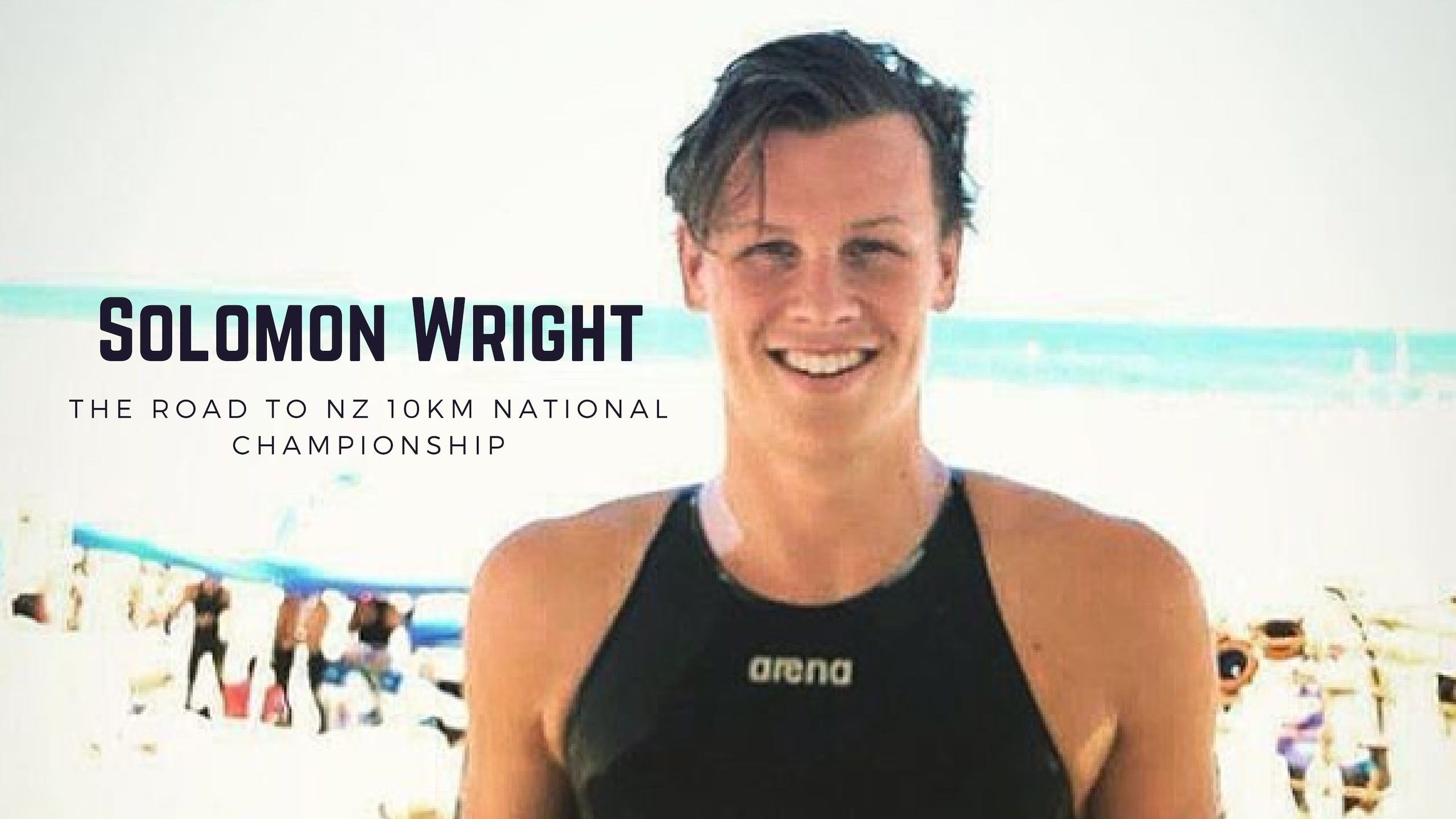
29:22 Rottnest Recap With Winners Solomon Wright and Heidi Gan
30:54 Swim By Feel Not By Data
37:13 How to Fuel for the English Channel with Tara Diversi
39:09 How Body Composition Affects Your Swimming with Andre Ho-Peng
42:43 The Ultimate Way to Reset Your Body with Bevan Mckinnon
47:41 Conquering The 40km Crossing Of Lake Taupo With Vicky Tate
56:05 What You Believe Will Make You Freeze
01:01:15 The Fearless Mind with Professional Triathlete Angela Naeth
01:06:24 How To Swim 10 Faster in 9 Months with Jason Hamilton
01:08:29 120 From Commonwealth Games to Coach Rory Buck
01:12:31 It Doesn’t Need to Look Pretty With Brent Hayden
01:16:38 The SwimRun Revolution with Brecas Ben de Rivaz
01:19:49 Why Squatting Can Help You Swim Faster
01:23:57 How Australian Olympic Swimmers Improve Mobility with Tom Barton And Jeff Grace
01:26:01 Things We Learned From Hell Week
01:29:03 Learning From Disaster With Shipwreck Survivor and Professional Triathlete Els Visser
Transcript
Read the full transcript
Welcome to the Effortless Swimming Podcast to show that help swimmers and triathletes love the water, become a better swimmer and live a better life. Here’s your host, Brenton Ford. Hey Brenton here, thank you for listening to the Effortless Swimming Podcast. This episode is a collection of the best parts from across all of our podcasts for 2018. I hope you enjoy it. If you haven’t left a review on the iTunes store, I’d love it if you did. It helps us reach more people and get in front of more people. So if you haven’t left a review in the App Store, then please leave an honest review of what you think of the podcast. Thanks so much for listening. I hope you’ve had a great 2018 and I hope that next year is even better. And I know you do a lot of Q&As on Facebook as Facebook Live events and I really like your approach where you’re similar to me where it’s about you need a lot of background on the person and there’s no one right response for everyone because it’s so individual
with what might be causing them pain or why their feet might be sinking. So what do you like to go through when it comes to, you call it a needs analysis when you start working with someone. What’s that needs analysis look like for you? Yeah, so it depends if they’re coming in for an injury or they’re coming in for performance. If they’re coming in for an injury, it just starts with a sit down where we’re just chatting about where exactly they’re having pain and the typical physical therapy approach where we’re learning about what things bother it. If it’s upsetting or disrupting their training at all and then obviously where our clinics a little different, we do have that swimming background, we can get into the specific biomechanics if it’s painful on their initial catch of their stroke and things like that. If it’s someone coming in for performance, we’ll be talking about injuries as well at the beginning because that can limit performance even if it’s a past injury
then after that we’ll be talking about areas that they feel like they could improve most on in their swimming. So it’s a subjective interview talking to them about their opinions and then after that we get into what I call the daily little things that add up a lot which is nutrition, sleep, and then mindset and trying to ask them questions, trying to get into their head, getting to their daily routine to see if we can pick off some of the simple daily things to help out with improvement of performance. After that we’re going to be putting them through a movement screen, one that we have pretty specific to the clinic but it’s like you said individualized to the swimmer. There is a lot of overlap between swimmer to swimmer but obviously if you’re a triathlete that’s coming in and you have a history of knee pain then we’re going to be doing some more knee based stuff versus if you’re just a age group swimmer with no history of any pain at all.
But that’s how we get the whole process going. If the athlete has video we utilize that and sometimes we’ll go to the pool and do some video analysis ourselves but depends exactly their level or their at and what they’re looking for. This episode is about becoming a laser not a lantern and I heard this analogy used by another podcaster Aubrey Marcus and I think it applies really well to swimming and the difference between a laser and a lantern is that a lantern is broad spectrum light. It’s not focused on a particular point. It can light up a small room but the light itself isn’t very strong. If you compare that to a laser which is a narrow spectrum light that tight focus allows it to have things such as laser cutting. It allows that that laser beam to travel over long distances and stay very narrow as it does it. So what I what I encourage people to do when I’m coaching them is become like a laser. Have that narrow focus at least
for six months. At least for six months when you’re focusing on something and you’re trying to make a change or improve things at least give it six months before you choose to go broad spectrum to look for other ideas and try those because I see so many people getting distracted by Facebook posts and Instagram posts from other athletes or coaches and it can be good to get different ideas from different people. I think that’s really important but when it comes to once you’ve actually decided on a path to take and a method to follow whether it be what we teach whether it be what your your own triathlon or your swimming coach is teaching give that enough time to work and put the blinders onto it so if you’re constantly second guessing whether or not you think you’re on the right path if you’re second guessing whether you’ve got the the right coaching or the right focus sometimes that can distract you and you don’t give the actual thing that you’re focusing on enough time to work
so give whatever that that focus is give it at least six months to work so while it can be good to go from laser to lantern sometimes back and forth it’s good to feel those ideas and have that broad spectrum and look outside of what you’re doing once you’ve chosen your path get laser focused on it and that is often the best way to see results and the analogy I like to use when it comes to training versus racing is going from a manual car to an automatic car and in a manual car you’ve got to worry about when you’re putting the clutch down changing gears especially for a learner driver someone who’s brand new they’re going to be really up in their head trying to get the timing right of all these things and it can make it very clunky and I notice that when when someone’s working on changes to their technique and stroke they’re often up in their head a lot and it can be hard to coordinate all of these little different elements and and put these
things together but if you can practice that enough in training and you can have that high focused swimming where you’re intentional you really focus about what you’re doing if you can do that in training to the point where it starts to become more automatic in your training then you get to the point where you’re racing and you can completely well almost completely switch off from thinking about your stroke and you can just go into the race and just worry about how you’re pacing it how you’re siding whether in the right spot you can just go into race mode and any technical focus has been done and it’s been made automatic and it’s become a habit because you practice that in training so I like to use that analogy of when you’re training use that as your manual mode as you’re thinking about your stroke nearly a hundred percent of the time you won’t have as much flow as you would when you’re racing it’s going to be a little bit different
but with that sort of approach that’s when you can start to get into flow you can become a lot more automatic when it comes to racing because as soon as you overthink things when you’re racing as soon as you get up in your head you might delay something by half a second you might take the focus away from how you’re pacing things and that’s when you can start to get up in your head and you see that happen especially at the high level as soon as those athletes step out of flow they step out of automatic mode that’s when they start to make mistakes so that’s why I like to practice manual mode in training automatic mode in racing you’ve probably heard the analogy of in order to fill up a glass vase if you put in the big rocks first and then you fill it up with smaller rocks and then pebbles and then sand you can fill it all the way up to the top while fitting everything in and the way I sort of view this in swimming is that
if you work on your biggest rocks and for most people those big rocks are they’re doing the work so they’re doing the training that’s needed and necessary to get them to where they want to go and it’s working on their technique and having enough focus on the technical aspect of their stroke to be able to swim fast for most people they’re the the big rocks the smaller rocks are things like strength training nutrition mobility mindset that sometimes can be a big rock as well depending on what you’re training for but really those those key big rocks if you work on those first that’s highly important it’s really the 20% that is the 80% of of the importance of what’s going to contribute to your success but you don’t want to neglect those smaller rocks like we just mentioned so make sure you get those big things done first but after that it can be really important it can be really beneficial to make sure that you do include those
other things if you want to have the most success that you can if you want to fill up your glass phase as full as you possibly can so don’t neglect the smaller rocks they are still important but if you get the majority of stuff done during the training working on your stroke that’s going to put you in a pretty good stead in a pretty good way after training for a big event I experienced this with with Iron Man I experienced this when I was training for for national age back in the day it was you’d have so much focus on one particular event and you put so much into it that I kind of got a little bit of sort of post race or post-challenge depression whereas you know where you just kind of you get that low where you’re like okay I’m just kind of not doing anything here I haven’t got a big goal to work towards and it’s I think it yeah sometimes it can be very hard to avoid that that lull there but I’m thinking what I what I’ve liked the most has been
really those those longer swims where your mind you know your mind just really clears your your body’s completely buggered and you get to bed that night and you just sink into the sheets it’s like it’s just and and you kind of go to the the point where you you really have to to push yourself to get through it if I think if I can do that uh at least once a week and then if after right it’s in running or cycling or swimming just in some way that’s going to kind of keep me a little more sane than if I if I stop completely completely yeah absolutely um I think I mean you’ve done a few big events but I think I I feel that after after Roto especially sometimes when we have the Masters Nationals here it’s too close together uh with the Ronis and I I like doing my butterfly in the pool as well but sometimes there’s not enough time you know to rest to recover from from from the 20k to 200 butterflies so um I just sort of lose focus for for a few
months and and and definitely um either I don’t know either cycling I think Renata will be happy about this but um any doing doing something that just like you said just take your mind off it and you you’re not numb but you’re sort of in in the zone um for a couple hours that definitely helps the the post post-race post big event depression yeah yeah go to um especially for I know you’ve been an athlete in a summer all of your life and I uh yeah I think when I’m when I when I actually coach the best when I work the best uh is when I’m is when I’m challenged and working towards something and it’s like the saying goes if if you want something done give it to a busy person because they’re probably much better at being effective with their work and time management than someone who’s who’s lazy and I feel like when I’m kind of in the mode right now generally I’m you know I’m firing on all all cylinders uh sports-wise and and coaching-wise and everything it’s all
just going really really well so yeah while it is good to have downtime I yeah I’ve been thinking about what that that next thing’s going to be that will sort of keep me at this somewhat you know level with the with the elite guys you progress throughout the season you obviously build up in terms of volume you probably change the focus change the type of training do you do much of that with swimmers uh more everyday swimmer um and I don’t actually to be quite honest um I mean the the periodization that we used to use was was uh quite complex with with uh Olympic level swimmers and um we I would generally put out quite a uh a convoluted season plan which what I would adjust from season to season depending on success or not um and try new things um what I work with with my mainly my adult squad swimmers now is um it’s because of the constraints of the time that they’re coming in where what we’re doing at the moment
is running three uh one and a quarter hour sessions a week they’re all morning squads uh so that’s generally a Monday Wednesday Friday um and because of the recovery factor uh after you know you’ve generally got a a Tuesday to recover and you’re ready to come back on a Wednesday um it’ll be slightly different um I do do certain things with the periodization through the season uh where we do potentially a little bit more technical work uh and then building up towards their their main competition phases we’ll do a little bit more um distance work but because it’s really only three one and a quarter hour sessions a week I try and add some technique work some a little bit of aerobic work and some speed work to all of those sessions uh and I just think that that’s just good training it keeps people sharp neuro neurologically if they’re doing some speed work um I like to try and do um technical stuff with speed because I believe that
if you’re if you’re training a technique uh and trying to consolidate it into habit um one of the best ways of being able to do that is through shorter distances of speed um and without without without putting yourself under too much duress um and so that you’ve actually got enough time to rest and recover and repeat the the patterns that you’re trying to change in your technique so we’ll regularly do some speed work we’ll regularly do some aerobic training um I always try and make my sessions interesting and varied by putting in some drills and some little bit of pull work or band only swimming um and uh and try and get them kicking this you know that that is one of the differences I do notice uh between elite swimmers and the general adult swimmers as the kicking abilities not nearly as good so we do try and encourage a little bit of kick work and and focusing on on the drive that the kick can create to help the uh the power of the stroke
generally it doesn’t necessarily have to be the the propulsion from the kick but a but a you know a nice strong kick with good timing can help the the purchase that the feet get to help initiate the body roll and and and the power generated through the hips and shoulders so um yeah I I guess in coming back to your original question there’s not a whole lot of periodization what which I’m currently working with but that’s mainly uh based around the system and the amount of time that I’m working with these athletes uh you know as opposed to working with someone uh for the whole year when you’re doing two hours a day of pool work and uh two hours in the morning and two hours at night um there has to really be a whole lot of thought on how much recovery you’ve got what your micro cycles are like through the week what your meso cycles are like through the season um and even your macro cycles looking long term building up to olympics and and areas like that
I talk with a lot of coaches like yourself about this sort of stuff and it’s something that on a daily basis I run into as well when I’m with my own training so what what sort of stuff do you like to I guess what questions do you ask what do you do to help change the belief systems of your your athletes I think one of the biggest things is getting people to look at outcome in a different way so so instead of um looking at the goal and the outcome the the simplest way to put it is your outcome is a product of your focus um you know it’s it’s the outcome is is a product of how much how present you can be during a an event or a process and that’s how you get the best out of it so if you’re future-based or past-based during that process the outcome isn’t going to be what it could have been and that includes the way you think like if you think I’m not good enough or I don’t have the right body type like we talked about
just a moment ago and you’re projecting that into the process then you’re disconnected from the process and you’re not you’re not able to to um reach your potential and I think that’s the that’s the important thing and and the other thing is what I’m trying to do with my athletes right now is get them to understand that the belief system structure that they have is not the definition of what they are you can actually separate the two out without wanting to get too hippie about it like you you can actually at the at the at the core we are a field of awareness I mean that’s what even meditation teaches is that we are a field of awareness then you have this belief system and a thought structure that is based on all your experiences that you’ve you’ve had growing up so when when you what I try and get people to do is see that yes what you think is there but it doesn’t have to affect you and and the most important thing that I try and teach
our athletes at the moment is that you are the master of your thoughts the thoughts are not the master of you and a lot of people are victim and and slave to their thoughts but the thoughts just go around in circles there’s no real intelligence to those thoughts the raw intelligence is in the connection to the performance or the connection to the training session so really what I’m trying to teach people in training is to just get conscious with your training be be in in your training in the process in the felt sense and don’t let the negative belief system affect the moment and and one of the things I want to talk about first was this video that kind of went viral recently was you’re over in New Zealand and a parent asked you how do I know if my child is talented and your response I think kind of it it’s um it hit home with a lot of people and it resonated in a way that not many people have been that blunt and honest and and spoken about
you know spoken about in that way and I think it had over a million and a half views on on facebook and that was just from this one page and I thought the response was was brilliant and can you talk a little bit about basically about that that question and that response and and why you think it resonated with so many people yes no problem and it’s always great to be on with you might and talk all things swimming and sport yeah that um as my kids said I said I’ve become viral and one of them said no dad you’re more like a virus it’s just keep me grounded and stop me thinking too far ahead but it’s a very common question that I’ve been asked in sporting parent discussions which I’ve been doing around the world for 20 years and a parent will often talk about their own child in terms of their athletic ability and in swimming someone will commonly say Wayne I’ve got a really talented eight-year-old back striker and what sort of training should they do and I
generally come down very hard and say look there is no such thing as an eight-year-old champion back striker and 11-year-old superstar freestyler they just happen to be kids who at that moment in time in their development just happen to do that event a little better than the other kids at their age and stage of development and it is a little bit blunt and confronting because we all love our kids you know you and I are dads and we love our kids more than life itself and we want nothing more than to see them have every opportunity to be successful in life to be happy to realize their potential and the emotion of believing that my son is a star or my daughter’s brilliant at anything is very normal and natural but also as professionals we look at it and think well hang on a minute we have seen thousands and thousands of these talented young kids so-called talented young kids from eight to ten years of age who are winning everything they’re winning the
the state hundred freestyle by 15 meters they’re dominating their age group at eight nine ten eleven and at 14 15 16 we’re not seeing them at all they’re not even in the sport or if they are they’re certainly no longer dominating and when you talk to great athletes and I’m talking Olympic champions and world record holders and you talk to them about what have been the real factors of success what’s led them to be so brilliant you never hear things like a big vo2 max or great lactate tolerance capacity it’s always around I love the sport I just love the sport I really enjoy the great being in the sport I love training my coach is amazing I can’t wait to get to work out and hang out with my friends so what the great athletes are telling us is that the love of the sport and the enjoyment of the sport and the experience of the sport and teammates and working with great coaches they’re the things that really matter and they’re
the things that keep them swimming and so the purpose of that presentation was very much to say to parents look love your kids by all means but stay grounded your job is not to put them forward as superstars and great athletes your job is to love them unconditionally to value and accept them for no reason other than they are your child and not to value and accept them for what they do but to value and accept them and love them for who there’s a number of different breath training I guess systems or ways to go about it out there you’ve got the Wim Hof method which is probably one of the most widely known ones I guess and yeah I mean obviously there’s a lot of different ways to apply breath holding some of them might even contradict each other and I mean I went to a kind of a surfing breath holding training course with Nam Baldwin I don’t know if you know Nam but yeah so yeah I went to that and that was
that was excellent and that was basically surf specific and so what’s the difference between what you’re teaching compared to let’s say the Wim Hof method or maybe what Nam teaches to the surf guys so how how does it differentiate yeah I mean there’s three vastly different programs that if you’re looking at them the Nam’s program breath and hands off method and what I do um my foundation is in science homophysiologist and a physiotherapist and I want to measure Wim Hof for example so his breathing technique the way I approach it is more about a meditative space to enhance your feelings now we know that breath has a really potent wouldn’t recommend the Wim Hof method for the Wim Hof method essentially hyperventilating the system trying to increase the pH of the blood to alcohol on the body now great maybe full of chronic long-term condition treatments but really in a performance environment if you’re exposed in the body or oxygen
affinity increases so wrong space Nam Baldwin’s breath enhancement training a fantastic program you know really surf specific and from my understanding you know he doesn’t put his athletes on a let’s measure your volume how big is the largest inhalation you can measure what is the strength of your own spiritually muscles let’s measure this right now so from my understanding that’s how my program would differ to his program I wouldn’t put himself and Wim Hof in the same category I think that they’re specific to an athlete and although Wim Hof’s great at exposing many different people to an alternative lifestyle and exercise and the importance of living a healthy life his program is pretty good agreement agree with me with also he’s excellent but Nam I can’t really speak for himself but the way my program would differ from his would be being a little bit more scientific about medication delivering a program and then objectively testing those results as
well so you know like I said before needs to take a big breath off the block because he can achieve so that he’s never worrying about taking a flexible training system I want to technique training system I want a strength training system I want to get it really powerful so that you can get that inhalation as quickly as possible and I’ll test him along the way if I’m not achieving the correct objective measures and I need to change what I’m delivering to his system and then that’s where my exercise physiologist university training comes in it’s okay well look we’ve done a drop set with we’ve overloaded his system under load so let’s fatigue it and then ask him to hit certain measures as well so we are really potently stimulating his inspiratory muscles to get that adaptation that we’re I don’t want to rubbish anyone in this breath training space as you’ve mentioned there are a lot of different mechanisms and different
ways to approach it you know the breath is pretty mystical it’s you know it does have a connection to the autonomic nervous system and you know like the heart if we just breathe and we’re not really conscious of it but unlike the heart we do have volitional control over it so you know I can over breathe now I can become all tingly and numb and my muscles can contract which is exactly what happens during the Wim Hof method now what benefit does that drive and give to my system and maybe if I’m a person who’s unhealthy and making the wrong decisions in life and really need to focus on my health then it might enable me to get my mind into a space where it’s becoming much more easy to tap into a positive health space but if I’m an athlete and looking to warm up or if I’m looking to improve my volumes or looking to improve my performance the Wim Hof method might not be what I want to tap into so yeah I think it’s taking each
athlete and each sport on its on its merit and applying what you need and I always talk to the coach I always talk to the swimmer and say look what are you after you know what why are you here and what do you want to achieve from my program and then I give those tools to the athlete and to the coach to say if he wants to take less breath I can help him achieve that if he wants to take a faster breath in because he’s he’s take his turning his head too long if that’s the technique thing you want to work on I can give the athlete those tools you have the race feel so sort of going through you know the first 10 k’s how that feel and then you know with five to go did it did you feel like you managed to just hold your pace the whole way through was there any times where you got cold or sore or fatigue at all or you like what had it feel for you well it was a good race is in the first as as with lots of these races as doing the training that I do it’s often
because a train for the 10k normally it’s often around that you know that 12 to 14k mark where the hammer sort of hits and this time around that’s really what I was focusing on to be able to push through so when I did get cold because it was cold around the middle of the race and it was and when I did get really tired so around you know 16 17 k this year I was able to keep that tempo up so I just really focused on my tempo and focused on my stroke and keep ticking over because of the waves and puts this well it was not worth it to focus on pulling on my pulling my stroke more on being a more efficient stroke but the the best way forward to get a faster time was to just get my tempo up and that was just you know race knowledge and just knowing the knowing the conditions and racing to the conditions really do you know roughly what stroke rate you tended to sit around for like rotto or is it just just go by feel
it’s just a feel of it really just a comfy or if I was in a pool it would probably translate to you know 109s just ticking over just it’s all dependent on how much kicking you do how much stroke you do but no I wouldn’t be able to do exact number this episode is all about a couple of things that I learned listening to and chatting with Heidi Gann and Solomon Wright who won the rottenness channel swim both of them are elite level open mortars swimmers and in the lead up to the rottenness swim which they both won both broke the record a few things they had in common or a few common things so the first one was going by a feel one of the main things that Solomon spoke about was in his training he focused a lot on going at the same pace and the same effort that he fairly could sustain across rottenness across the 20 kilometers and I mean he only trained for six weeks in the lead up to that race because he was injured but one of the the things that really stood
out was it was all about the intuitiveness of how it felt and how he felt his pace was going and that’s one thing that I see can separate the really good swimmers from the okay swimmers is that intuitiveness and that ability to sense their pace and one of the most common things that I see can hold people back and can stop them from developing that awareness is their reliance on their watch too much the reliance on their Garmin or Apple watch whatever they’re using if you’re using that to time yourself every single lap every single session while it looks good on Strava it gives you that positive feedback when you see the kilometers adding up in your Strava app or in your Garmin app I get it I’ve I sort of had the same sense in the same you know it gives me the same sort of feeling that it does look good when those kilometers add up and you see your paces and your times but you’re missing out on the most
important thing and that’s the intuitiveness and if you listen to the Grant Giles podcast well I think was number 110 one of the big things you spoke about was you should really you know what these the best races in the world do is just work on their intuitive intuitiveness listen to their body and then the data comes second so if that data comes first for you and you’re not listening to your body then that might be an opportunity for you to actually be able to find some speed and be able to find that next level in your swing so that was the first thing was just going by feel and intuitiveness the second thing was they do although doing quite a bit of sustained pace work also known as threshold or critical swim speed but sustained pace work where they were essentially swimming a good majority of their case at the same pace that they wanted to go for that swim their rightness swim so you know they’ve they’ve got
10 plus years of aerobic base there so they’ve got that behind them so they don’t necessarily need to be doing that much aerobic base they have that built in so they they did most their work at sustained pace now depending on where you are in your swimming or your triathlon career you may need to do a little bit more aerobic base work which is essentially swimming at the same pace where you could almost have a conversation that sort of level of effort so aerobic base work and when you’re doing aerobic base work what i tell my swimmers is it’s that’s really the the long and the slow swims so i i try and aim for a minimum of 60 minutes so 60 to 90 minutes is a good amount of time to to do that aerobic base work if you don’t have the time you know 45 minutes is okay but 60 to 90 minutes is really ideal and the goal there is to keep the heart rate low hold good form hold good technique and and a good way to do that too is with pull boy
or pull boy and paddle so that can help keep your heart rate down can also help you build swim strength if you’re not able to get in the water more than three times a week so that’s that’s the other thing is just sustained pace work they were doing a lot of provided that you’ve got that aerobic base there so they’re really the the two key things the third thing as a bit of an aside was their mentality going into it and their their planning so the mentality that they had is they were hoping to win they they were both sick and injured in the lead up to it but they feel like they’ve done the right amount of work leading up to that to have a good race so they had the the confidence and assurity about knowing that they could do the distance most likely hold that that pace and time and they also had the experience behind them so Solomon spoke about it was the second time he did the race the first time he blew up about i think it was 14-15 k’s into the race
and but he took that experience of how he felt he pasted it and how he trained towards it he took that and was able to make some changes the next time around so if you are doing something for the first time whether it’s a fine man or a 5k swim whatever it might be for you there’s a good chance that you’re not going to nail it you’re going to come away with a couple of things that you go okay next time i’m going to change this i’m going to change that so experience especially in open water swimming that’s one thing that you can’t can’t escape you there’s no shortcut around getting experience in the open water and for the new consumers that i tend to coach they they often have a bit of anxiety around swimming in the open water because it’s it’s different than a pool it’s obviously doesn’t feel as safe and there’s chop and there’s wind and there’s waves but the way to build up the confidence is is graduated voluntary graduated exposure
to things that you’re afraid of so all that means is right let’s say you’re afraid of going open water at all right you just don’t feel safe at all what i’d recommend to to somebody in that situation is go out and swim 100 meters close to the shore and have have a friend there just next to you as a bit of support all right and so if you can if you can do that that’s going to build up your confidence then the next time you might look at doing 400 meters close to the shore with a friend there as support and then you can just gradually over time push that push the boundaries expand your level of comfort and build it up that way for some of the changes in how they digest food with different types of freestyle with their different strokes yeah different types so 10 and this kind of tends to be um you know we tend to change this a little bit but sometimes so there’s three different things that we need to take into account for nutrition
and when you’re running usually it’s actually this four and one I kind of you know don’t really a lot of my simmers will be like I don’t like this I’m like well you know it’s not a floating buffet it’s nutrition for performance but besides taste which is with the one that most people work on the three other areas the how how you can eat the food like whether the food is ingestible so you know when you’re running or cycling you can have a whole bunch of different types of foods but when you’re swimming it’s a little bit more difficult then we’re looking at how you can digest the food and different people digest that differently and the last one is what foods absorbed so when you look at a lot of the sports nutrition research because it’s difficult to do in swimmers all that endurance research is done in runners or cyclists and food just acts very very differently depending on where your position is so if people are faster they have a faster stroke rate and they’re thinner
we tend to try and put them on a higher carbohydrate and more quick acting carbohydrates they’re more likely to get a bit cold I can talk a bit about the body composition and the tick and then the slower people are the fatter people are with the slower stroke rate more hip driven we can almost get them on a high high fat kind of lower carb diet so that they’re kind of the two extremes and then but what tends to happen is people aren’t always a hundred percent one style like they may be lean and slow or and have a slow stroke rate so then we just have to monitor how we’re going to use these different types of fuels as well areas now where dex is merging into is around metabolic health so because we can measure that visceral fat component people with diabetes or heart disease are really interested in in understanding that because when we look at visceral fat it tends to have one of the strongest relative risks to some of those health conditions
so a big area now is definitely around metabolic health and metabolic based disease so fatty liver etc we use it for other areas of people’s health in muscle wastage conditions so things like muscular dystrophy and sarcopenia so the loss of muscle tissue we can use it there policies to go varying disease if we’re thinking about female health we we see it we use it there too but that that just trying to give you a broader view so there is definitely a clinical aspect there’s always that sporting aspect there’s the obese overweight aspect too that we we use it and that’s just ties back to those who are overweight and obese tend to have high metabolic risk so we can track visceral fat and if they’re trying to lose weight we can obviously track what’s happening to their body fat so it’s got a quite a broad role and then it’s obviously got the bone density component to which is what it was originally created for yeah i like that like it breaks things down
so so well it’s you know rather than just stepping on the scales and going okay on 82 kilos today then you know that’s obviously that’s a mixture of your your bone density the the weight of your bones your the weight of your fat and your muscle and the the way you break it down in the report it measures that really accurately and the one thing i saw when i had those those two scans two months apart was i lost i lost a kilo and a half of muscle and a half a kilo of fat just well because i picked up the the long distance training and i started to do only endurance and before that i was doing a little bit more gym and i was still eating quite well so i didn’t have too much extra extra fat on me but it was just it was good to see that change over time and i think you know a kilo and a half of drop in muscle masses is a fair bit but there’s a reason behind it so you know and like you know you ask the right questions too you don’t
you kind of ask the right so what you know what do you mean doing the last sort of six months or so since then that that might lead to that and it just it’s a really good sort of check-in that that gives you more detail than just what a what the weight on a scale would tell you yeah yeah you’re exactly right and one of the the i guess the backbone for our business was to help our clients use dexart to the to the best that you can so we really focus on um reliability in the measurement over time so dexart the technology itself is very accurate precise but if it’s not used in certain ways or inappropriately so you know around client preparation the scan positioning and the scan acquisition there are variables that can impact the the measurement itself and that goes for all types of indirect body composition tools like skin folds or bod pod or the scales that you get at home so as a practice we really focus on that and the good thing is we
we’ve been able to show and and even in it supports it’s supportive in the research as well you can track two to three hundred gram tissue change with a high degree of confidence so you’re eight days into it so is it just water that you’re having at the moment or is there anything else no what’s what’s the what’s the go first 48 hours i was water only and then i introduced zero calorie fluids like black coffee and herbal teas um and the only other sort of well i’ve added electrolytes in there as well so magnesium, Himalayan salt and only more recently once obviously there was a fair amount of weight loss that was going on to slightly ward off against too much lean muscle mass being lost i included some essential amino acids in there as well but other than that it’s been no food as such the science would suggest that if the body actually recognizes that you’ve ingested calories of any description the the premise of the fast is
actually broken and all the the health benefits that i’m doing this for will be actually muted um so yeah that’s that’s basically been all i’ve consumed in the last eight days and how long are you going for uh well if you ask my partner i’ve gone way too long and uh i mean there are some by products of this and if i walk the listeners through the what i’ve experienced over the eight days that might give them a little bit more clarity as to why it’s been such an extended fast ultimately in irrespective of which kind of sort of nutrition pattern that you might follow as a person or as an athlete whether you’re a high carb person or you know low carb or paleo like i mentioned i’m typically a low carbohydrate high fat eater probably quite a lean sorry a clean and paleo form of eating so very little refined sugars or refined foods in any way or processed foods so my uh introduction to the first couple of days of total abstinence of food was actually quite easy because i’m
already quite well fat adapted and it didn’t take my body very long to start moving into a ketogenic state and ultimately the first 48 hours is is quite important for for what i’m trying to achieve in the sense that we want to run whatever glycogens in the body are completely dry so the liver and the muscles actually use up that glycogen because no no carbohydrates coming in and once that happens you’re typically into nutritional ketosis but after about the 48 hour period then the the magic starts to happen and what i’m after here is once the body goes into ketosis and where we know that there’s no carbohydrate coming into the system then it starts to sort of want to become a little bit cannibalistic by its own default it starts to the body starts to look around for any other internal fuel sources so it knows it’s got fat coming in and that’s that by default is being broken down and made into ketones to help supply fuel to the brain and fuel to the
muscles but it the body starts to scavenge and and what it and from one of a better description i’ll give you the scientific term it’s called autophagy and it that autophagy actually puts the body into a catabolic state so breaking tissues down and it’s almost like recycling of cellular waste and it’s almost like taking out the trash so it actually looks for cells dead cells organelles all the different things that are in the body that are actually a little bit toxic and it actually starts to try to consume them for fuel so it actually does it what is basically essentially a big big spring clean of the body but it only happens once you get past about that 48 hours to 36 hours of total fasting so i did my first 48 hours that wasn’t too hard for me i’ve done intermittent fasting for shorter periods in the past so it’s really just a little bit of a mind game to keep the boredom away from going to the fridge
all the time and once i got into ketosis the other byproduct of ketosis is an exceptionally suppressed hunger so once you’re into full ketosis you actually probably find that you start to forget about food which is actually why it’s been so easy for me to get to eight days and and as i say the the end is whatever i decide it to be because i’m in a state where at the moment i just don’t think about eating yeah i was going to ask was there a time that you felt you couldn’t do the swim that you that you doubted whether you’d be able to to make it across uh or was it we’re pretty confident the whole way through what was it like mentally for you um through training i was always unsure um and i sort of had these these kind of key goals of watch what i needed to do like i knew that i needed to do a really big swim and a couple of really big weeks of training um and training and you know rough water as well just in case it got choppy um and i guess having pushing the this one
forward a month that threw me off because i hadn’t done some of those things so i was like oh my god i’m not prepared um but during the actual swim i never i was quite surprised i never actually had a moment where i thought i can’t do this i had moments where i was like oh my god i wish this would be over right now um but i never thought i can’t finish this which was i was amazed by when i were affected back on i thought jeep is that’s pretty impressive what uh was there a point throughout the swim where it started to really hurt or was it pretty even the whole way across and and how did you pace it as well was it just um was it just a steady pace the whole way through and you’re able to to maintain it or did you your speed drop off towards the end as your fatigue what was it like um it i definitely got sore um i think i was swimming over 3k an hour in the first 10k’s and then i dropped off a little bit
it got well i thought it about chopping felt like a trend i probably didn’t think it was but when you’re in the water that long it feels like it’s chopping um and yeah i kind of went in and out of cycles of swimming really well and then not swimming so well and you know phil would say to me i can see that you’re you’re either uh need some more feel or you’re or you’re in pain um and it was always you know when i was in pain i wasn’t swimming as great as i could be um i think yeah i mean by the end i definitely was a lot slower than the start um but i was relatively consistent i think i don’t know you’d probably have to ask phil that question um i definitely got to about 25k and got into a really hard space um like multiple parts my body was hurting i um i spent a lot of time singing songs in my head over and over again um and yeah when i got into that into that head space where i was like man this really hurts i started thinking okay i’m just gonna count my
stroke and just kept counting and counting and counting um started thinking about what else i could eat next you know very little treats i knew i had um i had a Mars bar in my little pack and i had some coke so there were sort of things that i was holding on to for the end um and yeah that’s sort of sort of okay if i get to 30k’s and i can can have the Mars bar so that kind of helped so you need sometimes isn’t it just a little sort of carrot dangling at the end of or at specific markers it doesn’t need to be much but just those little little markers as you you go through and i um and i i sort of i did the same thing when i was doing some some longer swims uh like when i was doing sort of a 10 or 15k training swim towards roto at the like you know the 10k mark or on the fourth lap of a five lap swim it was i’d save something in reserve there and the same thing for for longer runs and it’s just and that’s all it takes it’s just because you you might play these
plays these games and um it doesn’t need too much convincing to keep going if you give it the right motivation and especially when you’re deep in the in the hurt locker and you’re you that well you pass a halfway mark in a 40k swim but you’re not very close towards the end part you know at 25k mark um that’s that’s when it can really start to to get grim like i can imagine and yeah yeah and i want to i think a couple of people said to me you know and i think it may have even been Phil um he said don’t look forward and don’t look back because you know you’re right in the middle of the lake and you just like oh my god i’ve got so far to go but there were a couple of times where i did he said to me oh actually have a look how far you’ve come because obviously i must have been struggling and i was like oh shoot that’s pretty good so yeah i mean there are you definitely need those little motivating things that that help you along the way
because you’re on a you’re on a really fine tipping point of either you know you keep going or oh my god this is too hard um and i think once you start going into that it’s too hard then it’s kind of all downhill so you just have to really keep focusing on little bits and pieces along the way and you know feeding every half hour always helps because you you kind of expect it after that long you know when it’s about to happen and you think sweet i can talk to somebody for a minute or you know i can take you out of the situation that you’re in just for a few minutes um yeah so that definitely helped i’m curious what’s what songs were singing you had to remember which ones um yeah i’m singing tom petties i won’t back down it’s a good one it’s got a good rhythm i think for for swimming yeah it has actually um and the other one was uh rudimentals um what is that i’m not giving in or something like that yeah i think i know
yeah i know the song you’re referring to and the black seeds keep on pushing they’re all very very motivating songs yeah well i’d listen to a few songs beforehand and thought uh which ones will will i sing you know if i’d read a few books and you know people would say oh it’s quite helpful because you’re in your own headspace and all you’ve got is the noise of the water the whole time so it’s a long time to be in your own headspace yeah it is i think that’s what i did for rotteness i had toto africa in my head the whole time and i i didn’t know it well actually no i found out at the 10k mark that my skipper in the boat had it blaring from the speakers but i couldn’t hear it when i was swimming um so he had it blaring for about four hours in the boat um but and he sent me a message yesterday where he had a video and that song was playing somewhere like he said this reminds me of you and it’s it’s probably more burnt in
his mind than it is than it is mine uh after four hours of toto africa but it’s um it got me it got me through and it’s just uh it makes the time go a lot quicker it’s quite funny because you think that you’d actually hate the song after it but not at all but you quite enjoy that song so yeah yeah it’s oh it’s it’s starting to annoy me now actually the song um uh it just it reminds me of getting up at i think it was like three o’clock in the morning or three thirty in the morning and had it going then before i got ready for the swim and i think and i think that’s why i can’t listen to it at the moment because it just reminds me of early morning and i’ve got a two week old son and we’re not getting any sleep at all and it’s just not yeah so it’s it’s just bad memories it’s stage up i think that um yeah it’s uh i think next time i’ll i don’t know if i’ll go the same song or not next time i do a long swim but um yeah it’s it’s it’s a really good strategy to use and
i remember phil talking about counting your strokes as well i think he said he would count to 300 uh and he just kept going through that when he was doing these long sort of 10 to 20k races back in back in the day and um i found that quite quite useful for the mostly for the training swims but i used a little bit during the races one of the things that i’ve been talking to a lot of swimmers about recently is their current beliefs about what they need to do when they’re swimming a few examples of this uh a couple of members that i’ve recently had joined uh they’ve had these beliefs in their mind about what they should be doing with their stroke to swim fast things that they’ve either picked up from other coaches or other swimmers or they might have learned from watching videos online and some beliefs can be helpful but some can make you freeze they can make you plateau and i see this more often than not when i’m working
face-to-face with swimmers and it’s not something that they’ll directly say to me they’re saying this is what i have been told and this is what i’m going for but you can see it if you start to peel back the layers and ask the right questions and this is something that i would encourage you to question yourself and that’s what beliefs do you currently have about your swimming that might actually be holding you back an example of this is somebody who recently joined the membership he was uh he was taking some classes from a a coach that was local to him and the coach was telling him you need to enter your hand and go very deep you’ve got to go well below the line of your shoulder you’ve got to uh to really drive it down deep and and then hold it there for at least a second in order to i don’t know find your balance or something along those lines and so we submitted a video through the membership and we had a look at it and it was
obvious that he was just going way too deep with his hand in his reach phase of the stroke so his hand was about 30 40 centimeters below the the line of his shoulder when he finished reaching forwards now we want this to be just a little bit deeper than your armpit in order to have a very slight downwards angle with your arm and what uh you know what we saw there was he was going so deep that his arm was just putting the brakes on with his arm so deep the oncoming water is hitting the top of his arm slowing him down putting the brakes on and it was it’s so much impossible to to overcome that drag and that resistance that he was creating because of this one belief so what we’re now working towards and it’s only been a week but what we’re working towards is just getting him to let go of that belief change it and aim for the right depth with that part of the stroke and we’re going to practice that for three or four weeks he’s then
going to send in another video we’ll have a look at how his stroke is progressing and then look at what the next thing is to work on and maybe breaking down another one of those beliefs that he that he holds because of what he’s been told in the past so have a think about what are some of those things that you’ve taken on from coaches or from other swimmers that might actually be holding you back another example of this is had a swimmer come to our Melbourne clinic recently and her coach was telling her to to pull harder the way to swim faster is to pull harder pull harder and you could see that she was going for a lot of power straight away in the stroke so as soon as her hand entered she was she was just going for broke she was really trying to pull through with with everything she had and this was doing a few things for it number one she was getting tired after 100 meters no matter what the pace that she was swimming at the other thing that she was
doing was just slipping in the water and by slipping i mean in the catch phase the reach phase she was just pulling through too early so she just wasn’t able to get into a good catch position the elbow was dropping and she was slipping so she just wasn’t maintaining much pressure or or force on the water and it wasn’t until we we kind of got down to the bottom of it where i kind of asked her you know i said it looks like you’re trying to pull through too hard too early you should exhilarate through the stroke so you’re going to be that little bit slower out in front while you set yourself up with the catch it’s all about setting yourself up in the the early phase of the stroke getting into a good position and then you can start to apply power and you can start to increase the speed at which your hand moves through and then you’ll you’ll exit with a bit of speed there and it wasn’t until we sort of went over that and she said oh my coach
said this is what i’m what i need to do so this is what i’ve been trying to do and uh yeah and and so we sort of uncovered one of those beliefs that was holding her back so what are some of those things that that you currently hold that might be holding you back now there are some beliefs that will also help you so you know if you do underwater filming if you if you have your stroke analyzed or if you’re working with a coach that you trust then you might need to hold some some beliefs that will help you make those those positive changes in your stroke but it’s it’s something that i come across a lot and and sometimes it will take me three or four sessions with someone to actually uncover what those those beliefs are but if you can if you can think about what they are write them down and and just question are they ones that are actually helping you work towards your swimming goals and i think especially at that level of of racing yeah as a as a professional
triathlete in the very pointy end of the field you know it’s often it can just come down to your your mindset on the day and how you if you can push through the the challenges that you get and it’s it’s really about the one percent is at the level that you’re that you’re racing at even even from i guess your more age group athletes it’s they can have some big improvements or big changes in the results that they get based on on what they’re thinking and especially as you know if you’re doing this if you’re doing this full time the mind games can it’s very easy to let them get the the better of you and with with this book what’s the the fearless mind what what were the sort of main takeaways that you got from the book what what caused you to read it five times um well it’s a very simple read it’s it’s a small book and it’s just the way that he talks in the book or he writes in the book it’s just very simple cues and
and understanding he’d be basically um in the book it makes you just feel confident um what i got out of it was really how simple things could be rather than always thinking about the what ifs and stuff and it’s it’s really just embracing the now the moment and and being in the moment and and and how to do that so a lot of the times like he used to be a tennis player so he related it to tennis a lot and so if he was in a match you know um and his mind was was unraveling he would focus on his backhand and it would just be a very specific part of the backhand like the flick of his wrist um and so every time he would go into a match it would be um like for example and i don’t know anything about tennis but say um uh uh flick your wrist to the right and so he would just say say in his head flick right flick right flick right so it’s very just very simple things at first that you need to focus on so that you
don’t have all this external stimulus and talk in your head that’s that that could be negative and then from there the book kind of goes into the negative self-talk and like the things that we say to ourselves and the key the key out of all of it is is really that internal chatter you have and what you say to yourself and so a lot of the times um we keep a journal and and we and we just we have we have to choose our words and so he’s helped me create little cues and um things to look at every day where i i can really just choose those words and like have them as cues so that if my mind is unraveling to certain aspects i can go back to those all the time and um an example of this um in a race is you know just just the words i am strong like it just it just helped me focus on on you know the power output of on the bike or um it’s just very very simple things and he just made it very profound within the simplicity of it
yeah and that’s that’s what i i think is really the um the key to the key to doing things well is to find the simplest form of it and that comes down to um your mindset and i mean we run a lot of swimming clinics here in Australia and we’ve been doing it for the last four or five years and at the start we did there’s about 24 different drills throughout the clinic and it was just it was just overload and i think that really the um trying to find the simplest way to do it is is the best way so now we do it’s like four or five drills um it’s simplified down into two or three key points but the results that we get now compared to five years ago is is so much better just because it’s it’s really boiled down to the simplest form of things so um yeah it’s great that he’s that he’s able to do that and the funny thing about flow and i mean you’re with the the red bull team and they’re really all about getting into to flow
with all of their athletes and the thing about that is as soon as you think about getting into flow you’ve lost it as soon as you so it’s a very um challenging thing to do but i was chatting with a guy Grant Giles he’s a triathlon coach here in Australia and coaches a lot of the the pro guys over here and he’s very big into to mindset and psychology and he said that with one of his athletes who was actually a surf ski paddler in order to get into the flow all he had him do was just think about the feel of the paddle in the water with every stroke that he was taking and that’s it the you don’t want to think about um anything else it’s just feeling the feeling the paddle in the water and for swimming you know for me it’s just um the the first part of the catch just kind of getting the feel for that entry out in front the early part of the catch and then if i just focus on that the rest of it tends to uh
to come easily i can just get in the zone really really now in the last i guess nine or nine twelve months since you’ve been able to get a bit more swimming under your belt and coming from not much of a background do you think about your swimming differently in terms of you get to the pool are you are you more confident with your your swimming do you enjoy it more has anything changed there the enjoyment piece around the swimming came fairly early in in the piece because i saw some very quick improvements there and you know starting out from not having any swimming background and racing locally uh here in Darwin um i saw myself progress past a lot of the other triathletes who had been doing the sport a lot longer than me so that that enjoyment came with that comp you know fed into that confidence that you know possibly i’ve got something here that to um to take a bit bit further and and where it was initially going to those swimming sessions it was more of a case of
you know i had a little bit of a fear of water particularly open water swimming and as a case of you know i’m doing this for myself become a better you know swimmer to to begin with um and so i’d go into the swimming sessions going okay i’m doing this to survive this time and you know eventually it’s going to make it better but as you know i’ll spend more time in the water been exposed to a lot more swimmers and triathletes um that’s transferred into me you know really looking forward to each of each of the sessions um and you know going into each session with a specific goal or a purpose in mind saying like last week you know that 135 was was pretty comfortable let’s see if we can just sharpen it up a little bit further that being said you know you have good days bad days you’re going in and out from one training session to the next across the three disciplines so um you do have those waves but i find that having that that structure
really does help me to keep the focus and and you know keep the enjoyment there as well yeah it’s it’s like public speaking where the the first time that you do it or the first couple of times that you do it it is it almost feels like a matter of survival it’s just like the you know the nerves hit everyone’s looking at me um i’m trying to think about what i’m saying how do i how do i look am i right something over my words and then actually a good comparison is the set the first um the first couple podcasts that i did this was oh look i think it was probably 2012 2013 and uh i just i couldn’t you couldn’t pay me enough money to go back and listen to those initial podcasts that i recorded because they were just yeah i i haven’t listened to them again but i know that they were they were just so so bad um that there’s just no um it’s just yeah just nervous about everything and um but now it’s just like it’s easy you know it just happens it’s a conversation yeah but
before it was i was i was an i was interviewing people there was no sort of uh conversation at all i wouldn’t ship in with anything it was just um it was almost like you could have just um i could have been a journalist and write in an article for a newspaper and i could have just put in questions of people and they answer but there’s no back and forth where it’s um yeah it’s it’s like it’s like any skill where you’ve really just um the the first time that you do it or first couple times you are not going to be able to get into any sort of uh flow you’re not going to be able to relax with it at at all so um it’s yeah it really takes a while to get to that that the sort of competence to be able to um to to relax while you’re you’re doing it but particularly for swimming you know if you’re in that um sort of flight mode and uh and you’re not able to to just relax it makes anything else so much uh well almost impossible to do if you’re in panic mode to learn yeah
and yeah i i think the the breathing thing in particular is is is the biggest hurdle and i think one of the one of the tools that i utilize quite a lot early on is a snorkel just because it takes that it takes that need to breathe out of the equation if we can learn to breathe through the snorkel it it quietens down because we’ve got continuous access to the air it quietens down that that flight mode as you call it um i like that it sort of shuts that voice down and allows us to focus on elements of the stroke that we need to be to be working on um but yeah you you spot on on on relating it to public speaking it’s it’s exactly the same and i think it’s my it’s my number one message that i pushed through to to people both on my site and my writing and uh and with the clients that i work on work with one-on-one is that this is just a skill it’s a difficult skill to learn but it’s just a skill in the same way that public
speaking is a skill in the same way that that anything is is a skill it can be mastered um and and there are certain genetic predispositions that you can have that can make you better at it um but to be completely broken and honest the level of swimming and triathlon is not particularly high if you compare it to to uh to actual specialist swimmers and i i see no reason why any triathlete cannot swim at a sort of 50 percent of the of the pack and or upper upper half of the pack um in any race because as if they focus their attention and focus their their efforts on on the right things at the right time it’s it’s not a mythical thing that’s only bestowed upon certain people this is it’s a skill the more you practice it the better you’ll get at it and and particularly in triathlon you don’t have to get to an elite level to be competitive um so anyone can master it um and as you said there’s they’re not they’re teaching some very different things in terms of
technique like even with the the sprinters um like i think dressle is pretty much it’s like a straight arm freestyle and i mean clima was the same back in the day and um and then with breaststroke you’ve got adam pedi who’s got this super fast rating um rebecca sony who’s quite unique compared to some of the other breaststroke because it’s uh you’re sort of seeing this some of the technique uh they’re not teaching just one style anymore which is um which is really good and it’s just i guess adapting it to whoever they’re whoever the person is depending on their their height their strength or their strengths in the stroke it’s um yeah it’s it’s really exciting there’s no cookie cutter technique anymore that’s going to work for everybody like um everybody’s going to have to do something that’s going to work just a little bit better for their body than it would have worked for for somebody else and um so i think the one thing that’s really been great
is that you’ve been seeing a bit of a renaissance among the coaches as they’ve started to realize that um there’s got to be more one than one technique across some of us used to walk to a club like on the deck of a club and you’d see everybody would be doing the exact same free sore the exact same breast or you know butterfly or backstroke and now you’re kind of seeing you know a bunch of different styles on on the one team as swimmers are also more comfortable being able to kind of um you know kind of listen to their own body’s analytics right because there’s no um there’s no better feedback than the feeling of water against your own skin right um i think i think that’s been um i think that’s just been really awesome to see yeah and i mean you look at even the 1500 look at Sun Yang compared to Pelotoneri and there couldn’t be two more different types of freestyle there yet they’re both just like they’re both as quick as one another
and um like i’ve sort of looked at um what Gregorio stroke in slow motion quite a bit just to kind of understand what he’s doing in in each part of the stroke and it just it doesn’t fit the typical box of uh of what you’d expect with freestyle like it’s very unique and it’s not it’s not pretty compared to you know it’s not a beautiful stroke but boy it’s quick yeah i know that’s the thing it doesn’t need to look pretty the only thing that people care about is what the clock says at the end of the race all right nobody cares what you look like while you were doing it exactly right yeah it’s uh yeah no nobody asked that question at the end goes how did how did you look no it’s like no what was your time yeah like it’s it’s not diving it’s not figure skating it’s not synchro swimming right it’s not a judged sport right so it’s not like oh you know you went sub 48 for 450 freestyle but you know point deductions
because you know you lifted your head up too high on the breath or you know whatever you know not enough dolphin kicks underwater off the wall yeah that can yeah completely true and that i’ve started open water swimming a couple years back and i came from a pool background and it was pretty much when i allowed myself to get a little bit scrappy and messy with the stroke that my times in the open water started to really improve because if there’s any sort of chop in the water and you’re trying to swim with a traditional sort of freestyle stroke the longest smoothest stroke it doesn’t work as well as you know being a bit more aggressive on the entry and with the recovery and faster stroke rate so it’s just knowing when and how to make those adaptations yeah depending on what event you’re doing yeah i mean i even look back at my my london race and you know just seeing what um you know how strokes have evolved since then i
look out and go you know what i kind of wish you know maybe i just stuck around a little longer because i would have liked to have tried you know opening up my arms a little bit i even look at that racing go huh my head position was actually up a little bit too high so you know that metal like i still know that i i still had rooms for improvement in terms of in terms of technique so it would have been cool to stick around a little bit more and play around with my stroke a little bit at the beginning of my career and i needed some sort of out and i found that out in endurance sport and i just got really really into events and sort of did the classic thing of starting off with some short distance runs um got into triathlon then got into some quite extreme triathlons ultra running and this time went by just started trying to find more and more extreme events uh and typically the sort of things that i was
looking for with these races you know when you’re i think when you’re i just wanted to complete get away from this and immerse myself in beautiful landscapes somewhere you know normally there was a bit of a trip involved and i have to get a flight or drive for a number of hours to get to get out somewhere like me as far away as possible um sort of clear my headspace years and years and years uh went by doing these events and finally i came across this uh event called the otolo in sweden and this the otolo was the first ever swim run race uh and so in 2012 myself and one of my racing buddies turned up to do this event we were woefully underprepared um we hadn’t even we had never trained together um we had not prepared our kits we hadn’t practiced with the kit we just thought we’d turn up and have a go uh did the event and absolutely fell in love with the sport it was just it was the most fun i’d ever had racing and it was sort of the confluence of all of the things that
i look for in endurance sports um and i think that’s really down to the format so for the uninitiated swim run as a it’s a clearly self-evidently it’s a swimming and running event but perhaps what’s not so clear is that uh the format uh means you race as a pair so you race in a team of two and you have to stick together at all times some people ask you know can you do can one person do the runs can one person do the swims absolutely not you’re doing it side by side and supporting each other through this course and the the second thing is that uh there are multiple swims multiple runs um uh on on these courses so a course could have anywhere from four swims and five runs up to something like i’ve made 10 or 11 swims and uh 12 runs and because you’re choppy and changing and getting in and out of the water all all the time you actually can’t the you actually can’t have a set of clothes reach the transitions like you
might have with um triathlon so instead what people the way the sport has evolved is that people just wear essentially wear the kit that they started with throughout the race so you have to run in your wetsuit and you have to swim in your trainers uh so it’s that sounds like a lot when you first when you first hear about it the thought of running in a wetsuit just sounds horrendous but actually i’d say the dirty little secret of swim run is that it’s not so bad and actually the wetsuit manufacturers are going behind the sport and starting to produce swim run specific suits which make the whole task much easier than perhaps it sounds and what about um i this kind of goes into it what about gym or strength exercises and uh what sort of things can people change or do to to build up their strength um as you know as part of swimming because we’re not we’re not looking to get bulky we’re just looking to get to get strong um
but also i mean it’s really about functional strength when it comes to to the strength training and and swimming together well it’s a great question brenzen i think the the number one functional it’s sort of at the foundation of all functional movements is the squats and that’s something that i see uh performed in my opinion incorrectly very often and so it’s it’s an area that that needs a lot of attention and the benefits of squatting functionally have i mean i can keep you up for two hours and that but i won’t it’s it’s incredible for the lower back it’s for swimmers it’s it’s a wonderful way of loosening up especially latissimus dorsi or lats it really helps to improve posture so if you got those deskbound um swimmers squats are for me fundamental to get right and i’m happy to share a few you know pointers or errors that the guys do tend to make when they squat yeah what what would they be well we’ve been
taught with the squats to uh is because so many people have heard their backs to keep their backs straight and so the first mistake or thing i find when gaza squatting is it got this sort of military uprights you know with a sort of proud chest and the other thing we find is that they’re looking straight ahead which you’ll you’ll find that when you the whole point of squatting is to actually go down and pick something off the ground or to bend so by by actually getting into squat and to relax the upper back so i’m not saying they must obviously they mustn’t round their lower back but we’re finding that sort of whole proud to stick the chest out look straight ahead position actually switches off the the core muscles so looking down about a meter in front of you it’s the same when you’re swimming you’ll notice when you’re swimming if your head’s up you actually your core it’s difficult to contract the core if you put your head down a little bit you’ll
find the core switches on automatically and it’s the same principle with the squat i think that’s where i uh i’ve never really done squats much before because i’ve always had issues with my lower back in that the kind of lowest lowest point in the squat and i think it’s because i i’m thinking i think i think i look too far forwards when i do it and i’m and i’m exactly what you’re talking about just the chest out shoulder the scapula is really uh retracted back yeah you don’t want to do that so that’s uh so that’s the the the main mistake that you see people make so that’s the first yeah that’s the second thing is their their knees go too far forward so we find that often the instructions don’t let your knees go past your toes i always instruct the guys that’s that’s still too far forwards we’ve got to let the knees just be in the midline of the foot so what i call the soft knee position so it’s it’s just keeping those
knees relaxed as they go down people tend to then go as they go down they tend to let the knee go almost in line with the toes and they think that’s they say well that’s fine my knees are not going past the toes but that’s still too far forward you’re going to find in that position the quadriceps and hamstrings are still going to dominate the movement and even though they are working in the in the squats that your power muscle is your core which is your abdominals and your glutes got a far and so that’s a big mistake i find the other the other mistake people do is when they push up they actually they stand up instead of push up so they actually lift up from the lower back muscles instead of pushing through the ground which activates the core the glutes and abdominal muscles so there’s quite a number of this you know there’s quite a number of mistakes that the guys make with the with the with the core and
also if you’ve got postural problems or you’re not in the great posture squatting can be really difficult so it’s important to realize you know that’s part of the work that i do online is to help the guys identify where their restrictions are and how they can can reduce that or work around that what what sort of time should someone let’s say someone’s training three times a week they’re a master swimmer and they’re they’d like to improve their mobility and and move better how much time should they let’s say ideally set aside in 90 a world how much time could they put into a pre-sum routine and then what’s the the bare minimum to see at least a little bit of results um so i would say if we start with the bare minimum i i’ve got a three-minute routine that i give out to uh you know the the older clientele and also the the kids that are coming straight from school and hitting the hitting the water and telling me that they have no time
and they just you know they have to jump straight in so negotiate it down into a three-minute yoga routine that hits all five of those areas so that’s that’s the bare minimum from my perspective and i think um you know everyone can everyone can find three minutes and it’s it’s also about getting the coaches to buy in on that because the coach needs to see the the difference in terms of their swimming that the three minutes get back and uh you know it’s going to you’re going to make more difference in those three minutes than doing an extra you know 200 meters or an extra 400 meters in the water as a as a warm-up and if we go to more of an ideal time frame you know 15 to 20 minutes is is what we work on with our elite guys um you know they’re getting paid to do it so they’re they’re often a bit better with their uh their buy-in to it but again it’s it’s for those guys they have to see they have to see the change and they have to feel the change in order to
to get them to buy in and once they do that’s from my perspective that’s when you really you see them buy into it and really start to develop and get better each time because their skill acquisitions better they have less niggles all that sort of stuff so the first thing that i’ve got here is clearing the mind one of our coaches Mitchell Patterson who was a Commonwealth Record holder he was an Australian representative uh he was a coach on the camp and he’s worked with us for quite a few years now and one of the things that he spoke to the group about was when it comes to racing when you’re standing behind the blocks or you’re standing on the start line you need to have a clear head and you might want to keep one or two things in mind but after that shut yourself off from overthinking and analyzing things the thinking should be done in training and we talk a lot about this in terms of your technique think about your stroke really concentrate on it when you’re training
but when it comes to racing the hard work or the thinking is done so what you need to do is clear the mind and you may want to use one or two cues or mantras as you’re swimming to remember but that is it that allows you to get into flow and get into the state of being able to perform at your best and all you need to worry about is the pacing and your racing strategy as opposed to wondering what your left hand’s doing on the entry or in the pool no that stuff is done that’s what you do in training it’s got to be the mind’s got to be clear so Mitch spoke about when he when he was training one of the races that he he did where he was at the Australian national championships in the in the heats he went about a second slower than what he’d done before and the reason he put it down to was because he was overthinking every single part of his stroke he was wondering about was his entry right how was his pull through where was he exiting how he went off the blocks his hand
position on the blocks his feet where his hips high enough he was thinking about all these little details and particularly for a hundred butterfly when you’re overthinking things the timing of the stroke and the timing of each of the movements is going to get thrown off by might be milliseconds or tenths of a second and if that’s the case then you’re not going to be able to perform at your very best and get anywhere close to your best time now with that time that he made he finished ninth in the event and only eight make the final but he was fortunate enough that one swimmer in the final pulled out beforehand which gave him a spot in the final so he was in an outside lane and when it came to racing in that final he didn’t care it was almost like a a free shot so when he was standing behind the blocks he certainly wanted to do well but he wasn’t putting the pressure on himself and which caused him to not
overthink it caused him to just really clear the mind and he ended up getting second in that race so the Australian nationals from the outside lane got second went over a second fastly and did in the hits and ended up with a really good time so he told the story of how he was able to get rid of the overthinking and put that into his stroke and and you started to swim across eventually or were you just hoping for the for some boats to come or what was the what was your thought pattern when you’re when you started to see it was there yeah so when that we saw that island and that island became visible then we had two options are waiting in the ocean and we had one small lifeboat for about six people um so one option was to stay in the middle of the ocean with that small lifeboat and waiting till yeah maybe rescue would come but we couldn’t like make contact with anyone so nobody knew that we were sinking so then we had to wait for a passing boat
um but the days before we didn’t see any boats and the other option was to trying to swim to that island um and we almost knew for sure that we couldn’t reach it because it was so as well so we almost knew for sure that we couldn’t reach it because it was so far away but at least yeah we could try because the other option waiting by the lifeboat was not a good option as well so it was like really okay one of another but for me as soon as I started island I thought okay I have to go to this island and I want to try to to make it and um yeah probably I’m not gonna make it but at least I can try and I I will fight for my life instead of that I wait here in the middle of the ocean and just it’s passive waiting and do nothing um yeah so then we started arguing a bit and fighting what we had to do um and I really wanted to swim away to that island but I couldn’t convince the other people and they said it’s too dangerous to
yeah yeah to swim to the to the current of the ocean and um yeah it’s so far away and when you like can’t rest and in here we have the lifeboat and I better to wait here with the lifeboat um so yes it was really yeah what I said two options that we had and people with different um yeah opinions and different feelings on what we had to do so yeah it was pretty pretty difficult but for me um yeah what I said for me it was the island and I couldn’t think about anything else so I had yeah and I think it was about 10 a.m in the morning that I thought okay I have to to leave here now as soon as possible because I can use the whole way now when when there’s daylight to yeah try to make it to this island instead of that I wait here for any longer losing more energy this so um yeah I decided to leave thanks for listening to the effortless swimming podcast if you’d like us to help you become a faster more efficient swimmer
go to www.effortlesswimming.com