









In this episode, I’ll share ten ways to increase your swim speed and become a better swimmer. So, let’s dive in and explore these effective strategies.
00:35 Train Another Stroke
01:56 Change The Way That You’re Training
03:10 Being Diligent With Your Skills
05:12 To Become Supple
05:59 Joining a Squad Or a Group of Swimmers
09:06 Occasionally, Don’t Track Anything
10:25 Keeping Calm Under Pressure
10:43 Commit To A Swim Block
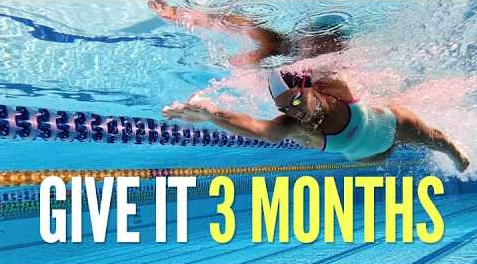
13:48 Pick One Thing And Stick To It For Three Months
15:35 Get Professional Help
Try the new Nanoclear Anti-fog Goggles: https://bit.ly/nanocleargoggles
Transform your freestyle to be effortless and smooth with online video analysis:
https://effortlessswimming.com/es-training-and-membership-page/
Transcript
Read the full transcript
Hey, and welcome to the podcast. This is a rebroadcast from one of our most popular episodes from around 12 months ago And that’s a really useful way to be able to sustain your swim speed over longer distances So this has been a real revelation for me in terms of the effort that I’m actually putting in When I’m going at certain speeds and certain paces Welcome to the effortless swimming podcast to show that helps swimmers and triathletes love the water Become a better swimmer and live a better life. Here’s your host, Brenton Ford Welcome to today’s episode of the effortless swimming podcast on today’s episode I want to talk about 10 ways that you can increase your swim speed some of these ideas You may have heard on the podcast some of them will be new I want to give you a couple of options to improve your swimming and make yourself a better swimmer The first thing is to train another stroke now in this podcast on the videos
I love to talk about freestyle because I coach a lot of triathletes and open water swimmers and primarily they are doing freestyle But it can certainly help to develop and train a different stroke Whether that be backstroke breaststroke or butterfly But I think backstroke for a lot of people is a really good one to just include in some of your sessions in freestyle We tend to train the front of our body a chest our shoulders because of the movements that freestyle requires Backstroke can help open you up through the chest. It tends to work your back and shoulders in a different way Those are posing muscles So backstrokes are really good ones to include as part of your training Whether that be is in some of your recovery efforts during your session great to do some backstroke and just change things up a little bit and The thing about the other strokes is the catch is the same whether it’s fly or back or breast
The catch is essentially the same position just in a different Position in terms of either on your back or with both arms so the catch position is actually the same So if you can improve your catch in a different stroke and you can enhance your feel for the water in a different stroke More times a night that’s going to translate to your freestyle as well So training a different stroke is the first way that you can increase your swim speed The second thing is change the way that you’re training try something new When I was training for the rotten s channel. I was doing a lot of distance work in zone 2 So just that sort of easy aerobic work I was doing a heap of that when I was training and for me I respond really well to long slow distance and When it came to racing, I did a 400 freestyle at a at a competition And I found that I felt like I had a huge aerobic base to draw from and for me that allowed me to
Finish that 400 really really strong. I felt like I had Unlimited energy when I did that did that swim compared to you know When I don’t have that big aerobic base behind me, then I feel like I just can’t race as well So change the way that you train whether that being doing more long slow distance work whether that be doing more specific Sprint work if you’ve seen breadhawk sprint revolution He talks a lot about doing some resistance work talks about doing short sharp fast 25s or 30 meter sprints and Doing that at high at high speed Just changing the way that you’re trying seeing what you respond best to is another good way to find extra speed in your swimming Number three is being diligent with your skills So even if you’re a triathlete and you are mostly racing in the open water It doesn’t hurt to have good skills in the pool skills being the way that you push off the wall Your turns and your finishes. Let’s say you’re a 145 swimmer. You’re always hitting 145. I
Would I would suggest that most? adults could get there 145 down to a 140 or 141 if they applied better skills in Their intervals in their swimming So what would that look like? Well, if you look at the the best ones in the world Typically when they push off the wall, they will have one hand up on the wall And they’ll be facing the wall with both feet up then when they push off They’ll go underneath the water. They’ll push off in a streamlined position on there Partly on their back, but then they’ll row roll onto their side and then eventually onto their front as they break out So they push off a certain way Then when they go through their turns, they make sure they go into the earn with speed so they can come out with speed They push off in a streamlined position. They might do Two or three dolphin kicks off the wall depending on who the swimmer is And so they’ve got good skills into the turn and then when they finish
They they will likely not breathe the last five meters and they’ll have their head down They’ll finish on a full stroke fully outstretched and on their side So making sure you finish well too So they’re the things that I mean by good skills when you’re swimming And if you can just be diligent with those you’ll find that there’s speed available for you And even for me as well I’ve got to remind myself to have those good skills and practice those good skills Because when I was a a teenager growing up we’d have those skills drilled into us But when you don’t have a coach there on deck giving you feedback, it’s easy to forget about them But if you can develop good skills I would suggest that most people could find a couple of seconds per hundred Just by developing and practicing those good seeing those good skills The fourth thing is to become supple a couple of years ago There was a book called becoming a supple leopard and that basically detailed how you can move better
And this is something that we cover a fair bit on the podcast If you listened to last week’s episode with Holly Björkner She talked about a couple of ways to improve your thoracic mobility your shoulder mobility Improving the positions that you can get into in the water Makes a big difference to being able to achieve the optimum technique and and doing that in a way that’s easy So improving your range of motion is an easy one to ignore But it’s something that really really makes a difference If you can do 15 to 20 minutes of some mobility work a couple times a week That goes a long way to helping you get into the right positions in your stroke Number five is joining a squad or joining a group of swimmers that can help push you beyond What you’re comfortable doing. I I think back to When I was in my early 20s I was looking to I was trying to qualify for the olympic trials And so during the uni holidays because I was finishing up university
I went back home trained under my dad’s squad, which was a pool based squad And we were training specifically for Those pool pool comps and pool events and being with that squad and getting the feedback on my times on my technique And training with those with those other swimmers I was able to get really really close to qualifying for olympic trials And I’d say that like the reason I was able to do it was because I trained with the squad If I was trying to do that training solo, I wouldn’t have pushed myself nearly as hard I wouldn’t have been as diligent with with my skills and my breakouts and my stroke And so I think I wouldn’t have got even close if I was doing that training by myself So if you can find either a group of people or even find one other person that you can swim with Occasionally, then you’ll find that you’re going to push yourself a whole lot more than if you’re doing everything solo
Now I’m a big advocate for doing the occasional solo swim as well Because that way there’s no pressure on doing times and you can just focus solely on the effort that you need to do And you can just be hyper aware of your your body and your movements But I think joining a squad or training with a group can really help increase the output that you’re putting in within a session I know for me personally when I’m training with a squad I’ll usually go twice the distance that I’d normally do if I was going solo and and output wise It goes a lot quicker and it goes a lot easier swimming with a group of people
If you’re tired of your goggles fogging up mid swim and having to stop Spirit or rinse them every couple of laps our brand new nano clear anti fog goggles are going to make your day We’ve just released three new styles all with a wider field of view So they’re perfect for open water swimmers and triathletes Each style comes with a different level of tint depending on where you swim My personal favorite the mirrored nano clear strike goggles They’re super clear great visibility and they just feel fast What makes a difference is the nano clear technology It’s anti fog that’s built into the lens not coated on top So at last dramatically longer than anything you’ve used before you get consistent clarity without the baby shampoo routine And we’re finally shipping locally from both Australia and the us which means faster delivery and free shipping on orders over $99 and because you’re listening here, you can get 15 off your first order
Just use the code podcast at checkout Check them out at shop.effortlesssuming.com and upgrade your swim with nano clear Number six is to occasionally don’t track anything Don’t use the technology apart from maybe a wall clock to look at your time So taking off the watch maybe taking off your form goggles now and then and just being present in the water When I look back at how I used to train as teenagers as kids The only feedback we got was from that Clock on the wall or from our coach giving us times But everything outside of that was all just about developing our body awareness and our intuition And our feel for the water and I think sometimes it’s easy to get lost or stuck in the data And so it’s it’s great and it can certainly be helpful But if we can just step away from that at times and just enjoy the Being in the water I think that can help a lot of people and when we go away for our Maldives swim camps in September, which we’ve got coming up this September
I usually do a fair bit of swimming with the group and I’m not really tracking much Sometimes I’ll just put the watch on just to see how far we do in some of the swims But more times than not it’s just the enjoying the experience of being In the ocean with other people. There’s fish. There’s stingrays. There’s sharks. There’s lots of sea life around and just being Really present in that moment and just experiencing how much Distance am I getting with this stroke that I’m taking through the water? You know, how’s my speed? How’s my feel and connection just being hyper aware of those things? Things are a really good way to become in tune with how you connect with the water and ultimately how that impacts your speed number seven is keeping calm under pressure by Developing your ability to control your breath So as people start to fatigue or as they start to panic in an open water race They begin to breathe a lot shorter and a lot shallower and then their technique starts to fall apart even more
So they get slower because they’re not only fatigue, but their techniques falling apart so if you can develop your ability to keep calm under pressure by Doing some breath control work as part of your training I find that’s a really useful way to be able to sustain your swim speed over longer distances So a way that we use this in training is doing some breath control something like we’ll do eight fifties on one minute and five seconds as the interval and We’ll do the first 50 breathing every three strokes the second one every five strokes The third one every seven strokes and then the fourth 50 will go every nine strokes So three five seven nine and then we repeat that to make eight fifties Now a lot of people struggle In the seven and particularly in the nine like that’s a bit of a challenge But the better people get at that the more they’re able to relax So usually when people start doing that kind of training
They want to rush through the strokes to make the strokes go faster so they can take a breath sooner But that’s the initial reaction, but you have to go against what you feel like you need to do You actually have to slow things down So you can relax more so that you don’t use as much oxygen And that way you can actually get through it a lot easier So it’s counterintuitive to think all right slow down But that’s when you can actually go through those seven or nine breath controls and not feel like you’re desperate for the next breath So that’s a really good way to train yourself to become calm under pressure He’s doing some breath control work as part of your training And then you start to find that in a set where you’re working Harder and towards the end of it your heart rates up and you’re pushing hard You can be a lot more in control of Of your heart rate and how you’re feeling and then you feel like you’re almost just in third person being able to control your output
And your stroke and it’s almost like you can just sit back and just Change the levers and and move these you know move the needle a little bit here and there To be able to get through this session and hold your times Number eight is to commit to a swim block a lot of triathletes that i’ve worked with Have set aside several weeks to work on their swimming Usually in the off season is a good time to do it But committing to a swim block where maybe you swim one or two more times a week than you’d normally do Maybe you do more distance or more intensity than you’d normally do but having a uh a swim block that might be four to six weeks long and you’re Training a bit like a swimmer where you might be training Four five times maybe six times a week you’re doing more distance that you’d normally do I find that can help you level up in your swimming. So the way I’d think about this would be I’ve gone away on some surf trips before and in those seven days
We’ll often surf three times a day. So I’ll be in the water for probably six hours a day Maybe you know sometimes even more and in those one one week blocks of a surf trip I’ve Leveled up my surfing and I found that that’s improved dramatically because of that consistency In the water the amount of time I’ve had the amount of time I’ve had to to practice different maneuvers And I found that when I’ve come back my surfing is leveled up and swimming’s no different If you can set aside a swim block or even you know go if you go to a swimming camp or a swimming And you know adventure where you’re going twice maybe three times a day You’ll probably come back from that trip having leveled up your swimming and develop a different feel for the water And just it can help fast track some of those things that you might be looking to developing your swimming Number nine is pick one thing and stick to it for three months
So if you changing the thing that you’re thinking about with your technique every week or every session It’s probably too much if you think about the big rocks in your swimming The the main things that are going to help you become a better swimmer If you can focus on that for three months Guaranteed that’s going to become a habit for you And that’s then ultimately going to be something that you don’t have to think too much about So those big rocks in your swimming. What are they? Well head and body positions number one We’ve got to work on reducing drag as the first thing Secondly, we’ve got to make sure that our kick is effective and not slowing us down So maybe working on the effectiveness of your kick is is another thing you could do Your rotation making sure you’re rotating the right amount not too much not too little But being effective with your rotation. So it’s in that 30 to 40 degree range And that you are in control in your balance when you’re rotating
Another one would be a catch and pull. That’s a really big one making sure that you’ve got a good catch You’ve got a good pull through and working on that But just picking one thing and being willing to commit to that For several months and being patient with when you see those results or that payoff Is a great way to become a better swimmer And the last one is to get professional help Helping have someone who’s got experience to actually help you with your swimming Whether that be a coach or whether that be someone that you know who grew up as a swimmer and still swims And they they know the things that are important for for swim speed But getting feedback from someone when we went away to Thailand for our whole week swim camp last year Myself and one of the other coaches Mitchell in the water going through a going through a session And we had one of our other coaches Sam He ran us through that session and he coached us through it. So he was giving me feedback
In in that session and one of the things he picked up was in my 25s in my 50s when we were sprinting My stroke rate was too slow. So he got me to really increase the speed of it coming over the water faster and rating up a lot more than what I was currently doing and My times came down as a result of that and I don’t get that much Feedback when I’m swimming anymore because I swim in a in a group We don’t have a coach on deck But being able to get that feedback on my own stroke made a big difference And I can see the benefit of of getting that now you might not have someone on deck to give you that feedback But if you can record some video of your swimming or you can get a coach to film you and give you an analysis Or if you are inside our effortless swimming membership and you can get some footage every month I do a member’s call and anyone who sends their video through I’ll I’ll give you one or two things to focus on for that month getting some sort of specific feedback
For your swimming that will give you something that’s actually going to make a difference for you That is a another good way to increase your swim speed and whether that be With your technique whether that be with your workouts if you’re doing triathlon Just getting someone to help you along along the way can really fast track a lot of the The mistakes that people make you can skip past that and just cut straight to the chase and looking at those things That will actually help you going forwards So I hope you’ve enjoyed this episode of the effortless swimming podcast. My name is brunching forward I’ll see you next week on another episode Thanks for listening to the effortless swimming podcast if you’d like us to help you become a faster more efficient swimmer Go to www.effortlesswimming.com