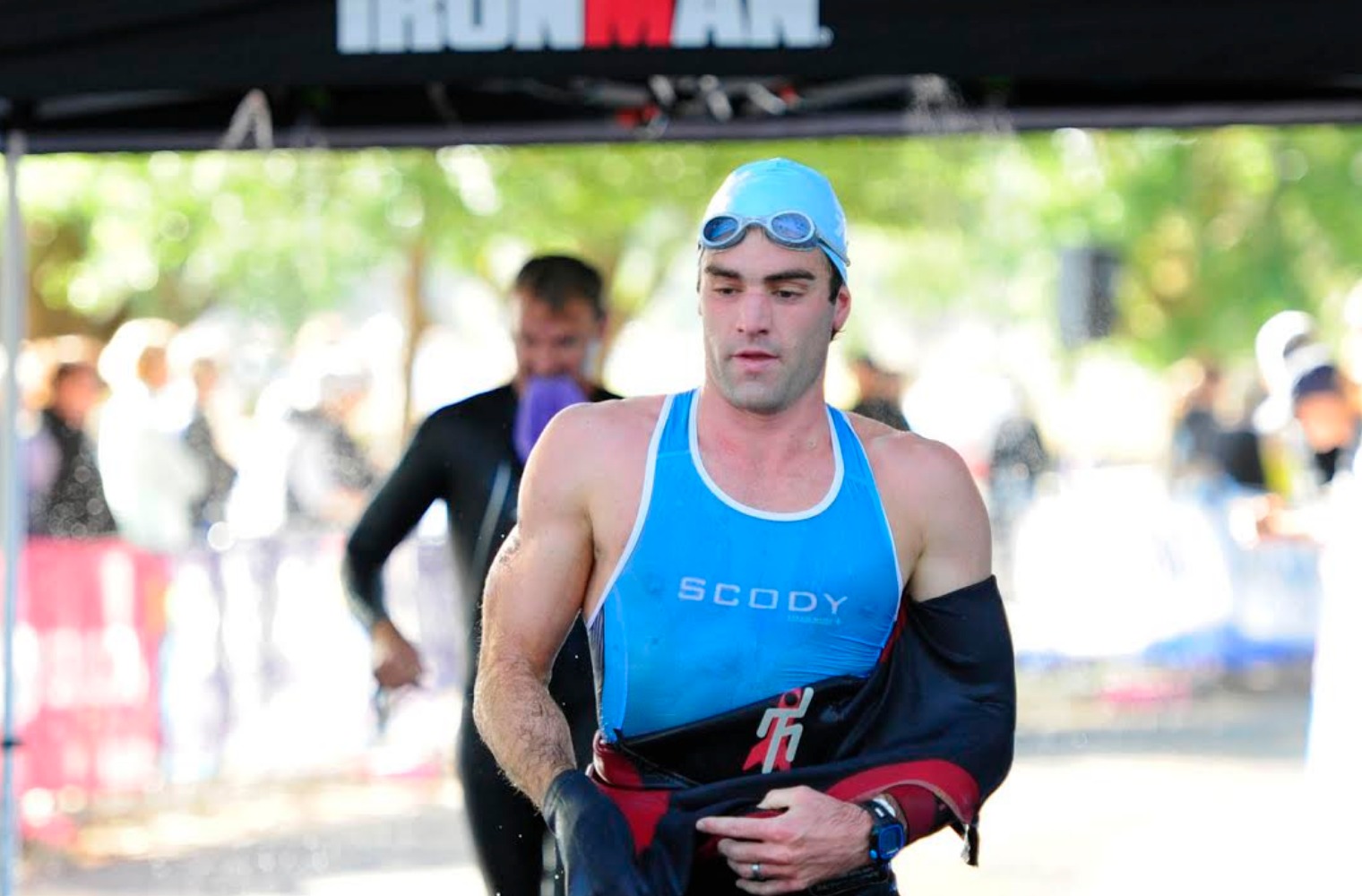








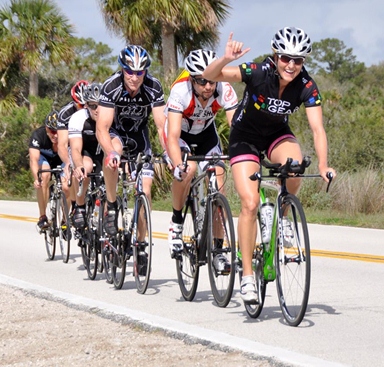
 Our guest for this episode of The Effortless Swimming Podcast is fun, inspiring and motivating. Kim Schwabenbauer is a professional triathlete from the U.S. and a nutritionist.
Kim and I talk about:
- her experience when she broke a collarbone, thinking she would never be able to swim again and turning pro just three years later
- nutrition and training
- what she gets out of the sport
- reasons behind for her motivation
01:33 – Breaking a Collarbone: Adversity or an Advantage?
03:50 – On coming out stronger…
05:45 – It’s part of the journey
09:22 – What do you get out of triathlon the most?
10:42 – Triathlon rewards consistency
20:58 – Learn the basics and build the propulsion
39:36 – Feeling like a kid in a candy store
45:56 – Kim’s Process in Evaluating Athlete’s Nutrition
55:06 – “They’ve found the formula for success and they’re not messing with it…”
01:08 – How much balance do you need in your life?
To learn more about Kim and her work visit her website www.fuelyourpassion.net
Details about her training camp can be found here.
Transcript
Read the full transcript
Welcome to Effortless Swimming, the podcast for swimmers, triathletes and coaches. Join Australian swim coach, Brenton Ford, as he reveals the latest techniques and information to improve your swimming. Let’s dive right in. Hi, Brenton Ford here. Welcome to the Effortless Swimming podcast. My guest today is someone who I think you’ll find very fun, inspiring and motivating. My guest is Kim Swabenbauer and she’s a professional triathlete from the US. She’s also a nutritionist, so we talk a little bit about nutrition as well. But Kim and I were going to meet up in Melbourne when she was in town for the Melbourne Ironman. It’s an event she placed third in as a pro and unfortunately we couldn’t get our calendars to align. We were both sort of busy when each other was available. So we’re going to meet up and do some video analysis, but unfortunately we couldn’t do that. Instead I wanted to get Kim on the podcast to talk a little bit about her story
and how she’s gone from breaking her collarbone and thinking she’d never be able to swim again to turning pro just three years later. And also to talk a little bit about nutrition and how she’s changed some aspects of how she fuels herself for races and training and how that’s gone to help her with her results. And also to talk a little bit about life, what she gets out of the sport and the reason she’s still so motivated to do it and the reason she’s still going so well at it. So many years down the track after becoming pro. So here’s Kim and I were talking about the accident in 2009 when she broke her collarbone and thought she was never going to compete again. So yeah, when you broke your collarbone, do you feel like that when that happened and you came back and then you turned pro not that long after it, like a couple of years after, do you actually think that adversity and a setback like that can actually be an advantage down the track?
Actually, it’s funny that you ask that because I do think that it can be an advantage. I’ve seen pros in a number of different situations. I’ve seen pros that have come onto the scene guns blazing and had a lot of success very early and then run into problems and then end up really having to take a step back and reevaluate and they really didn’t necessarily have the tools quite yet to prepare them and now you’re on a scale that is one that people have a lot of expectations and you feel people’s expectations and people’s pressure even if it’s not there, even if everybody just wants to see you have a great race and do a good job and have fun and all those things, you still feel like that’s happening. So I’ve seen pros in that situation where it really sends them into a tailspin and then I’ve seen some people who have come up through the ranks, had to literally claw their way one rung at a time, work those middle rungs where they were not at the top yet
and like you said, overcome some adversity and challenges and I think that it helps equip you with those same tools that you end up needing as a pro. The things I got out of that situation as amateur were really important and I stared the end of my career in the face and said, you know what, I’m not ready to be done yet and my husband was a big part of that as well. He was just very encouraging and said, this is just one setback, this is not the end and we were having a lot of trouble at the time in our marriage and I almost just said, well, it’s too much, triathlons too much and it’s part of the problem and I’m done and I’m really glad that he was there and didn’t let me do that. So it was good. Yeah, it seems like that if you can come out the other side of something like that, whether it be a broken collarbone or whether it be a really bad race or it could be maybe something happening with your work,
if you can come out the other side of it, then you take that learning and you realize where you went wrong and you normally don’t make that mistake again and you come out the other side stronger, you’re better educated and you come out a little bit smarter and you just kind of take that into your next phase of life phase of professional sport and it makes you just that much better than someone who hasn’t been through it and you see someone like Mike Tyson who was the best at what he did from a very young age and he made all this money and then he got, he had the drugs and the alcohol, he went bankrupt and now he’s come out the other side of that where he’s now got himself back on track, he’s got a family, there’s a movie being made about him like he’s kind of went really big at an early age and then went down, hit rock bottom and he’s now coming back from that so if you can come out the other side, you just become such a, you learn so much as a person.
Yeah and I really think in the sport that we do you have to have your own reasons for both lining up to the start line and even everything that comes before that, the training days that are six hours where you do not want to be out on that bike, it is raining, it is cold, it is ugly, you better have your own reasoning and something rooted really deep within your soul about why you’re doing this and it can have nothing to do really truly with oh I’m going to try to win my age group or it’s got to be something even a little bit more than that and I think that those people who have been through things and have come out like you said on the other side they really believe in their hearts it’s something that they want to do and it’s for the betterment of themselves as a person and or they’re doing it because their father is watching them from above or because they promised someone that they would or whatever it is and those are the kind of people that I think
have long term success in what we do they feel it’s much more than just a result on a page it’s part of our journey as people and part of the journey is sometimes you’re hitting rock bottom and you’re looking up and going I don’t know how I’m ever going to do this but that’s when you have great people around you that help build you up and just won’t let you fall so it’s pretty neat I find that when I hit that rock bottom or a space where I’m just not happy with things and trainees are going well when you’re feeling like that I always just try and think back to it’s going to be a rollercoaster you’re going to hit these lows but it means that the next high is going to be really high and it’s going to come sometime soon so you just got to stick it out but when you’re down there it is very hard to just remember that it is yeah, sometimes it’s that you got to suffer for a couple of weeks and come out of that hole and I found that training at a young age too
I was swimming eight, nine times a week and doing a couple of gym sessions when I was in high school and I think partly because I wasn’t getting much sleep and you’ve got early morning training you’ve got school and you go straight to training again I was just really just so run down and there was times where I just wanted to sleep in and I never wanted to give it away but I just needed a break I’m so exhausted but when you come out the other side of it and then you would have nationals at the same time every year and when that comes to fruition when those 12 months of hard work towards one or two specific events and that comes through it’s very hard to beat that sort of high and I don’t think many people get to really experience that sort of that sort of process where you’re going from 12 months out for this one thing and you’ve got this one chance at it and if it comes off it’s just the best feeling in the world I totally agree and I tell my athletes all the time
I say you need to ask yourself when you’re about to do something that you don’t feel like doing you need to say to yourself how do I want to feel when I line up with 2000 plus other people and you imagine your wetsuit on you imagine you could see the beginning of the swim start the music is playing your heart is pounding how do you want to feel in that one moment do you want to feel like you did everything possible to prepare yourself for this start line that you literally pulled out every stop within reason obviously within family balance but you really if you had a choice about getting out and doing the work out and there’s nothing stopping you and you just decided you weren’t going to do your best job or whatever do you want to question those days when you just kind of said it’s not that important no biggie I’m just going to cut this short you’re not going to want to you’re going to be wanting to stand on that starting line
feeling those feelings saying I did everything I could and I will say every iron you know distance start line that I have done I have always said nothing else that I could I can’t even imagine one other thing I could have done for this so however it comes out I am fine with I will do my best today and whether that means fifth place, tenth place or last place it doesn’t really truly matter all that matters is that I did everything before and I will do everything today that I possibly can if I do that I will never be disappointed in myself and I don’t care whether anybody else how anybody else feels about it other than the way I feel and my husband feels that’s about it so yeah exactly I think that’s really good point what else do you what do you find you get the most what is it that you that you get out of triathlon the most is it the the results that you get is it the acknowledgement you get or is there something else behind
behind what I guess what motivates you and where you get most of the enjoyment from being a triathlete I think it goes back to some of the things we just talked about I think I absolutely don’t know any triathlete that doesn’t enjoy for the most part the journey of seeing what you can build I love the fact that someone like me can start in 2005 and be holding on to the lane line at one end of the pool trying to get across the lane you know breast stroking and back stroking their way to the other side of a 25 yard pool I like the thought that someone can start there and you know come from basically no cycling background at all and a running background and just say I’m gonna work every day to because I really really like seeing the progress I like seeing the numbers come in I like feeling fitter as time goes on I like feeling healthy I feel like I’m a better person because I’m doing this because it helps me feel accomplished and confident
and it helps me feel that I’m you know somewhat in control of my own destiny and my own health and things like that so I like the fact that our sport rewards consistency and guess what consistency trumps talent when talent doesn’t work very hard and I am one hell of a hard worker so that part for me was always so great about triathlon because I thought to myself there’s gonna be very few people that out work me so if someone’s gonna out you know out do me on that day it’s gonna be because they truly are the more talented athlete and so I love that fact that our sport is so rewarding to people who take care of the details and take care of their nutrition and you know sleeping and recovery and all those things and you know just really enjoy seeing what they can do and not limiting themselves and even working on their own mental game because the mental game is such a big part of what we do so you know seeing others do the same as a coach
is just one of the most rewarding things about my life and so I really have made triathlon my life which is something I never thought I would say but I just ended up so passionate about it I just couldn’t help it I just like was thrown into it and you know here I am ten years later you know as a pro triathlete after I couldn’t even swim you know that’s a good sign that anybody if I can do it anybody can truly you know reach their potential and I think that’s the cool part about it that’s why I stay in it because I don’t even know how good I can get yet any of us know so that’s pretty cool well there’s I mean I come from a swimming background and now I’ve started to do triathlons I’ve got the New Zealand Ironman in March and so I’m just kind of getting into that world and I was on the outside of it I guess as a as a pulious swimming coach you know I’ve never really done triathlon and you know it’s early as triathletes
and they’re just so just they just want to get better and they just get become best with it and it’s just it’s they’re thinking about it 24-7 but now that I’ve started doing it myself I get it you know it’s you’re one of us now we’re getting you in you have no choice I tell people I’ve turned to the dark side now so you have but you know going out on rides with your friends and like I used to hate riding the bike but now that I’ve gotten stronger on it and I can hold my own it’s that’s that’s so much fun and then getting strong on the ride and there’s just so many different ways you can improve and see improvement and bring it bring your time down that it’s I can see why it’s such such an obsession it is yeah for most of us and most of us are very high high achieving type a detailed you know we’re people who already are balancing a lot in life I think it just makes us even better at balancing and doing all the things that we love to do
makes us better on a lot of those different accounts as long as you can stay within the realm of making sure that the people around you know how appreciate they are doing all that stuff I mean the camaraderie is just exceptional I feel like there’s only a few a few bad eggs other than that everybody in the group of triathlon is not you know they’re usually not arrogant they want to help each other I love going out on rides meeting new people and meeting new people across the world when I did Melbourne I stayed with to Anna Hoy and Gavin Stewart who I stayed with and just had a baby in Melbourne and they have we’ve literally kept in touch it’s been I think two years or more and we’re still keeping in touch today and that just doesn’t happen very often that you meet people like that and you actually want to talk to them after you go go and do something so you know that’s pretty neat when that is the case I think that’s because we have a good group
of people yeah I’ve got a similar thing obviously the states about I think 12 months ago and I met some yeah met some athletes over there and I’m going to be in the states in April and yeah where are you going to be you never said it’s still not a hundred percent locked in but it’s looking like San Fran LA New York and possibly Texas so I’ll be covering the whole whole country but just still locking those in so I’ll probably be there for two to three weeks I think so where about to you I’m in Pennsylvania the try and near Pittsburgh the triathlon capital of the world just kidding it was eight degrees here today Fahrenheit so I don’t know what that is Celsius but it’s cold yeah really cold is what it is so yeah I’m pretty much in the middle of nowhere yeah is that Central America like in the middle of the it’s central central no no not even central it’s very very under New York so you know just south of New York I can drive to New York and about
I would say about two and a half hours but it’s the very bottom of New York it would take me about six hours to get to New York City yeah but it is yeah things like that are drivable mm-hmm yeah cool yeah so oh great yeah well I’ll say freaking catch up when I’m over there that would be that would be so nice I would really like it because you’re the swimming guru and gosh knows I need help swimming so that would be so great was there a point with your swimming where you felt like I mean coming from next to no swimming experience is there a point where you felt like it clicked for you I would not say that that was really ever what happened no I do not think it did I honestly think I started out with some good fundamentals because I did start out using some methodologies that I feel like started me in the right place with balance in the water and body positions so I started out really not not pressing myself to be fast
I just I really wanted to master some very basic things that I thought would be important later so I spent the time doing that and then sort of just details as time went on I just I was relentless about a video tape go back to my coach you know at the time what do I need to do what drills okay starting again what am I doing now let’s video tape again you know just really making sure that over the years especially through those middle years that I just never ever just was laxadaisical in examining my form and you know I mean just obviously thousands and thousands and thousands of yards and then once I turn pro it became well you’re gonna have to swim six days a week and that’s just how it’s gonna be if you want to even remotely get out within you know five to ten minutes of these girls that’s the only way you’ll even compete in the race so you either that or you’ll never see anyone pretty much you know you won’t even have a chance to run
anyone down because everyone else will be gone and they’re already be you know at the finish line so I think it was more just you know continuing to always pay attention to form always thinking about what I was doing I never was a person who would be willing to put on headphones when I was swimming I always thought to myself there’s no way I’m gonna do that I have to be every moment about where my hand is do I feel my my lat engaging is my elbow staying high underwater am I getting that pushed through the whole way through my stroke so that I can really make sure that I come out the back far enough I always in thinking about one or two to three things you know that are going on my stroke and that’s you know always just been kind of how it is and then just improve over time I had Joe Rodriguez on the podcast who’s of tower 26 in Santa Monica oh yeah we all know him and he and one of the things he spoke about was
presence and talking about getting rid of the the garment and just thinking thinking and feeling what you what your stroke is doing and that and same thing with headphones if you’re if you listen to music it might be it might make the time go quicker but there’s a really good chance that you’re not gonna be you’re not gonna have a hundred percent concentration on your stroke and and when you’re swimming like training is yes to get fit but it’s really just to dial in your technique and be able to keep that under pressure and if you’ve got any sort of distraction you’re not going to you’re not going to be there a hundred percent with yeah with your focus so it’s with swimming I mean I think running and biking you can get away a little bit with that being focused on your technique but swimming you’ve always got to be thinking about it there’s no way absolutely oh no I totally agree yeah I I do I and then you think about it running
and cycling you have a point of contact with something else the way you’re running your point of contact is with the ground the ground is static but cycling you are locked into your pedals and and you know you’re sitting on your seat those are your points of contact swimming is a free for all you are literally in a liquid body of water which has which is so dense you know that every single movement makes has a huge reaction to it so every single thing that you do and you’re doing it thousands and thousands of times in one workout so that’s why I find swimming so amazing and maddening because you literally you know the habits you develop will literally be with you and some of the stuff I developed early I’ve had to break because it way it started causing other things from out it’s just like you know really difficult that way but we’re all on that work in progress if you didn’t start a swimmer which I wish my mother
would have done that then I think we’re all in that spot where we’re always working to just one little thing you know can my hand enter a little bit there can I get it down a little lower can I really get that just you know whatever it is so yep transition from from summer to to coach the first probably two years I I basically knew nothing about teaching other people how to how to swim and then I and then I kind of you know I started thinking about what I was actually doing in the water and how that would relate to other people so right and I noticed that you know every every stroke I’m thinking I’m adjusting my head position slightly I’m thinking about how my hands entering and how it’s extending and then the catch so there’s all these little yeah all these little things with every single stroke that you’re looking to you’re looking to adjust slightly to make them to make them happen in the right way and it’s just
all these little things so if you’ve got someone who’s brand new and they don’t really know what to focus on and they’ve they’ve never really been taught what the fundamental fundamentals are that are going to make them faster there’s just there’s a lot to learn so I think similar to yourself if you can learn the very basics first from your balance body position to to relaxing and the breathing and then building that propulsion that’s really the best way to go about starting someone from from scratch is you don’t want them to jump in and and just be knocking out 50 to 100 laps of just rubbish technique you’ve just got to get them getting the very basics right first of their stroke I totally agree and actually if I can’t personally do that that time with them I have athletes go to a separate coach and that is specific to swimming someone that I have personally vetted and feel good about you know luckily my my assistant coach that’s
around here he’s that was his background in swimming I really trust him so if they can get to him I say you need to see him on a weekly basis at least for the first you know two to three months we have to do it there’s just no way around it because I can’t have you in there doing whatever you want it’s gonna it’s gonna solidify whatever it is that’s going on that you’re doing that is not correct it will solidify it because we are we are creatures aren’t our neurons in our communication system is so good that whatever habit we develop whether it’s good or bad we’re gonna be doing it for a long time so you know that that’s just so critical for a new swimmer because they’re totally overwhelmed it feels so foreign to be in the water as an adult and if you didn’t grow up that way and you have to get started with some sort of technique work is right off the bat I say that’s the wisest use of your time and money you’re gonna save yourself months
worth of headaches and I’ve had people go I mean night and day two months later they’re different different swimmer than when I saw them and it’s just absolutely amazing so I think that’s really key is to get some good outside help and you know get feed feedback via video and someone else watching you and all those kind of things and I like how you’re consistent with the video like you’d have it filmed you’d look to make those changes and get it filmed again and it’s pretty similar to what we do at the clinics as we film at the start we take them through the drills and the corrections and then we film again with the iPad and show them what it looks like when they think they’re making those changes and you know a lot of times especially with crossover you come in across the head with the hands they might feel like they’re swimming really wide but they’re still coming across the head so just little things like that
it can take a lot of visual feedback to actually to make sure you’re doing the right thing in the water I totally agree video is so key because you really truly think you’re doing it one way and you see that video and you cannot argue you cannot argue you cannot tell somebody yes I am coach I’m doing this right I really am I’m not crossing over anymore yeah we have you on camera so yeah it’s really I mean I agree it’s some of the best feedback that you can do I had my husband videotape me for years I forced him to come to the pool and then we’d send it to Michael so I’ve been doing that stuff I’ve been putting him through this kind of stuff for years because I just have if you have that intention to detail and you know you want to get better and you know why and you’re willing to spend the time it’s just you’re your own personal project and I want to be able to swim for the rest of my life I don’t want to just swim
for now I want to swim because swimming honestly has become a part of what I do and I think it’s one of the healthiest things that you can do that has no impact that if you’re 90 years old you can still swim so you know it’s it’s such a great thing to be able to enjoy and should I get thrown off a boat guess what I’m gonna live so you know that’s at least as long as the water isn’t you know absolute the thing that kills you because it’s so cold other than that I like that idea of being self-sufficient and in the water and feeling like you know what for the rest of my life I can teach my kids to swim I can do other things with it I think that part has been such a gift you know to to be able just to go out in the ocean and swim and not not worry that’s been really cool so yeah yeah it gives you a different kind of confidence when you know that you can handle yourself in most situations when it comes to water and right a
small thing as well you even as a coach I’m at the pool seven times a week coaching and you’ll see someone like see just a public swimmer walk in and just by looking at them nine times out of ten I can have a pretty good idea of whether they’re going to be a strong swimmer or not just by the way they carry themselves when they walk into the pool so that confidence when they’re going into an environment like that it shows through even just by the way that they walk before they’ve even jumped in the water so it’s yeah it’s a special kind of confidence you get from being able to swim and be comfortable in the water yeah and I think my coach and I’ve had coaches say this to me for years you fake it until you make it I don’t care what it is we’re talking about if we’re talking about swimming you act like a swimmer you come in with the swim bag you come in with all the stuff you need you know use the kind of towel swimmers use
you are a swimmer even if you do not feel like a swimmer you act like a swimmer you act like exactly like the swimmers would act you wear the same things as the swimmers would wear you fake it until you make it because one day you will be a swimmer so for a while you don’t you feel like you’re a fraud and you’re like I’m scared I mean I had the night before first night before masters I couldn’t sleep I literally didn’t sleep all night I just laid there in bed and I was like I’m petrified what if these people see that there’s no way I can ever keep up and they’re going to lap me and all the stuff and I was so scared but I was like you are getting to that masters team because this is one of the ways you’re going to get better like one time out for every time every couple laps you’ll just stop and you’ll wait and whatever then I said I have to do this this is part of my development as an athlete and I’m going to do it no matter what
we all take those leaps of faith in whatever it is we want to do and if we want it bad enough we will do it so act like a swimmer until you are one you just do it anyways yeah that’s it we’ve got quite a lot of very good swimmers we train at the pool a couple of guys who’ve been to the Olympics and when those guys and girls when they are up about to jump in the water for a session they’re just so loose they’re so relaxed they’re shaking their arms out and just from the moment they dive in you just see how comfortable they are and if you can take that sort of mentality going into your swim session where the first couple hundred meters are going to be really slow really relaxed and you’re just looking to get the feel for the water it’s the same as what all the very top guys do and having that sort of mindset jumping into the water it’s going to help you because you’re not going to be hopping in and panicking and just rushing at the start
so yeah you just want to be relaxed as possible at the very beginning yes I totally agree and you know what sometimes like Jerry said it’s just as much about feel and not even about time some of my athletes get obsessed with time they want to write down every single time and I say you know what you guys are getting too focused you know take a different approach take a feel for the water on some of your sets you know take a feel for the water approach what do you feel happening what’s going on with your body where is your mind does your mind able to stay focused not always going by things one way and as we try athletes like to do it where we cling on to those times and try to use them as some kind of gauge how you know what was it you know and sometimes they say what was a bad swim workout and I say why and they say well because I was four seconds off my best 100 time I say listen this is crazy you’re not going to be
not every single time you get in the water is it going to be that you are at X best day I said sometimes we all get in and we do the best work that we can that day and we focus on something else if it’s not time because that’s not going well then we then change the focus that’s another thing to think about that day and then you can still have a successful day because you executed that portion of your psyche and your workout and working on that one area and you know maybe you’ll make it a great workout in the end so you’re in control of if you have a good workout or not and it’s not just because of time that’s a wrong way to look at it that’s the problem with wearing a garment in your swim workouts you get too caught up in trying to have a faster average or being too concerned with your times but if you’re doing most swim sessions you’re going to have some variable pace work where you’re going to be going very easy, very
medium pace and then fast if you’re too worried about wanting to have the fastest 3K swim set of your life when that’s not the same in the session you’re losing the reason that you’re being there so on Monday I did a swim session which I haven’t done for about 10 years and I knew it was going to hurt even though there was no intensity whatsoever but we had time cycles to go on but there was just no concern whatsoever with what times we were coming in at it was just all about technique, being relaxed and just focusing on a couple of different aspects of my stroke and then just making it through for the 6K just to get a bit of endurance in the arms so you know you’ve had the garment on I’d probably be looking at it after each 400 or each 300 and going I can go a little bit quicker here because most triathletes and most of that sort of mindset is they get competitive and it’s hard not to get caught up in trying to go better each time that you’re
hopping the water. Yeah and I think enjoyment for us is a big deal if you dread going to the pool because it becomes a non-enjoyable experience you’re not going to get into the pool more you’re going to get into the pool less I think for a lot of people it’s what is it going to take for me to enjoy this and the more enjoyment I get out of it over the long term I’m going to be a better athlete because I’m going to want to go there I’m going to enjoy working on different things and so you have to find enjoyment from other places other than just you know a time or something like that there has to be it’s camaraderie with other masters swimmers it’s you know working on something that you didn’t know you could work on and you felt something you never felt before you know it’s those kind of things I think that keep us coming back and enjoying the process of working out and so if you’re doing those things and yeah you’ll want to get back in and do another 6k
not instead of making it like this horrible experience like you know like someone can do it all is awful and we just kept repeating the same thing over and over so yeah we want we would need some some breaks from the monotony and change it up a little bit is good. Yeah that’s that’s right and for like for the some athletes that I coach if they surf I say it’s okay to have depends what they’re training for but it’s okay to substitute a long easy swim for a surf and that’s what I’ll do if the surf is good because I know that you know I’ve swum since I was very young and do it having a surf will be pretty much exactly the same sort of workout as a strength sort of session would be and then you know if the weather’s good I might just go and train by myself at an outdoor pool and sit around the pool for half an hour and just stretch and relax and listen to music and then hop in and do the session because I know that by the time I get out
of that workout I’m just going to be feeling so good because of outside it’s warm weather and it’s really feel you can it just feels like summer that way and that’s more enjoyable than swimming in an indoor 25 where there’s no air circulation and I’d get out feeling it’s really stuffy and you know you feel a little bit lethargic from the stuffy air so it’s whatever you can do to make yourself want to come back for that next session as opposed to finishing and going on stuff I don’t want to get back in the water for two or three days if you can make it as enjoyable as it can be without while still getting the what you need to yeah that’s the that’s so important I totally totally agree yeah you absolutely that’s that’s and I wish I could go outside right now and swim outside in the gorgeous weather you’re making me jealous I shouldn’t have brought that up sorry isn’t it it’s isn’t it summer right now it is yeah and we’ve had such
an awesome summer too it’s been I don’t know in Fahrenheit but in Celsius Celsius it’s been high 20s some low 30s with some 40 degree days as well so it’s been been a really good summer for us so it’s and we’re in Melbourne which which is normally a little bit colder than than Sydney and parts of Queensland as well so it’s it just makes training so much better and but I guess one of the good things that I find about winter is that you know at the end of summer sometimes you just you’re just so sick of being hot all the time and yeah and cool that you actually look for those cooler days and then you get halfway through winter and you go I cannot wait for summer then you have spring time and it’s yeah and it starts to warm up and it is there’s some sort of there’s that sort of feeling in the air where you just got this expectation of summer coming and everyone’s excited they’re enthusiastic and they’re motivated so they’re they’re going out and they’re working
out and it’s I love that sort of that time of year where you’re just coming out of winter and people are really starting to fire up for the for the summer. I totally agree and it’s so funny here because in the in the early season you know people are excited about getting out on the bike and and we’re wearing all the you know we’re wearing lots of clothes and you don’t know what to wear and all that kind of stuff and then but then after they’ve been through summer and they go into the fall you know people are still wearing things that they would probably not you know I mean if it was the same temperature in the spring they would have done something totally worn something totally different you know they would be like you know what I mean they’d be in the spring they’ll be overdressed and then in the summer everybody’s like oh it’s still fine you can still wear shorts and I’m thinking if this was you know what it was in March
or April I’d be freezing so it’s just kind of funny how things change and but I love how we’re outside for all the you know what we do requires to be outside for pretty much the entire year I’ve run in every single condition possible throughout my career and I’ve I’ve really been on that bike through just about almost everything possible so it’s it’s pretty neat we get to see the world from that kind of you know place like I think that’s something that people don’t realize that we have but we really do we’re we’re one with whatever’s going on outside in nature and it’s it’s pretty cool to get to see those seasons firsthand and get it to experience them you know it’s pretty neat and it actually puts you more in touch with with nature than most other people I guess are in touch with so you might the average person might look at what the weather’s going to be this that that day is it going to rain but as a as an athlete you when you’re getting
on the bike if you’re going for a run or if you’re swimming you’re looking at all right what’s the what’s the wind doing is there’s rain coming at any different times and you really get a feel for the different seasons especially when you’re on the bike and and just getting out into the into nature we’ve got you might be going out in the forest or you’re going along the the beach like we’ve got some some awesome bike riding along mountain which you would have seen last year yeah along the well you’re riding along east link but then there’s there’s beach road which has got some awesome views and I rode it yeah yeah exactly so nice when you get a day where there’s no wind and the water is just glass and you know you’re going for a ride with a couple of mates I’m all going for a swim out there as well it’s just it’s you come out of there just feeling like you like you’re sort of back in touch with with with who you are and then
mm-hmm it’s just good to get out of the office or away from the computer and be able to do that I totally agree I on those days when you’re riding your bike and the sky is blue and I literally think there is nothing in this world that I would rather be doing you could pay me a million dollars to do something else and I’d still do this because this is where I’m truly in my happy place where I feel alive and you know I’m just so thankful and I think having that kind of attitude makes every work out better it makes everything that you can give back and give to others better I just think you are in a better space if you can really appreciate those kind of things and that is a good feeling and there’s really not a whole lot of things you know for me personally that I do activity wise it could replace that you know that’s that’s special when you get to those kind of places you’re like man this is good this is why I do this it’s not it’s not
necessary I mean yeah it’s great to cross the finish line and do all that kind of stuff but when you’re enjoying stuff like that it’s really um it’s really part of what makes this beautiful this whole this whole process so I love it yeah when I first came out of university I was working for a for a swimwear company and I was just sort of doing the nine to five type thing Monday to Friday and that was coming from a from university where I had basically no schedule and you know as a student you’ve got all this free time and you can do what you like when you want and I felt the hardest transition I found was just not being able to go outside during the day and especially back then I was surfing a lot and if I saw that the surf report was good and I had to be at work I was I was I was a very cranky yeah I was not happy so um and now and now I’m fortunate enough to be in the in the position where I’ve got control of my schedule
where I get to coach and run clinics and camps and things like that and and just being in control of that so that you know when the weather is good I can go for a ride or a swim or a surf and and be outside during the middle of the day which is something that I valued highly and I’m just so grateful that I can that I can do that now because I know that if I was if I had to been in office right now I I just yeah I just feel like I’d really be missing out on on the weather and the yeah and being outside right and I totally agree and which leads me into another interesting little bit of a point is that when I was I did the same thing I worked nine to five long long time eight nine years and then did the same thing as you as you went out on my own and for the first year or year and a half and when I was out training during the day I would call call my husband or I call people and I would say you’re not going to believe
this guess where I am right now and they’d be like where and I’d be like I’m at a grocery store on route whatever doing this and I’m picking up the coke you know and I’m going to do that and I’m going to ride another 30 it was like I was it was like I was cheating the system I really thought I was getting away with something that nobody else and I was it was terrifying because all the sudden there was no paycheck coming in except for one I was going to make and you know obviously that part was terrifying but it also felt like I was like a kidney candy store I felt like I felt like I had beat everyone you know but then I realized what it’s really like which is you know I got as I got more and more into it I realized I worked seven days a week I work pretty much from the time I get up until the time I go to bed I am checking my email I’m responding so I realized that there are trade-offs with whatever it is that we do
and that being a pro is is not an easy life that I did I didn’t just choose you know this easy thing that was just going to be handed to me that I chose something that was so difficult that the majority people just drop out before they even get to see whether they’re any good or not because it’s so hard but yet it was you know such it was in the state like something I would never change about my entire life doing that whole thing and the whole experience start to finish but it’s funny how I went from you know the way I felt about it in the beginning which was still is still I mean all kinds of sides of it now where I’ve seen everything from the start to the in-between to what it takes to be really good and how it means I have to structure my whole life and it’s really interesting to see and I would love to mentor new pros on it because guess what it’s not an easy transition all the time about it so yeah it’s pretty great
and as you said there’s pros and cons to each of those and like I look at what I’m doing now and I’m coaching my clients most days and then trying to fit in my own training and then got the business and got family at home and then I go just wouldn’t it just I think wouldn’t it be easier if I had a 9-5 and I could just go out train in the morning then after work go and train again and you haven’t got this constant thought in the back of your mind like I should be doing work or I should be out training and having your own schedule it’s easier to let things I guess to not do things because you go maybe I should be doing more work here and there but when I was working working full time it was I just had my weekly schedule down where I knew Monday, Tuesday, Friday, my swim mornings and then those nights I’d go and swim in the afternoons and it was all just very structured whereas when especially those first couple of years when you
can train when you want and do what you want it’s so easy to just not do that because you’ve got all this time you think and then yeah and then you say that’s okay and put that off for an hour but then let that hour go past and there’s a good chance you won’t be doing that session or whatever you plan to do Absolutely, what I learned as a pro after a while was that things had to be structured almost like this is your job and you will be doing this from 6 a.m. until 1 p.m. every day unless there is some extreme reason that you aren’t going to be training during that time that is prime time training and that’s pretty much when everything has to fit unless it’s a really long day in which case it’s going to go until 4 o’clock instead of 1 o’clock but other than that the minute you’re done at one you shower you eat if you’ve got to take a quick nap you do it but if not you better be sitting at the desk you know it’s time to work
from 1.30 or 2.00 until 6.00 or 7.00 at night and a lot of days were like that I mean actually most days were like that including the weekends where some days I only got to work 3 hours because there was a really long training day there can only be 3 hours of work done so the next day I better come back if I only have a swim and come back with a good 7 or 8 or else something was going to slide so I had to treat it like this is it, this is how it has to be structured in order for you to get everything done and to do it well and you do start treating it as a job and it starts finally making some money for you as a job so that you’re at least breaking even versus actually putting out all your money to it and paying for all your trips and everything like that so yeah that’s when I really found success is when I really treated it with that type of mentality and took it really seriously and could get everything done but yeah until I did that it was rough
so yeah well it sounds like you had a really good structure in place and just getting into the habit of doing that when that’s in place everything is so much easier to do so having that daily habit where you’re training in the morning working at night that’s a good way to do it and I know some pros who work say three days a week with the company and then Monday or Wednesday they’re not working so that would be their big training days and just that sort of structure can really help to help you have a good routine to fly absolutely I totally agree and if you can do that then at least you’re not doing your workout it’s funny when you have all day to do something you don’t have a lot of work at night I don’t know why that happens but you have to put in a load of laundry and then you have to do this and then you have to do that so I think the more we can be smart and structure things to be able to balance life and still see family and do all those things
I think the better off you are in the long run because yeah you end up getting things done and the priorities are there and that way you’re not feeling like oh my gosh I’m really scrambling at the end of the week to try to get all this work done or things like that so yeah I really encourage that structure works really well for us and so does routine so those parts are key for triathletes and what you do now is a lot with nutrition so one thing I wanted to ask about was what’s your process when working with someone when you’re looking at their nutrition because I’m really interested in how people look at what someone’s doing and then how they’d go about making those changes because I know as a coach when I’m working with a swimmer I’ve got this process in my head of how I evaluate their stroke and I follow the same process every single time and having that process just gives me structure to kind of break down what they’re doing
and then give them a simple or a very clear way that they can then go about improving their stroke because I mean there’s so much to think about and if you work on one part of their stroke and fix that that can change something else with their stroke so to have this sort of detailed process and to know what that is I find that being really helpful so when it comes to nutrition is there a certain type of process that you use with athletes? Absolutely I think it’s actually now that you described that very similar in some ways to the swimming process in that each person is an individual entity but there are still things that we have to know as dietitians when we start out we need to know some medical background so some patient history is really important so we can understand the full picture of everything from medications to herbal preparations they might be on to what’s your highest weight what’s your lowest weight that you’ve ever been
how did you feel at those kind of places and other things about anything medically that would interfere with diet or any sort of dietary patterns or restrictions that they’re currently placing on themselves that either are for medical reasons or because they really just believe that this is the way that they need to do things so that could be anything from a vegetarian diet vegan diet to gluten-free diet there’s a lot of different things that people are doing now and understanding why they are doing those things is really key because it can be very deeply ingrained and it’s going to affect how you end up counseling that person and what you need to do for them so obviously understanding their goals so they’ll know a little bit about you now but what is it that you want to do what’s most important to you and how can someone like me help what do you expect out of our relationship and when we see that as successful if we can is it lose weight
change body composition or is it just have more energy in the afternoon or feel better during my workouts there’s a lot of different reasons so you’ve got to really dial those in figure out what is going to make them happy they’re the client so if X happens then they’re going to feel like this so you have some idea of what your expectations are and then going through some questionnaires about their food habits and their knowledge base so understanding how much do they really know because some people are starting out from they’ve been reading every nutrition article under the sun since they were young and they’re very interested in it to other people who have gotten cultural influences or influences from friends and family or just read a couple things on the internet and have really not an education based background on what does it even mean that if I talk to you about what calories are in a food do you know what I’m even do you know what I’m talking about
do you understand if the calories are energy or are you scared of calories because someone told you once that calories are a terrible thing to have calories you know so you have to really try to understand where you’re starting so that you can meet someone where they are you can’t start talking to them about macronutrient ratios if they have no idea what you’re talking about you’re just doing yourself and them no good whatsoever so I think starting there and then eventually looking at blood work looking at have they had anything tested what physiological things are going on that we can address if someone has a low vitamin D or a low iron we’re already working against factors that there is no way that I’m going to overcome factors like that by just changing one thing about their diet we would have to do a drastic overhaul and do supplementation and do other things to really address those issues before they’re going to see any progress
and feel better just giving them an afternoon snack is not going to fix it for their blood values and things like that so you’ve got it that information is really key for me and then eventually doing a food record to see what’s happening on week days for them and what’s happening on the weekends because the weekends are a different time for most people so what it is that they’re doing fit into their life what are their reasoning for doing what it is they’re doing do they always have to eat breakfast at this time because their kid is going off to school and there’s the only way to get this in is to do it this way or are there other options what’s their lifestyle like what’s their training like how much are they training do we need to be having a diet that addresses calories because they’re just not getting nearly enough to train for Iron Man or do we need to they’re only doing an hour a day and so we really need to scale back at certain times
because it just doesn’t make sense what they’re doing and they’re eating like they are doing the Iron Man and they’re not those kind of things I think are really key for someone in my position and then just coming up with two or three things like you do with swimming that they can start with because if you try to overhaul the entire thing at once because you if I see seven things that we could correct and I give them all seven they’re going to just shut down and say I can’t do any of this this is way too much this is so much change it’s so hard for me to think about what it is you’re saying but if I say could you just drink some more water and could we you know maybe take an omega-3 now fatty acid supplement because you know I really feel like this is a lacking thing in your diet you know you have a lot of inflammation in your diet and I want you to just take this supplement after talking to your doctor make sure it’s okay but let’s do that
and let’s do one other thing let’s just get more sleep then if I say those three things they go oh yeah I can do that I can totally do that and then they come back the next thing they say I did those things and I feel oh my gosh so much better what else do you want me to do so that’s how I think I can do it and I guess you’re taking a lot of detailed information and then you kind of process it and spit out something really simple that they can do to change exactly and seeing long term what the ultimate goal is what it is they ultimately want to do they want to change their body composition or whatever it is but breaking it down into smaller things that seem very achievable and making those barriers to entry because if they’re big then people just can’t we cannot do them it’s just not in our DNA it’s really tackle all this stuff at once so if we can just come up with a couple and really it probably takes two weeks to really make it feel more ingrained
and that it’s part of what you’re doing now and this is who you are and this is what you do it takes a while for those kind of things to happen and even as a dietitian when I first met my coach he said well what are you eating for lunch every day and I said I’m eating a sandwich and he said okay he said why don’t you eat a salad and I said well I don’t know I don’t want to eat a salad he said well you aren’t really getting enough vegetables during the day and then I said but I’m a dietitian he said yeah I don’t care you’re not getting enough vegetables and I said okay well I guess I’ll try and it’s funny that one change for me was a big deal because for me salad was like oh man people just eating salad and then I started eating salad and I thought this is a whole new world and here I am doing the exact thing that I ask everybody else to do but for me doing it took a little bit of you know he said if you want to get better eat a salad for lunch
and I said okay with protein and I said okay I’ll do it and so you know I was trying all that and I finally was going so well and I thought why didn’t I ever do this before so yeah so that’s kind of how it works for all of us I guess is what I’m trying to say yeah that’s right and I I noticed the same sort of thing when I’m swimming and I’m just so many hours a day working with other people with their technique and everything and giving them like sets to do and things they should be doing in training and then you get to your own stuff and it’s like oh man I’ve just like you’re almost exhausted from working with everyone else on it and sometimes your own, well for me it’s sometimes my own swimming or maybe your own nutrition can slip a little bit just because you’re so focused on it for that many hours of the day so it’s um yeah but when you know when you can sort of take your own medicine it’s it works really well so
like I’ve found that just doing a couple of things in each of my workouts like I’ll always pretty much all workouts I’ll do even 600 to 800 meters of threshold work even if it’s an easier session because I know for me that’s what works and then there’s a couple of drills that I’ll do every session because I know that’s what I need to focus on um and so I’ve just tried to make this as easy as I can to include those things into every training session because um yeah because I’ve now got this habit of alright I do these two or three things every session and that’s what’s gonna get me to where I need to to be whereas if I try and over complicate it it’s um yeah I’m not getting it done. Absolutely sometimes I tell people the best thing to do is to create a good habit and then take the thought out of it just take the thought out of it and it’s surprising the people who lose weight and all dietitians we’re always talking about you know
oh you have to you know eat all these different things be varied in your diet but the people who lose weight and keep it off are really the people who have figured out what works for them and they tend to eat the same things on most days they actually if you look at their diets they’re pretty darn the same but the things they’re eating on a consistent basis are providing them with good nutrition enough protein they’re getting in you know good servings of fats they’re already doing the things that work and they just continue to do them because they found the formula for success and they’re not messing with it so while they might add in something every once in a while here or there for the most part their diet is varied enough and they’re just sticking to what it is that they do and they just do it every day and they don’t think and that’s almost when we do the best and we’re kind of like on autopilot and these things have become so ingrained that you don’t
have to think anymore you make your salad every day that you make and maybe you maybe you throw on one little extra thing as a just to change it up just a touch but pretty much we do the same things and that’s how we’re successful and that’s how you know this kind of thing we use sometimes works yeah and that’s what happened when when I was training in high school getting up at quarter past four every morning well not every morning so I think it was four months a week we’d be doing it and you know as soon as you think about it as soon as you wake up and go oh my god it’s four fifth then in the morning I want more sleep that’s when that’s when it’s easy to hit the snooze button luckily for me my dad was my coach he’d get me up and there’s no way I was getting out of it but if it was on me to to get up and go training it’s just yeah you just can’t let the emotion or the I guess the logic to come into your thoughts so
yeah if you can, I knew that I was waking up four fifteenth then you just kind of like a zombie getting out of bed putting your bailers your clothes on and just walk out the door have your breakfast and then get to training so there’s very little thought that goes into it once it’s become habit and that’s when you’re consistent with it yeah at pro camp my coach always says to us don’t think just do because all of us are all you know we all get all over analyzing everything and oh why am I not in so and so’s group and so I should be as fast as they are and you move me in the swim lane I can do this you know you have all these things that you wanted to start coming into it and he says don’t think just do do the work out do it like you’re supposed to get out of the pool move on with your life do the do the bike work out get on you know what I mean like get out of your own way we’re all so busy analyzing and over analyzing and bring
all this emotion into it thinking all about what what so and so did so it’s just focus on yourself do what you’re supposed to do and be done with it and actually that ends up working out pretty well a lot of the time for us you know not over analyzing it and just getting out of your own way so yeah yeah big time yeah and and then with with nutrition is there is there a couple of points that a couple of maybe common mistakes or common misconceptions that you see a lot of swimmers or or triathletes making when it comes to nutrition like you know with swimming there’s there’s always three four or five main main missed areas of people making with their stroke is there a same thing with nutrition I would say for our group sometimes there are there are things can some consistent patterns that that I see I would say for one sometimes people are not eating enough to be able to sustain what it is they’re doing we we as as athletes sometimes tend tend to underestimate
drastically the amount of activity that we’re doing and we sometimes end up really shorting ourselves on on calories and we might do that a number of ways we do it either through saying I don’t need as much during the work out I’m just gonna have water I’m just gonna have you know I don’t need a sports drink I don’t need any kind of calories coming in for the six hour bike ride I really want to I really want to you know have a better body composition I want to lose some weight so I’ll just this is where I’ll take it off from and so they end up taking those calories out of workouts or times when their body is literally saying I’m starving to death I will use every bit of you know muscle protein if I have to break down your own protein in your own muscles in order to get this workout fueled you’re giving me no choice this is exactly what I’ll do and then they come off the workout and they’re starving and they go to the restaurant they
you know the entire pizza and the side of this and the side of that and then they say I don’t know why that didn’t go so well well because you did you ended up you know in the first place you just wanted to not have any calories during that workout and your body said literally I’m starving and then you went into the first place you saw and devoured everything in your path so I see you know in general a trend sometimes of people not consuming enough overall for their you know because and then they end up shorting both the workouts and just their own you know metabolism really slowing down because they’re living in a state of constant under fueling of their entire life so you know really knowing a little bit of what you need and engaging your activity and getting closer to matching those things up I think is really important so that’s one thing that I see I think in general just fluid consumption knowing your sweat rate on the bike
you know I see a lot of athletes not knowing those kind of variables and just taking a stab at it and oh I think I’ll just you know have you know half a bottle an hour and really shorting their workouts and so not not doing the right things in terms of dehydration and ending up you know coming off of the workout six pounds lighter so you know just being consistent about getting on the scale before and after you know and thinking they know what they’re doing and thinking they’ve got it all figured out and then they go into a hot race and it’s a complete implosion and they spent all this money and all this time you know doing it and getting ready for it and then they end up you know really not having a good experience and if they just would have taken the time to really understand their sweat rate understand how many ounces they need per hour get really diligent about doing that on a regular basis and you know using a sports drink for sure if it’s over
an hour workout and getting electrolytes getting calories all those things that they need to get carbohydrates then they end up you know can have a much better experience so that’s one that I see a lot trying to think what else you know spreading protein throughout the day I see athletes just like the rest of the American population well in other populations where you get it all at dinner or and you know lunch and dinner but basically no protein throughout the day so what we found is that you need some at breakfast you need it at lunch you need it at dinner but you don’t need all of it at dinner you don’t want to have the entire days allotment at dinner when you spread it out your body is much more able to utilize it to build muscle and repair muscle so you can if you can get a solid dose in the morning with some eggs or Greek yogurt or things like that you can get 20-25 grams of protein in the morning and then 20-25 at lunch
20-25 at dinner and then a couple of snacks and maybe a snack before bed especially on big training days with protein then you’re in a much better spot and you’re going to recover faster and you’re going to feel better so just not adhering to what everybody else is doing you know really making a change within your own diet to be a better athlete and to feel better throughout the day is a big one and let me think if there’s anything else just knowing your blood values even at the beginning of the season people think that they just should feel tired if you’re training for some of these races and you should feel a little bit tired but you shouldn’t feel exhausted so really knowing what those values are for nutrition and having a baseline I think is really important as well so you know where you’re starting and if things go haywire you can go back and look and see what things were at the beginning of the season and then use that information
to see if you need to make any changes halfway through so does that involve getting a blood test is that what you mean yeah yeah I mean like actually going to your doctor and saying listen I’m going to be embarking on this journey or I have been feeling a little tired I’m not sure how some of my values are could you check my vitamin D could you check a full iron panel to see that I do have enough not just iron circulating but also iron in terms of storage form of ferritin so that I know if you know over time I’ve been storing enough iron and that you know my six months six months ago looks as good as it did now you know things like that so that yeah they would actually run that with their doctor just at the beginning of the season it’s always good to do baseline testing for blood work not for nutrition yeah it really is so you know a lot of doctors will run it for you what are some changes that you’ve made to your own diet
and we sort of you sort of touched on this earlier what are some changes that you’ve made to your own nutrition based on what you’ve learnt as a nutritionist over the last couple of years well the great thing is I’ve been able to bring all this to real life through my own training and all those things because I had to get even better than I was at an amateur as an amateur if I wanted to be you know one of the the more competitive pros so I had to take it to the next level and one of the ways that I did that was just to get a lot more meticulous about when I was fueling making sure like I talked about with the protein getting it at very key times especially after workouts to make sure that I got that 20 or 25 grams in within a certain time period after a workout and it can be from whole food it didn’t have to be from a supplement but if I was going to be away I had to get better with planning I had to get better with having things powder
with me to make a protein shake or you know how was I going to get in that next that next supplement or next meal before I had to go back out again and work out again so really getting better about the planning planning is huge and nobody wants to do it but everybody wants it to be easy so you can’t have both you have to plan if you want it to be easy there’s no other way about it so if I spend an hour on Sundays thinking about okay we’re going to have you know I’m going to roast some chicken breasts and we’re going to have something with chicken on Monday and Wednesday and Friday but it won’t be the same thing but at least I have the meat portion the protein portion figured out you know and then I’m going to have I’m going to grill some steak and we’re going to have that on Tuesday and Thursday and so then I would I would have those things done and then I would be able to just figure out what the sides were going to be for each of those okay I’m going to do some
steamed vegetables this night have make sure I have everything on hand for the week so that dinner was figured out lunch was just about the same every day and breakfast usually involved some eggs for me because I was really trying to get enough protein in the morning and eggs and things like that give you staying power so that you can not feel hungry three hours late you know two hours later you can feel like okay I feel pretty sustained by this so I’m really making sure I did those kind of things I started drinking beet juice I was taking a mega three fatty acids I just started doing every little possible advantage thing that I could do you know protein at night on big workout days you know to have 20 grams before I went to bed when I knew my muscles are really going to be rebuilding themselves so you know little things like that and keeping blood sugar just as stable as possible all day by having enough fruits and vegetables so
getting lots of fiber throughout the day and not really binging on sugary things or things I wanted to have just because I was training you know and I was I deserve them because I was training by saying no Kim you can have you know one meal week where you get to go out and be like the rest of the world and go out and do whatever it is you want with your friends and have a couple glasses of wine and whatever but other than that you know I love wine and I had to back it down so my coach was like I’m going to put you on a little wine protocol I only have you know two glasses one night of the week that’s it he’s like that’s all that’s all the calories we can afford and it messes with your recovery and it dehydrates you and it had lots of different bodily processes happen so I see a lot of athletes you know drinking on a regular basis and the fact is it’s working against you so you decide what you want to do yeah you might be able to afford the calories but can you
afford to come back and do a six hour bike ride the next day and feel good you know do you really want to be short in your body getting going with that or right afterward when you’re totally dehydrated and feels real great to have one but you better hydrate too you just got to at least be smart about it so yeah stuff like that was really big for me does that help that’s great it’s sort of similar to how I with the coaches who coached our clinics they’re all they’re all both athletes and coaches because they’ve got that experience and they know how it feels to do certain things in your swimming and they know what it takes to make it to a top level and it’s the same thing with nutrition you’ve experienced it you know how hard it is to give up wine and all this sort of stuff you can relate that to your clients when you’re working with them so I think that’s so important is to have that personal experience with it as well because you can just
relate so much better to the people you work with yeah I agree and it doesn’t have to be all or nothing I said I still went out for a meal a week and did whatever I wanted because I wanted to enjoy time socializing with friends and things like that but I was really strategic about it and I realized that I wanted something so bad that I was willing to put everything else about my life pretty much into this box and it had to work like this during this time because this is how badly I wanted and I wasn’t going to let one thing be the reason why after putting in all that training I certainly wasn’t going to you know let my wine habit be the thing that you know was the reason why I got fifth place instead of third I just wasn’t going to do it and my husband sacrificed too much and I had put in too much time so I think for all of us it’s about weighing those priorities and realizing how much balance do you need in your life if you need more
then guess what your what you want out of the race course might have to be adjusted you know it’s all about the level of sacrifice being commiserate with the goals that you expect to achieve so if you are willing to sacrifice a lot and be disciplined a lot then your goals can be really high and if you are not willing to sacrifice that much because you want to live a very full and balanced life and that is awesome then guess what you know our sport doesn’t really work like that you can’t do usually all of it at once so you have to kind of pick your seasons or pick your times of year you know really wisely I like my athletes to go off the grid at the end of the season I say gain six pounds and go out and don’t talk to me for the next month or month and a half I don’t want to hear from you I want you to go out and be live a normal life and then they come back and say okay I’m ready to train again yeah you got to get refreshed
totally do whatever they want but then they are ready to come back and be able to be disciplined again and get back into the routine I know every time winter comes around after our mainstream season is finished I know I’m going to put on a couple of kilos I’m not going to be swimming much I’m not going to be exercising much but then after a couple of weeks you come back and go alright I’m ready to get stuck in it because I feel like crap I look like crap and I just need to I just need to get myself fit again so yeah it’s all about the I guess the the equilibrium there where you’re training so hard for so long and then you just need that rest time that balance there yeah it’s good for your mind it’s good for your mind to take time away so you’re going to come back a much better refresh person if you lose the fitness and then you have to come back like everybody else your mind needs that break definitely and you’ve got so
for the people listening to the podcast you’ve got a camp coming up in March and you also do some nutrition work with people so can you just talk about that a little bit and what you’ve got going on absolutely well if people want to get in touch with me my business name is fuel your passion f u e l your passion so that’s pretty easy it’s actually .net so if you want to find me via my website or twitter twitter is at fuel your passion so you can always find me there and then we do have a camp another coach Dennis and I are going to be running a camp in Orman Beach Florida March 22nd through the 26th and it’s a triathlon camp that will focus on everything from just learn a lot of learning and then some training but mostly skill work both in the pool and obviously with running and biking so we’re doing all three sports and it’s going to be a five day camp we’re doing that and I coach as well as I have an assistant coach
so if people are looking for either coaching or certainly nutrition advice I work with athletes on sports nutrition from all over the world so I’m able to do that via fuel your passion I’m registered dietitian sports dietitian specifically and I’m getting my masters right now so I’m a busy girl on these days yeah just a couple I’m also teaching a college class on sports nutrition I might have taken on a lot this year a little more than I was planning on but life is good and full and amazing so I love working with athletes I think they’re so motivated and such an awesome group so I have literally the best job in the world it sounds like you absolutely love it which is so important and just having you on the podcast it comes through the way you speak as well so I love having people like yourself on the podcast and just getting to share ideas and get your take on a lot of things because every time I have someone new on the podcast
I learn something from them and able to take that back into my own training my own coaching and just getting all these different ideas and whether it might be nutrition stuff that you’ve spoken about or even just the way you feel about training and pushing yourself and being at that professional level of triathlon it’s so good to be around athletes like yourself so Kim it’s been awesome having you on the podcast and no doubt we’ll get you back on in a couple of weeks or a couple of months time because I’ve really enjoyed this Yeah me too Brent it’s been so nice to meet you I think we’re kindred spirits we are helping people and we both are just loving what we’re doing and I had so much fun this was fantastic so I hope everybody got a little bit out of it and I would love to come back so you have me anytime and I will totally be game for it so thank you for having me