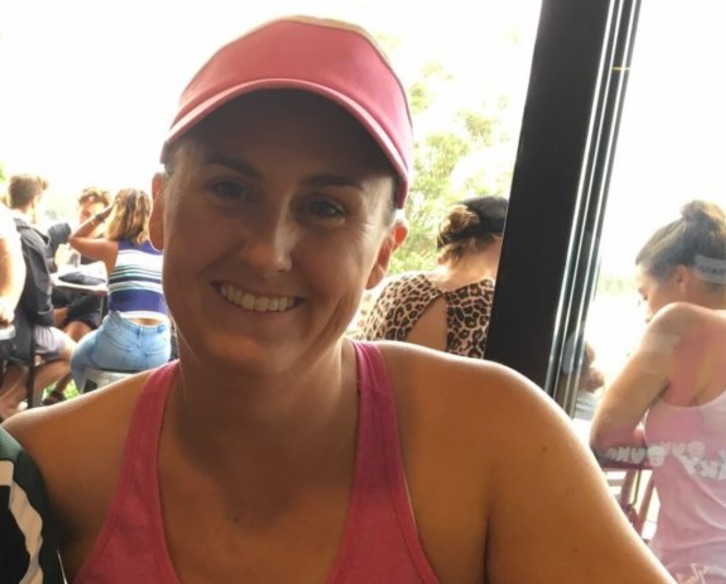








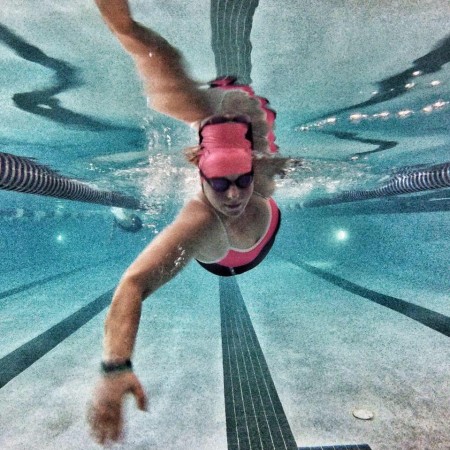
 Meredith Atwood is the creator of Swim Bike Mom a website dedicated to give motivation to women across the globe to women who are doing triathlon and those who are looking to get into triathlon.
01:00 – Take Us Back To 2010
03:28 – Today is the first day of your life. What are you going to do with it?
04:12 – Meeting An Alien
06:00 – Me Love Cookies!
11:22 – From off The Couch to Ironman
15:40 – The Purpose. The Plan. The Process.
16:45 – Why Sense of Humor is Important
20:21 – Swim. Bike. Run.
22:40 – Do What You Want in The Body You Have
28:36 – The Bliss of Feeding Your Body With Good Food
To learn more about Meredith and her work, visit her website www.swimbikerun.com
Transcript
Read the full transcript
Welcome to the Effortless Swimming Podcast to show that help swimmers and triathletes love the water, become a better swimmer and live a better life. Here’s your host, Brenton Ford. Today’s guest is Meredith Atwood, who’s the creator of Swim Bike Mum, a website that provides motivation and advice for mums and women across the globe who are looking to get into triathlons or who have already started triathlons and had a very good time chatting with Meredith. She’s a very funny person, very entertaining, and she has some very funny stories about how she got into triathlon and a story about the recent club that she started. So let’s get into the podcast. Here’s Meredith Atwood. I think you’ll enjoy it, whether you’re a mum, a dad, just anyone involved in sport at all, I think you’ll be able to relate with a lot of what Meredith has to talk about. Meredith, thanks for joining me on the podcast. Awesome. I’m glad to be here.
Thanks for having me. So going back to 2010, you sort of found yourself in a situation where you ended up making a big change in your life. For those people listening, can you take us back to 2010 and explain what it was that got you into triathlon and made a big change in your life? I don’t know if I want to go back to 2010. Do I have to re-live it? You can touch on it. Okay. No, I’m just kidding. I mean, 2010 was a really big turning point for me. I was a lawyer doing lots of commuting in the car and working long hours, and I had two kids under the age of two. I was extremely overweight. I’m still not a stick figure, but was very overweight and just kind of came to the point where I had lost a sense of who I was, I guess, and I was at work and we received an email that said they were hosting a lunch and learn event, which I was totally stoked about because those events had the best cookies, and so I would always sign up to
go to the lunch and learn because I was like, oh, cookie is awesome, and it turned out that this particular day, the lunch and learn was a gym, and the gym was there to talk about fitness, and I didn’t know that. As I was sitting there stuffing cookies in my face, I ended up signing up for a gym membership and getting a free gym bag, and so I went home that night and told my husband, hey, I signed up for this gym membership, and he just kind of looked at me like, okay, well, whatever, because I mean, and it wasn’t like a mean thing. I had kind of gotten pretty far down the road to where I looked like I would even go near a gym, but I ended up going and I walked into this spinning class where there were all these super fit, triathlete types, and I didn’t realize that they were all in the spinning class until I looked up, you know, I was sitting on my bike and put my big bottom on the seat, and immediately my butt started hurting, but I looked around
and saw all these crazy triathlete type people with a swim bike and run on their shirts, and in that moment I realized that I had just kind of lost a sense of who I was, but I literally had like a sort of breakdown on the spinning bike, and you know, it was just like one of those moments the instructor said, today’s the first day of the rest of your life, what do you want to do with it? And I’m like, I don’t know, I’m just gonna sit on this bike and cry. I mean, it was just it was just a tough time, but I just kept going back to this class and getting to know some of the triathletes, and you know, it’s kind of infectious when you start to work out, even if you’re in a place of really bad shape, and so that’s how just kind of the fitness journey started, and you know triathlon kind of came along later. The spinning instructor that taught the class every Friday, he was a multiple-time Iron Man, and so to me he
was like a total alien, but you know, I eventually started kind of leaning toward it and thinking, you know, even at I guess I was probably 220 pounds at the time, like even at that kind of weight, you know, maybe I could do this, this crazy sport like maybe, and so that’s kind of how it started, the curiosity I guess. You hit the nail on the head when you said it’s infectious, I mean, I’ve been a swimmer since I was basically came out of the womb, and I was surrounded by so many triathletes and had so many friends who were doing triathlon through what I was doing with coaching, and I started doing triathlons last season as well because it was just kind of rubs off, and whether it’s swimming or whether it’s triathlon, the people who you hang around with, eventually whatever they’re interested in, those interests tend to rub off on you and you start to learn more about whatever that is, and that’s when you can start to go down that road, and I think
that’s such an important thing to note because if you hadn’t have gone to that spin class and you hadn’t been surrounded by these triathletes, who knows where you might be? Yeah, it’s so true. It’s so true. I mean, who knows? That’s such an interesting thing. I always think about, when I do public speaking events, I always joke about how it was the cookies that led me to it. It was my over-eating problem that led me right to where I needed to be. That’s a good thing for people owning gyms or people who have. Yeah, it’s like if you want to get new members in, entice them with a lunch or cookies or whatever it is, and then start them on that journey to help them. That’s right. It was one big ploy that worked very well. Do you feel like you got addicted or hooked on the feeling that you’d get after a spin class? Was that part of it or was it more associated? Yeah, I think that was, I’m actually not really one of
those social exercisers, trainers. I like to do it by myself. I have a pretty social family and my job at the time was very social, so to me, I think it was the feeling of accomplishment and obviously a good sweat’s really great. Moving your body when you’ve been very sedentary, I definitely got addicted to the spin class. Then it snowballed from there because it’s like, if I can do this really hard class, then I can ride my bike outside for an hour. It feeds on itself. Success breeds success. I definitely got addicted to the feeling and then racing is a whole other addiction. Yeah, that’s exactly right. I can relate to that feeling of being addicted to it. If I’m ever not feeling up for a training session of any sort, I’ll try and get myself to the pool. My rule is just do 500 metres and if you don’t feel like continuing just from after that, get out. Chances are once I’m in the swing of things, starting to feel pretty good and then end up doing the rest of the
session, whether it’s 1, 2, 3Ks, whatever it might be. It’s just about getting that ball rolling. On the weekend I was away running clinics and I hadn’t run for quite a while because I’ve just been focused on the swimming, but I decided to find a heel and just do some heel sprints. After probably five or six, I was like, this feels really good. I kept going and I get down to the bottom and go, no, I’m done. Actually, no, I’ll go one more because it feels really good. You get hooked on the feeling you get during and after a workout. I always tell my friends and my athletes, if you get your hair wet, you will finish your swim workout. For women, it’s like if you’re going to get your hair wet, you might as well finish your workout. I had a similar experience with my bike on hill repeats last summer. There is this massive climb and it’s a mile long and it’s a block from my house. I used to be scared to even go up it. Last summer, I
got it in my head that I was going to go up it. I don’t know if it was 20 times or whatever, but yeah, you just get addicted when you get to the bottom. You’re like, I got one more. I got one more in me. It’s such a good addiction to have. For the times where I haven’t been training or focused on anything and I’ve been focused maybe on eating more food than I have sort of been with training, it’s like you get addicted to that. I’ll just one more bowl of ice cream, whatever it is. If you can replace that with the addiction of wanting to do another hill wrap, then it’s a good positive change and that compounds in everything you do. How do you go from 220 pounds to where you are now, where you’re living a much different lifestyle? Well, for me, I mean, it’s not been fast. I have friends that’ll read my book or someone and they’ll change overnight and I’ll see them one year and then the next season, they’re like qualifying for Worlds and I’m laughing
because that’s not my story and I’m like, thanks, I’m glad you’re inspired by my book when I still don’t even win anything. It’s been a really slow process for me. I was an Olympic style weightlifter. That was my sport of choice coming up. I literally had no endurance ability whatsoever and to build any sort of endurance. It takes time, especially when you’re coming to the sport so late. I still have my own struggles and there’s definitely, it’s been an organic and slow process to go from off the couch and really kind of squirrely and messed up in your head and just stressed out all the time to someone who works out regularly. It’s like it’s every day and I have the training schedule of someone who pretends like they’re fast, but yeah, it’s not been a fast process. When you said about addiction and picking up your hill repeats versus your burger, I’ve dealt with some other addictions. I’ve been sober for the last year and a month because I realized I was drinking
too much. It’s interesting how the sport kind of takes you through peaks and valleys, but in the end it creates such a great stability to kind of work through your other life problems. I mean, I hope one day I’ll be a faster racer, but right now triathlons just added so much to my life and enhanced my life in so many ways. I’m super thankful for it. It’s been a really interesting journey from off the couch to some Ironmans, that’s for sure. Yeah, totally. You’re never going to achieve huge success one year into anything, whether it’s work, whether it’s sport. We regularly have parents, well, junior swimmers come along to our clinics that we run and the kids might be 9, 10, 11 years old and if they have one bad race like two weeks later, so why isn’t it working yet? Hang on a minute. As you’d know, not every race you’re going to be on and not every race you really should be on your A game, you may not be rested for
it, it may not be that important of a race and if you’re looking at the development of an athlete in swimming or triathlon, you’re looking years down the track. So it’s what happens in the next week or month or even next 12 months isn’t as important as what you’re going to do five, 10 years down the track. It’s particularly to become to master something like triathlon or or something. It is a long developmental process. And if you’re only in it for the sort of six, 12 months and you’re frustrated that you’re not seeing results, then you’re not looking far enough ahead. Mm hmm. Yeah. I mean, you’re six years into it now. I’m six years into it. And it’s like I kind of went full throttle. And I always joke that I did everything wrong. And so I just like plowed straight forward through years of Iron Mans and never took the time to like build the proper foundation. And so now I’m kind of like turning back the
clock and I’m starting, you know, over like really hitting strength training, building the strong foundation, doing the running form, all the zone to heart rate training and in kind of building that up because I’m realizing that I’m only going to get so far with a weak foundation. And like technique to I mean, especially in the swim, I’m if I had a strong suit, it would be the swim, but I could be such a better swimmer, you know, taking time to really hone in the technique versus getting by and swimming 5000 meters with, you know, poor technique, not poor, because my technique’s not poor. But I mean, this is your world. So you know what I’m saying? Yeah, it’s very easy to get through a session and sort of switch off or just be fatigued and and your stroke starts to fall apart. And yeah, I mean, yeah, you get the fitness, but you don’t quite get the the benefit of holding good form throughout, which is going to help you in
your in your races. And it’s, and you mentioned getting the fundamentals right and the base right. And I think you know, going through that process, you said you probably just went so hard at the start, you didn’t quite build that foundation. But I think experiencing that it makes you a much better coach because you understand the importance of it. And you know personally what it feels like to to not have those fundamentals in place and build on that. So when you’re helping other athletes, athletes, you can identify it in them. And I think sometimes you, it’s great to be told that stuff. But until you actually experience it yourself, it’s very hard to talk from, you know, from a place of experience and real knowledge in it. Right. I mean, I’m a very good example of do as do as I say, not as I did. Yeah, because, you know, they’ll go well, I want to do an Iron Man and you know, a year and a half or whatever. And I don’t know how long it was.
I guess it was two and a half years from the time I, you know, had a cookie till did my first Iron Man. And so I, you know, I would say that I’m really good at coaching athletes on reigning them in and trying to set realistic goals and look at where we are. And we’re, you know, of course that a five year plan, a four year plan kind of thing. But yeah, I definitely from, you know, not having the run experience and trying to do these kind of distances, you know, I suffered my fair share of injuries and, you know, trying to build it up correctly certain it’s it’s not for the faint of heart to to run as slow as I’m doing currently. But I feel good that I know that there’s a purpose and a plan and a process and you know, everyone always says trust the process. And when you’re in the middle of the process, you want to pull out your hair, but I do trust it. And so yeah, you’re right. It definitely gives me a certain, you
know, it helps with the coaching for sure. Yeah. And I like that you’re able to to joke about this stuff as well. I was talking to a psychologist who, who lives here in Australia, and she works specifically with swimmers. And we’re talking about what some of the Australian swimmers did at the Olympics. And some of them had some of these big expectations on them, expected to win gold. And they they didn’t perform. They were they kind of caved into the pressure. And one of the things she mentioned was they weren’t able to have a sense of humor about about their racing about themselves in the lead up to the event, they were just too, too focused. There was too much pressure on them to kind of have a laugh at at anything. And then you look at athletes like Usain Bolt and how he’s been able to perform at the highest level and consistently for the last three Olympics, whatever it might be. And you see him at the the
start of his race. He’s just he’s very jovial. He’s he’s mucking around. And that might not suit everyone. But I think just the ability to sort of have a have a laugh at yourself if you do something, do something stupid, or like, you know, you can kind of take the piss out of yourself. It’s I think it’s such an important trait to have, especially when it comes to to you know, sport and triathlon. And you’re not much fun to be around if you if you’re super serious about everything all the time, you know, you need to be able to have a laugh like like you’re doing. That’s what I what I love. And one of the things you mentioned on the on the call before we started was you’ve got a new virtual triathlon club. Yeah, virtual tri club. What’s the name of it?
Okay, so we I started this virtual tri club to kind of I never joined a local tri club. And it’s there’s plenty of them here in Atlanta, Georgia, but I just never did because I, you know, I just it wasn’t that I didn’t feel welcome. It’s just was always really intimidating to me. And I don’t know if that was just me or it probably was just me because I’m like that. But so we started this virtual tri club as an online hub for, you know, people that are getting started in the sport are interested in having a home base. And we have all these amazing sponsors and stuff. And so we started out with a different name for the club. And it just wasn’t sticking because we were using the hashtag best tri club ever. And so about four weeks in, we changed the name of the club to best tri club ever, which, you know, it’s sort of tongue in cheek. I mean, best tri club ever if you but you know, what’s funny is I’ve had some people like
literally say, Well, who do you think you are that you’re the best tri club ever? And I’m like, dude, it’s like a it’s, you know, meant to be sort of silly and funny, you know, we don’t. But that’s what’s so funny. I mean, how can you take and I know that the sport is very seriously, there are people that very serious, there are people that make a living. And so I’m not downing that. But like, we get in a body of water and we get out and we get on a bicycle soaking wet. And then we run. So it’s kind of silly. You think about it that way, like, let’s just break it down here. You know, if aliens from another planet came and watch this, they’d really wonder what we’re doing. So I just think when you come, like you said, having a sense of humor is everything and especially for a newbie. If you are new to fitness, you cannot take yourself seriously. You have to roll with it. You know, gosh, the number of times I have been in
a red light and just fallen over on my bike, you know, it’s just if you can’t laugh at yourself, you’ll quit. You’ll just quit because it’s terrible. There’s so many things that can go wrong. You’re wearing really tight, stretchy fabric and you’re wet. It’s just, you know, it’s just a million things that are just hilarious. So yeah, I firmly believe that you have to have a sense of humor. Yeah, totally agree. And one of your sights is swim-bike mom. Why do you think it’s got such a good following and why do you think it resonates a lot with particularly moms who are in the sport of triathlon? Yeah, so when I started, when I decided to become a triathlete in 2010, and that was the first post I ever wrote, I said, I have decided to become a triathlete, which anyone who knew me at the time would have known that was was going to be a comedy blog. Because, you know, I was in no shape to do that. But I just started this blog and nobody but my mom read
it. And then I had, I remember I had 69 followers for like six months and I was like, really? Can I not have 68 or 70? Do I just have to have 69 followers? I mean, it was hilarious because it’s like burned in my brain. And but anyway, I think what resonated with the blog is one, you know, I was an unlikely triathlete. But the thing that I think has kind of kept it going is I am not afraid to just kind of tell it like it is and discuss my struggles and discuss how hard things feel. And I’ll just, and how hard it is to be a triathlete and how disappointing it is to have a race that you’ve trained really hard for. And it just goes terribly. And how, you know, it’s tricky to have kids and do this juggling act. And it’s hard to be overweight and a triathlete, no matter how hard you try with your nutrition and you may not, you know, lose weight super quickly. I mean, I’ve struggled with my weight, my whole life. And I think it’s just from
being on diets from a very young age. I mean, I was on diets from age eight. And you know, you spend decades doing that to your body. Your metabolism is a mess. And so I talk about that too. You know, I take really good care of myself now. I eat really well. And I still am, you know, carrying a decent amount of extra weight. But I it doesn’t stop me. And I think that’s another thing too is I never, I did what I could at whatever size I was. And I never allowed that to be an excuse. I think a lot of times women especially want to lose weight before they take on an event. You know, they want, oh, if I lose 10 pounds, then I’ll try and train for a triathlon. And so I’ve always encouraged like just do it now. You know, do what you want in the body you have. Because honestly, if I had waited, I still wouldn’t be doing triathlon, you know, because I still haven’t lost that, you know, extra 20 pounds that I’ve been carrying around since 1998. It’s, it’s
just, I think it resonates with people that they’re like, oh, well, she can do it, then I can do it. And it kind of, it kind of feeds on itself when you see someone that looks like you. I mean, the cover of my book is a picture of me in a trisuit. And I always think like if people are in bookstores they probably put the brakes on and go, what the hell is that? Because it’s like, you know, but it’s, it’s, it’s talking about how it’s triathlon for every woman. Like if, you know, no matter what size you are, you can do this sport. I mean, there’s certain things you have to do. And I’m also really big on educating. So, you know, while you can try a sport in any size, you should also be a good student of the sport. You know, you should learn the rules and you should be prepared for your races. I mean, even if you’re not going to be the fastest one out there, you have a duty and a responsibility to be a responsible racer and to be a courteous
racer and to stay on the right. You know, stuff like that. So, it’s just kind of turned into a really neat community of people who want to, want to be better people and use the sport of triathlon to become better people. And that, and that’s what, what my mission is really is just to kind of use fitness and triathlon to show women and men. We have men in our tri club too that, you know, there’s a lot that you can do and grow through getting to know yourself through this ridiculous sport with a sense of humor. Yeah, absolutely. And do you feel like sharing your story and the things that you feel and go through? Do you feel like that helps you sort of deal with, deal with that stuff by putting it out there and then interacting with other people who are reading it and maybe going through the the same thing? Yeah, I mean, I definitely think there’s, you know, a certain cathartic feeling to kind of putting it all out there. I think it’s, it’s hard to do
sometimes, sometimes before I write, I think I get a little sick and I’m like, I don’t even want to like, you know, submit on this, but I’ve read a lot of places that say when you write something and you feel like you’re sick about sharing it, then you should totally do it because that’s when someone else needs to hear it the most. And I don’t write just for me at this point. I write when I feel like something’s really bothering me or I have been struggling with something very deeply. I think that I can’t be the only one out there that feels this way. I’m going to throw it out there and it’s usually those posts or reveals that I get the biggest response from that women say, oh my gosh, I’m so glad I’m not the only one I’m not alone. And I’ve especially noticed it with, you know, the post on nutrition and weight. That’s one thing but then most recently the addiction thing, like with alcohol. I mean, I didn’t realize that alcohol was such
an epidemic and with like mom, you know, women with kids, it’s just insane since I put that post out there that last year that, hey, I’m not going to drink anymore and this is my sobriety journey. I mean, the number of women just in droves that have reached out and said, I, you know, thank you so much for writing this. I’ve had the same struggles and it’s just, you know, so I guess it is cathartic for me but I feel so much joy. I always say I’d rather just embarrass the hell out of myself if I know it can help one person. Because at this point I don’t have any shame anymore. It’s like, well, I’ve shared it all on the internet at some point but, you know, if one person, you know, gets something out of it then I feel like it’s worth it. You know, it’s just the shame and embarrassment that many people feel. You can bring light to it by sharing your story and I think the more of us that share and I think it’s just helpful. It’s helpful
to know that we, it’s a bunch of humans, share a lot of struggles. Particularly, I think it’s even more important within the last couple of years with, you see, Facebook and Instagram and everyone’s posting pictures of these amazing lives and everything’s perfect but, you know, deep down I think everyone’s going through the same feelings, the same struggles and it’s a lot less common for people to share those sorts of things like you did in terms of your addiction to alcohol but when you do share it people go, hang on a minute. I actually, this is this is me and it’s even more important to share that stuff and not put out this image of life is perfect because, you know, it’s not everyone goes through the ups and downs and whether it’s good races, bad races or, you know, alcohol addiction or whatever it might be it’s important to share that and it’s not about complaining or anything like that. It’s about sharing your story and that can help
other people see that there’s other people like them and then it can help you sort of get through it and uncover strategies and ways to change it so I think it’s really important to do that. Yeah, what I’ve found too is, you know, when you kind of, well, I like to share the down part but I also like to share like how much better life can be, you know, when you kind of get out from under the issues, you know, I don’t, you know, alcohol is one thing but also just nutrition, I mean, it’s amazing how good you can feel when you just feed your body good food and so, you know, if people think, oh, well, Swimbike Mom is getting all snooty with her weight loss and her faster race times, then I’ll just post an Instagram of my stomach and I’m like, look at the stretch marks, look how gross it is. Here’s reality, you know, it’s not perfect, you know, yeah, maybe I look better but, you know, I just don’t care. I want women to feel good in their
bodies, I want men to be happy in their lives, you know, it’s just where life is hard and, you know, if I can contribute in any way to just say, yeah, it’s hard but let’s all join hands and do a triathlon, you know, it’s, you know, I don’t know. Well now, I get it too with, like, wanting to share what you’re eating and when, you know, when you’re eating really healthy. I think the feeling that you get when you’ve had a couple of good days or good weeks of eating and you’re eating really healthy foods, it makes you feel really good and you want to sort of share that because it’s like, look at this amazing dinner or this amazing salad that I made and, you know, it’s just, you feel just fresh and alive and compare that to just eating crap all day. It’s quite a significant difference. So I think that’s where the need or the want to share that stuff comes from. Yeah, yeah. So it’s, you know, when people, when people start eating well,
they tend to pose all this stuff about it’s all food, food, food on their feed but I think that’s why it’s the feeling that they get from eating it. So if I feel this good, you can too. Yeah, I know. I mean, it was so funny. I was at my grandmother-in-law’s house. She’s rounding the corner to 90 and she’s like, I just hate Facebook. It’s just full of people posting pictures of what they’re eating.
I thought, oh my goodness, you must be following the same people I am but I love it. I love seeing what people eat but I get it how if you’re really into junk food, you might not like looking at the salmon and kale so much but tough luck. Follow someone else because you’re going to get pictures of my salmon. The only time I don’t like seeing it is when I’ve been eating badly and it makes me feel bad about myself. So it’s more a reflection on you then That’s right. Yeah, than anything else. That’s true. And so for people who want to find out more about what you’re doing and follow your journey, where’s the best place to find you?
I’m all over social media at SwimbikeMom, M-O-M. So Facebook, the blog is SwimbikeMom. Instagram, Twitter, all of them are SwimbikeMom. And then except the tri-club, the tri-club is best tri-club ever. Can’t believe that wasn’t taken as a domain name. I know. And it was so funny when I emailed Iron Man to change the tri-club name. My husband said, they’re never going to let you change it to that. And I said, why? It’s the club name now. And they didn’t say anything. And so I thought that was so funny. I mean, it’s going to be on the bibs and the tri-club program.
I can’t wait. I can’t wait. It’ll be fun. I love it. And what have you got coming up, race-wise? Yeah. So I took a break this year. Like I said, I’m working on rebuilding my foundation. So I’ve got two half Iron Man’s. I’ve got Chattanooga 70.3 in May. And Augusta 70.3 in May. And I’m sorry, September. Those are on my calendar. But I’m not feeling any pressure to do either of them, honestly. They’re on the calendar. But I’ve got kind of a really good focus on what I want to get out of this year and what I wanted to get out of this off-season. So they’re there. But I’m not afraid not to start a race if I don’t feel good going into it. But I’m putting in the foundational work. And we’ll see. So but I’ll be at both of those because my husband’s racing them too. So cool. Yeah. Well, good luck for them if you do end up racing them. And thanks so much for being on the podcast. I’ve really enjoyed it. And I love your attitude towards triathlon and life.
I think it’s contagious. So keep doing what you’re doing. And I appreciate you being on here. Well, thank you so much. I appreciate it. Thanks for listening to the Effortless Swimming Podcast. If you’d like us to help you become a faster, more efficient swimmer, go to www.effortlesswimming.com.