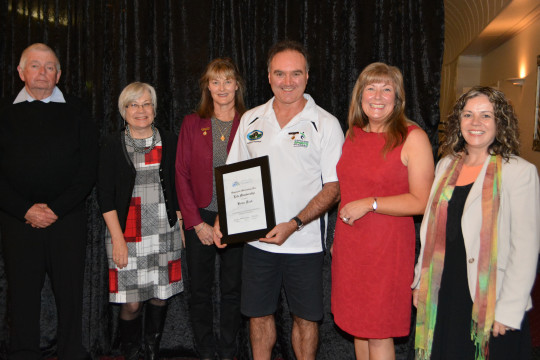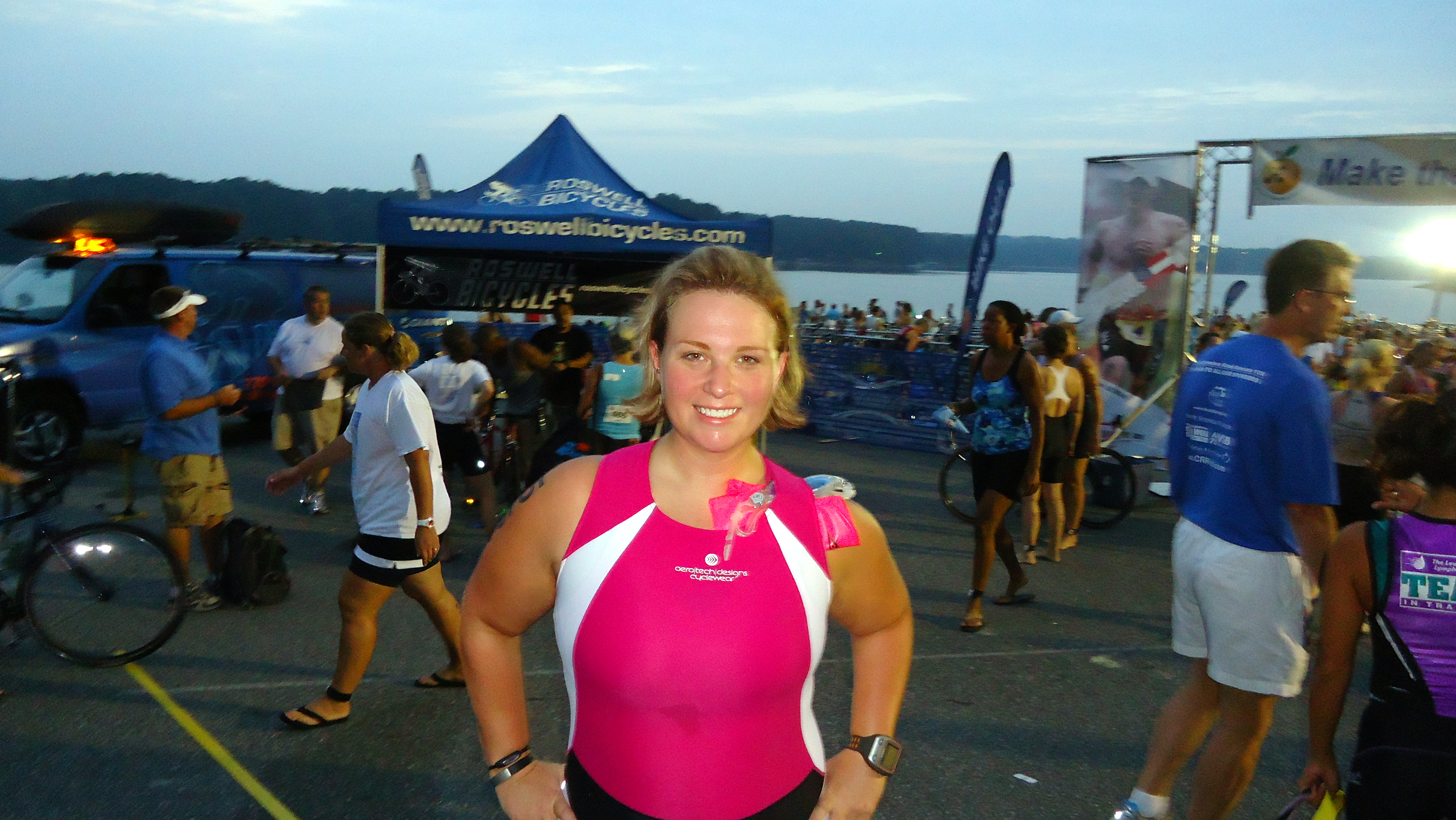









Tabitha Jones is a previous Hell Week camp attendee. Since coming to Thailand with us last year, she’s take more than 20 seconds off per 100m over a half ironman distance swim. An impressive achievement in 8 months! Tabitha shares with us the things that have helped her do this from changes to technique, workouts, how she approaches races and the different attitude she takes towards her swimming.
1:20 – Her story behind triathlon
4:15 – Why she decided to join us in Thailand
8:15 – Lessons from Hell Week
8:34 – Quality vs Quantity
9:04 – Being Consistent
10:58 – Discovering the purpose behind training sets
13:00 – The biggest takeaway from Hell Week
18:08 – How to plan and structure training
19:20 – Why strength is important
24:00 – Levelling up
If you’d like to join us in Thailand this October visit effortlessswimming.com/hellweek
Transcript
Read the full transcript
Welcome to the Effortless Swimming Podcast to show that help swimmers and triathletes love the water, become a better swimmer and live a better life. Here’s your host, Brenton Ford. Welcome to the Effortless Swimming Podcast. My guest today is someone who came along to our Hell Week camp last year in Thailand and she’s also come along to one of our freestyle clinics. The reason why I wanted to invite her on the podcast today was because she’s got a really good story about how she’s gone from a two minutes to 205 sort of pace down to around about 140 per hundred for a half-iron man distance because a lot of people who come to us are around about the two minute mark, maybe a little bit slower than that and sometimes they find it hard to get under the two minute pace per hundred. So on today’s episode we talk about how she’s been able to do that. So what she’s changed in her training, in her technique, her mindset and some
of the other things that she’s added to her weekly training regime. So my guest today is Tabitha Jones. She’s a triathlete in New South Wales here in Australia and I think you’ll get a lot out of today’s episode if you’re looking for some different ways to become a better swimmer and see how Tabitha’s gone from around about a 20-25 second per hundred improvement over the course of about eight or nine months. I don’t know how you got into triathlon. When did that start for you? It’s probably nearly three years now. So I just like turned up and did one and I loved it. Like I’m going to say something about it. Like we have a local triathlon club and some of my friends are doing triathlons and I was always a swimmer. Like always loved swimming some of the whole life. And I just, yeah, needed a new challenge, I suppose. So you had friends who were doing it and you thought, oh, that looks like it could be a bit of fun and you just decided to do one.
Yeah. And I was addicted straight away. What I thought from the first one that I did. And it was funny because it took me and my sister, we did it together. We got lost. I think like on a 30-minute course it took us 53 minutes. Like I still remember that. And we got back and they’d packed up. Like no one, like all the gear was packed up and people were just like, where have you two been? And I loved it. Like even that, like we took mountain bikes I think and yeah, it was quite entertaining. We still talk about it. Well, I think it’s, I mean, my, my uncle’s just gotten started in triathlons this season and he, yeah, like he’s just got all those sort of basic equipment to do it. But he just, he just loves it and the ability to keep fit across, you know, different sports and so many opportunities to take off time across the three sports that yeah, he’s just, he’s addicted. Now he’s looking at a better bike and, you know,
a few other things that he can do and stepping up the distance. He wants to do an Olympic now and it’s just really good to see that, that progression in the sport. And that’s something that I’ve, I mean, I’ve known you for, I mean, not that long now, actually, it’s probably eight months, I think, because you came along to a clinic, a freestyle clinic last year, which. Yeah, I did a clinic with me. Yeah. That was like, when was that? Was that? So I had a bike riding accident and then I did nothing for a few months. Like I had three months or four months off. And my friend actually, he made me go along to that because he wanted to work on his swimming. So I just like tagged along. I don’t know. And oh, we went to Sydney. I don’t even know what we went for. Anyway, so yeah, we booked in and we went down and did it. And then that, like, I wasn’t even that keen for it. And like I saw my video and I was like, that’s terrible.
It was terrible because you did that video, yeah. I’ll have it there somewhere. I’ll have to have a look. It was terrible. Anyway, and then I was like that, even that, like I was so intrigued about, you know, because then we watched the videos. I don’t know who it was, someone in their funky trunks. It was like perfect swimmer. And I was like, it just, like it just made me want to get better at it. It’s like I can do so much better than that. And yeah, that’s what I went to Hell Week because I was like, okay, well, I need more than three hours. It’s gonna take longer than that. And yeah, it was good. And I don’t think I’ve got any videos from Hell Week, but I’d like to have a video again when you’re out here and have a look and compare it to that first one. It was terrible. It was terrible. Like when I looked at it, I was like, oh my God, is that what I look like? Can I theoretically know what a good swimmer looks like?
You know, I’ve been a swimmer always and I’ve always been coached in swimming since I was at school, but I was quite shocked. Yeah. And that’s in a novel reaction for most people. Because you don’t see yourself swim. Is that what most people say? Well, they feel like they look a lot different than what they were expecting. And I mean, I was the same. I’ve swimmed for like nearly 28 years and I had sort of seen myself swim before, but not properly in sort of good quality video. And I’ve been coaching people and I’ve been doing a lot of video analysis. And even the first time I properly got filmed, it was so different to what I was expecting and all these sort of little flaws and errors that I could see where I could improve. Things I thought I was doing right, but wasn’t. So, yeah, I mean, that video is such a valuable tool. And we’ll have to dig out those videos because I’ll have them there for us to look at so we can do the comparison.
No, no, I like all of it. It is, it’s like picking up something from when you were a teenager or something. Like a high school love letter or something that you don’t want to look back at. That’s exactly right. Anyway, when I saw it, I was horrified. Like, my form was bad. My posture in the water was bad. My cheek was bad. My hands were like everything. There was nothing. Like, you know how the guys are like really nice when they do it? They’re like, hmm, it’s like, look for the silver lining, but there was nothing. It’s bad, but that just goes to show like, technically, I know what a swimmer should look like.
But I’ve never seen it. I’ve never been video swimming, ever. Well, you’ve gone from, we’re talking about just before, you’ve gone from a roughly a two minutes to 205 sort of pace for a sprint distance triathlon down to Port Mac half Ironman recently, which is 1.9K. You’re around the 140 mark per 100 for that. So that’s like 20, 25 seconds per 100 faster across a distance, which is sort of doubling a bit for what you were used to. And that’s in the space of, let’s say, I mean, even if it was sort of 12 months and when you started the clinic, like that’s a massive jump in the space of 12 months. So what I wanna sort of cover a little bit is some of the changes you’ve made to your technique and training and those sorts of things in order to do that because I’d say the majority of people who sort of come to us, they, a lot of them are around that two minutes plus range. And I think having you made that huge jump,
it’s a good insight into how someone’s gone from that and to get well under the two minute pace. So I mean, first of all, technique. So what do you focus on now when you’re swimming as opposed to what you were focusing on beforehand? The thing is like, I’ve always been a big swimmer. I’ve always done lots of distance.
So I think that the change for me has been focusing really on what I’m doing, like instead of just swimming. Like I think I just used to go to the pool and swim and whatever, like my set said, I’d do the distance or whatever. But I think since going to her week, I actually really learned about why I was doing things. So why I was actually implementing drills or why I was, you know, whatever the case may be. So I was thinking about it. So it was quality swimming instead of just quantity. Like I think before, like I don’t think my quantity has changed so much. I don’t think I’m swimming further, really, because I’ve always, you know, been quite capable of doing long pool sets. But I think it’s actually when I do a drill, I don’t just do it because there’s a drill there. I do it because I know there’s a purpose for it. And making my swimming my purposeful, I really think that’s it. I think that’s the only real thing that’s changed
is that there’s consistency. Like my consistency with my training has been here, it’s better. And I don’t live where there’s pools in winter. So I have to travel to swim and just making the effort to not drop swim sets like over winter and that sort of thing. Whereas before I would, but before I sort of, you know, do seasonal ramp it up in triathlon season and not so much, but I’ve seen that consistency is actually better for me. And I mean, at how we, I think it’s about 13 sessions that we did in total last year, 13 swim sessions across the week. And I mean, by the end of it, everyone’s fairly fatigued and sore, but I mean, to me, everyone looks a lot stronger in the water and it’s so much easier to make changes to your stroke when you’re in that regularly. I mean, most people, they might not even do 13 swim sessions a month compared to a week. And you talk about consistency, well, the old rule of thumb is you take a week out of the water
it’ll take you two weeks to get back to where you were. So just being in the water at least three times a week over the period of a couple of months, it just makes such a difference if you weren’t doing that in the past. And I mean, you’re working pretty closely with Ryan, he’s one of our coaches and he’s sort of setting your triathlon programs. And I know this type of sets that he does, he gives you and they’re just really, really good. They’re specific and there’s a purpose behind them. And can you talk a little bit about like the,
what you sort of get out of your training sessions now as opposed to beforehand or how you view them now?
Yeah, so I think that’s part of it too. So they’re always different. Like there’s always a lot of variety, but there is a purpose. So when I have a training set and I read through it, there’s always a real purpose to what I’m doing. And that helps me because like I like to be self-learning and everything, a lot of what I do is remote. So I sort of don’t do always face-to-face stuff. So if I can be self-learning and self-instructing myself, that helps, but there is heaps of variety and there is a purpose to everything that I’m doing. And I think that’s good in terms of being able to make that set specifically about what it is you’re trying to achieve at that time rather than like a distance, like just getting in and doing laps and laps and laps because I don’t think that actually makes you a better swimmer. No, there’s gotta be some purpose behind it. And I mean, even if you are doing, let’s say it’s like a slow session
or a slower session with like pool boy paddles and it’s just to build like your base strength and base fitness like that without the right, I think without the right mindset or reasoning behind it, you’re just like, I’d get to the pool and go, what’s the point of just, you know, getting through four or five Ks of just easy work with paddles and like it’s just, it’s a very boring session until I can link it back to whatever I’m training for and how it’s actually going to help me. So that’s, I think that sort of, yeah, that reasoning behind it is it makes such a difference and I know Ryan sort of is big on that as well. And one of the other things that I know you sort of changed after Howick. So we had a coach there, Andrei Abratovic. I know you’ve been working with pretty closely and he’s been on the podcast before. And one of the things you mentioned was just about how you should go into a race for a triathlon and I know you sort of took this on board
and it worked really well for you. So can you share that with the listeners about how you approach a race now?
Yeah, and that was actually one of the biggest things that I took away from Howick because not so long after Howick, I actually raced in the tracks, the cross triathlon world. And Andrei talked a lot about going into races, quite calm, not expending excess energy, pre-race, you know, being mindful, being in the moment, you know, not rushing ahead in your mind and thinking out your race and that sort of thing. So at tracks when we got there, they wet suited us up and we had to sort of wait on the beach and it was quite a long wait. Anyway, it was good because I had the opportunity to really use that time well. And I thought about what Andrei told us and I actually just was hot. Everyone was hot and people were quite restless and complaining. So I just sat down low, so I was in everybody’s shadow and I was quite cool. And I just visualised my start. I looked for the best place that I could start. I monitored my heart rate,
made sure that my heart rate stayed low and I just really tuned out to the sort of promotion. I suppose that was sort of starting to happen pre-race and if I was nervous, get nervous. Anyway, we weren’t allowed to put pre-swim, so we had to stay on the beach and then we lined up and I knew exactly where I wanted to stand on the line and I went for my spotlight at the front. Confident, like, I wasn’t ever going to win that race or, you know, place in that race, but just with confidence and I was ready and I had the best start in a really strong swim. I think I was eight someone to have a water because I just went into it so prepared and so calm and so planned that I didn’t waste any energy and that’s what I’ve found. I’ve been able to take away from that is all of my races now where I’ve started, I’ve used that. I’ve stayed calm, I’ve stayed collected and it’s really, really helped me have not just a strong start
but a strong race because I’ve stayed in that sort of calm frame and I practised that a lot in my training. So a lot of my training, you know, Ryan talks about easing into things and not, you know, having that rush of adrenaline at the start or that rush of, you know, nerves and it has served me really well. Yeah, it sounds like it. I did this breath enhancement training course with a guy called Nam Baldwin who I’ve had on the podcast as well and he’s one of the performance coaches to a lot of the big wave surfers and it’s very much about that. It’s about controlling your breath, keeping the heart rate low and that’s the kind of state that you need to be in to perform well and to make good decisions and not panic. And so I’ve been using that a lot just in sort of general day-to-day stuff but also with my swimming and I think it’s so undervalued, just the importance of breathing properly and most people just aren’t taught
to breathe in the right way. So I think it can make such a massive difference.
And I mean, as well with like not going out too hard with training, my rule of thumb is you’re always going to feel pretty rubbish the first 10 minutes that you jump in the water before, you know, for a session. It just takes time to warm up. So like that’s why we like to use fins a lot and just take things easy and then build into it but yeah, it’s never going to feel that great at the start because I don’t know about you but I mean, when people start in swimming if they haven’t done squat before they’ll their session might look like one kilometer or two kilometers of straight swimming. They don’t break it up into 50s and hundreds and different sets and different paces. So I never quite get that. You know, they never quite get the benefit of trying to go at different paces or they never stop at the end to reset, get their technique back where it needs to be and to be able to make those changes that way. So just all these little things I think
that once you start to pick them up and learn them and especially at how we go through a lot there like there’s a bit of a fire hose I think in terms of what you probably learned but you take away the things that are most relevant for you and then you can use them in your normal training program once you get back home.
Yeah, and it’s funny because like you get all those voices in your head like, wow, that sounds bad but you know when I’m racing now, when I’m swimming a lot of the, you know, Phil Rush came to her week and he did a lot of stuff on just thinking about where you are in the water and finding your place in the water and then thinking about your form and those things run through my head now every time I, you know, every time I do a race and it’s good. It’s good for calming you and it’s good for just having a strategy that you work through. So rather than just going out hammer and toll and you know, hoping for the best, it gives you like a bit of a process and so those things I think have stuck with me and that’s probably for me as someone who likes to have a plan and structure around things really helped me to be able to go back and just go through the motions now when I race instead of just letting my mind be everywhere
and you know, looking at the swimmers around me and you know, just getting lost in the, you know, excitement of having a race. Yeah, I think that process is so important and is there anything else that you’ve changed to help you get down to where you are now in terms of your swim times? Is there anything else that you sort of doing differently or you’ve added or excluded? I think that there’s a few, like there’s other things I guess that contribute to your training. So I guess my training’s been really quite good and quite good quality, I think, high quality and like I talked about but I guess other things that I’ve worked on since Hell Week is my strength. We did some strength stuff in Hell Week and we did a lot of mobility and stabilizing things and I think one of the things I realised is I wasn’t as strong as I wanted to be and I think strength is important. So I’ve actually worked quite hard with my physio
and with a couple of programs on improving my strength, improving my upper body strength. A lot of what I was doing before was lower body stuff, you know, thinking about running and that’s the thing about triathlon is it’s like a whole body sport so you’ve got to concentrate on every aspect of it. So I think that I’m stronger as a person and as an athlete, definitely. And you guys went through heaps of stuff about mobilization and I hadn’t thought about mobilization as well as inactivation as well as just doing strength work. So I’ve been trying to be more, you know, rounded in the way that I approached that. I think that was really good. And the other thing that I’ve done is I’ve changed my nutrition. So I’ve been working on fat adaption with Andre since I think about three months out from my half-iron man because I have bumped in a few races nutritionally and a few big races and I was quite worried about that doing a half-iron man
that, you know, I didn’t want to do all this training and, you know, get to the event and have the will for a loss nutritionally. So I’ve worked on not only my day-to-day nutrition but I’ve really worked on my race nutrition on being planned and on planning out from the race. So now I sort of start, you know, midweek when I’m racing to get my nutrition and my hydration right and I have a really strong plan that I’ve practiced in all my long sessions. So when I came to racing, my nutrition was just second nature for me. Like, instead of trying to, you know, worry about it or get stressed about it, I just knew what it is that I needed to do to fuel myself leading up to the race and in the race. And that was another thing that I found awesome because you do, you know, expand energy around things when you race that you don’t need to, whether it be your starch or your nutrition or, you know, just your transitions or whatever.
So cutting down on those things that you need to worry about actually helps you just get in and have a really solid race and be able to, you know, use the energy where you need to use it. Yeah, absolutely. I think that simply you can make things the easier it is just to sort of declutter your mind and be able to focus on your pacing and your race plan and everything. So it just sounds like you’ve really stepped, I mean stepped up your triathlon in a way that’s quite professional. So you’ve really just sort of professionalised everything that you’re doing and looking at the whole picture. And it’s just as a coach and having had you come along to Howe Week and seeing you make the improvements that you have over the past six, eight months or so, it’s just been really good to see. So I’m really proud of what you’ve achieved so far. And I know your goal is to qualify for World Champs on the Gold Coast next year. So there’s a couple of races coming up
where you’re targeting there. So and you’re coming back to Howe Week this year. Yeah, I am. And I think you probably remember. So at Howe Week, we had to write down on a piece of paper what our goals were. And I think that’s probably a really big moment for me at Howe Week because it’s always like kind of overwhelming or maybe not embarrassing, but you know, you put it out there that you have a big goal and it’s not always a comfortable thing. And that Howe Week everyone was like, yeah, that’s really cool. And I think I remember you saying, yeah, I can see you’re doing that. So that was quite for me as an athlete and probably as a relatively new athlete. Like I haven’t been in the sport for that long. I left it a lot of confidence and I left with the feeling of I can do this. And that was quite powerful. And I think that sort of inspired me to do a lot of the things that I’ve done. But what I also think is I met lots of different people who have lots of skills.
So you had lots of people there with skills that I hadn’t necessarily thought about that could be valuable to your training and to you, you know, progressing as an athlete. So I think I made some really good contacts but also broadened my mind about what I might need to do in my approach to training.
Yeah, yeah, totally not. I mean, it’s such a diverse group as well. There’s a lot of triathletes, a lot of open water swimmers or just purely pool swimmers. And so you get to sort of train with a lot of different types of athletes too. And there’s, I mean, one of the best things I like about training camps or even just swimming in a squad where there’s a good level of swimmer there that you’re kind of forced to level up a little bit. There’s nothing more motivating than having like other people that you’re swimming with and you can just see the level that you can get to
or the level that people are operating on. And it’s, especially in that environment, it’s so, so motivating. Like I come back from Hell Week and I just, I see the work ethic that everyone has there and how hard they’ve trained and the improvements they’ve made. And it just really, it just fires me up to want to make a better camp next year and see how far we can really push it. So, and I think having the diverse group of sort of coaches and stuff there as well that you were talking about, that’s good feedback because, I mean, I know that I don’t know everything and that’s why I like bringing in other people who have got a lot of different experiences. Like we had Phil Rush there who’s just had some crazy open water swimming achievements and a lot of experience in there. And just learning from him and learning from some other guys, it’s the way to do it because I think you get sick of me if it was eight days of me running the camp.
So it’s good to share it around and have other people teaching things and sharing their experience.
Yeah, no, I don’t think we’d get sick of you but it was good. And I think it is a truck to really good group of people. Like you said, like it was a cool group. People had different goals and backgrounds and some people were quite experienced and some people were really new. And I’ve followed a lot of people on Facebook and in social media that have really gone and chewed off some massive goals after that. People who’d never open water swam that I’ve seen doing quite big races. And so I think that the level of just getting inspired by the people around you was really high at her week too. And a lot of us have stayed friends. So some of us coming back next year together because we’ve kept in contact and we’ve become quite good friends through it. So I think that’s really cool. And we’re all different actually. I’ve met some open water swimmers and people that do master’s games and things like that. And you just get to see other people’s ethic
and the way that they train and that sort of thing. And I think that’s interesting. But it makes me love triathlon more. Like it makes me love the diversity of triathlon more. I think that’s where my heart lies. But it is good to watch these people also growing and doing what they love to do. Yeah, yeah, that’s great. And that’s why I’ve added the second week because we had like it was more than half a camp filled up with just the people returning. So I sort of had to open up another week for Hell Week because it was, yeah, we had such a huge group coming back and that’s why there’s an application process for it too. Where in the application you sort of ask a couple of questions about like challenges that you’ve had in the past and how you’ve overcome them and some of your goals that you’d like to achieve. And the reason I wanna do that is to keep the quality of the people coming really high and the people who really wanna get better
and aren’t afraid to share stories of where they may have failed in the past but they have sort of learned from it and improved. And yeah, just to sort of keep that culture at the level that it is because it’s, you know, you’re living in pretty close quarters for a week at there and you wanna be spending that time with people who are like-minded and you’re going to get on with. So that’s, yeah, that’s excellent. And it’s been really good having you there and I’m looking forward to having you come back. I know you’re gonna be coming back with one of the other girls, Jade, who was there last year and just really looking forward to it. I can’t wait until October.
Yeah, we’re looking forward to it too. We chat about it all the time actually. So it will be good and Ryan’s promised me it’s gonna be bigger and better than ever. So there’s a lot of expectations for this year but no, it’s good. It’s a beautiful place to be in Thailand and that’s part of it. You get a beautiful holiday but you also work hard and like, I don’t know about other people but I always feel guilty when I go on holidays and you tend to slack off on your training or whatever you want. So things bad habits creep in but it’s good because you can have boats like you can have a holiday and there’s beautiful places to see in Thailand but you also get huge, full of training and that was the most I’ve ever trained. Like, I think that’s what also I found is training like that and training so solidly. I thought I wouldn’t be able to actually do it but I did and loved it. I loved every minute of it. Yeah, that’s, it’s good to hear you say that
because I mean, when we, when I first ran the camp it was, it was really like hell week. It was just, the sessions were ridiculous that the guys did and it was,
yeah, it was, I think it was less learning but it was just more sort of caves and harder sessions but now I think we’ve got a really good balance of challenging sessions but it’s more about like what you’ve just, you’ve spoken about in terms of learning all these different things to do with swimming and then you can take each of those little different parts away and yeah, it’s still challenging but it’s definitely doable, especially for, I mean, you were around the same two minute mark per 100 and I’ve had a few people ask me, well, will I actually make it through this camp because I’ve never swum that much and I mean, we tailor it so that as long as you’re willing to put in the effort you can definitely make the week. We’re not there just to smash you. It’s about, yeah, learning and getting something different from each session and surviving the week but still having a couple of really good test sessions in there where you can push yourself
and see what you’re made of. And that’s the thing and there will take the variety but I’ll probably need to pull like, and that’s always a good place to be because I got to see, you know, there was some really fast people there which is awesome but their dedication too to swimming was crazy. They were swimming in between sets and, you know, they really sort of did a lot of training but then there was people who were just sort of, you know, starting out and even watching those guys, like those guys have come a long way since their week and I hope some of them come back because they’ll be mid pool and, you know, like you get that improvement and people continue, you know, flowing through and I think it’s good to go back and see where you’re up to and have that as a measure too whether you’ve improved, I guess, since last time. Yeah, totally. Because it’s not just something that you do for one week, you know, developing as a triathlete or a swimmer,
it takes a couple of years to really reach your peak and if you’re going to be doing it for six months that’s great but where you really start to see the improvements is when you’re committed for the long term, like, you know, like I can see you are and I mean, we’re talking earlier on the call that you’re just so excited to, just really excited to keep improving your swimming and seeing where you can get to and you’re taking the long term approach where it’s not just about going hard for six months and calling it and stopping there, it’s about building that base because it really requires a good solid training base with what’s junior swimmers, they’ve got that base of a couple of years of consistent training as they grow up and that’s why they can continue to swim fast without having to train quite as much and yeah, it’s a lifelong thing and I think swimming is one of those great sports that you can do until you’re 80, 90, 100 years old,
like I said, some of the master’s competitions that, you know, once you learn it, you can do it for a long time because it’s so easy on the body.
Yeah, and that’s the thing, like swimming is doing my biggest love and it is good. Like it’s good to have that, you know, idea that it is for the long term because why don’t it take away the pressure of having to get better all of a sudden? I think it’s just gradual when you see those gradual improvements but I like the fact that, you know, I’ll be swimming for the long haul, like it’s not something that’ll just come and go. Yeah, yeah, absolutely. Tabitha, thanks for joining me on the podcast and sharing your experience at how weak and sharing how you’ve improved from, you know, 20, 25 seconds per 100 quicker. It’s just such a massive improvement and I’ll be seeing you in a couple of weeks’ time at Orange there where I’m going to do some clinics. So I’m looking forward to it, appreciate it. Yeah, yeah, awesome. And thank you for having me along. It was a good opportunity but I’m really looking forward to coming back
for her week and when you come out to Orange, I think it’s great that, you know, rural areas, I guess, get opportunities to have you guys come along and do some work with them too. So that’s really exciting. Yeah, I’m looking forward to it. I love, especially working with small groups and I mean, I’m from the country so I’m probably a bit biased but I think like country people, you know, tend to be really, really nice people and yeah, it’s just, and I think a lot of them are probably your friends who’ll be there as well because I know you referred quite a few people so yeah, I’m looking forward to it and I just love being able to share with people how they can get faster and the things that I’ve learnt and helping people like yourself make those improvements and just playing that small part of it. So yeah, thank you again.
That’s awesome, thanks Brent. Thanks for listening to the Effortless Swimming podcast. If you’d like us to help you become a faster, more efficient swimmer, go to www.effortlesswimming.com.