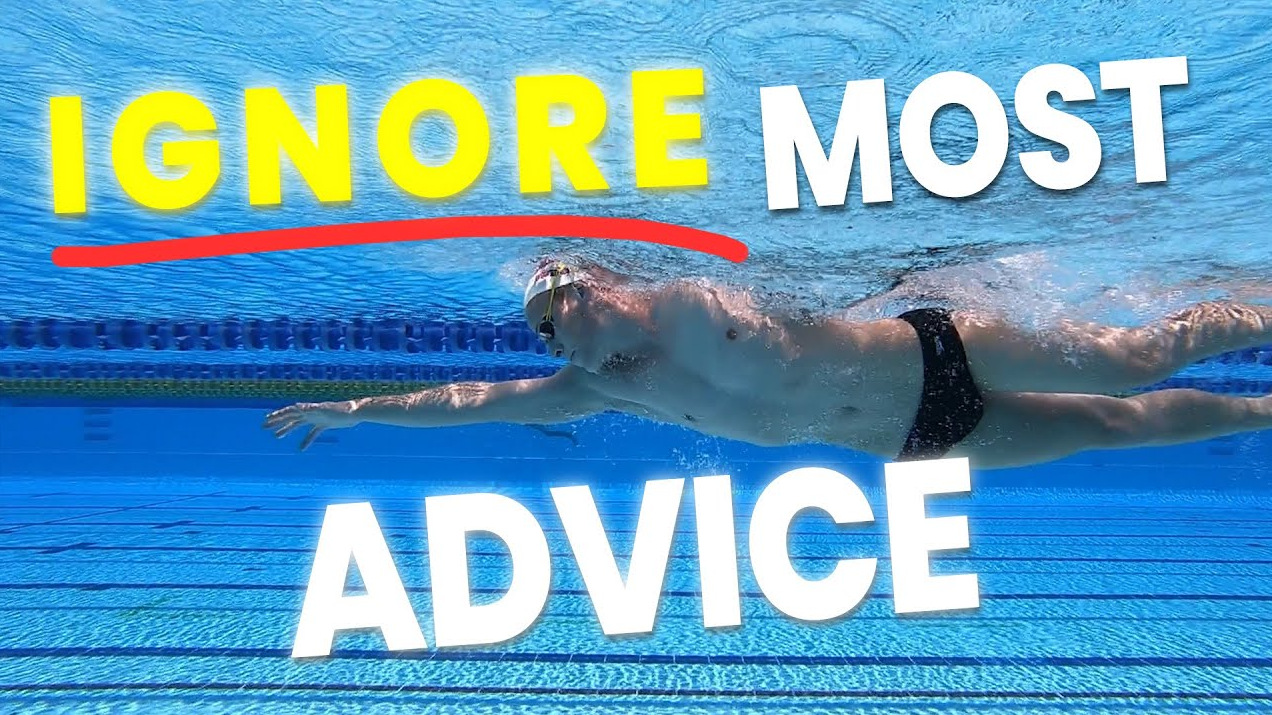









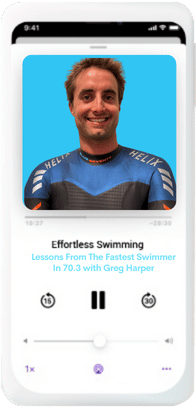
Today, we have a powerhouse guest—Greg Harper, the fastest swimmer in Ironman 70.3!
Greg shares his key lessons from the pool to open water, how to develop speed and endurance, and the mental strategies that set top swimmers apart. From the snowball effect of smart training to the secrets of holding a faster stroke rate, this episode is packed with actionable insights for triathletes and swimmers alike.
01:53 Transition From Pool To Open water
05:05 Getting More Comfortable In Open water
09:27 Snowball Effect In The Right Way
11:50 Open water Is So Much About Awareness
17:25 Don’t Stop When It Gets Difficult
20:40 Short Intervals And Speed Focus
23:50 Paddles Size
29:59 Favourite Set
36:53 Change Of Belief
42:07 Developing The Ability To Hold Faster Stroke Rate
56:12 Working On My Stroke
1:00:18 Be A Student Of The Sport
Try PILLAR today, head to pillarperformance.shop and enter code EFFORTLESS for 15% off, or for any North American listeners, enter the same code at TheFeed.com.
Get your NanoClear swimming goggles here and get 15% off your first purchase with code PODCAST15.
Want to really transform your swimming? Join us on a swim camp in 2025 in the Maldives, Galapagos Islands, Whitsundays or Thailand: https://effortlessswimming.com/camps/
Change your technique and swim a smoother, easier freestyle with the Effortless Swimming membership:
https://effortlessswimming.com/training-and-membership-plans/?el=blog
Get in touch with Greg:
https://www.instagram.com/gharpzorz/
Transcript
Read the full transcript
I think the one of the things I always try to stress to my athletes is like, yeah, do your homework or like be a student of the sport. You got to have that really learning growth mindset and swimming, like maybe more than cycling and running and other things because it's just, it's so nuanced. You have to try so much to make small improvements. And if you don't really embrace that, then it's like, you know, you're, you'll fizzle out, you know, you're not going to find that improvement. So that's what I really try to stress through, through everything that I teach and talk to people about. You got to love it. It might suck sometimes, but you'll mostly love it. You'll be in a good, you'll be in a good, good path. Welcome to the Effortless Swimming Podcast to show that help swimmers and triathletes love the water, become a better swimmer and live a better life. Here's your host, Brenton Ford. All right. Welcome to the Effortless Swimming Podcast. Greg, thanks for, thanks for jumping on the podcast with me. I love having someone who comes from a swimming background has transitioned to being a pro triathlete. And then more recently, you led the swim in the half Ironman World Champs. What was that like for you being first out of the water and was that a goal going into that race? Yeah. Well, I appreciate you having me. Just a big fan of everything you do on, on your channel and just preaching the good word about swimming well. But yeah, it was, it was kind of a goal, you know, as my first World Champs and I knew that coming out first would be, I'd get a lot of good press for it. I was prepared to like put in a pretty good effort to, to do that.
And it was so fun, like, you know, all my friends and family were watching the stream like, oh, we saw you. And, you know, it's, it was a lot of fun. So I'm really glad I did. And I was definitely a bit tired running into my bike to start the race. But it was, it was worth it for sure. And yeah, I had a great time out there. And yeah, it's kind of more in your neck of the woods in New Zealand. And yeah, I had a great time in that part of the world and never been down there before. And coming from that pool swimming background, what is it that you had to change about the way that you were swimming or training to become good in open water? Yeah, you know, translating stroke to open water is always, I feel like it's just really different for everyone. I was fortunate enough that I kind of had a gallopy type stroke in a high stroke rate, which allowed me to translate my stroke pretty well to open water. I think one of the things I did, it was not worry about setting my catch like so high, close to the surface, you know, like that long like pool stroke, just kind of, you can be a little more choppy and a little more scrappy in the open water. And I think that's kind of what I leaned into a bit more. And knowing that I didn't have to do a bunch of hard swimming all the time in the pool, you know, I can do some longer aerobic type swimming. And my coming from a swimming background, my speed was good, right? Compared to triathlete. So I didn't have to focus on it that too much, you know.
Yeah, I find it hard to, it's probably hard. To go from being good at open water to then getting back in the pool. That's what I've personally found. Like, over the last, I don't know, 10, 10 plus years, I've just been more open water and I've become quite good at that sort of stroke and style. And whenever I come back to pool racing, it's just like, oh, my God, I just feel like a hack. I just don't have that smoothness and length to the stroke. And I think it would take probably several competitions and meets to be able to get back to that point. But I think going from, yeah, maybe from like being okay in the pool to then going open water and getting scrappier again, I feel like that's an easier transition to make, at least personally is what I've found. Yeah, I definitely would agree. And, you know, you don't have to be as efficient in the open water. Right? I mean, you just, there's so many more variables. You got waves, you got chops, you got current. So, you know, if you look at some of the best triathletes in the world and you, you know, put them in a pool, you're like, that's like a front pack swimmer, you know, because they are, it's not really beautiful. It's not that long, loping stroke you might see in the Olympics. But, you know, when you get in the open water, they can really hold their own.
Yeah, absolutely. And like a couple of years back, I did some filming with Josh Amberger, like, because I wanted to capture some underwater footage and, you know, show his stroke and stuff like that. And we filmed in the pool and it was like, it doesn't look that pretty. Like it's not a good looking stroke, but it's so effective. It is so effective in the open water. And I think he was maybe second, you know, out of the water, maybe behind you at half Ironman World Champs. And yeah, and like to me, that was like, OK, it's not about how it looks. It's like, is it effective and is it going to be good for the open water? So it is almost, it's a requirement almost to be able to get scrappy in your stroke to swim well in the open water rather than being too precise or too perfect and smooth. Like you've got to let things go a little bit. And I think that is a big learning curve for people who have maybe just built up their stroke in the pool, right? That's good. We need to build that technique. But then like having to let that go a little bit in the open water can be a bit like, but I've just worked so hard at getting my technique to, you know, to look good. So how would how would you recommend someone get, you know, get more comfortable in being a scrappy open water swimmer? Yeah, you know, I, a lot of people that I coach and things I stress, doing things in the pool that also get you out of your comfort zone, you know, being a competent, I, you know, summing the other strokes, right? And being able to do some like no breathers, you know, doing some hypoxic work and, and scolding in different ways. Cause in the open water, you just, you never know when you're going to find yourself in a weird position, maybe you get bumped and you kind of like
school to rebalance yourself. And I think all the little things, I say this things to people where you got to learn how to swim like a swimmer before you can get away training like a triathlete. And it's like, you got to do all these things that swimmers do, like kind of the fundamentals to kind of increase your overall awareness and just comfortable in the water. And I think that's kind of how you become a better open water swimmer too. It's like, why don't you do flip turns? Like that's not going to help me in the open water swimming. Well, it's like, well, if you can't hold your breath through flip turn, you're not going to be a good open water swimmer. Like you need to get comfortable doing stuff in the pool. And yeah, I really, I really believe in that stuff will help you become a better open water swimmer.
Yeah, I really like the way that you put it just in terms of if you are like sculling in different positions and just like just finding yourself more comfortable in the water and able to adapt to different scenarios, it happens so much in the open water. And you don't have time to think about it. It's just like, you know, if there's chop and waves, your hands in, you've got to start the catch pretty quickly. And there might be some current and swell or there's people around you and the water is aerated from their kick and all this sort of stuff. And it's just it's got to become this intuition that you've got. And you're right, by mixing things up in the pool and throwing yourself in these different situations, that trains you to be able to just find that hold of the water without having to think about. It makes it subconscious. Yeah, and that's kind of what we're after. It's like, you can't the more you think in the pool, you know, the slower you can end up going sometimes, right? It's we want to train the things specifically sometimes in the pool or, you know, going to practice in the open water. So when we get to a race, we can just race and hopefully our subconscious puts us in the right direction when we have to rebalance or, you know, throw an elbow. No, I'm just kidding. But, you know, the open waters, it's so unpredictable. So I think that keeping you on your toes and training is good. And, you know, one other thing, just.
You talk about it to an open water. I've heard you say this, don't be a victim. And I think it's just so big with the mindset and everything. Like if you're dreading lining up to swim and open water race, it's probably not going to go well. So, you know, just being a more comfortable pool swimmer might be able to help you in that regard, too. But yeah, the mental part is obviously just just huge in that regard. Yeah, I totally agree. And you see it exacerbated a lot more in the open water. You know, if someone's like, I'm not that comfortable in the pool, you are not going to be comfortable in the open water. And there's obviously so many other variables that I think people build up to be bigger than what they need to be in a lot of cases. And I don't mean to like downplay the open water swimming. Obviously, there's bigger risks and things like that. But like in reality, for most people, if you've got a wetsuit on like the worst case, right, like float on your back, get your breath back and start again. Like it like and even if you get swam over like, yeah, there might be people coming, but you could easily you can easily get out of the way. Like it's there's really not that many actual dangers out there. But we build it up like like there is a lot more. So I think like obviously just getting the practice in is very beneficial. But yeah, just getting comfortable in the open water. And I think just trying to throw yourself into these situations where you're like, all right, I've been here before, I can deal with it. And, you know, I know I know what I need to do. And one of it like hypoxic training is is so important.
We do a lot of breath control, whether it's like eight fifties breathing like three on the first one, we might go five, seven, nine. And we do that twice through or even just like trying to go twenty five meters breathing and doing a few repeats of those. Like that sort of stuff. If you can keep your calmness about you when you're holding your breath and not able to breathe, I think that can help a lot a lot too.
But yeah, that's that's really big, I think. And it's also a test of efficiency in your stroke. You know, if you can't swim twenty five, no breath. You know, maybe your breathing is not quite right or you're working too hard on your recovery. It's like you kind of find how to find that ease of your stroke. And that's why. You know, it can be hard from afar. You know, I program some breath control stuff. And sometimes when I'm starting with an athlete, like it's so hard. I'm like, just keep trying because you you will find a way to be more efficient. You know, I can't be there on deck with everyone, but I think there's like interventions like that. Like, hey, if you can try to get comfortable doing four times, no breath. And look, you can do it because I I've taught eight year olds to do it. You know, you're a grown up. You got this, right? So I think that can help with kind of the efficiency. And then, you know, when you miss a breath in the open water, you choke on water. Can you keep your calmness about you and kind of stay composed in the moment, which. And then your mind is OK and you're not freaking out. And this one goes well. And, you know, kind of there's like a snowball effect in the wrong way. But there's also a snowball effect like in the right way. You know, keep your wits about you. Yeah, absolutely. That's it. It's a good way of putting it with a high back doing the hypoxic stuff. It forces you to your body to figure out what it needs to do to make it through. And, you know, quite often, I think people the immediate reaction is I've got to get my turn over faster so I can get through these strokes quicker. If you're doing, say, breathing every seven strokes, it's like, all right, I'm going to rate up. But then it makes you more tired of like a lot quicker.
So what you actually have to do is just maybe slow down a little bit back off the kick, be very relaxed in the recovery and just have a very sort of gradual build up with the power through the through the pool. And you actually just have to sort of soften everything and just kind of switch off slightly. And the way I sort of picture it is like a it's like you're an F1 driver. It's like you're in the driver's seat and OK, you're making the movements, but you're just sort of analyzing everything around you. Like when you're swimming calmly and swimming well, it's almost like you take that step back and you're just kind of looking from a third person view almost where you're just kind of adjusting the knobs. Like how much effort do I need to put in if you're racing? It's like, you know, do I need to try and overtake this person? Where's the buoy? All that sort of stuff. It's like if you can take that back seat or that third person view, then I think that helps with the calmness of it all. Yeah, I really like the way you just said that back seat. It's like you take a little back seat and all of a sudden you're super aware and especially triathletes. I mean, they can get just so hyper focused on this queue and that queue and whatever it is. But then, you know, open water so much about awareness, you know, and in the pro ranks, it's like, oh, yeah, I was on someone's feet and then they let the gap go and I couldn't close. I'm like, well, you weren't aware enough to realize it was starting to open up and to go around and to close that gap, right? So kind of the awareness and everything is it's so big. Yeah, for for comfort, but, you know, also just going on what's around you, like, you know, some people I've never had a problem with it,
but they don't really even know how to draft behind someone when they're swimming, right? You know, it's yeah, you kind of have to take a back seat and just kind of survey to, you know, find out what's really going on, especially in these mass starts like, you know, Ironman, Kona or something like this. It's, you know, that awareness in the open waters is so, so huge. And yeah, I find that people who come from like a water polo background and stuff tend to be good open water Summers because they move their body in weird ways, they're strong, and they're always constantly aware of what's going on around them. And, you know, they kind of have the heads up type of stroke too. So I always find they succeed a lot just for those for those same reasons. Yeah, it's like the like surf life. Well, they call it surf Ironman over here, but like surf life saving where they've got like ski board and swim. And like those those guys are unreal in the open water and you look at them in the pool and most of them actually like they've got their head a bit high, the hips are a bit low in the pool. They've got I generally like a fairly quick turnover and I'm not these super long smooth strokes, but they're like their open water skills are unreal. And like I've raced I've raced some of the best. Yeah, the best surf lifesavers in some some competitions, just in open water. And like it amazes me how good they actually are at that. Like they are just it's almost like they've got a drone and they can just see what's happening in the pack. And, you know, but obviously they're they're in there in the water, but they've just got such a good sense of things and they just know when to turn up the heat, when to back it off.
And like it's it's unreal and they just stick to you like we like they they did not let up. And you know, and I think for a lot of people it's they have and I've had this with some pro triathletes I've worked with as well. It's like OK, on the bike, on the run, I'm happy to like dictate what's happening here in the pack. I'm happy to dictate the pace that we're all going to go. But when it comes to the swim, if they're not like the top four or five guys, they're like, I'm just going to sit back and I'm I'm I'm going to be a bit of a victim here. I'm not going to sort of dictate what's happening in my race. And so I think you're right, the mindset that they need to take into it, that people need to take into it, even if you don't feel like you've earned it or you deserve it, you've got to go out there with this. Like, all right, it's my race and like no one's going to mess with me. Yeah, right. OK, let's say fake it till you make it. Well, and where you come from, you know, in Australia, that whole surf lifesaving, it seems like it's really ingrained like in your culture from a young age. Like, you know, people are very into it, especially maybe if you live on the coast. And, you know, typically Australian track, they seem to have like a high level of open water. And they, you know, actually we talked about Josh and in that 70.3 worlds. I've never battled with someone as hard as I did. And it was with Josh in that race, like just the way that the turn was at the first buoy, I was kind of on the outside and I was like, oh, there's someone I'll just body this person off, you know, just kind of swim into them and take the feet of the person who was leading. And it was Josh and he just came right back at me. And we were just on top of each other for two or three minutes. And I just after the race, I was like, yeah, you don't want to fight
in Aussie in the water. I think they are not going to relinquish those feet very easily. You know, Josh is a small guy, too, but he packed a punch. So I'm always, yeah, I'm always envious of, you know, kind of Australian swim culture, you know, and you think about guys like J.R. who's, you know, he's involved with pro triathletes and stuff. And yeah, it's, it's cool to see because everyone seems aware of the water, water safety, but they just love swimming and love the ocean and just kind of respect the whole sport as a whole. So it's cool to see from, from my perspective, when it's not quite the same as like an American triathlete, I would say. This episode is brought to you by Pillar Performance. Our new sponsors Pillar are a sports micronutrition company. And the easiest way to describe it is that while hydration and carbohydrates products will take you through to touch the wall as fast as possible, Pillar's mission is to get swimmers to the starting blocks in the best condition over and over again. I recently started taking Pillar triple magnesium after a friend had recommended it, and it's been a game changer for my sleep and recovery. I take one scoop 30 minutes before bed each night in the same way that you might start your day with a coffee. I finish it up with the magnesium and recover better for tomorrow's session in the pool. Pillar performance is used by some of the biggest names in swimming and triathlon, including Zach Stavilti Cook, Jan Frodeno, Ben Canute, Ash Gentle, Taylor Nib amongst a host of other well-known swimmers and triathletes. Where Pillar differs from other micronutrition you may have taken before is both the quality of the types of magnesium and the tangible results that I see on my garment each morning.
If you'd like to try Pillar today, head to PillarPerformance.shop and enter code effortless for 15 percent off. That's effortless for 15 percent off all first time purchases or for anyone in North America. Enter the same code at thefeed.com.
Yes, it's certainly much more of a culture here. And like him just learned to swim lessons in Australia. It's like nearly every kid is doing learn to swim. And then obviously we've got a lot of lot of coastline as well. And one thing that I see regardless of age is that there's kind of like this tipping point for people where they eventually get comfortable enough being in the open water that they're not phased by getting pushed under or waves and all this sort of stuff. And I've seen it with my young kids as well. Like they're they're eight and six now. And it's only been the last like probably six months, 12 months where we can go out and it's deep. And they're just like kind of happy to just get smashed by a wave to have to dive under it. But before that, I was like I was really aware of like what's going on. And I cannot leave these guys within less than an arm shot of me because it's just like it's not safe and they're going to panic. But like I've taken them for quite a few years and they've finally got comfortable. But then I've seen that with like ladies in their in their late 60s as well, who were just like they call them tea baggers, where they just go into the water and kind of sit there and chat who have gone from that to then actually like doing these open water races of two kilometers. And like they're very, really proficient and getting really good. Like it doesn't matter what age it is. There's this tipping point where if you just keep going long enough, you'll eventually get there, but you need that consistency. And yeah, just don't don't stop when it gets hard.
Yeah. And I think that's that's super big for triathletes too. It's like, and especially if you have limited time, right? Or maybe you're in a program that's, you know, you're written by just a regular tri coach and, you know, they're not really a swim coach and you're new to triathlon and swimming. And I can see how you get really kind of burnt out or frustrated. And then you never really find the love of the water and swimming. And, you know, that's, that's part of it. You have to love going to the pool. And, you know, most of the time, I mean, we all are not going to always love going to the pool, but I think that's so big. And yeah, it can be at any age, like you say. I mean, I was coaching this older gentleman last year and he was like, Oh, do you think you could get me faster? I'm like, yeah, 100%. Like if you wanted to get faster and you're going to enjoy the process, of course we can make small tweaks to help you get faster. Especially if you haven't been a swimmer your whole life. Yeah, I think it's, it's really, it's really cool to see too. I mean, I'm sure you've helped people who are older, like find love of swimming way later in their life. And it's probably like, wow, that's cool. And they're going to, you know, take that to their, to their grave of their love of swimming. You know what? I remember my, so my dad used to race at master's competitions. So when I was maybe 10, 11, 12, my dad was icing master's comps. And I remember he came back from nationals one year and, and they had it's like the 800 or the 1500 freestyle. And they had someone who was like 99 years old doing this 1500. And it's like, everyone just cheered at the end.
Like that's amazing. Like, well done on doing that. But it also took like an hour and 20 minutes. And like we, we don't have that kind of time, especially when like the way they used to run it was like heats. They're like, everyone had to stop what they're doing for an hour and 15 or however long it took.
Yeah. It's like something you can do forever, which I, which I love. Yeah. In terms of, I know you write the swim portion of some triathletes programs. What, what would you say that you go in and do differently than what some other tri coaches might be doing? And why is that beneficial for people with decimal mean? Yeah, I would say the main difference I do is kind of shorter intervals than a typical triathlete coach and also like a speed focus. I just really think that speed is efficiency. You know, you're not going to be good at an Ironman swim. If you know, you can't swim fast, right? I mean, you don't have to be a world record 100 freestyler, but we need like a baseline level of speed so we can find efficiency at its slower paces. And you know, it's, I'll see a lot of like four, eight hundreds or something. You know, I'm doing an Ironman. I got to do long reps. It's like, you know, I think you can do hundreds with short rest and still get that same aerobic stimulus. And you can just keep your stroke together better. You know, and stay engaged. And maybe you change paces. Just all those little things, I think make a big difference. And I think about it like this, there's, there's protract or pro swimmers out there and their whole existence is trying to keep their stroke together for two minutes, you know, or four minutes. And then triathletes with no swim background can think they can just go in and do 10 minute reps in the pool. And like their stroke is going to be good the whole time. It's like, it's ridiculous. Like you guys aren't pro swimmers and that's okay. We got to work with what we got. But, you know, I'll do a lot of like just aerobic fifties, where
I'll, you know, do 30 fifties, you know, take six to eight seconds rest, but it's like that quick reset. It's like, I can accumulate more time swimming faster, kind of at the same effort. And at the end of the day, I think that's kind of important. Rather, if I was going to do a, you know, it's, I would swim slower relatively, and it's kind of the same aerobic, you know, stimulus or so. So I'm really just, I want to trick people into accumulating more time going faster, essentially. And also just like a lot of like 25s at, you know, 80 to 90%. Kind of like, you might know strides for running a lot of pro runners do them. It's kind of like efficiency and you do them on your easy days. I like to do that on the swim easy days too, where, you know, hey, let's do four 25s at 85 or 90% effort at the end of warmup, just to, like I said earlier, you can hopefully your body will figure out a way to be a little more efficient just through that, that speed intervention. And I think it can be powerful from afar, which is always hard. It's always hard to make big changes when you're not with someone on deck, but I think that can be a powerful intervention as well. I really like what you said there about, like, let's say like 200 swimmer or even 100 swimmer, like if anyone's done a max effort 100 from a dive, we'd like trying to keep you straight together for the last 15 meters. And even as a, yeah, as an elite swimmer, so yeah, that makes that makes a lot of sense. Yeah, it's, yeah, I do not do not enjoy like even 200s or 400s from a dive, like all out, it's just you can't keep
you straight together very well. It takes a lot of work to get to that point. So yeah, no, that's that that makes a lot of sense. Now, in terms of like paddle size, one of things we're talking about before the podcast was bigger is not necessarily better. Can you go into that?
Yeah, I think people think that, you know, the bigger the paddle, like the more strength you have, you know, you're going to build, but for a lot of triathletes, the strength isn't your limiter, you know, it's probably your technique and things like this. And when I, when I put on big paddles, and when I see for people, the stroke rate just really, just really slows down. So if you're in the pool with big paddles doing long, slow stroke rate, and you go to the open water or something in a race, it's like, I want to have a faster stroke rate, and most people should in the open water. There's always exceptions, but I figured the, and I always tell people, I saw with Nathan Adrian in college, and you know, he's an Olympic gold medalist, hunter freestyler. And like his, his fingers would go a little over the edge of his paddles. Like this is the best 100 meter freestyler in the world. Like his hand was actually a little bit bigger than his paddle. And because he wanted to set a really high catch, and he wanted to keep his stroke rate together. And I think with the bigger paddle, it's like, most people don't have the strength to really sustain a really effective high catch or a great stroke rate. Or, you know, and obviously the risk of injury can go up a little bit too. But yeah, I think the stroke rate and kind of like where you can set an effective catch that's sustainable, kind of, yeah, you can, you can get into trouble there, I think, depending on, you know, who you are and where you come from. Yeah, definitely. I agree. Like we've got, we've got our effortless swimming paddles, which is like, it's a fairly sort of standard template, but we've got small, medium, large. I wear the medium ones, which are slightly bigger than my, yeah, just
probably slightly bigger than my hand. And like, if I go, I don't really, I don't wear the large ones because it's just too much load. And I just don't, don't need that. And I think for most people, like it's going to be the smaller, medium size, especially for like most, probably most females, it's probably going to be small, just generally they're a little bit smaller for males, like maybe small to medium. But those large ones, I think just, yeah, there's, and there's no point trying to train those bad habits as well, under load. Like it's just, I see a lot of people who come to our clinics who have shoulder issues. Sometimes it's from how they're sitting at their desk, desk during the day, or how they're using their mouse and keyboard. But nine times out of 10, it's something super obvious in their stroke that they're doing, that when you showed in the video, it's like that position, like this really awkward position, you're doing that 2000 times every morning. It's like, are you surprised that, that your, your shoulder hurts? It's like, yeah, it's pretty clear when you see some of the things that, that you might be doing from on BDA. Yeah, 100%. And it's like, if you have a massive paddle, it's just going to exacerbate that. You know, like, oh, you have a, you're pulling super wide and you're like, oh, my shoulders always soar here. Oh, I also wear these massive paddles. It's like, yeah, that two and two usually will, will go together. And yeah, I just, and triathletes in general, I'm just such a massive fan of just stroke rate. You know, I think when you look at all the best triathletes in terms of, you know, Lucy Charles Barkley and people like that, I mean, she's got the fastest stroke rate in triathlon, essentially. She's also like the fastest female swimmer in the history of triathlon. So those things tend to go
hand in hand, I think. And I think in there's actually in the rougher conditions too. So I think, you know, paddle everything, it all plays a small role, right? You think people think things aren't related, but, you know, taking things, thinking about things critically in the pool and like every little, if you don't know why you're putting on your gear, you know, you should have a purpose, you know, don't just, oh, I'm going to put on my massive paddles to swim aerobic to get to a K today. Well, you probably should have a purpose to what you're doing. I don't know if the big paddles I can quite find a purpose for anyone really, unless maybe you're a professional 53. It's funny you say it like, what's the purpose of it? I was talking to a friend of mine, Ben, who's a coach and he said he went on a national event camp and it was his first one. So he's got, he's there with a breaststroker who was one of his swimmers and then he's got like the best coaches in the country there. And it was his turn to write a set for all the swimmers to do. And so he wrote the set up and he's like really nervous and you know, trying to make it the best possible set he could. And then he had Lee Nugent, who's like the national national team coach and someone else come over and they're like, all right, why did you put that there? And this is like the warmup. It's like, all right, why did you put 450s of like kick there? And he's like coming up with a reason. And then, all right, what about this? What about this? And they just question him on everything, not because it was a bad workout or set, but like they make it, they want him to think about what's the actual purpose of this. And if there's no real reason
behind it, then why are we doing it? So I think it's a really good, good approach. It's like, you need to have a purpose behind everything. And that way you can save a lot of time as well. You can get rid of those junk miles and you can, you know, you can make sure that what you're doing is actually going to help you go forwards. And I think, I mean, I'm sometimes guilty of it. It's like, all right, we want to get 4k done today. All right, how are we going to get there? Yeah, but it does make a good point anyway about yeah, making sure everything's got a purpose. Yeah. And it's, it's easier said than done a little bit. I mean, every single lap doesn't always have a specific purpose, right? And sometimes coaches just put stuff in to put stuff in. But, you know, I always, it's always fun to have a swimmer or something to question you to kind of keep you on your toes like, okay, let me make sure. And I was a little bit of that guy growing up with my coach, you know, he would say something and I'd like, why? And I think we grew together as well. Like, I think I helped him become a little bit better of a coach and he obviously helped me develop into a great swimmer. And it was like, we would sit in his office and just like talk about how we're going to get me to the next level. You know, I'm like, well, Phelps reads every left every stroke. How come I he's like, well, Phelps still rotates evenly. You're not rotating evenly when you do that. And, you know, there's things stick with you over, over the course of your life. So it could be really powerful for a coach and kind of an athlete to get those questions, even though as a coach, sometimes you're like, don't question me, just do the set. Yeah, yeah, yeah, don't question me. That's right. Any terms of, like, favorite sets, do you have any particular favorite sets that you personally like to do?
Yeah, I do. Well, I don't do it as much these days, because I don't have, I don't swim long course, but like 10 400s long course was always like a set growing up that I did. And I really enjoyed it as much as someone could. Like, I was kind of one of those swimmers who was like, yeah, let's get after it. These days, I really, like I said, I like doing shorter aerobic sets on short rest. And I think it's just like, it makes the time go by quickly. And you, I was thinking about what the hardest set was, because I know you've asked some of your guests that before. And it was with this, this woman, and she said, she's a really great swimmer. I think she's Australian. She's like, oh, 10 100s on the two minute as like the hardest set you could possibly do this hour. And I was like, I was thinking that exact same set. So I don't do too much of that these days, but, you know, a five 100s on the five minute. I mean, it, it's awful. But doing a set like that is also kind of a favorite too. And, you know, it's funny. I actually left this comment on one of your Instagrams once and I still get people liking it. So I get like notifications. And I was like, oh, that's one of those sets where you like feel slightly sick after. And that's kind of how you know you did it, right? So I think the five 100s on the five minute is kind of one of those. And that's a fun set for me. But yeah, you don't feel super good when it's over. But maybe 30 minutes down the road, you feel a little bit better. It's so, yeah, so painful. It reminds me of the Jevesi, the all burn spew set, whatever they call it, like the one that Brett Hawke used to do. Yeah. It was basically like, it was like hundreds until you do 100
max effort. And then you scale a Gatorade or Powerade and you keep going until you spew. It's almost like the BMR. But it's a similar thing. But like, again, like, I don't know what the what's the purpose of it. You don't you don't need the Gatorade at the end of each 100. But yeah, that's a hard set. When you see like big coaches like that, just do fun stuff sometimes. I mean, it's fun in a sense. And that's kind of the beauty of swimming. Like I think good coaches keep their athletes engaged in different ways. You know, I saw the ASU coach was posting something the other day and they're jumping up in the middle of the pool doing streamlines and then sprinting. It's like these are some of the best summers in the world and they're still doing weird stuff. And I think that's why, you know, they're successful as well.
Yeah, that's what and it keeps it interesting. Like it just mixes things up and look the distance isn't going to look great on your on your watch or like he might be missing 800 meters from from your workout because you've been doing some funky stuff in the middle of the pool. But I think like it's that stuff that can really help you learn and help your body discover what it needs to do to get a fish in to get fast and all that sort of stuff. And like one one that I've that I really like, we throw it in occasionally for our Wednesday sprint sessions is we do vertical kick, but you actually have to move forwards. So it's hands out, kicking vertically, but you just lean forwards. And I got this one from Andrew Schaeff where it's very hard but you're working that the up kick. So if you don't have a very good up kick, then you're not going to move forwards. So I found that to be hard, but like just an effective way to develop your kick. And then we do, I just call it like bucket skull, but like on your back head or head sort of up and you're just going next here and you're going feet first. It's like feet first skull. Again, really hard and your forearms feel it after 25 meters. So like that stuff is very slow, but it just mixes it up and you still get a lot out of it. So things like that can be. Yeah. And you know, we talked about schooling earlier. I think that's like it's can be pretty powerful. And there's so many different ways to do it too, you know, like there's tens of different ways to school and, you know, putting your body in a weird position and finding out how to move it. It's, you know, it's all part of the, you know, I feel like swimming is a bunch of boxes
and, you know, you got to check as many boxes as you can try new stuff. Some of it, it's not going to click with you and some of it will. And it's so different for everyone. So I think like trying all those things can be just really, really important. I always use the example like okay, if you're trying to teach 10 kids one thing, you're going to have to say it five different ways for it to connect with each, you know, to get it to connect to each one of them, right? Because it's not going to connect with someone in one way and it will with others. And I think that's how you, yeah, it really improves as a swimmer. And I think that's, this is what's missing in triathlon a bit, you know, there's no exploration and not enough curiosity on why people are fast. Like what, oh, I can't swim backstroke. I'm like, well, go on the internet and try to find out a general theme and, you know, practice kicking on your back. You can do it. It's not so hard, you know. Yeah, that's right. And I think if you get better at backstroke and breaststroke and maybe you fly, like there's a lot of similarities there. The catch is the same. You've still got to rotate and backstroke, it just gets the shoulders moving in another way and it helps you. You've got to figure out what's moving forwards there. So yeah, it's really worth doing. And last week, I went on holidays with my family and we were spent heaps of time in the beach and heaps of time in the pool that was at the resort. And so I was in there with the kids and we were in there for a couple of hours a day and we're just playing a game, like keeping off like these sinky toys and like we try
and steal it from each other. And like they're doing all this stuff underwater, kind of like a fish, like just darting around and like just seeing what they can do to get away or to get me. And like that sort of discovery and that sort of play, like you don't need to be stealing sinkies from each other in triathlon training, but like some something like that that's fun. And like and you're not thinking about all right, got to get my like hand entry right and my cat just like I just a little bit of that discovery stuff goes a very, very long way. Yeah, and I just such a big believer in like how resilient our bodies are, you know, you you might pick up something and you didn't even know you did and you might swim more efficient just because you tried something new and you never know what you can learn just by doing. Yeah, listen, we call it we play sharks and minnows. You might call it something different in Australia, you know, where someone's it and they try to get you before you get to their side and your your squirm and your darting and changing direction underwater. And it's I think those things. Yeah, I really really can make a difference. You know, it's not always more yards and obviously swimming a lot is important. But you know, these little things too are. And yeah, very fun and engaging and I like to write workouts that you might have to double check a few times when you're going through it because I don't want it to be hey, you're doing 2200 today. It's Wednesday, you know, I want a little more intention with it. And so people keep people engaged trick them into swimming 4k not read the whole 4k as they're doing it. Yeah, exactly right. And in terms of what's maybe a belief that
you've changed over the last couple of years, as you've gotten to maybe just developed and progressed as a triathlete, having more experience in triathlon, like what's what's something that you've had to change your belief on that comes to mind? Yeah, I think for myself, it's
I don't have to do as much like hard threshold swimming as I once I thought I did. You know, I'm like, oh, two or three times a week, I got to, you know, get in 1500 to 2000 of like, you know, really hard swimming.
I've done so much of it that I can swim a lot of just kind of aerobic volume maybe a teeny bit of speed. And I'm pretty much set. And I don't think it'd be the same with everyone else. But I realize the more I've gotten older, the less quality I have to do to yeah, kind of stay stay where I am. But you can't also neglect the little things as well. But that's something that's kind of changed changed for me. And one thing I will say I've changed for athletes I coach. I always would say like, swim more, swim more, swim more. And I think that's important. You need to swim a lot. But I also think that. Yeah, just I lean more a little bit more into the speed versus like, not versus volume, because, you know, you need volume to support speed work. But I think that getting fast is like, I just think it's so powerful if you want to be efficient. My hundred free time compared to all the pro triathletes is super, super good. That means I'm also a really good case swimmer. And I think those go really go hand in hand with, you know, how fast someone is in 100 versus their Ironman time. I think the correlation would be pretty much direct. And in a lot of people now you can talk about types of athletes, you know, like, oh, he's a sprinter or something. But we're kind of just talking about all aerobic athletes because it's triathletes in general. So, you know, I can't sprint to 4800 meter freestyle, but I can sprint at 55, which is good for triathletes. But it's slow in terms of swimming. I think you need to get that speed up just just for everyone. And most people triathletes have never really done. And it doesn't have to be massive
amounts of it. But I think making sure you're fast and swimming a good amount is something that they've kind of changed a bit.
I did say that was a bit of a controversial take when you posted that on your Instagram about the fast 100 times help with faster longer, longer distance times. And I think yeah, like there's obviously nuance to it. It's like, yeah, you've got people who are sprinters who can produce a lot of lactate that can go very fast. And that's that is certainly not me. I cannot sprint over long, long course. It's yeah, a longer distance. It's it's fine. But yeah, I think like, yeah, generally, okay, if you yeah, if you can do 120 with an all out sprint, then there's a probably a much better chance that you can hold, I don't know, 130 fives for your two case swim compared to someone who's doing a 128 for an all out all out sprint. So I think there's like, yeah, it's got a fairly direct correlation there. And if all you're doing is just aerobic stuff, and you've never like really tried to work on that that speed, you might be missing out there at effortless swimming, our mission is simple, make swimming more enjoyable. Whether you're training for your next race, swimming for fitness, or just love being in the water, we're here to help you swim faster, smoother, and with more confidence. And one thing that can make or break a swim is your goggles. If you've ever struggled with foggy lenses mid session, you know how frustrating it can be. That's why we created the effortless swimming hydro clear anti fog goggles for long lasting crystal clear vision. I've been using
them myself. And the difference is night and day. And I'm not the only one Deborah swam 36 kilometers down the Derwent River. And the entire time her vision stayed crystal clear. No fog, no frustration, just an uninterrupted swim. So what makes a hydro clear goggles different? It's all in the technology. Unlike ordinary anti fog coatings that wear off over time. Hydro clear super hydrophilic technology is built into the lens material itself. Here's how it works. Instead of fog forming as tiny droplets, water spreads evenly across the lens, creating a thin film that prevents fog from even starting. And the result consistently clear vision swim after swim. And the durability our lenses are CN as certified tests show that even after 2000 rubs with a wet cloth under 200 gram load, the lens stays fog free. No gimmicks, just serious performance that last. Using them as simple, just wet the lenses before putting them on and you're set for a fog free swim. Ready to see the difference yourself. Get 15% off your first pair of hydro clear anti fog goggles with the code podcast at shop.effortless swimming.com. That's 15% off your first pair of goggles with the code podcast at shop.effort lesswimming.com. We also have a 30 day money back guarantee. So if you're not happy with the goggles for any reason, you can simply return them for a refund. Don't let foggy goggles ruin another swim. Try hydro clear today and experience clear
vision from start to finish. I think I wanted to sort of ask about that I didn't before is in terms of stroke rate. What are some things that you would recommend people do to develop the ability to hold a faster stroke rate? And is it something that they should like go from 60 to 75 on fairly quickly, or just over time progress it? Like if you got a bit of a strategy or way that you approach that? Yeah, you know, if using a tempo trainer can be like a tool, you know, that beeping, you kind of got to know what stroke rate you usually do and maybe progress slowly with it. I just think doing the, you know, kind of mentioned earlier, like, oh, just a few 25s fast, maybe at the end of warm up and at the end of your main set, just like, doing a bit of that speed work, you don't have to crush like DO2 max 50s and 100s and all that. But just like small doses of, hey, let's do half lap like super fast turnover, go for it and like rewiring your brain a bit to hold a higher stroke rate. So then when you do a race, it's not going to be that high, but you're more comfortable because you've you've trained swimming a stroke rate that's faster. So I don't I don't try to get too specific with it. I think if someone came to me with a big plan and they say, I'm actually doing this thing with my buddy right now because he sent me some swim videos and he hasn't progressed too much and he's a pro triathlete. His stroke rate is so slow. So I said, okay, I want you to get in some 40 25s every day at this stroke rate, just to learn how to swim with that stroke rate. And hopefully he can find some efficiency with it. And then when he goes
back to swimming in a race, maybe that intervention helped him. You know, I don't think there's like you said there's always nuance to everything. But I think a little bit of speed and just practicing like, oh, I'm going to some super fast stroke rate. Yes, do we want to shorten our stroke? Intentionally, you know, that could be a slippery slope, of course. But I think the speed is really big. And it's just small doses just to practice that turnover. Yeah, especially for the pro triathletes or top end age groupers, I think that can be a very good strategy. And I've seen it work with, I mean, I had Becky on the podcast and she she said for her that just transformed transformed us her swim leg. Like she was just she was too long, too smooth. So I can't remember who her coach was at the time, but basically just got her to like right up and just just get efficient at that at that speed at that stroke rate. And she said like from then on it took about 12 months to be able to do it. But then from then on she was like she was right up there. But before she just really struggled because she was just going for too much length. And I did a session with a guy who's like who's about to transition to pro and he is relatively stiff, like just through the shoulders. And like he's just he's not going to have that length of stroke. So we did a session and I think he was typically around like a 364 maybe no high 60s. I think when he was racing. And so I did a session where I wanted him to go as fast as he
could with his stroke rate and as fast as he could go for like 25 meters was a stroke rate of like 82 or something like and that felt just so quick. But ideally if he was just like over speed work and going as fast as he could, he should be able to get that to like 90 or 100 like really getting it going. But he just couldn't do it. Like he just wasn't used to it. So just trying to stretch that rubber band or elastic band of like the range he's comfortable in over time, I think will help him long term like the friend that you're talking about. So yeah, I think for athletes at that sort of level it can be very, very useful. And I mean even ones not at that level, but I think more so for the top end age groupers or pro triathletes. Yeah, definitely. Like you said, it's like stretching it. Okay, can you do it for 10 25 school? Let's stretch it to a 50 and like, you know, and that takes a lot of time, of course. And you know, without a coach there on deck and stuff and checking in with someone online every week or so, it really can be tough, you know, and I get it frustrating for a lot of people. But you know, even in the pro triathlon game and you know, age group world type races with mass starts, you got to be fast. I mean, that's everyone sprints the beginning, right? You know, so it's not only like speed can help you find efficiency at slower paces, it's also like, well, you also need to get out and then be able to kind of settle that speed. So yeah, I just I just think it can be so powerful for stroke mechanics, stroke rate. And yes, if you're doing a bunch of speed and you're swimming inefficient or something, maybe you're
reinforcing bad habits, but I would say it might correct some of the bad habits as well. And it's hard to intervene from afar as well. And I think that can be, yeah.
Yeah, those those ways for people to work out what they should be doing without you being there, like that ability for them to self coach. And when one of the course, you know, I think which one was it in our right now five day catch challenge, which is like a five day course, people they're helping with their catch on. I think day two, we work on the beginning of the catch. And one of the exercises we have them do is like do this front kick drill with fingers up, elbows drops like intentionally breaks on position. And then we get them to the right position. And just building up that awareness back and forth, then helps them understand what it should feel like when they're doing it right. And then they can know whether or not they're they're doing it. And there's heaps of different little exercises, like wrong way, right way that you can do to be able to self coach and know what it's like when you're doing it correctly. So yeah, stuff like that, like speed work, the faster you go, the more the drag is multiplied. And like, I think that's what forces you to figure out what you need to do to maintain your speed. It's, it's such a good, good approach because there are very few swimmers on the planet who has someone giving them feedback every session. And like, there's very almost no pro triathletes who are getting that sort of feedback every session either like it's just squads are too big, you often have to do training on your own. So you've you're going to have to self coach it at some point. So yeah, figuring out how to do that, I think is very important. Yeah, student of the sport, I think it's so big and it's something it's like, you know, if you're in a squad or something, you're not getting one on one attention, well,
take a 50 off and watch the fastest swimmer in the pool, you know, like, see what other fast swimmers are doing to and I think that's big. You had this drill I've seen you do where you just you kick out in front with your in your arms just in a catch position, just like holding a high elbow catch to like, learn what it feels like to be in that position. And I've actually prescribed it to people before and it's, I never really thought of it like that, but just holding a high catch and moving through the water can like, Oh, then when they swim, maybe they'll just go right into that position. So yeah, I think you're, you're super good about cool things, I think. And yeah, I mean, people who probably started for your five day catch challenge, probably get faster, which is cool. And yeah, it's cool to see. That one of the drills there, we do one called YMCA, which is like you kick at the start of the catch, kick in the high elbow position, kicking what we call the power diamond, like just hands under shoulders and then kick at the exit. And it's like, I I'd seen something similar before, but I'm like, Oh, look, these that seem to be the main positions that we want people in, like, yeah, but no matter sort of what, whether doing pool racing or open water. So how about we just give them lots of time to be able to get the feeling of it? And then we'll just have them swim after it. And so I was like, Oh, it's a bit of a silly drill, but like, whatever, we'll see if it works. And so, but it's one I've continued to use for for years, since coming, coming up with it, because I think like it can be hard when you're moving through the water and you just
don't sort of get the chance to necessarily like feel or actually being a high elbow catch. So just taking that time to kick in those positions. And the thing is you like, you feel the drag being created in a really good catch and a really good power diamond. And so the message I try and get across for him is like, right, yes, it's slow and it's hard right now to kick through all that drag. But on the other side of that is your propulsion, like that's the big paddle that you're going to work with. So if you're feeling a lot of drag and like this is hard, well, that's good. All right, you're training the right position and not obviously not for everyone, but for a lot of people that that can just help them kind of get the sense of where they need to be through the stroke. So when they do that drill a few times and they swim in between a lot of them start to move closer to those positions. So yeah, just trying things that might look a bit silly, you know, in the pool, that can be can be really helpful 100%. And I, I call I think I know you call it a power diamond. I think before when I I didn't know I called like a half diamond because it's like it's only one arm usually. Yeah. But I think when I see this in triathlete so much, it's like this crazy wide pole. And it's like it's almost a balance. And I think like it's kind of an I see it so much in triathletes. And yeah, you know, it's, it's so weak that wide pole. And it's like sometimes I watch videos of myself and my hands like on my midline, sometimes crossing over it. You know, even if you look at some of the best swimmers in the world, it's like, yeah, some of them have like traditional catches, but some of them are really up on their midline. And you know, some of them even like cross
over slightly. And it's like, when you're a kid, it's like never cross over, you'll go so slow and triathletes get to the like, well, I can't cross over, I'm going to swim super wide. But it's like, I better off crossing over slightly than having this crazy wide pole. I feel like that's kind of a hot take. But it's like, I just, I feel like you can still be powerful when you're really, you know, underneath your body. And it's close to that power diamond shape.
Well, particularly, I saw it in as a coach, Tracy Bown, I saw it in a book, there was like four photos and it's just pictures of like where you are in relation, where your arm is in relation to your body through the catch and pull. And when you look at it, so like you're starting, let's say you're on your side drop here. Okay, so we're in line with the shoulder, then we actually rotate a bit more in our catch. So it's still roughly in line with the shoulder. We almost sort of flat once we get to the diamond here. And again, it's like, maybe slightly wider than the shoulder. But then as you come through, and this was like the, you know, this point kind of clicked for me is we actually like coming into the midline because you're rotating on to the other side. And I see a lot of swimmers get stuck in that second half there. They think they need to keep this high elbow catch position all the way through. And that stuffs them up because there's just no connection through the last half of their pool. So if they can, yeah, if you think of coming into the midline or at least close to it, then you're actually getting that tricep and I press at the back of tricep extension. And you have that connection with the whole body. But yeah, you're right. Like I just see that with like that wideness all the way through because of like a misinterpretation of the catch, trying to do it the whole way through or like trying to not cross over. Yeah. Does that like have you seen that as well? Is that sort of ring true for you too? Yeah, definitely. And that's when I see it on myself when I'm it's turning. It's right at the end where you're like crossing over. But right, it's like your body has shifted. You've rotated and you're just basically like, you know, brushing your hip slightly, right? And getting that tricep extension. And, you
know, if you're if you've been swimming your whole life and your triceps never been so or it's like, well, you're probably not finishing your stroke quite right, you know, because that's those those really are firing at the end. And yeah, it's funny when you're a kid, it's like streamlined behind your head, you know, put your head and, you know, and, you know, pull wide. But it's like sometimes to teach kids you teach them things that seems like and then you realize that that's not quite exactly how I think that's true in life. It's like, don't do all these things. And then you see someone at the top and they're like doing all of these things, right? You know, I have these underwater shots of Nathan Adrian and and Michael Phelps and on their catches. It's like, they're just strict, you know, at the end of the stroke, totally on their midline, their fingertips are probably crossing over on the other side. But it's like, never cross your midline. It's like, these are the best of our generation. And here they are doing that. That's just that same thing. It's funny. Yeah, it's yeah, it's
again, like it comes down to that nuance, I think, where there's like maybe for a beginner, we need to teach them something just to kind of get them moving in the right direction that we might need to refine it. So there's just so much like spread there, like of where you can be and depending on where the person is in there, in their swimming journey. So that's why I think it's just it's worthwhile getting someone who's a coach or even another swimmer who you think can help you like it's just it just can make such a difference. And I like I did a session probably three months ago, four months ago, just where I was getting coached. And I got like one main thing from it. It was just my breath time. It was bringing the head back a bit earlier because I was that was with Tracy, right? Yeah. Yeah. Yeah, that's I listened to that episode. Yeah. Yeah. So I did the session with her and it was actually it was turning the head a bit earlier so I could get it back earlier and it took me a long time to actually make the change and to see the results of it. But the last couple of open water races I've done, I have felt really, really good. And I've been able to like I got my rating up really high and held it comfortably because like this breath timing was was there. So it took me a good couple of months to be able to do it. But like, yeah, all right, just one thing. And that's made like a huge difference for me. So yeah, I think like most people if they were to just focus on one thing for six months, they would likely see a big improvement as well. Even if it's something as simple as breath timing, like, yeah, you know, I can I can swim one is one 12s for like a half Ironman
swim. And that like, I feel like that could give me like a second or maybe two seconds. If I were to ever race half Ironman again, which I won't, I feel like I'm past it. I can't write I'm too slow. But like, yeah, it's it can make a big difference just that one things. Yeah, I think that's the way to go. And I mean, that's what the podcast roll about is trying to help people improve their swimming. And because we cover so much, sometimes it can be a bit overwhelming. So just trying to always come back to that simplicity. And what about for you? Is there something in your stroke that you've been working on recently or anything that sort of stood out to you? Yeah, I mean, something I'm always working on is making sure I rotate fully to my right side. And I've really been swimming this way since I was 16. It's like, I like to breathe to my left. But I know no matter what I got to throw in a breath to the right, you know, every, you know, six to 10 strokes or something like that, just to keep my body balanced. And, you know, sometimes if I if I forget it, I'll like get this kind of pain in my back, because I'm you know, I'm throwing my thing and I'm galloping a bit when I swim. So if I don't keep my rotation in check, I can even like have a kind of a tweak in my back. You know, I'm like, well, I'm 33. I'm like, oh, I'm getting old. I'm like, no, you just weren't, you weren't alternate breathing. And you can put a little weird strain on yourself in the pool. So that's something I always think about. And just making a little bit point to kick a little bit more in my training this year, just because like when you swim fast, you kick a lot. And you know, if I'm racing some of the best athletes in the world, and, you know, like, oh, I want to go to a big race
and maybe I'll have, I'll get in a scenario where I want to lead out. It's like, well, I'll probably have to get to my legs a little bit. And I want to train that a little bit more this year. So when I get on the bike, my legs aren't, you know, in a place where they haven't been. It's like, no, I did some kick training to prepare and now I can get on the bike and I can push the power that I should push. But one other thing, you know, you're someone who coaches and you look at all this video, but the fact that you can like take a little pointer and your stroke and like, you know, make, make changes is like, I think that really speaks volumes to you. It's like, you're coached, but we're always confined things for their own stroke. And there's always room to grow in swimming, you know, not, you know, Bob Bowman probably learned some stuff, you know, here or there. And it's like that think the good coaches always are have that kind of student mentality as well, because we can always learn from a new swimmer or a new training stimulus. Yeah, exactly right. And even if they're like, if you're, if they're a coach or a swimmer who like may not have been in the sport as long or like may not have had the experience, like there's still a lot of stuff you can learn. Like I've learned great, like great cues or great ways of explaining things from, yeah, from coaches who are even like fairly, fairly new to it. So and that's, and that's to me, that's the real sort of journey is that there's no, there's no endpoint to it. It's like brushing your teeth is like, you got to do it every day. And the same thing with swimming is like, there's, there's no end point to it. You're not going to know everything and every single way to coach and you're not going to have worked
with every swimmer. So yeah, it's that's what's what makes it fun. And I think like, there's not much better feeling in the world than like having a swim or a race really where it all just comes together, where you feel like you've got this great rhythm, you've got the fitness behind you and you're just motoring along like that. That to me is just like, it really puts a smile on my face. And it doesn't happen that often, but when it does, it's like, yeah, that was, that was worth it. And I'm sure you've had some moments like that, maybe a half iron man world chance where you're just like, yes, that was, that was really nice. Yeah, no, I was thinking about that when you said it's, you know, when you're swimming in the open water, you can kind of take a peek behind you when I was like, I'm working hard. And I looked behind me and I realized I had a gap on the field. I was like, this is cool. And like, I felt that flow and it's like, yeah, I was hurting, but I was like, I was perfectly happy just staying on the gas and just finishing well, because it's like kind of everything came together. And that's open water can be tough that way. Sometimes like, you don't know if you're in a good rhythm, but then, you know, and even I'll question it myself, but then I'm looking around like, okay, I'm moving well compared to other people. But, you know, so if you're out there, like, oh, I'll feel perfect rhythm in the open water. I mean, that's the open water in general. You might never feel really that smooth throughout the swim, but it's just a matter of have you done all the little things to put yourself in a position to, yeah, have an efficient stroke during the race.
And Craig, before we wrap up here, is there anything that we haven't covered that you think we we should or anything that you sort of had written down that you thought would be good to cover? No, I think we recovered it mainly. I think one of the things I always tried to stress to my athletes is like, yeah, do your homework or like be a student of the sport. You got to have that really learning growth mindset and swimming, like maybe more than cycling and running and other things, because it's just it's so nuanced. You have to try so much to make small improvements. And if you don't really embrace that, then it's like, you know, you're you'll fizzle out, you know, you're not going to find that improvement. So that's what I really try to stress through everything that I teach and talk to people about just you got to love it. It might suck sometimes, but you'll mostly love it. You'll be in a good, you'll be in a good, good path. Yeah, absolutely. Absolutely. Well, thank you for being on the podcast and keep putting out your controversial posts and opinions on Instagram. We'll include that in the show notes as well for people that are that are listening to. So I love a bit of back and forth. And it's good to see both sides of it too, right? Like you put it out there and I know probably trying to stir things up a bit. But it's like, it's good to see the different opinions come out. And, you know, it doesn't have to be right or wrong. It's like, you're probably going to learn something there. So it's I love that. And yeah, keep doing it. Yeah, I appreciate it. And yeah, thanks a lot for having me. It was, yeah, it was an honor to be on the show. You're such a such an influential person on the, yeah, the swim space. So I appreciate you having me. Thank you. And if anyone wants to get in touch with you, what's the best way to do it? Yeah, I guess maybe
through Instagram or my handle is G harp. And then Z O R Z G harp is ours. Just an old friend trick of the sorry, it's an old old inside joke with a friend. But yeah, Greg Harper, you can probably search me on Instagram and you'll find me. And yeah, hopefully I'll have some I'm kind of working on this website where I'm going to be putting out some like kind of training plans and things like that. So hopefully I'll get that in the works. And yeah, hopefully people respond to it well. Sounds good. Thanks, Greg. Appreciate it. Thanks, man. Thanks for listening to the Effortless Swimming podcast. If you'd like us to help you become a faster, more efficient swimmer, go to www.effortlesswimming.com.