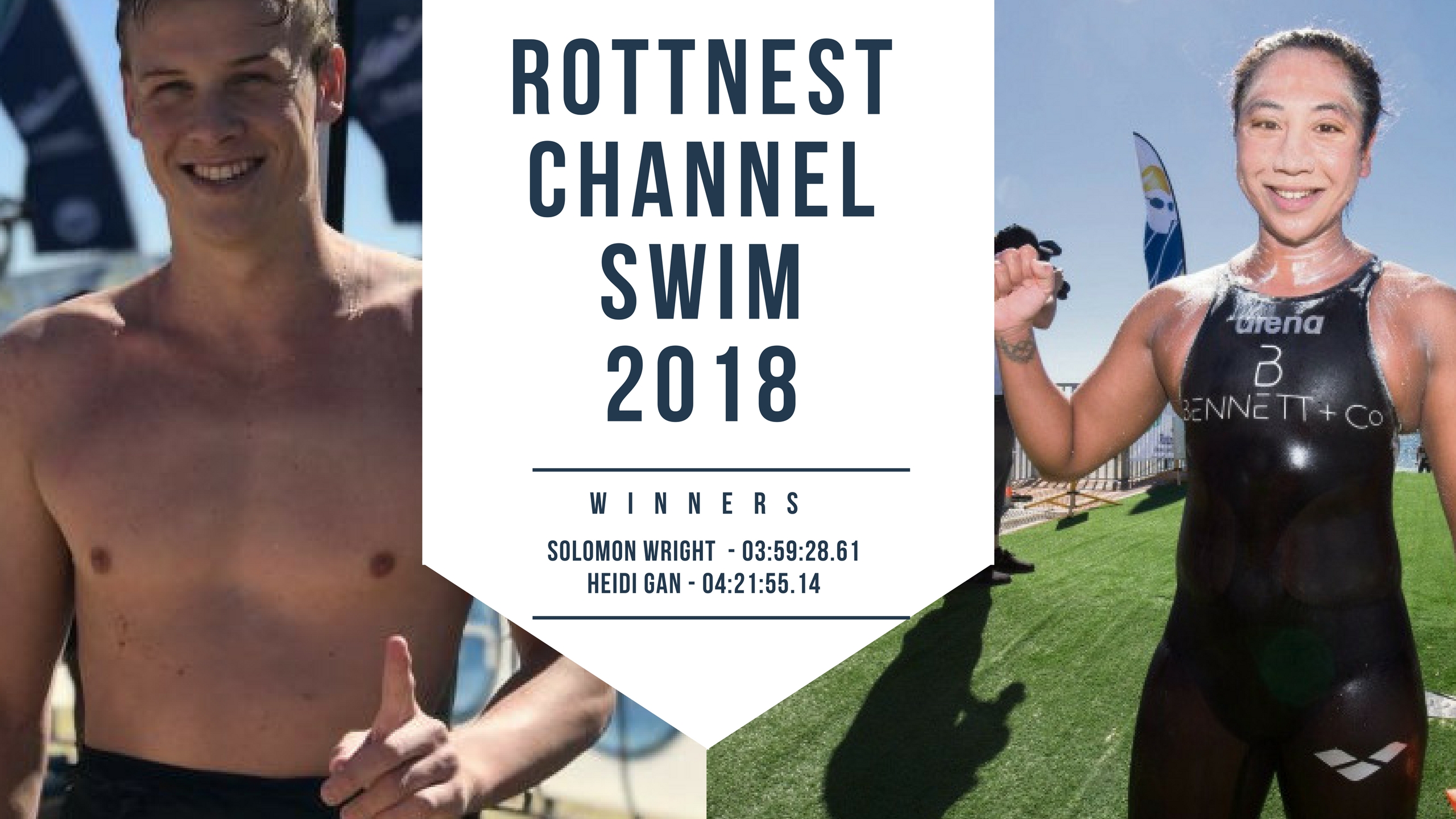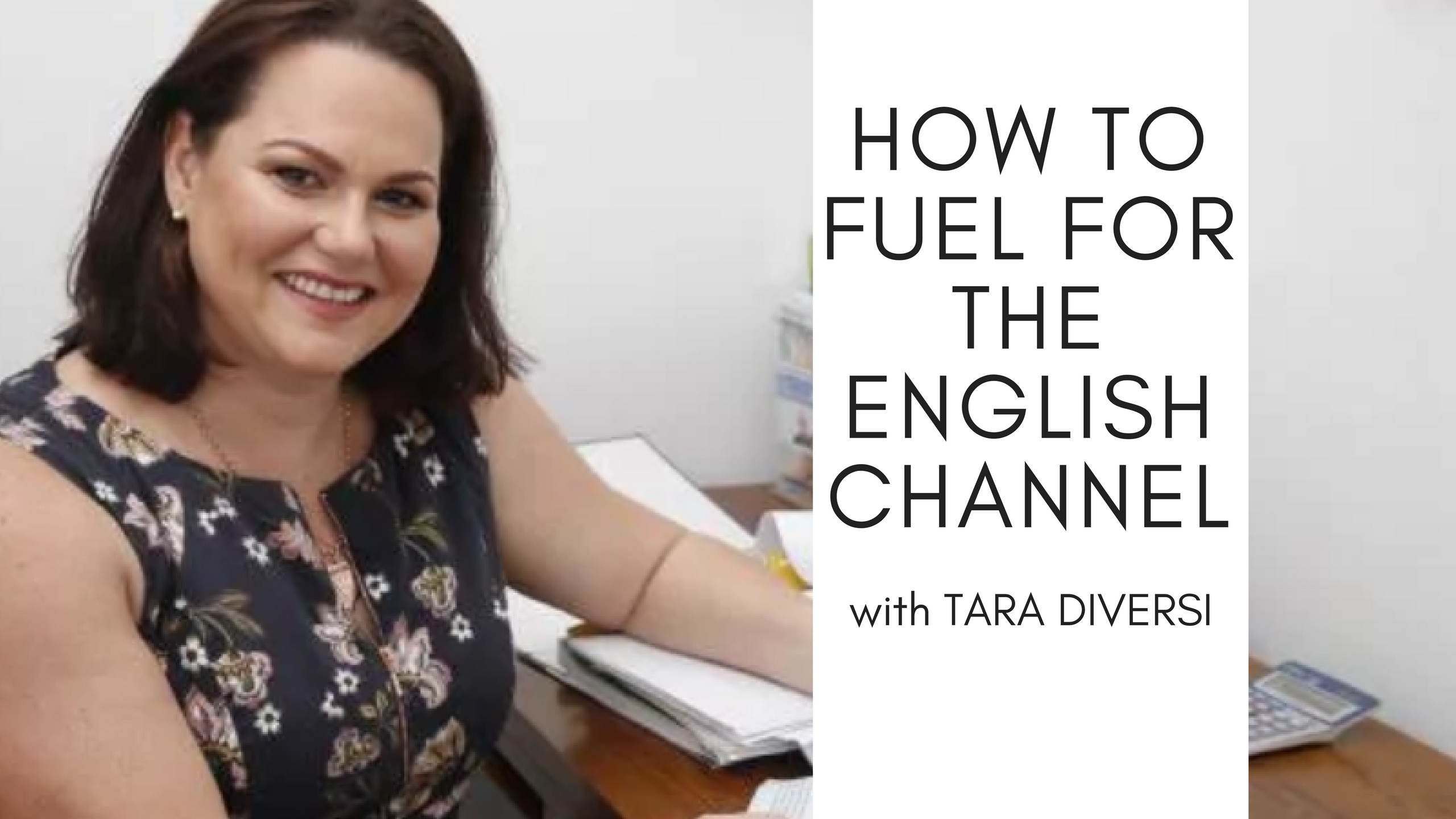








In this episode, we talked about the things I have learned from chatting up with the Rottnest Channel Swim 2018 winners, Solomon Wright and Heidi Gan. Leading up to the race, both of them encountered some obstacles, however, I believe they were able to rise above the situation because of these three things :
-Going by Feel/Intuitiveness
-Sustained Pace Work
-Experience
Transcript
Read the full transcript
He only trained for six weeks in the lead-up to that race because he was injured, but one of the things that really stood out was it was all about the insultiveness of how it felt and how he felt his pace was going. And that’s one thing that I see can separate the really good swimmers from the okay swimmers. Welcome to the Effortless Swimming Podcast to show that helped swimmers and triathletes love the water, become a better swimmer, and live a better life. Here’s your host, Brenton Ford. Welcome to episode number 112 of the Effortless Swimming Podcast. This episode is all about a couple of things that I learned listening to and chatting with Heidi Gann and Solomon Wright, who won the Rotten S Channel Swim. Both of them are elite level open water swimmers and in the lead-up to the Rotten S Swim, which they both won, both broke the record, a few things they had in common or a few common things. So the first one was going by a feel.
One of the main things that Solomon spoke about was in his training. He focused a lot on going at the same pace and the same effort that he feel he could sustain across Rotten S, across the 20 kilometers. And I mean, he only trained for six weeks in the lead-up to that race because he was injured, but one of the things that really stood out was it was all about the insultiveness of how it felt and how he felt his pace was going. And that’s one thing that I see can separate the really good swimmers from the okay swimmers, is that intuitiveness and that ability to sense their pace. And one of the most common things that I see can hold people back and can stop them from developing that awareness is the reliance on their watch too much, the reliance on their Garmin or Apple Watch, whatever they’re using. If you’re using that to time yourself every single lap, every single session, while it looks good on Strava, it gives you that positive feedback when you see the kilometers
adding up in your Strava app or in your Garmin app. I get it. I sort of have the same sense and the same, it gives me the same sort of feeling that it does look good when those kilometers add up and you see your paces and your times. But you’re missing out on the most important thing and that’s the intuitiveness. And if you listen to the Grant Giles podcast, which I think was number 110, one of the big things you spoke about was what the best races in the world do is just work on their intuitiveness, listen to their body and then the data comes second. So if that data comes first for you and you’re not listening to your body, then that might be an opportunity for you to actually be able to find some speed and be able to find that next level in your swimming. So that was the first thing, was just going by feel and intuitiveness. The second thing was they do or they were doing quite a bit of sustained pace work, also
known as threshold or critical swim speed, but sustained pace work where they were essentially swimming a good majority of their case at the same pace that they wanted to go for that swim, their rottenest swim. So you know, they’ve got 10 plus years of aerobic base there. So they’ve got that behind them. So they don’t necessarily need to be doing that much aerobic base. They have that built in. So they did most of their work at sustained pace. Now, depending on where you are in your swimming or your triathlon career, you may need to do a little bit more aerobic base work, which is essentially swimming at the same pace where you could almost have a conversation, that sort of level of effort, so aerobic base work. And when you’re doing aerobic base work, what I tell my swimmers is it’s, that’s really the long and the slow swims. So I try and aim for a minimum of 60 minutes. So 60 to 90 minutes is a good amount of time to do that aerobic base work.
If you don’t have the time, 45 minutes is okay, but 60 to 90 minutes is really ideal. And the goal there is to keep the heart rate low, hold good form, hold good technique. And a good way to do that too is with pull buoy or pull buoy and paddle. So that can help keep your heart rate down. It can also help you build swim strength if you’re not able to get in the water more than three times a week. So that’s the other thing is just sustained pace work they were doing a lot of, provided that you’ve got that aerobic base there. So they’re really the two key things. The third thing, as a bit of an aside, was their mentality going into it and their planning. So the mentality that they had is they were hoping to win. They were both sick and injured in the lead-up to it, but they feel like they’ve done the right amount of work leading up to that to have a good race. So they had the confidence and the surety about knowing that they could do the distance,
most likely hold that pace and time. And they also had the experience behind them. So Solomon spoke about, it was the second time he did the race. The first time he blew up about, I think it was 14, 15 Ks into the race. But he took that experience of how he felt he paced it and how he trained towards it. He took that and was able to make some changes the next time around. So if you are doing something for the first time, whether it’s a fine man or a 5K swim, whatever it might be for you, there’s a good chance that you’re not going to nail it. You’re going to come away with a couple of things that you go, okay, next time I’m going to change this, I’m going to change that. So your experience, especially in open water swimming, that’s one thing that you can’t escape. There’s no shortcut around getting experience in the open water. And for the new swimmers that I tend to coach, they often have a bit of anxiety around swimming in the open water
because it’s different than a pool. It obviously doesn’t feel as safe and there’s chop and there’s wind and there’s waves. But the way to build up the confidence is graduated voluntary, graduated exposure to things that you’re afraid of. So all that means is, let’s say you’re afraid of going open water at all. You don’t feel safe at all. What I’d recommend to somebody in that situation is go out and swim 100 metres close to the shore and have a friend there just next to you as a bit of support. And so if you can do that, that’s going to build up your confidence. Then the next time, you might look at doing 400 metres close to the shore with a friend there as support. And then you can just gradually, over time, push the boundaries, expand your level of comfort and build it up that way. And so what I did in the lead up to this, the Rotner swim, was not necessarily things that I was afraid of, but things that I wasn’t comfortable doing.
So the furthest race that I’d done was 5K and that was about 15 years ago. And then Rotner’s is 20K, so I wanted to build up and get comfortable doing that. So I did a 10K swim in December, a 10K race. But in the lead up to that, I did, I think it was a couple of 10K swims, one or two 13K swims in training to build up to that. And then I did the 10K race and I learned quite a bit doing that swim. And then over the next three months or the next two months, I did longer swims in the open waters, building up to about 15Ks at the longest one. And then the 20K swim after that. So it was just that slow progression over the course of five or six months. So if there’s anything that you’re afraid of or you’re not sure that you can do, just gradually build it up. And a swimmer of mine or someone who came to Hull Week last year who lives over in New Zealand. She had the goal of swimming across Lake Taupo, which is 40 kilometers.
And she did that yesterday and successfully completed that 40 kilometer swim. And she did a similar thing in her training. She gradually built up her training over time and gradually increased the long swim that she was doing each week and and got across and she was going out into the into the bay, into the harbour at Wellington there and getting used to the cold water and just gradually getting more comfortable around it. And she came to Hull Week, our training camp in Thailand, as a way to, number one, help work on her straight because you want to be quite good technically if you’re going to swim that sort of distance. It will make things so much easier for you. And secondly, just have a solid week of training and that that kind of helped her kickstart that the volume that she needed to be able to swim across Lake Taupo. So gradually building that sort of stuff up can make a huge difference. So they’re the three key things that I really got from chatting with Heidi and Solomon.
So number one, it was just go swim a lot to your intuitiveness and your and how you feel. Don’t rely on the data first. Intuitiveness is number one. Number two is sustained pace work. So threshold, whatever you want to call it. That’s one thing I’m going to do a lot more of in the lead up to my next long swim is a lot more sustained pace. I think I did probably too much aerobic base when I already had that aerobic base. So I needed to do a bit more training at the speed that I feel would suit for for honest. And the third thing is is just experience and and getting used to entering a lot of races. To help build up that experience. So if you enjoyed this episode, then don’t forget to go and subscribe to the podcast in iTunes and give us a rating if you enjoy it because that helps us bump up the ratings and more people to find out about the podcast. So thank you for listening. Mine is Branchon from Effortless Swimming and I will see you on the next episode.
Thanks for listening to the Effortless Swimming Podcast. If you’d like us to help you become a faster, more efficient swimmer, go to www.effortlesswimming.com.