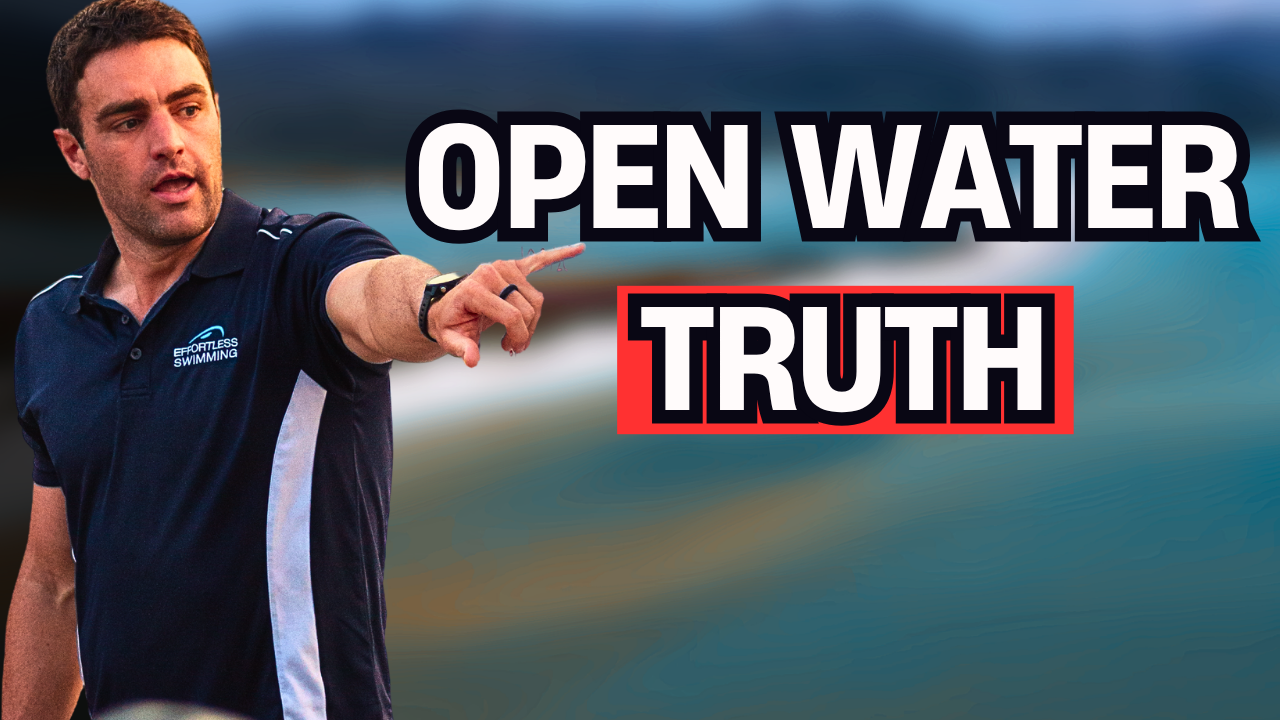









I recently joined the That Triathlon Show Podcast with Mikael Eriksson for a deep dive into freestyle technique and what I call the “swim technique hierarchy of needs.”
In this conversation, we break down the key elements of efficient swimming including breathing, body position, rotation, catch mechanics, timing, and how to adapt your stroke for open-water racing. We also discuss some of the most common mistakes triathletes make in the water, how to fix them, and why many swimmers plateau even when their technique looks good on video.
We also get into topics like kick timing, front-quadrant swimming, stroke rate, drills that actually transfer to faster swimming, open-water skills, and what it really takes to become a strong swimmer as an adult-onset triathlete.
If you’re looking to swim faster, feel more efficient in the water, or better understand how to prioritize your technique work, this episode is packed with practical coaching insights you can apply right away.
03:37 A hierarchy of needs for freestyle technique
07:50 Building the frame of the body
12:20 Kick tempo and stroke rate
17:05 Training the Kick for racing options
18:40 Rotation
23:30 The catch and pull
29:32 YMCA Drill
35:10 Timing and creative freedom in racing
38:20 Speed versus stroke appearance
41:15 The importance of purposeful drills
46:05 Capturing your technique on camera
48:00 The nature of swim talent
52:46 Swim frequency and distance
57:00 Structuring swim workouts
59:01 Intensity distribution across swim sessions
01:03:30 Open water versus pool technique
01:07:20 The importance of drafting
01:08:36 Drafting and preparation for open water
01:15:50 – Racing bravely in the swim
01:18:42 -The Goggles
01:23:50 – Choosing the right lens for conditions
Transform your freestyle to be effortless and smooth with online video analysis:
https://effortlessswimming.com/courses-membership/
Try the new Nanoclear Anti-fog Goggles: https://bit.ly/nanocleargoggles
Transcript
Read the full transcript
I was recently a guest on the Science in Art of Open Water Swimming, hosted by Grant Landers, and on this episode, he really asked some good in-depth questions about what you can do to become a more proficient and open water swimmer. And we also get into some of the principles that help you transition from the pool to the open water, as well as some of the things that are a little bit less tangible. Some of the philosophies of why people are attracted to open water swimming and swimming itself. So this was a really fun episode to do. Let’s get into it. Welcome to the Effortless Swimming Podcast, the show that helps swimmers and triathletes love the water, become a better swimmer, and live a better life. Here’s your host, Brenton Ford. Welcome to The Trafflon Show, the podcast presented by Scientific Trafflon and hosted by me, Michael Ericsson. With me today is somebody that most listeners are probably very familiar with, Brenton Ford from Effortless Swimming.
Brenton, welcome back to the show after a long time. How are you doing? Yeah, good. Thank you. And thanks for having me back on. I had a look back at our last episode, which was, I think it was three years ago now, three maybe four. So yeah, long time, no chat, but I’m looking forward to it. Yeah, me too. Four listeners that might not know you or be familiar with you. Can you give a brief introduction to yourself and what you do? Yeah, I’m a swimming coach based in Australia. And I work primarily with triathletes who want to get faster and more efficient with their technique. We run a lot of swimming clinics in Australia, some camps overseas, but we also work with a lot of people online. And for the last probably 15, 16 years, I’ve really dedicated myself to learning as much as I can about freestyle technique and how people can improve in the simplest way possible and trying to make something that can feel very complex, hopefully become very simple for them.
And over that time, I’ve worked with beginners all the way up to many, many different pro triathletes. And I love working with all different abilities because those that are new have so much potential to get faster. And then those pro triathletes, it’s those little 1% is that can really make a big difference whether they make the front pack or not. So I love working with a wide range of swimmers and triathletes. And it’s what I’ve really dedicated my coaching to is helping those types of athletes. Yeah, excellent. And we’re going off the script right from the get-go here because when you said that you’ve been dedicating the last 15 years to learning everything you can about freestyle swimming, one question that popped into my head is, is there something that you’ve really changed your mind about or thinking about a lot when it comes to how to swim good freestyle, what is good technique for freestyle?
Something that 15 years ago you would have thought completely differently about. Yeah, I came from a pool swimming background. So I thought every person who was swimming, whether it was a triathlete or a pool swimmer should have this perfect, smooth looking technique. But with my time working with a lot of triathletes, it’s not a different sport, but there’s different requirements to swim well in triathlon. And obviously you’re going to be in the open water. You might have a wetsuit on and the conditions aren’t going to be completely flat. So I used to coach from the perspective of you’re racing this smooth water. There’s no other people around and it needs to kind of look good. But what I learned over the years is that swimming can look quite scrappy and not pretty. And sometimes you want it to almost be that way depending on the conditions. So I’ve really just changed my approach to allowing it to fit a wide range of different styles
and types of swimmers because their needs are going to be very different than someone who’s purely swimming in the pool. Yeah, yeah, that’s a great point. And let’s get into a bigger discussion on technique here. So I guess a good place to start would be if you could outline a bit of a hierarchy of needs for swimming technique improvement. So if you go from most important and are basically the bottom of the pyramid to like layer upon layer of the what do you fix next? Once you’ve mastered or at least sort of fixed, mostly fixed one thing. How would you structure that? Yeah, I really like this approach of starting with this hierarchy of needs because it gives you a bit of a game plan on what you should actually work on and you can almost go through a bit of a checklist. So I think first and foremost, it’s breathing because if you’re not breathing the right way, you’ll find you start to fatigue after 20 or 30 seconds.
So breathing is number one. One of the main mistakes there for people is that they, especially if they’re new and they might have a bit of panic or they’re not comfortable in the water, they will tend to either like hold their breath and not actually exhale enough or sometimes they’ll kind of hyperventilate where they breathe in too much and breathe out too much. So we want to make sure we regulate our breathing the right way. So we start with that. Then I look at building the frame of the body. So our head posture or body and legs and we want that that body to be horizontal in the water and we want this tautness through the body. So tautness is in a little bit of a little bit of tension. So it’s not wriggling and moving around too much. So I look at head position looking straight down to 45 long and tall through the body, good posture, which is tall and proud. And then this relatively small and narrow kick,
which is you’re not using much for propulsion. So we build that frame of the body. Then I look at rotation. So from there, we want to rotate around the spine 30 to 40 degrees because from there we can then start to recover easily over the water and we can then get into our catch and pull. So it’s build the frame of the body rotation, then recovery, entry and reach. And then we look at catch and pull and then we tie in the timing of that afterwards. So that’s the rough order that I’d normally follow when I’m running clinics and coaching people or even just analyzing someone’s stroke. That’s this like mental checklist I’ll go through in my mind. If I’m maybe having a hard time figuring out what should this person actually work on? Yeah, and maybe we can run through a couple of the most common issues like you mentioned with the breathing already with people either holding on to their breath too much or hyperventilating.
What would be the typical fixes for those issues? And then maybe we can run through the other layers as well with the typical typical issue and typical fixes that happen at each level. Yeah, so I had a person come to a clinic a couple of months ago and we were doing the filming, which was 50 meters and she couldn’t make it to the 50 meter mark. She had to stop at about 30 meters, take a breather and then go again. And what we saw in her video was that when she was breathing, she was breathing in, which was fine, but then she was holding on to that air and then she would exhale about 10% of it. And so she hadn’t gotten rid of that carbon dioxide. And so then she went to breathe in again, but she was just topping up and topping up and never actually getting rid of that dirty air or that carbon dioxide. So that’s why she started to fill with lactic acid after 30 meters. So what we had to do was focus on the inhale,
but then when you bring your face back in the water, have a light exhale through the nose or through the mouth and then your biggest exhale comes as you’re turning your head to breathe. So that’s where we released most of the air bear. And so we just got her to regulate her breathing that way. And pretty quickly, she could swim much further than 50 meters and it was just because she wasn’t breathing correctly. And that’s a pretty common one I see. The other one that we sometimes see is that people get taught to breathe out and blow bubbles. So either like hum or it’s like lots of bubbles straight away. And it’s not bad for learn to swim. Like if you’re teaching kids like blow your bubbles, but if you breathe in and then straight away exhale everything, there might be a second or two there where you’ve got nothing left in your lungs and you start to feel that lack of oxygen. So we make sure that we want to hold on to the air a little bit
and then exhale just before we take the next breath. So they’re the two most common breathing ones that I see. And I think another really common one that I’ve experienced with running clinics recently is that when people learn that their lungs provide most of their buoyancy and they can use that in the right way to keep themselves afloat, then they can relax a lot more. So what I mean by that is that if you’ve got the right posture, which I mentioned before, which is trying to get long through the body, open through the chest and almost I got this from a friend of mine, Andy Donaldson. If you imagine you’re trying to squeeze into a tight pair of jeans, we’d suck your tummy in, squeeze your butt cheeks together. You’ve got this engagement through the core with that way of holding your body. Then from there, you can help bring your hips and legs up by using the buoyancy that’s in your lungs. So what we do to help teach this is we get people to take a breath in
and then tuck into a ball. So we just call it a ball float and you’ll feel the buoyancy from your lungs and you’ll just bob up near the surface there. Then we get them to extend their arms out in front, legs out behind them in this eye shape position and we want them to be horizontal. And in order to do it, you’ve got to bring your arms up above your head and your legs up behind you. So you’ve got to make sure that you’re sort of going like a almost like a bowl or like a plate in a way. And you may not be exactly horizontal. You might sink a little bit, but that’s kind of the position that we want for that floating drill. So we’re getting to do that exercise. They feel that buoyancy and they start to learn how to hold their body. Then I get them to push off and go 25 freestyle as easy or as relaxed as they possibly can. And I find after that most swimmers who either don’t feel comfortable or they just hold this unnecessary tension,
they start to relax in the water. And then when they do that, they move better, they move freer and then they can just find that like they don’t have to put much effort into actually staying upright or staying horizontal. Like they don’t have to kick really hard. They don’t need to work really hard. Their body will do that if they hold it the right way. So the effort can go into moving forwards. So for me, that’s been a big, I think I open up with teaching people is that if they can just get those couple of things right, which are really like the base of that pyramid or that hierarchy of needs, everything else gets so much easier from there. So I like to spend a lot of time on those basic things, but they just contribute so much to progressing and really getting under two minutes or under 145 and on from there. Yeah, yeah, no, those are excellent points. And yeah, so then we have, would you consider that already being part
of that body frame discussion or is that still on the breathing side with the exercise of getting into a ball and then reaching out and stretching your legs out behind you? Yeah, definitely into the building that frame of the body. That’s really getting into the meat of it, I think. And then also with the legs, I mean, we don’t want to be kicking like we’re kicking a ball or riding a bike with lots of hip and knee bend. And I think when people understand that the kick is not going to give them much propulsion, even if they’re really good with their kick, it’s more of this balance and stability. I think that helps them realize that they just don’t need to kick so hard. And the way that I found it helpful for me to understand the kick is it almost provides this like grounding effect. Like if you were to throw a ball, you’ve got the ground which you can push off from, which will help you then throw a ball really far
or really fast because you can push off the ground. But the water, we don’t have that stable surface to work with, but it’s the kick out behind us that provides a bit of counterbalance that will help us rotate the other side, that will help us feel like we’ve got something to press against with our catch and pull. So that’s more the role of the legs as opposed to propulsion. And so I think that when people actually feel that and they understand it, then they back off the kick, the heart rate comes down and it just frees up the rest of the stroke. So again, that’s just part of like building that frame of the body. Do you find that some people completely forget about the kick though? Because I think that point that you made is excellent. And I think it can really help somebody swim faster without more effort when you have that counterbalance and grounding the whole body frame really. But I find also that some people, because they are aware of the fact
that the propulsion from the kick is so small, they basically stop kicking completely and then the whole rest of their swim stroke is less efficient as a consequence even though it’s not the lack of the kick itself that leads to them being slower, but it’s that they don’t have anything to ground their stroke in, so to say. Yeah, totally like you, there’s you can do too little with the legs and sometimes we’ll see people who their legs are just dragging behind them and they’re not contributing anything. And so they’re just acting like this passenger to the rest of their stroke. So yeah, the kick still needs to be active, but it doesn’t need to be a whole a whole lot. So occasionally we will see that with with people where they’re just dragging their legs behind them. So then we want to work on making it a bit more active, but it doesn’t need to be much like those that are familiar with a say a two beat kick, which is just one kick per arm stroke.
For a lot of people that can be enough for them, especially in say a wetsuit or the like the ocean where you’ve got this extra buoyancy, you’ll probably you’ll likely find that with a wetsuit on your legs are hardly doing anything. It might just be a little bit of a flick down with with the foot every stroke. So yeah, it doesn’t have to be much and certainly open water or wetsuit. It’s like, yeah, you’ll find your legs aren’t really doing that that much at all. But that said, for the athletes that are really like going for front pack or they might be down like a towards a 130 or a little bit faster, a little bit slower, you’ll likely have your kick being a bit more active than say a two beat kick. You might be kicking a bit more because you will like you will need a say four beat. Or like a bit of a combination of like two or four or six in order to hit those faster paces in your stroke. So it really just depends on who we’re who we’re working with.
But it is good to be able to change your kick tempo and how often you’re kicking depending on the pace that you’re going. And if you look at someone like say like Lucy Charles, she she will sort of change from like a two beat to like a four beat just depending on whether she’s siding or what side she’s breathing to. So it can, you know, the kick is just kind of reacting to what’s happening with the rest of the stroke. So yeah, I mean, the way I would often teach it, if someone’s kicking the right way, then we I don’t really want them thinking too much about their legs because it will distract from the other parts of the stroke. So provided they’re kicking correctly, then like just do let your legs do their do their thing. It’s only if it’s like slowing them down or they create an excessive drag or there’s other things that we might want to might want to work on with them. Yeah, we can move on from the kick.
I just have one more question. Feel free to critique this take. I’m going to run this hypothesis by you. So one thing that I’ve used or that I’ve tried to I guess coach people is that dependent on your stroke rate that might also influence how what kick is suitable for you, whether it’s a two beat kick or a six beat kick. So for Lucy Charles Barclay, for example, because she has a very high stroke rate, it’s a perfect situation where somebody can effectively use a two beat kick. But when you have somebody coming with a stroke rate of 50 strokes per minute versus her 90 or or high 80 stroke per minute, then that person with a 50 strokes per minute stroke rate might a two beat kick might lead them to just constantly decelerate in the water and a six beat kick maybe helps keep a little bit more momentum and reducing the amount of decelerations and accelerations in the water and therefore be more efficient. Or that’s something that I’ve used as a mental model at least
that once you get to kind of in the low 70s, I found that you can that’s the transition point where for me where either a two beat or a or a six beat kick could work. But if somebody is well into the 60s, I tend to recommend a six beat kick regardless of speed and and above 70s low 70s is where I start to be a bit more able to select the two beat kick depending on other factors as well. Yeah, yeah, certainly. And like obviously it’ll depend on the swimmer, but that kick does help stop the deceleration and it helps work through some of those say dead spots in the stroke. So you will often often see that especially with a say a longer more traditional swimmer type of technique as well. You’ll see a bit more of a kick and I think for a lot of not everyone but certainly for a lot of swimmers. It doesn’t hurt to work on a consistent kick in the water. So if you if you look at when I was spoken to there’s a guy
Sam short who’s like 400 meter world champion a couple years back. I interviewed him about his stroke and one of the things that he works on and this was saying for another Olympic swimmer here in Australia that I asked. She said that she was working on a consistent six-beat kick even though she wouldn’t necessarily use that in her races for 800 and 1500 because she just wanted to develop that her kick strength and her ability to kick and then she can fall back on a four-beat in a race, which is what she tended to you know to to suit her for the race. So and it’s a similar thing with other elite swimmers I’ve spoken to they’ll often work on a longer more powerful stroke just to kind of develop that strength and then they can from there they can really rate up in a race when they need to so I think in training it’s good to kind of work on the harder the harder stroke in a way because then it just gives you more options when it comes to racing.
Yeah, no that’s an excellent point. So moving moving on then after the building the frame of the body we had there was something before the catch in the pool right rotation. Yeah, rotation. So yeah with so with rotation the one of the main reasons we want to rotate is we need to be able to comfortably get our arm over the top of the water because if we’re flat our shoulder just doesn’t work very well that way and so it’s hard to recover so that one of the primary reasons to rotate is to help get the arm over the top comfortably and then with that you know good easy recovery easy getting the arm over the water on the other side of that if we rotate the right amount and will help us get into a good catch position and to be able to use our lats and a bit of our peck but the stronger muscles to our catch and pull plus we can get a little bit longer in the water with it as well with a bit of rotation. So the way I see rotation is for most people so sprinters
are often different they try and keep fairly stable hips and more shoulder rotation but for the swimmers that I work with who are mostly triathletes we want to rotate the hips torso and shoulders about the same amount and that to me looks like 30 or 40 degrees. So if we’re looking front on it someone swimming and we look at their the back of their shoulders with the surface of the water that is typically between 30 and 40 degrees. So that’s how I’d kind of measured that angle if we’re looking front on under the water and with that 30 or 40 degrees if you go beyond that so let’s say you turn the hips and shoulders to 90 degrees for most people they’re going to lose a bit of balance so their legs will splay out their arm in front can’t really get into a good catch because that’s just not a comfortable shoulder position for them so they end up pushing down straight on the water so they don’t get much of a good catch and
then this arm over the top might just throw their balance off a bit. So that’s why I like to think of it now I got this from a coach Carl and Carl in parts. She said you want to rock side to side not roll and I think it’s a great way to to picture how you want your rotation to to happen is you want to rock not roll and if you think of your hips is the engine room of the rotation that is where it all starts the rest will flow it will throw through it will flow through the torso and the shoulders and then into the rest of the stroke. So the way I got taught was you should swim inside out and the inside is hips and core and then everything else comes out from there so yeah rocking side to side 30 or 40 degrees that’s that’s where you want to be a lot.
A lot of people do tend to over rotate when they take a breath that’s probably the most common thing I see is over rotation when they breathe so when that happens usually they get very little out of that catch arm and I had a call with a pro triathlete this morning that I’m working with and every time he breathed his shoulders would go to about 70 degrees his arm would be straight and he would just get no purchase on the water at all and this is a guy who said he used to be front pack back of the front pack but now he’s like he’s struggling to come out within about five minutes of the lead guys so we saw that one of the reasons for that was that over rotation when he when he breathed so that’s one of the things that we’re looking to to work on but it’s a very common one is either too flat or just over rotating especially on that breathing stroke. How would you work on orientation? How would you correct that?
Particularly with the breathing so I we try and get people to be a little bit more patient with the arm in front so as they are reaching forwards just have a little bit more patience feel a bit flatter through the shoulders but we also just check where they’re looking when they breathe so if they’re looking too high or looking way back behind them it can be hard to keep the right amount of rotation so we do look at how they’re breathing first and foremost we get them to be more patient with the arm in front and just in terms of a really good drill for it I like the the one arm freestyle with fins on the opposite arms by the side and you stroke you breathe to your opposite side that you’re striking with so if you’re doing your left arm through that single arm drill you breathe to your right side and you’ll probably find initially it’s hard to keep the arm in front as you’re turning to breathe but if you really exaggerate
how long you spend in front extending it’ll give you that support to be able to they’re going to get that breath comfortably and not over rotate so it’s a hard drill to do well but I think it’s one of the best drills you can do for working on that balance and and not over rotating yeah yeah and for listeners listening on the podcast by the way remember that you can go and check because Brenton is doing some he’s demonstrating these things a bit on YouTube so so it’s available there if you want to have a look at that and then we get into the catch and the pull what are the most common mistakes that you find there and and how do you correct that yeah so obviously like with the catch I talk about the catch is the setup phase of the stroke where that is not where we want to power ourselves forwards it’s the setup phase where our main aim is to get out our arm in a position where the hand and forearms facing mostly back so we get this
big arm full of water and the most common mistake I see there why someone isn’t doing that is typically because they’re too straight and too narrow with their arm in front so the way I got this from a coach Andrew Shaeff who really good simple explanations of the technique but I really like the way he explains it and so if you’re if you reach up with your arm and again I’m demonstrating here but I’ll explain as best I can so if you reach up with your arm this arm would be straight as you begin the stroke then in order to get a high elbow catch which just means essentially your hand and forearm will be facing backwards we want the elbow to go out to the side so the elbow has to go wide and then the fingers have to point away from us and then you know aside on that’s got a good high elbow catch position if someone’s upper arm and elbow is too narrow so if you’re looking front on at someone and they’re swimming towards you if they’re
upper arm and elbows too too narrow so let’s say I’ve my elbows narrow then that ends up dropping that elbow as you can see if you’re watching this video so what I really work on with the swimmers at clinics and online and everything so it’s getting the upper arm and elbow out to the side so that we can then get into that good catch position so we’ll often do drills like we call it doggy scoop other people call it front dog where or short dog so where we want to make sure the upper arm and elbow really just gets out to the side as we’re going through that movement so getting used to back because a lot of people just don’t bend their elbows much through that movement so we work on that plus a plus other drills to get that position and yeah when you get that sensation it sometimes it feels almost like you’re not holding or you’re not having as much force on the water because if you a lot of people will push down with a lot of force and
they’re like oh yeah that feels good because I can feel the pressure but when you go through the catch and you just set yourself up you won’t have that much sort of pressure on the hand and forearm necessarily in the beginning but if it’s going in the right direction that’s more important so yeah that’s that’s probably the main mistake is they’re too narrow and straight with the arm then I think other ones are just like people tend to just overpower that the catch so the catch in the pull through so two rules of thumb that I like to go with is it should be slow to fast so when you’re out in front you’ll take a bit of time as you reach and extend out you go through your catch but then you want to accelerate through the stroke so you’ll just gradually build up and to me it’s not like zero to a hundred it’s like yeah 30 or 40 to like a 60 or 70 at the back we’re not just ripping through it’s just gradual build up and acceleration with your speed and
then in terms of power similar thing set up phase put a little bit into it but then you can build up through the through the power phase which is more once your hand starts to pass under your shoulder and it goes from being a bit like a like a pull to a to a push as your body moves over your over your hand and and one thing I’ll share here too which I’ve found really beneficial for my own swimming and with some of the even even not necessarily the more experienced athletes but last year I did a swim camp with Shandran Rivendale who won the 10k in Paris and she was talking a lot about what muscles you should use through the different parts of the stroke and for her if you look at her catch she has the most ridiculous catch I’ve ever seen it’s beyond 90 degrees or at least it used to be but she had a lot of shoulder issues through her her career and so she had to basically go back to basics and work on using the right muscles
through the catch and pull and so one of the key things that I got from her was that at the start you’ll reach up and your shoulder blade will slide up along the ribs and you’ll go through your catch with your shoulder blade sort of still still up there but as you start to bring your arm past your past your shoulder and and beyond that like this is where we need to get the shoulder blade down and back through that part of the stroke because then we can use our lats whereas a lot of people they’re rounded through their shoulders forwards they’re internally rotated and it doesn’t allow them to use their lats much at all so the key thing for me is just being as you come like the midsection of your catch and pull shoulders down and back and we’ve got a few different ways to do that and then we just triceps at the back but I’ve I’ve focused on that for the last seven or whatever it is seven months or so since we had that camp and I’d
never qualified for national like my national open swimming time but at 38 I got my five the 5k national open time I was a little bit off at last year but I contributed a lot of that to just being able to use my lats more and being more effective with it and I was working with a pro triathlete a couple months ago in person and it took about took a good like five minutes to just get her to actually be able to get that shoulder in the right position when we’re doing this in dry land because she was having a lot of pain in her left shoulder and we could see as she was doing these some exercises this was just it was always forwards and it just took a lot of practice to get that in the right spot and so and she’s like often front pack sometimes second pack but yeah there’s even athletes at the very top I think have got room to improve that part of their their stroke I know I went on for a while there but yeah that’s great
going through that you said that there are a few ways that you can that you can work on that can you just give one one one example one common example of how you work on getting that right yeah yeah definitely so I’ll give you I’ll give you one drill that I’ve been giving quite a few athletes recently so there’s a drill that I made up a couple of years ago we call it YMCA drill and it you’ll you’ll kick for five seconds in four different positions so you’ll do it with both arms so the first position is just arms straight out in front where you’d start the stroke so your hands would be just below the surface so you kick there for five seconds then for five seconds you kick in your high elbow catch so hold there then in the third position you kick in what I’d call the power diamond which is just your hands would be directly under your shoulders and your elbows will be out to the side and if you look in front on it looks like a diamond
so we call it the power diamond but the important part in that position is think about being open through your chest so like open through the chest and then draw the shoulder blades down and back together as you hold that power diamond and that’s really practicing where we want the shoulders to be and then the last position is just at the exit so your thumbs will be on your thigh but it’s a it’s a funny drill it like it looks a bit weird it’s it’s a bit of a strange one but I find that drills be really effective for a lot of swimmers I think because it allows them to get the feeling of where their arms should be through the stroke and because of the oncoming water it’s going to be pushing against your arm you’ve got a hold hold against it I think there’s something in that that makes you or that helps you kind of feel that position and just kind of get used to it so that by the time you’re rolling to some swim afterwards your body just
kind of knows where it needs to be so I think that YMCA drills are really good one but the important part there is in the third position think open chest shoulders down and back for it if you I think on YouTube if you type in YMCA drill effortless I mean I’m pretty sure we’ve got a video of it there so you can see the full thing yeah no I’m sure it’s there somewhere I know I’ve seen seen it on in one of your videos at least and it’s basically the mid-skull position but without actual sculling people are used to more used to skull different sculling variations yeah yeah but yeah so I just want to touch on one thing which was the the slow too fast that you talked about in terms of the from the catch to the to the exit and that makes so much sense because of the fact that even even relatively fast athletes especially at an age group triathlon level there’s usually the catch is obviously nowhere near as good as the the really
good swimmers so you’re always going to waste quite a bit of energy there but so what you don’t want to do is or you’re wasting some of your for some of your power is going to a direction that is not taking you forward it’s not propelling you forward but the further you get towards the back of the stroke the more likely you are to have sorted it out from that kind of power diamond position through the end of the stroke there from there on you’re much more likely to have most of your power is directed straight backwards and being propulsive for you so so what you don’t want to do is to waste a lot of your energy in the early phase of the stroke where less of that is effective and then basically be too tired to really have an effective propulsive phase and rather do it the other way around so I think that that also helps maybe explain to people why why that fast to slow makes sense plus when you do it or sorry slow to fast makes sense plus
also when you do it a bit more slowly at the front it might actually help you to to improve to be more efficient in that part of the stroke that that is the harder one to to have a higher level of efficiency I guess absolutely and I like part of that too is like our overhead movements are just not that strong compared to as we pass under our shoulder so like we’re just not that strong and then secondly like you touch on it with the efficiency like the timing of the stroke so I always like middle to long distance from this to be swimming front quadrant just meaning that you’ve always got an arm in front of the head and so when you have that little bit more patience and you’re a little bit slower through the through the reach phase of the stroke and a little bit slower through the catch phase it lends itself to that better timing where you’ve always got something in front and the benefit of that is again I’m going to be demonstrating so apologies
if you’re just listening but if you think of having your arm out in front of you as you’re reaching out to begin your stroke and you’re you’re starting your catch your other arms going to be coming over the top of the water and tell me if you’ve got the you’re swinging one arm over the top you’ve got some momentum from that you’ve got the weight of it you’ve got the momentum of it you’re going to carry that forwards and if you get it at the right time as like this is my arms coming over one arm catching you get this nice kind of syncing up of all of that working together whereas if that one in front is just rushed it’s not really connected and it’s not timed very well with the rest of the stroke and so we want to be able to sort of couple these forces together and that comes from the right timing and that right timing is being a bit more patient in the front of the stroke and that’s why you see like really experienced from is just hitting
one one 15s or 120s and it doesn’t look like they’re trying a large part of that is because like the timing is just really good and those movements are coupling together. Yeah, so the timing was the the final level that that you mentioned at the at the top there. So other than those things that you already mentioned here, what are what is it that people do wrong mainly when and that’s that you find that these are the things that you end up correcting when it comes to timing for the people for whom that’s relevant. Yeah, I think like with the with the say rhythm and timing to me like that that will change depending on the speed that you’re going and maybe the the race that you’re doing and the conditions that you’re in if it if it is choppy but to me that’s like the the dancing part of swimming is this will this will probably change when you’re racing a bit compared to if you’re going going slower. So I do I think once you get to that level where you’re
you’re comfortable in the water and you’re you’re able to hit hit some reasonable times if you find that you kind of just stuck sometimes people are trying to be too pretty with their stroke and too too perfect with it especially those like I work with a lot of people who are working on their technique obviously because that’s what we do but then once we get that foundation in place you want to give yourself a little bit of creative freedom with with how you swim especially with how you race and so some of that will come to come down to not trying to be perfect allowing yourself to get your stroke rate up a bit and maybe be a little bit less front quadrant if you’re if you’re racing especially in the open water and so just giving yourself permission to try try a few different things and again there’s there’s a there’s a pro triathlete I was working with last year and I caught up through again this year and when I first saw her she was quite
quite mechanical and quite robotic with her stroke and it looked really good but she was like she wasn’t quite making the the front pack she was always just a little bit off and so one of the things she worked on was just like just giving herself permission to not not be too perfect with her stroke because she didn’t have a come from a swimming background so she thought I’ve got to work on just being very like very perfect here but open water just doesn’t lend itself to that sort of sort of stroke so yeah
that go once you get to a certain point which is it sounds a bit counterintuitive but I think you know bracing is a bit of a different different based sometimes and yeah there’s other parts that that are important especially when it comes to open water swimming and open water racing because you’ve you’ve got other factors there that they can play part of the race yeah and also like if you place this at the at the top of the pyramid it’s the the final layer so to say then we’re not talking about somebody stroke and whole swimming is a complete mess that being taking too much creative freedom and on on top of that but it’s people that are already already have sorted out some of the the issues that are at the the the base levels so to say so it it does make sense yeah it does I guess we already mentioned a few things throughout this discussion but are there some clear differences that you see in terms of
what are what are the different focus points depending on speed because you might have somebody who’s technique looks good looks decent at 150 or even two minutes or 145 looks good relatively speaking and you might have somebody that’s swimming 120 or 130 and it looks pretty pretty bad and looks like there’s a lot of things to correct but are there yeah are there generally different areas for improvement that are related to that the actual speed rather than what the stroke looks like or is it all based on having a look at the swimmer and and what what’s actually the problem with the stroke yeah it’s so I’ve had swimmers who have sent in their videos for for our online coaching and I’ve looked at their stroke and thought are this person swimming probably one 130s maybe 120 fires with how they look and then when you actually look at the time they’re actually more like a 150 swimmer and so like technically they look they look really good so in cases like that in cases like that
to me it’s often a little bit of lack of connection in the stroke essentially where they’re not transferring the the movement of the arms if they’ve got like a good catch it might be like a good shape but they’re not connecting that through the shoulder and through the body and with the the rotation of the body so there’s they’re just not transferring that as well as maybe lacking a little bit of power in the stroke so I think it’s you can certainly I mean look good with your technique but if you’re not able to to transfer that good the good shape of your catch and pool into everything else then you’re obviously going to be lacking in speed so how can you do that well I think some of it comes to a little bit of what we’re talking about with the catch and pool where like you want your shoulder to be in the right position you’ve got to let it come up at the start for your catch but then you need to get that shoulder laid down and back through the power phase of the stroke
there so there’s there’s that element to it and then also just making sure you actually put enough power through the through the water and we talked about not overpowering through the catch but I do find some swimmers are actually just overall just a bit too gentle because I think they take the we’ve got to relax you’ve got to kind of let things flow they take some of that to literally and they never allow themselves to actually like put the effort in and so I think they’re just keeping it in a gear that’s maybe one or two gears too low and yeah they like the power in it so there’s some of the things that I’ve seen for swimmers who look technically very nice but their speed doesn’t doesn’t match it yeah yeah it’s a different thing isn’t it to um to not carry a constant tension through your body or through parts of your body when you’re swimming versus avoiding tension in some of the active parts of your stroke like when you’re actually doing the the catch in the pool
so doesn’t mean you’re relaxed just because you’re actually putting a lot of force and tension through that phase on the stroke um yeah and one other question on technique then is you’ve mentioned a few different drills for different correcting different issues how do you what how do you recommend integrating drills into a swimmers program is it something that you do every swim as part of the warm-up or is it something that you focus on in specific sessions and also how do you how do you make sure that the drill is actually translating to the the full stroke swimming hmm yeah when I give drills I I say to the swimmers that I coach every session I want you to do between 200 and 400 meters of some drill and swim work just every session and just do it as part of your warm-up because you’re going to be warming up every session anyway you won’t just get straight into your main set so if you can do just a little bit to set to work on a specific part of your stroke
then that should set you up quite well for the rest of the session it might give you the feeling might give you the the awareness around what you’re trying to do there in terms of getting it to connect to the to the full stroke I think it’s more about knowing knowing the thing that you’re actually working on and then having the right drill for it so quite often at at clinics like we’ll do some drills that have really common like 616 drill or like front kick or even sculling but a lot of times people haven’t either been shown how to do it correctly or what they’re trying to achieve with the drill and how and how it relates to the stroke so I think some of it’s just the understanding of it and an example there is say with 616 drill where you’ll you’ll have one arm in front one arm by the side and you’ll turn your body to about 60 degrees on the side so you do six kicks on the side and you’ll take a stroke and you’ll you’ll swap for a lot of people they’ve
they’ve done that drill but they don’t know why they’re doing that drill and there’s a lot of different reasons why someone might be given that drill to work on and so for us like one of the reasons that we would give a person that drill could just be their alignment so let’s say their arm crosses the centerline as they’re swimming we might just have them focus on being directly in line with the shoulder with their arm and their hand and then when they do their six kicks and they take a stroke and switch make sure you’re back on in line with that shoulder if there’s a tendency to cross over that’s just one of the reasons why you might do that drill and so I think it’s just about having a a reason to do it and then translating that into the into the drill so there’s like a lot of there’s probably 10 different things you could focus on with six one six drill for example but as long as they know what that is so I think for for someone who’s listening if you like
if you’re in a squad maybe a coach can give you one thing or two things to focus on or even if you just film yourself and there’s probably something you can see within your your video just pick one thing and then having like one or two things to work on over the course of like six to eight weeks and just being patient with it so yeah it’s more about the the focus of the drill and not necessarily the the drill itself because there’s a lot of different ways to skin a cat so to speak yeah yeah and I often send some of your videos to athletes when I prescribe a drill and one thing that I’m always not sure about is will the will the athlete watch the entire video because you you might spend five six minutes explaining a drill or even longer in some cases but but I think what you’re what you’re saying here is so true and that’s why the videos are a bit longer or the definition of a drill within a video is a bit longer because you actually need to really understand a why you’re doing it
because that helps with the execution of the drill and be also the more the finer nuances around how to do it properly because I I do think that that’s such a common
basically waste of time that a lot of people end up doing when they do drills but they do it more for the sake of doing it without understood without knowing why they’re doing it and and be maybe just going through the motions and not doing it correctly so and in that case might not really be be time well-spent but but if you are doing them like with purpose and good quality then then it can be can be time very well-spent so yeah I think it’s well for sure your YouTube channel has a lot of great information it’s probably one of the best ways for people self-coach athletes to go especially if you don’t have a swim squad or coach on deck that can that can help you
but yeah I think also if you can you can go on the training camp where people take videos like like we have done at our our training camps to be arranged or like your swim clinics or your swimming camps things like that that can really be helpful for for any athlete really no matter what your level is yeah yeah exactly right and yeah and like with some pools like the challenge I think a lot of people run into is it’s hard to get footage sometimes outside of say a camp or a clinic some like sometimes like you’ve got to be a little bit sneaky with your with your phone and get a friend just to film you above the water if you can just to get like a bit of a look or you can go to the open water and get a friend use a use a phone above the water but you’ll
nearly every time someone comes to a clinic and they see themselves swim they’re shocked in the way they’re like I cannot believe this is how I actually look they had a very different image in their mind of how they swam and it’s just it’s just how it is I have that with my own stroke when I look at myself so I go oh I thought it was way better than that but it’s just the first step at actually making a change because otherwise you’re you’re shooting in the dark and you just don’t know what to what what you need to do so I think that’s it’s a great first step if you can just pull the phone out capture some footage yeah yeah and yeah not if you if you are in a pool where you’re lucky that you’re allowed to film then I’m always a big fan of especially if you don’t have because I’ve I’ve had a lot of athletes that they just don’t have anybody that go with them to swim so it’s you can if you get friendly with with a lifeguards then that’s that’s a good way if
but if you are I’ve been in the situation for example where I go and swim on my own and I am allowed to film but I don’t have anybody to film so a suction cup and a GoPro that’s a really good tool you can put put that up and you can get underwater footage as well as in water footage even though nobody’s filming you just set it up statically on the side of the pool or at the end of the pool so you can get frontal and side view so at a suction cup and the GoPro so that’s a good investment when you’re working your technique I think definitely yeah even if you don’t get a GoPro like there’s cheaper cameras out there that don’t cost that much quality is not as good but it’s good enough for what what you need yeah yeah
I guess this question is a bit of a kind of worms but I’ve seen this pop up in a in a few discussions in different places and it’s a question about how much your swim technique is actually trainable and how much is just related to innate talent I guess there’s also the component of being able to learn when you’re younger your the your motor skills are more plastic and so on but but some people do learn really well starting a bit older so then the question is did they just find a really the a great coach or they just have the right mindset about learning or they’re just skilled at learning is that yeah is it the right training or is it a lot of talent mm yeah it’s there there’s certainly people who have a much better a much better feeling of the water just naturally like it’s regardless of of whether they swam as a kid or not and so like you’re always going to have a bit of a spectrum of of how naturally comfortable people are in the water but the amount of people that I have
coached and I’ve seen that have not started as as kids and have gotten to like a very good level with their with their swimming and not come from that swim background as a kid like that’s there’s a lot so I think and it that it doesn’t help to go look I didn’t grow up swimming so I could never I could never be that good but especially in triathlon you don’t need to be the best you like you just need to be you just need to be up there because you’ve got other things that you can rely on like you know drafting siding while like there’s other sort of open water skills that that you can use to actually be up there with someone who swam since they were four years old so you don’t have to be the fastest so I think it’s I don’t think it’s helpful for someone to say I can’t be as good as the next person because I didn’t grow up swimming and whether or not that’s true it’s like just do what you can do just do what you can do and and there are so many examples of
say top of pro triathletes who who weren’t swimmers as kids but they’re still making front pack so I think you look at those sort of case studies and and take that into yet take that into account that you can go a very long way even if you didn’t start young it will take work like it takes a lot of time in the pool it takes a lot of work and focus but yeah you can absolutely get there and I’ve just seen so many people do it is it what is the main what do you think is the main characteristic of is it or what is yeah what is the
let me ask another question because I don’t think that was a good question anyway I guess I can people that have a slow rate relatively slow rate of improvement let’s say not a rapid rate of improvement can they still improve to a good age group level where they might be doing being the 120s per 100 for their threshold or even sort of the high teams 1, 18, 1, 19 but around that level around 120 or 125 is that possible without being somebody that you’re getting to the pool in the first month you instantly drop 32 30 seconds or 45 seconds of your of your swimming but you just had a slow grind over several years have you seen that happen as well that people just through the slow grind they get to a high level high level of an age group level let’s say yeah yeah I mean yeah there’s everyone’s obviously everyone’s so different but like there’s certainly there’s certainly people that that I’ve seen that over the course of and it like takes
like years years of work but like over the course of three, four, five years they start to get down to that point I I’d like not many there’s not many people who would do it in two years you know like one to two years I think it’s really sort of that like yeah three, four, five sometimes like six years of of working away at it where you start to get to that that sort of level yeah that sort of level if it’s like you know in the one 18s or whatever it might be some people might be a bit quicker but like yeah it does take it does take time but I think for the swimmers that are like getting some form of coaching and feedback to get that gradual improvement they can they can get there and sometimes people who aren’t necessarily getting that technical feedback can get there they just have a a good sense of what they need to do but certainly it is those those athletes that are getting some form of coaching and technique feedback and doing the right
types of training sessions like you know like you’re prescribing in someone’s workouts like all those things contribute to getting to that sort of speed and what would you say roughly as a ballpark how much would you have a triathlete how much would you want to triathlete to swim how many times a week and roughly what distance for those swims per week if their ambition is that yeah they want to get up to that good age group level in swimming in triathlete in swimming I would want a minimum of three swims a week of a minimum minimum 3k so that would kind of be the minimum and if you can do more that’s obviously going to help but that’s kind of my that’d be my rule of thumb three swims minimum 3k a week a 3k session yeah I think I think with swimming it’s it’s interesting because that’s I do think I do think and I you probably agree that in the short term in in six months from now it’s probably going to have the lowest return on investment as triathlete
but at the same time if you’re looking to be the best triathlete you can possibly be in five years or five plus years then you’re at some point going to run into an issue where your swim is just not you might be getting to the point at the end of your age group and if you can’t improve your swim then you’re kind of stuck at that level so making that investment earlier on is going to still be worth it and then potentially you get your point where later on you can kind of when you get when you really feel that you’re plateaued and and more swimming isn’t really bringing you to return on investment that’s when you drop it back a little bit rather than earlier on or that’s that’s with how I view it from a long term development perspective at least that’s how that’s also how I’ve done it in triathlete I spent a lot of years doing a lot of for me a lot of swimming like many 20k weeks or a lot of around 20k weeks with five five swims a week sometimes six
and but then later on I did a bit less four swims a week and maybe sometimes even three swims a week and managed to maintain even some at some points improved slightly and then it dropped back but but I felt like that earlier those earlier years of a lot of swimming really helped even though maybe maybe at that point in the short term I could have improved more by just doing a massive amount of biking instead but in the long run I think that that swimming helped that’s such a great point because there are like there’s a lot of triathletes who they like they’d need to do a bigger swim block of like four or five there may be more sessions a week just to try and get to that next level with their their swimming and then they might be able to maintain it with a few a few less because at some point it’s probably it’s going to become the thing that’s limiting you or stopping you from qualifying for Kona or whatever your goals are
and there’s a there’s a young triathlete I’ve been working with over the last couple of years and for him it’s the age old story great biker very good runner but his swim he just wasn’t front pack and that was that was hurting him he got injured a couple of months ago so he hasn’t been able to to run and so he’s been doing six six swims a week it’s been and we’ve just adjusted his training program a bit where he’s doing we’re really focusing on some like VO2 efforts like hundreds where he’s holding as fast as he can and also in his sprint work just having enough rest so he can go like again really quick and he’s in the last couple of months he’s gone from in his VO2 hundreds from being around 114, 115 and he’s now down to I think 108 some 109s which is where he needs to be and so we’ve seen that with a big swim block some more specific training with some harder sessions in there and so I think when he eventually drops back his swims
and he can bring his running back in he like he may not be at 108, 109 but he might be at 110 for four swims a week and that’s like he knows that he can swim at that level now so sometimes you need to put in there the surge with with the swimming so it’s a great great point yeah if you have somebody doing those three swims a week that you recommended as a sort of baseline for somebody that wants to improve would you include some intensity in all three swims or how would you structure that or because I think it’s quite like we has triathletes we draw a lot of influence from running and cycling where you know you have the easy days easy hard days hard structure and whereas in swimming in in pure swimming that’s a bit different like there’s a lot of intense work on a daily basis basically how would you how would you view the swim program from a triathlete perspective if you have three maybe four swims a week hmm
for for a lot of swimmers I’ve given them if they’ve had three a week often we’d have them do one longer swim so for example maybe they’re averaging 3k a swim this one might be a 4k swim and they can do it’s more just an aerobic swim sometimes pool boy paddles especially if the if it’s like a after a hard run or hard ride so have one more aerobic session then the other two sessions I’d want some form of intensity one I’d look to probably have is a like a solid sort of threshold session in there and the other one would be if they can something like those like the VO2 sessions where we’re going yeah hundreds is as sort of hard as we can hold again depends on the on the distance sorry on the event that they’re training for but otherwise it would be sort of two threshold sessions and one one aerobic and you might even throw some even just a couple of sprints in to the aerobic one at the at the start just to help them with a bit of speed
because I find so many triathletes just get stuck at one speed and they don’t get very their pace much and so that just that really limits their their improvement so that’s typically what I’d what I’d do but yeah depends how hard their bike and run sessions are and how they’re how they’re recovering but certainly you do need a good solid threshold session in there at least once a week and then maybe maybe a second time a week as well what did you sort of yeah I would I would be that’s similar to what I do and I’m sometimes questioning it like with if I have three swings a week I would do one aerobic swim it like I said sometimes it does have some really some some light quality it might be a couple of sprints which sprints can be extremely demanding if you’re an actual sprinter obviously but for most triathletes they’re not very demanding because they don’t just don’t have the ability to produce a high amount of lactate
so students are being more of a yeah it’s a bit of neuromuscular work but it doesn’t really require a lot of recovery doesn’t feel that hard so yeah I’m quite similar but I I mean I guess the the thing that I’m thinking of is Joel Filial’s rules of swimming famous article I don’t know if you’ve seen that and one of the one of his rules of swimming is of course this is in the context of elite WTCS athletes or or well word travel based athletes anyway world cups and WTCS racing and continental cups and one of the rules there is that if you’re swimming four times a week or less I think is the cutoff there then every swim should have some quality like that just doesn’t mean that there’s no aerobic swimming in there there’s certainly that as well within those sets but but you don’t necessarily need to have days of
yeah days of just swimming mainly like 90 to 95% easy or endurance based swimming I guess yeah I yeah in the context of age group triathletes I do find that you want you need to manage fatigue so well so I’d rather be a bit conservative and keep those keep some easy days that are easy because also mentally it can be quite hard but at the same time I feel like if somebody actually can manage to do all more of their swims with more intensity I do think that the recovery from swimming is so much so different than from biking and running that it could be beneficial so it might be something that is worth experimenting with for people to have why not try to make the third swim also have a bit more intensity in it and see if that if that works for you that’s yeah yeah that’s the reason I asked the question curious to hear what different people are doing yeah that’s good I agree with you I think that’s if you can manage it like why not
and with like with my own training I can only swim three times a week most of the year and with our squad there’s like between five days a week Monday to Friday in the morning and I can I can’t get to the aerobic sessions so it’s been it’s like threshold sprints and then VO2 and that’s held me in pretty good stead all year because I get aerobic training outside of the outside of the pool and so yeah I’ve noticed that that’s worked really well for my own swimming
but I’m not riding or running that much just doing other stuff but yeah I think if you can it’s probably not going to hurt because aerobically you’re you’re probably pretty good with everything else that you’re doing and yeah the swimming is where you can put the intensity into it and recover quickly as you said and I think the exception might be I’ve had some athletes that are actually quite glycolytic they’re able to whether it’s swimming, biking and running they have a high top end they have a high capacity to produce leg take and can easily swim they might have a critical speed of 140 but can easily do 50s in 30 seconds and so their speed is way is outpacing their threshold and their endurance a lot and in that case I think that yeah you probably do need to work on that endurance and then having that aerobic swim is probably
more important than the VO2 swim which you might have a bit more naturally or maybe not the VO2 but at least the ability to go fast so then it becomes a key session even though it’s not intense but I find that those athletes are not so common in Treflon because Treflon at least for the adult onset crew they tend to draw people that are a bit more slow-twitch dominant yeah, yeah certainly you don’t say a huge amount of pure fast switch or sprinters doing triathlon so yeah, that’s a good point and certainly something to consider if you look at your own speed and pace it’s like if I can sprint really well but I struggle for those longer distances then you might want to adapt your training yeah, I want to ask as well a little bit about open water swimming so first of all what are the changes or modifications that somebody might want to make in their open water stroke compared to how they swim in the pool and is there a difference depending on
whether it’s a wetsuit swim in the sea or a non wetsuit swim well I guess a non wetsuit freshwater swim might be the same as a pool almost so what are your thoughts on that?
so if we start with how would you adjust depending on freshwater versus saltwater there is obviously a difference in buoyancy and also with a wetsuit so a wetsuit or saltwater is going to take care of most of the body position factors of your stroke and so with that you can focus less on them so last week I did I was on the support boat for a guy Andy Donaldson he did a 55 kilometre swim down a river in northwest of Australia and he’s a marathon swimmer but he would normally be in the ocean like English channel, North channel all those sorts of things and so he’s used to saltwater and he said he really started to notice the fresh water when he started to get fatigued because his hips would drop a lot more his body would drop a lot more compared to what he was used to when he’d fatigue in the saltwater so he said he had to be more mindful of head position pressing his chest in a little bit more to just work on that better body position
so if you are in something like that where you don’t have a wetsuit you are in the lake or something you will need to be more mindful of the body position factors the things that contribute to it with a generally going into open water my rule of thumb is with your stroke or with your arm recovery you can be faster, higher and wider with it meaning if you have a wetsuit on you’re probably a bit restricted through the shoulders and that more classic like high elbow recovery might not cut it for you and so you’re better off just kind of swinging that arm forwards over the top of the water maybe a bit quicker than what you’re used to you might be a bit higher and you might be a little bit wider as well than what you’re used to just because of that restriction so higher wider faster with it as well as with your stroke rate that’s probably that should come up and you still need to reach forwards but you’re going to start your catch a bit sooner than usual
and it will be a little bit more not like a windmill I don’t think that’s the right word for it but it will be certainly a bit quicker with the rating so I always like to see people pick their rating up and be less perfect be a bit more scrappy with your stroke and then also you’ve obviously got to integrate your sighting with it and there’s a lot of people I’ve coached that they just don’t sight the right way and they kill their speed with it they lose five sometimes 10 seconds per 100 because they’re not sighting correctly and so the way I’d like to teach them to sight is to sight on one stroke so you look up on one stroke and then you’ll turn your head to breathe on the next stroke so it’s called a rolling breath or I’ll just call it sight and breathe and that way you don’t lose your rhythm with your stroke and you can keep your hips up pretty high whereas a lot of people do just head up head up for two or three strokes
and then head back down and then they breathe but they just lose so much speed doing it so that’s one of the main skills that I like to teach with that and then obviously like you’re drafting and I had a call with a pro athlete this morning he said, look, I’ve gone from being back to the front pack to like five, six minutes behind and like technique wise we could see why that was but he said I also, I don’t like to draft behind people I just don’t feel comfortable and so for him especially at that sort of level it’s like you will be missing out on so much speed if you’re not drafting and one of the things that we uncovered on this call was that he doesn’t like to draft because he feels like he’s not holding the water as much because if you’re sitting behind someone the water’s already moving you’ve got that turbulence of the bubbles and everything and so when you’re going through your catch and your pull you just feel like you’re slipping
even though you’re going faster for less effort so if you can get comfortable feeling not as good in your stroke but sitting behind someone you will save so much effort and you will swim so much faster as well so I think sometimes it’s just knowing that that’s the case too because I just know personally if I’m drafting or pushing off on someone’s feet in the pool I don’t like it because it doesn’t feel very good but I’m going three seconds quicker per 100 for only 80% of the effort Yeah, absolutely. Do you recommend for age group draft leads so maybe less of a… We’re not interested so much in the pack dynamics here that might play a role in the pro race but would you draft on somebody’s feet or on their hips?
You’d probably do both if the opportunity arose but if you’re on someone’s hip you’re going to be slowing the person down who you’re drafting off because when you’re sitting on someone’s hip it feels really heavy for them and you end up taking some of their water so you’ll pull through when you’ve kind of taken the water that they would hold in their catch and they’re kind of dragging you along so it’ll feel very easy for you so in some open water races that’s certainly a strategy but in triathlon you really just want to get to the end as fast as you can so I recommend most people just draft on the feet and as long as my kind of rule of thumb there is if they’re going the same pace as you you can draft on the feet but if you feel like they’re going slower than what you could hold then just get out from the feet and just go past them because you kind of have to gauge that and you might even just like if you’re working your way through a pack
let’s say or through a group let’s say it’s a rolling start you are going towards the back you might be overtaking people as you go but it can be good to just like try and move in behind people and then just move past them and then go in behind someone because they will be moving quite a bit of water with them as well so sometimes that’s a good strategy as well if you’re working your way through you know through groups of people as long as you’re not going to get stuck in a big pack of four or five so yeah use it to your advantage and it could be minutes off your half Ironman or full Ironman time if you do it well yeah yeah yeah I just don’t draft somebody that is navigating poorly because that could be minutes added to add it to your time yeah you’ve done it before it says actually I don’t I can’t remember I don’t I don’t think I’ve certainly had races with poor navigation but I don’t think I can blame somebody that I’ve been drafting
think I have myself to blame and maybe weather conditions as well and also I didn’t have the effortless swimming goggles so so that might have had to do with it as well some some fogging fogging there in those races we’ll get to those in a little bit just a couple more questions on the open water what is any preparation for open water swimming do you advise people do in the pool
a couple of things one the practice you’re citing so we have blocks at the end of our pool so I just get people to sight the blocks every six to eight strokes so practice that sight and breathe method
even being on someone’s feet so sometimes if you’re in a squad or a group you might push off directly behind someone just to get used to what it feels like to be drafting again if you’re in a squad or a group if you can do some pack swimming so you might have eight of you all going down the lane together and just getting used to being next to other people and just getting over that few factor of having someone near you or feeling like they’re going to swim swim over the top or some people touching your toes there some of the main things even just with a wetsuit so if you aren’t used to swimming with a wetsuit definitely practice before race day and you can wear your wetsuit in the pool and just kind of get used to how that feels as well because it’s going to feel quite probably restrictive you might feel like your stroke changes so just getting used to that at least like two or three swims with a wetsuit beforehand so just trying to replicate the race
or the open water conditions as best as possible a couple of weeks out from your swim will really give you the confidence once it gets to race day Yeah, and those are also some really fun sessions especially the ones where you’re in a squad and can do it with other simulators that swimming in closed quarters and all of that and the final question here on the open water swimming is what advice would you give to somebody who’s struggling to translate their pool swimming level to a similar performance in the open water they might be swimming similarly to their squadmate in the pool but then their squadmate is putting a couple of minutes of them in a seven point three or five minutes in an Ironman in the open water It’s a really common one that I come across the main couple of factors there
some of the things we covered like your skills your ability to draft to site well and take a straight line but I think also just getting used to swimming open water and getting the stroke rate up a bit more and kind of just going for it I see a lot of people just being very precious with how they swim but in the open water especially if there’s any sort of chop and waves you do just need to be a bit more assertive with how you swim so getting comfortable being out of your comfort zone in a way and swimming yeah swimming like it’s it’s really open water and not these perfect pool conditions so I like the word scrappy I’ve used it a few times but I do like that word allowing yourself to get a bit scrappy which doesn’t mean like just hideous technique and everything goes out the window but just kind of taking it’s like taking the the limiters off and allowing yourself too to attack the swim a little bit more so part of that too
which is not for everyone but if you breathe every like on one side primarily a good open water stroke will often be a little bit of a gallop if you breathe to the one side and if there’s there’s chop you will see a bit more of that sort of galloping or uneven kind of stroke so if you do breathe the one side see how that feels for you because that can actually be quite an efficient way to swim and it can work really well for for open water depending on the can explain the gallop with more yep so with it like a galloping stroke is basically one side will be will be like a longer stroke the other side will be a faster stroke so with the gallop you kind of see someone like come up and out over the water and then under the water Michael Phelps is a bit of an example of that with his freestyle I might be showing my age but like he he had quite a gallop in the pool if you look on our YouTube Sam Short we posted a video with him when he swims comfortably
he’s got a very smooth and even stroke but when he races he has he grew up in the surf swimming in Australia and in the surf a lot of those boys develop like this this galloping technique where it’s like up and over there’s great footage of him on a recent YouTube video we did with him so that gallop is yeah you sort of be longer on one stroke and then you’ll come over you’ll breathe and then you’ll be a bit a bit quicker on that stroke so it’s like in sort of uneven tempo there but yeah if you do breathe every two or every four give that sort of stroke a try in the open water and see how you how you feel especially at race pace not so much just being comfortably but certainly at race pace it can be a good way to go yeah and I’ll come back to what he said though as well about just going for it because that’s with a personal anecdote I had basically my breakthrough swim in a triathlon in a race where I had been injured I had I had a hamstring strain
for three weeks before a race and still I tried a bit of a jog walk the day before the race that was the only running I had done but lots of pain so I was sure that well I’m not going to be able to run in this race I’m going to get to T2 and and DNF so I might as well just do the swim as fast as I can do the bike as fast as I can see what I can do in those two legs to to get some some information get some and have some fun in the race and I did that funnily enough for some reason the hamstring was fine on the run in that race and I finished and finished well but but yeah the swim was a breakthrough swim because I just went for it and I didn’t really think about what was to come next and so so that was quite helpful to have that to not even think that you had to finish the race so yeah but you did end up finishing I did not finish yeah there you go yeah that’s good that’s so yeah rings that rings very true for the things that I’ve seen with with other athletes
where they they are like really conserving for the bike and really conserving for the run which yeah to some extent you do have to do but sometimes it’s too much and they’re afraid to like get the heart right up beyond 120 you know so yeah that’s good it does it does depend on the race distance and your level your conditioning like this was a half distance it was challenge Lisbon in 20 2019 I think and so yeah and Ironman would be different it would be different if you’re if your base fitness is are you not not the best then you might want to conserve more because you really can’t afford to waste much energy so obviously those things have an impact but but it’s it’s certainly a possibility and and that’s also one of the reasons that I I would encourage people to also do shorter races to Olympic distance races do sprint distance races because then you can you can be more brave with pacing and try see what you can do in the swim and the bike as well
and not always feel that you have to conserve for the run yeah totally especially like an Olympic an Olympic will feel like a sprint like you can really keep the effort up high can’t you in my experience having done two of them I mean yeah I had a season of triathlons and but yeah those like Olympic and and even half was like it’s hard work because you can you can put the foot down quite a bit through those yeah let’s talk about the yeah the the news from effortless swimming relative news at least with you’re now producing goggles you’ve developed developed a bunch of goggles with the antifog technology can you talk about what led you to to do that and the yeah the reason why you you’ve broadened your career from just coaching and education into product development yeah well we sort of stumbled into it really so like I’ve coached for the last nearly like 19 years I think it is but about 12 80 18 months ago now I came across this new type of antifog technology
that had had been around just a couple of years and when I tried these goggles with this antifog I was I was on a camp in the in the Maldives and I just couldn’t believe that I could actually see what was happening underneath the water because I was used to just having to clear the goggles but they would last like two minutes and then fog up again so I was just so impressed with this like new type of antifog so then I thought well this like this is unreal I want to share this with the swimmers that I coach and especially those that come on our camps all those that are racing because I used to buy a new pair of goggles every single time I’d have an A race coming up just because you need to see where you’re going so I’d always be buying new pairs of goggles so yeah so then I thought I want to get ones that are great for open water particularly yeah triathlon that they need to be comfortable for longer swims because I like to race
up to sort of 5k so I I found as many manufacturers as I could I got as many different styles and samples so I have like hundreds of samples of of goggles here at home that we tried and I found the best three that I that I could and then we started and adjusting them and sort of making them really comfortable for ideally open water swimming to start with and we applied this this new type of anti-fog called called Nanoclear so yeah we’ve been offering those for the last
it’s flown now but maybe like eight months six to eight months and it’s been unreal like the feedback from people having people like Kat Matthews Christian Blumenfeld Yella Gein’s wearing the goggles has been awesome and yeah like the strike model is the one that I like to wear and that’s what what those other guys are wearing as well but yeah just kind of stumbled into it but there’s been a big demand for them and it’s just been a good like a new challenge and I think it just it fits really well with with what we do just trying to make swimming more effortless for people so yeah it’s it’s been cool to hear the feedback from people we’re working on some different styles but yeah it’s cool seeing like even age groupers pro triathletes wearing the goggles out there on on race day and just getting a really good feedback about them What is it about the strike model that makes you go for go for that one? Yeah I for me most comfortable wide
field of view so when I’m in the open water it’s it’s easy to see and see everywhere and then it’s it’s a good sort of cross between like it’s not in your like in your socket type thing like it’s not a really small like pool racing model like say like the Swedish ones it’s kind of like an in-between so it’s it’s a bit larger but it’s not really big and so it’s still quite you know hydrodynamic while still being able to see really really well and that just seems to be the most comfortable one for like for most people out there and the way the antifog is different like I didn’t I never really understood like you know why does antifog stop working after five to ten swims and it’s just because like typically it’s a coating that’s applied after the lens is made and then it just like if you touch it or like you just don’t take care of it it just rubs off and that’s why they start to fog but this new type of antifog is it’s this they sort of embed it into the lens
and so if you like the first few swims you won’t need to do anything they’ll just be clear but then eventually like they will start to fog so you just wet the lens clear any residue from the inside of the lens with your thumb or your finger and that gets rid of any dirt or dust and then it will be clear for you so just at the start of each swim you wear it clear it and then you’re good to go for the swim so yeah it lasts about ten times longer than normal antifog so it’s yeah it seems like such a silly thing like no one’s really gonna I need to find like I need to find a really good antifog goggle but I think once people use them they’re like oh this is actually so good because I can see the clock I can see where I’m going nice sorts of things yeah yeah and as you mentioned I’ve also always done the same previously bought a new pair of goggles for every single race and it also ends up being it’s a very unnecessary expensive feels like
and also not very sustainable for the environment to just have these goggles that you use for a short time and then you can’t use them anymore so there’s lots of advantages one more question there’s obviously different sorts of lenses different colors mirrored non mirrored how do you how do you think about what what type of lens to select for different conditions or swimming in the open water yeah yeah so the way that they write the that the tints so the tints of the lens basically goes from they call like s w 0 up to s w 4 so from 0 to 4 basically and like s w 0 is like there’s no tint completely clear and then s w 4 is like like really dark you could look directly at the sun with them but you won’t find really any goggles that are typically any goggles that are that dark so basically I most people are pretty well off with a pair that’s like it’s a smoke pair it’s like there’s no there’s no mirror effect to it but it’s got like a bit of a smoke tint to it
if you’re looking to the sun doing backstroke or directly into the sun if you’re swimming like early hours of the morning then you’d need something a little bit darker which might have a coloured lens and a bit of a mirror tint to it which would be like a like an s w 3 essentially so yeah depends on what conditions you’re in but for most people who are swimming like during the day or early morning I tend to direct them to yeah like a a coloured lens like the smoke lens but if you need a bit more protection then it’s like a mirror and coloured lens as well with like for us we’ve got the tinted mirror which is our darkest one which you can do backstroke into the sun with but if you’re swimming early morning and it’s pitch black like it is now here in Australia that’s pretty dark for an early morning swim so I feel a lot of people tend to get two pairs it’s like a clear pair or a smoke pair and then I’d like a tinted mirror one depending on the
on the conditions just as an example so Iman, Texas they started in the almost in the dark for the pro field so like a cat war just a completely clear lens there so like it’s just as you could see comfortably but then for Iman Geelong here she had like our purple mirror ones which have a little bit of a tint because the sun was that’s sort of almost looking into the sun going out there so you yeah it’s good to have options depending on when you’re racing yeah yeah I’ve always found that those going into into the sun at sunrise and that that can be quite challenging with the reflection of of the sea as well that’s also I’m based here about 30-40 minutes from Iman the Iman Portugal course and it starts swimming east right into the into the sun at sunrise and that those that’s always I mean it’s not that it’s terribly terribly difficult necessarily but but you do have to select the right sort of tint for for the conditions and so it was it was
useful to hear your here advice there on how to think about that but yeah so so listeners obviously there’s yeah the effortless effortless swimming is the sponsor of the show and you can find more information in the show notes about the goggles the links to define the goals check them out and the discount code which I’ll bring up here in just one second because it yeah TTS 15 that gets you 15% off and a free two month course membership for which will help you put a lot of these technique things that we’ve been talking about today into practice with with the effortless swimming courses as well so yeah thank you Brenton for supporting the show I really appreciate that a lot and I couldn’t be happier to to work with you guys then just to wrap up I have a few listener questions as well we’ll just go through a couple of them because I think a lot of them that came in we’ve already answered but this one is from Leonardo who asks what does it mean to swim with your shoulders
and what is the problem with it what he’s probably referring to
would be so there’s there’s a term called hip driven freestyle and shoulder driven freestyle so if he’s referring to that show it’s a hip driven freestyle is more for middle to long distance swimming which is where you would have the same rotation through your hips and your shoulders so you kind of generating the rotation from your hips that’s where you’re initiating it shoulder driven freestyle is more a sprint freestyle where the hips will stay quite still and the shoulders will do most of the rotation which is which can be very fast and very powerful but it’s not if it’s not as efficient as a hip driven so if that’s what he’s he’s talking to are talking about it’s not a great type of stroke for triathlon because it’s just not efficient yeah yeah that’s how I interpret the question so I think I think that’s correct then we’ll take this one from lotta who asks what’s the most underrated skill or technique with which advanced athletes
can optimize their performance and gain a few seconds of their swim time I would say you using using your your lats through the power phase of the stroke which we talked about at the start of a start of the podcast I think that would be the yeah an underrated one especially if you’re in like the top 10% of the field and she also asked from which age on we might already answer this roughly from which age on is optimizing performance not possible anymore
it gets pretty late really like I’ve I’ve had swimmers like say master swimmers people have competed as kids and they’ve just kept swimming I’ve had master swimmers in their late 40s even like early 50s who have still hit lifetime PB’s so I think you can go pretty late into year and those are people that have have been swimming as kids as well yes yeah so if you start in your 30s then like presumably it it’s quite possible that that or those same swimmers could have improved later on because they would have started later and had a shorter lifetime lifetime swimming yeah that’s but that that’s interesting actually to hear that all people doing that that have been lifelong swimmers then let’s do one more this one is from Jack who has when swimming in a wetsuit I can keep good form with a 4-bit kick but in the pool I drop slightly so neither I guess he drops his legs so I need a 6-bit kick to keep my legs up what is the best way to approach pool workouts
when preparing for open water wetsuit swimmers if my kicking pattern is different
yeah we kind of covered this at the start as well I think it’s the wetsuit is giving you buoyancy so there’s less of a almost less of a need to kind of use your legs there and it’s good to train the harder way as in a harder way would be a constant 6-bit kick when you’re when you’re training because you’re developing the fitness to sustain that sort of kick and then when you put the wetsuit on you start racing you can just drop back to that if that’s what’s going to be most efficient for your race so there’s nothing wrong with that it’s just a change of stroke because different factors involved and that different factor is your wetsuit so it’s not necessarily a bad thing or like you’re doing something incorrectly I think you like keep doing what you’re doing while the sounds of it yep great all right that wraps it up for today’s episode thank you so much Renton it was great to have you on any final thoughts or things to comment on?
no I just want to thank you for having me on again it’s been a couple of years since we got to catch up but you’re very good at what you do and I appreciate you having me on because it’s always fun to chat about swimming and I mean you draw on a wealth of knowledge with all of your experience and coaching and all the guests you’ve had as well so it’s yeah it’s great to chat and hear your ideas too so appreciate you having me on thank you for that and listeners check out Brenton’s work on on YouTube on Efferless Swimming and like we talked about the goggles can be found on shop.efferlessswimming.com and remember the discount code TTS15 there so yeah thank you Brenton hope to speak to you again very soon and have a good rest of your evening yeah sounds good thanks Michael catch you later thanks for listening to the Efferless Swimming podcast if you’d like us to help you become a faster more efficient swimmer go to www.efferlessswimming.com