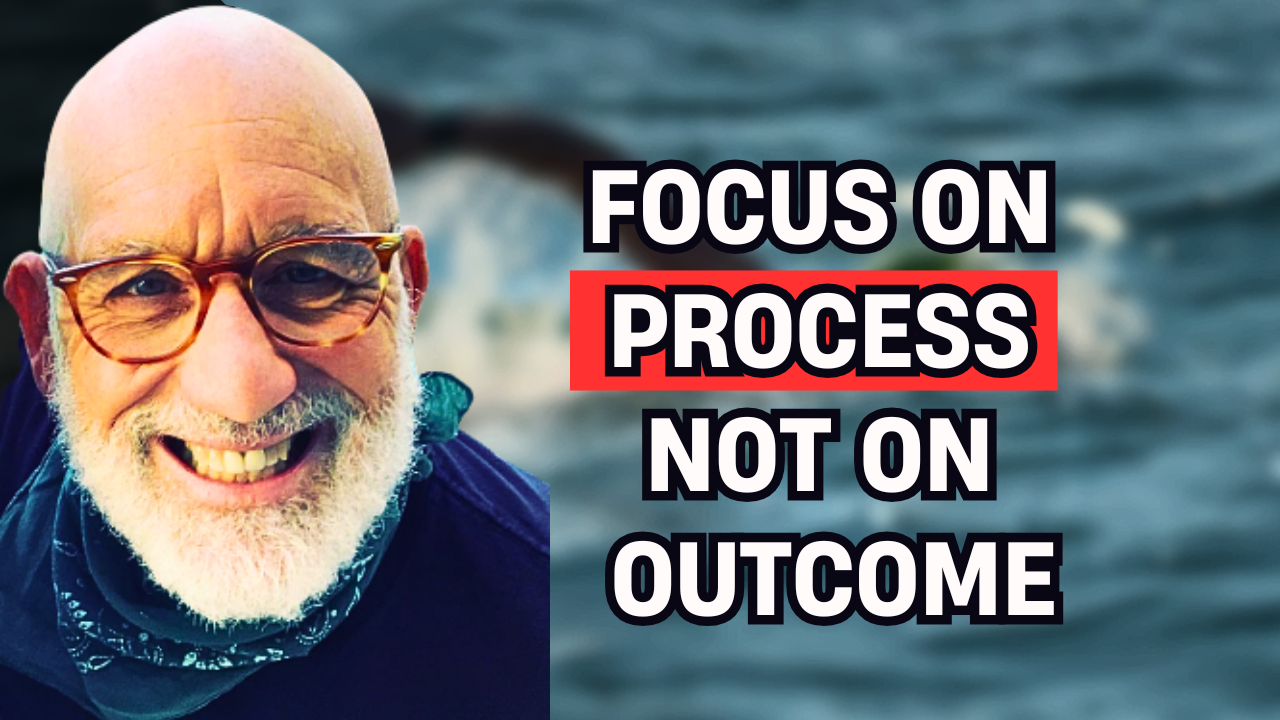









Struggling to keep your legs from sinking in the water—no matter how hard you kick or how low you keep your head? You’re not alone. But why do some swimmers maintain a perfect body position even when they’re looking forward and barely kicking?
In this episode, after coaching over 6,000 swimmers, I break down the real reason your legs are sinking, what you can do to fix it (even if you feel like a natural sinker), and share one powerful tip that can help you float more easily—something most coaches never talk about.
We’ll look at how your body’s weight distribution affects your position in the water, and the key adjustments that can transform your technique.
In this episode
- 01:40 — Extend Arms Out Infront Of Head
- 02:33 — Breathing
- 04:47 — Be Tall And Proud
- 06:09 — The Way Your Kicking Can Make A Big Difference
- 10:48 — High Elbow Recovery
- 12:17 — Catch
- 13:55 — Head Position: Like an Iceberg
- 15:20 — Tension
Links from this episode
- Get your NanoClear swimming goggles here and get 15% off your first purchase with code PODCAST15.
- https://effortlessswimming.com/camps/
- Change your technique and swim a smoother, easier freestyle with the Effortless Swimming membership
- https://youtu.be/I87qmYe1Dg0
Transcript
Read the full transcript
I like the Bruce Lee saying of be like water where water can be hard. If you come down from 10 meters and there's no nothing's broken that surface tension, water can be very hard. It can also move around, it can be very fluid. We need to hold our bodies and move in a way where we've got some some tautness and tension to it. So we've got form but not where we're too loose and floppy or too rigid and stiff. We need to find that sweet spot in between. Welcome to the effortless swimming podcast to show that help swimmers and triathletes love the water, become a better swimmer and live a better life. Here's your host Brenton Ford.
Are you struggling to stop your legs from sinking when you're swimming? Even after you've been told to put your head down and to kick harder? Then why is it that some swimmers still have great body position even when they're looking forwards and not kicking hard? I've coached more than 6,000 swimmers and I'm going to share with you what actually causes your legs to sink, how you can fix it even if you feel like you're a natural sinker and one bonus tip that can help you float in the water much easier that I don't see any other coaches talking about. When you look at the human body we are unevenly distributed with our weight. Most of our weight is through our hips and our legs. They're a lot heavier than we are through our torso and so that works against us when we swim, when we're in a horizontal position. The weight of the legs wants to take over so we need to do something in order to change the balance of our body and move our center of mass forwards and the way that we do that is to extend our arms out in front of our head. So this can help raise the hips and raise the legs but the problem that a lot of swimmers face is that when they're swimming freestyle they're not keeping one arm in front of their head at all times. That's what we call front quadrant freestyle. So when I'm analyzing swimmers and we have a look at a bird's eye view we often see that there's nothing in front of their head for a pointing time and that means that the weight of the hips and the weight of the legs is going to take over and that's a big reason why they sink when they swim. So when you swim in it's important
to take a little bit of time to extend forwards with the arm while the other arm is taking its time to move forwards in front of you. That way you'll always have something in front and that will help with your balance but that's going to be impossible to do if you don't do this next thing. When I'm watching someone swim the way that they breathe and the way that they turn their head can have a really big impact on the rest of their stroke down the line and this is one of the things that I find causes someone to sink. It's how they're breathing and a big problem that we see with beginners swimmers is they're breathing in a way that's very panicked and rushed and when they're doing that we find that the balance in the water is not quite there because they're taking very small inhales or sometimes too big of an inhale where they're trying to gasp in the air and that can actually cause the balance to be thrown off a bit. So what we want to aim to do there instead is that when we turn the head we want to take this sip of air not like a huge gasp of air like we're trying to fill our lungs we don't have time for that and if you think about the way that you'd naturally breathe just walking down the street it's just going to be in and it's going to be out and you're not thinking much about it. If you can get to that point when you're swimming freestyle where you're taking this sip of air then you exhale a little bit through your nose as your face is in the water and then release the rest of the air as you're turning your head just before you take that next breath then that is the way that you can keep your heart right down and that will
actually improve how you sit in the water. Now the other part of that is that when people go to breathe if they're in that panic state and they're feeling like they're running out of air they often either lift up and turn to breathe and their heads way above the water and it's like lifting a bowling ball above the water the weight of four or five kilos is going to drop the back half your body so we need to make sure that we just turn keep that bottom goggle in the water so almost half our head is in the water or sometimes we see people looking up to the sky or looking way behind them and when they do that it causes their shoulders to roll too far and it's very hard to keep that arm in front so you lose that front quadrant timing and so that's where we find that the legs really starts to sink when that begins to happen. So once your breathing is comfortable and it's natural then you can make the most of it but you won't be able to take advantage of that until you do this next step. When we go through some of the exercises that we take people through in our clinics we have them do some floating drills and I find that when people try and get their hips up they have a tendency to stick their bum up in the air where they're bending through the hips and the waist but we actually need to do the opposite of that in order to be horizontal and stop our hips and legs from dropping we actually need to belong through the body and almost tuck our tailbone underneath which makes us straight through the hips so it's a little counterintuitive because you think well to get my hips up I've
got to stick my bum in the air but that causes your hips to bend your legs to drop and creates more drag so what we want to try and do instead is think about being long from our head to our toes tuck that tailbone and be tall and proud in this position so when we're straight then we can actually use our lungs to our advantage so your buoyancy comes from your lungs filled with air and it's like having a balloon that if you push it down it's going to pop back up we can then put some downwards pressure through our chest as we're swimming which will help your hips and your legs to come up after that so we can only do that though if we have the right posture first now this will work except if you're making this next mistake
I've heard a lot of coaches say this is I want you to kick harder to keep your legs up but the problem with that is the movement of the legs the kicking motion in freestyle is not very efficient when we're in the water it takes a lot of effort we're using the biggest muscles in our body to try and propel ourselves forwards if we're kicking hard and you do not need to do that to be a good swimmer or to be going fast because the kick is there to support you not so much to propel you so when we kick hard quite often we find that it's a waste of effort and the way that people then kick is they're bending their hips and their knees are lost and it's very inefficient that way so if you're doing that it's going to create more drag which will cause your hips and legs to drop and the other mistake that we see there is that if your toes are pointing to the bottom of the pool that again increases the drag and it can increase the drag by up to 42% which is a huge amount from just not pointing your toes behind you so what I try and have the swimmers do is think about keeping their legs somewhat long we'll let the knees bend a little bit and we want to point the toes and keep the feet and ankles quite loose and floppy and that way you can actually use the kit to support you and propel you forwards a little bit but it's more there as a counterbalance than anything else now I had us from the other week who he was facedown hands in front trying to kick himself forwards and he wasn't going anywhere so what I said to him was I want you to not think about trying to move yourself forwards
with the way that you're kicking right now I want you to firstly just loosen your ankles keep your feet nice and floppy and the way that you kick actually moves you forwards is it's the top of the foot as it's kicking down that's what will actually move you forwards it's that little movement there every time you kick downwards and so as he was going back down to face down he started to get a little bit of momentum and move himself in a forwards direction so the way that you're kicking can really make a big difference and I think a lot of adults especially adults who maybe feel like their kicks slowing them down or that they have very stiff ankles they find their kick either moves them backwards or they don't go anywhere but you can change the way that you're kicking especially by doing that face down front kick drill to help figure out what's going to move you forwards even if it's slowly so if you kick correctly it means your kick will be there to support you and help keep your legs up but not if you're making this next mistake at effortless swimming our mission is simple make swimming more enjoyable whether you're training for your next race swimming for fitness or just love being in the water we're here to help you swim faster smoother and with more confidence and one thing that can make or break a swim is your goggles if you've ever struggled with foggy lenses mid session you know how frustrating it can be that's why we created the effortless swimming hydro clear anti fog goggles for long lasting crystal clear vision I've been using them
myself and the difference is night and day and I'm not the only one Deborah swam 36 kilometers down the Derwent River and the entire time her vision stayed crystal clear no fog no frustration just an uninterrupted swim so what makes a hydro clear goggles different it's all in the technology unlike ordinary anti fog coatings that wear off over time hydro clear super hydrophilic technology is built into the lens material itself here's how it works instead of fog forming as tiny droplets water spreads evenly across the lens creating a thin film that prevents fog from even starting and the result consistently clear vision swim after swim and the durability our lenses are cna s certified tests show that even after 2000 rubs with a wet cloth under a 200 gram load the lens stays fog free no gimmicks just serious performance that lasts using them is simple just wet the lenses before putting them on and you're set for a fog free swim ready to see the difference yourself get 15 off your first pair of hydro clear anti fog goggles with the code podcast at shop effortless swimming dot com that's 15 off your first pair of goggles with the code podcast at shop effortless swimming dot com we also have a 30 day money back guarantee so if you're not happy with the goggles for any reason you can simply return them for a refund don't let foggy goggles ruin another swim try hydro clear today and
experience clear vision from start to finish i've seen some swimmers take good advice and have it completely ruin their stroke because that advice gets misinterpreted and one of those really common things to misinterpret is our recovery when we bring our arm over the top of the water i get have been taught i think we've all been taught about a high elbow recovery and to me that implies the elbow should be pointing up to the sky but the way that that can get misinterpreted is people think they need to drag their thumb along their body or really pull their shoulder and elbow back out of the water where it's coming way back behind them and i see a lot of adults throw their alignment and balance out because of that so if i'm looking from above at someone and i see that when they finish their stroke their elbows getting pulled back behind their centerline here that is going to cause them to lose balance and it often causes their hips and legs to drop so what we aim for there is that we keep this nice and straight in front and as this arms coming through we just want this arm to be somewhere else the side so elbows pointing up hand is relaxed and we're just opening up through our underarm that way we can keep balance but if you are pulling this up and then coming behind you it's going to cause you to lose that balance and that's when we find that your wriggle all over the place the legs will splay out really wide and then you're probably going to find that your hips and legs sink so that's a really big common cause of people struggling to keep their hips and legs up and when you do that right it makes this next step
so much easier to achieve if you think about the direction that you are pressing with your arms under the water that can impact whether you're going forwards or whether you're dropping your hips so if we have a look at someone through the catch which is this motion here if there's too much force in a downwards direction it actually presses the chest up nice and high which is good except it drops the back half the body it drops the hips and legs so if they're pushing down too much then it can actually cause your hips and legs to drop so our aim there is to try and go through this catch motion where we're setting ourselves up to have our hand and forearm pressing mostly backwards and that's what moves you forwards now on a stake that often gets made there is when people are coming over the top of the water they go to enter and instead of entering with their fingers first and sliding their hand forwards under the surface of the water they overreach and they end up landing elbow first instead of fingers first now when they come in and land elbow first they end up pretty much having what we call a dropped elbow from the beginning and that will cause you to push down on the water which will cause your legs to drop so if you can enter fingers first we slide the hand forwards and then set up what we call a high elbow catch position then you're able to press back on the water and that will move you forwards and that's going to give you a bit more speed and propulsion which will help keep you up and you're going to be pushing down here causing the back half to drop so the way that you go through a catch and pull
can also impact whether your legs are sinking or not. At the start of this video I talked about swimmers still having good body position even when they're looking forwards because if you do all these other things right you can still sit horizontally in the water. Now don't get me wrong head position is very important especially as a beginner swimmer so the way that we need to make sure our head is is in the water is like an ice bag. An ice bag has got 10 to 20 above the water but the rest of it's actually below and that's how we need to have our head when we swim in so just the top the crown of our head is above the water the rest of it needs to be below otherwise it's like holding this heavy bowling ball luck above the water which might weigh four or five kilos and it's very hard to overcome that drag so we've got to have it at the right depth. The second thing is we need to make sure we're looking in the right position anywhere from looking straight down to about one or two meters in front while we lengthen and extend the neck because if your chin comes too far forwards guaranteed you're going to see this big lower back arch and that lower back arch is going to make it hard to keep your hips and keep the legs up so with good head position we find that we're very straight through the head the neck and the spine and through the rest of the body so the head position does play an important part but it's not the be all and end all there's a lot of other factors there that we just want to make sure that we're doing to keep our hips up and stop our hips and legs from dropping. Now one final bonus tip for you that I don't really hear many coaches
talking about it's the tension that we hold within our body so particularly swimmers who are a little bit nervous around the water and they don't feel like they're balanced very well they carry this tension where everything is very stiff and rigid. I like the Bruce Lee saying of be like water where the water can be hard if you come down from 10 meters and there's no nothing's broken that surface tension water can be very hard but it can also move around it can be very fluid. We need to hold our bodies and move in a way where we've got some some tautness and tension to it so we've got form but not where we're too loose and floppy or too rigid and stiff we need to find that sweet spot in between so being able to be comfortable be somewhat relaxed but maintain some bit of tautness through the body to keep good form and shape and be streamlined is an important part to actually keeping our hips and our legs up. If you find that you're getting tired when you swim check out this video about why that might be. Thanks for listening to the Effortless Swimming podcast. If you'd like us to help you become a faster more efficient swimmer go to www.effortlessswimming.com