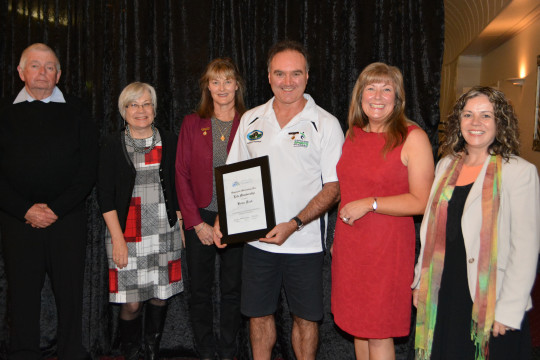









 Meighan Julbert is a Mental Skills Consultant for The MindSide – a sports and psychology center located in Alabama. She has worked with a number of athletes from different sports like softball, golf, swimming, soccer, and others.
This podcast is perfect for those who has performance anxiety and to those who feels like their mental state has let them down during competition.
01:53 – What’s going on in your head?
07:16 – How To Build The Mindset of Confidence
10:40 – The Importance of Not Looking for What’s Missing
12:12 – The Strategies to Help You Focus on The Right Things
15:28 – Everyday you have a choice.
25:13 – Michael Phelps: Epitome of An Athlete with a Strong Mental Game
26:00 – Everybody has a panic moment.
30:13 – Why You Need to Identify Upfront Something That Went Well
33:19 – Truth: The Athlete is His Own Expert
39:14 – “I want to conquer the world.”
To learn more about Meighan and her work, visit www.themindside.com
Transcript
Read the full transcript
Welcome to the Effortless Swimming Podcast to show that help swimmers and triathletes love the water, become a better swimmer and live a better life. Here’s your host, Brenton Ford. My guest today is Megan Jewelbear, who’s a mental skills consultant with the Mindside, which is a sports and performance psychology centre located in Alabama. And she’s earned an undergraduate degree in psychology from Auburn University, where she’s worked with the men’s basketball program, coaches, athletes, administrative personnel. She’s also earned a master’s in science and in sports psychology and motor behaviour from the University of Tennessee. And she’s worked with athletes from a number of sports, from softball to golf to swimming to soccer and a whole host of other sports. And today’s podcast is perfect for anyone who’s ever worked or had issues with doubt or performance anxiety, or they’ve found that their mental game has let them down
at any stage when it comes to competing. Megan and I talk about how you can develop your mental skills and your mindset to perform at your very best. And we also talk about a couple of examples of athletes that she’s worked with and helped change their results based on working with them on their mental game. So here we go. Let’s cut to the podcast, the interview with Megan Jewelbear. Megan, welcome to the podcast. Yeah, absolutely. Thanks for having me. I’m excited to be on. I want to give the listener a bit of a background on what you do. Could you share a bit of a story of an athlete or a team that you’ve worked with that explains what you do? Yeah, absolutely. So first off, a mental skills consultant work with athletes on their mental, their performance psychology is really what it is. So what’s going on in their heads to be able to help them perform at a higher level. And really, it’s actually funny because thinking about a story, I’m kind of going to share
one that’s been a little bit more of a longer process and a little bit more of a trial and challenging process for me, but not only for me, but also for the athlete. I work with actually a few swimmers. And one in particular with I’ve been with for quite some time now. And when she first came to me, she was pretty decent athlete, performing pretty well, but really hadn’t had a best time in a while and felt like she was putting in all the work, putting in the distance in practice, but just wasn’t able to really make that switch when it came to competing. And so at first, we kind of started out with a few different strategies, getting here to make sure we had a plan for practice, make sure we were practicing the right way, had the right mindset going into practice because if you don’t, then there’s really no way that we’re practicing to be able to compete well. And so we tried, we started with that and we also had her come up with a routine
for behind the blocks and, and, and really dug into a little bit of, of why she felt like there was a disconnect between what she was doing every day in the pool to when it came down to, okay, now I’m racing. And, and honestly, I mean, I’d say it took us a while, quite some time to really see the benefits of talking through those things because it’s not really a quick fix. That’s the one thing when, when you’ve been thinking one way for so long and you’ve created those habits, we can’t just get rid of the bad habits. You have to start creating new ones. And so that takes time. So really fast forward to a little over a year later, recently she had a race and, and, and throughout the course of that time, she saw some success, some things in time, per se. She saw some success in time, but not a ton. And I mean, I’m sure you know that in, in racing point blank, no matter what kind of racing it is, it’s all about the outcome.
It’s all about the time. If you don’t improve time, it’s hard to feel like you really improved it all. And, and so we talked through and worked through some other strategies of, okay, how, how do we see improvement even when we don’t always see a drop in time and we really got back to, okay, what, what’s our plan? What’s going to help you? What helps you swim well? When you swim well, what, what’s going on in your head? What, what are you doing, you know, in, in warm-ups? What are you doing? What are you thinking about during the entire day before? And then what are you thinking about behind the blocks? When you perform at your best, what are you doing? Once we finally figured that out through some trial and error. We got to the point where here recently she, she got the best time she’s had in a while and, and I was really proud of her. Now I’ll tell you this, she still didn’t a hundred percent meet her goal.
But it was, it was through overcoming extremely, you know, devastating meets, overcoming, not making cuts, being able to, to backtrack and figure out what worked well for her, to really kind of figure out what she, what she was going to have to do to be able to be successful. And I’ll tell you this, I, to, when you look at the time, not everybody else would have seen success throughout that year and a half. But when you look at how she has been as a person, how her mindset coming into practice, her mindset coming into meets, just the way she evaluates herself and her performance, I mean, it’s, it’s been astounding. I’ve been really, really proud of her. Yeah, it makes such a difference. The, the mindset you’ve got going into a, to a race. And I sort of experienced this recently was I competed for the first time in probably 12 months, just in the pool. I competed for the first time in 12 months, just a couple of weeks ago.
And my head was just not in the game. And I, my times weren’t great. And I probably wasn’t that fit either, but just the difference between where my head was at, like a couple of weeks ago, compared to a few years ago, when I was really switched on, I was, I was fit and, and feeling good. It was just such a noticeable difference. And just standing behind the blocks, I, I was just, I just wasn’t, I knew it wasn’t going to be a great race because I’d already convinced myself that, that, you know, that I didn’t quite have it. Didn’t quite have that, that edge that I felt like I sort of used to. So what’s, what sort of things do you try and get athletes to think about or consider or including their training to build that mindset that when they go into a race, they’ve got the confidence going into it? Well, I’ll tell you what’s kind of funny about it is you just brought up one yourself. So you convinced yourself before you even got in the pool that you
weren’t going to be able to get to, to be able to perform as well as you wanted to. And that happens so often. And the challenge with that is, is then when you know that you’re not going to compete to your best level at that point, most athletes, they hold a little something back because if they hold a little something back, then maybe they won’t, it won’t feel like they fully failed. It won’t feel like they fully messed up. But, but the challenge with it is, especially for, for swimmers, for, for runners, it’s, it’s, it’s a lot and for other sports as well, but especially in those two areas, your focus so much on how your body feels and you want to feel a certain way. And that was one big thing. Um, another, another athlete I was working with, we actually took a several months to kind of get past this, but you always want to feel like you’re at the top of your game, like you, okay, so we’re not, we’re not sore.
Um, I feel good in the water. I feel like I’ve put in all the practice that I need. And that means that I should be confident, right? So what happens when you’re not, what happens when you’re sore? What happens when, when you, you didn’t, the last time that you were, um, pacing, it wasn’t exactly what it needed to be. I mean, at that point, does that mean that, does that definitely mean that we’re not going to swim well in the water? Absolutely not. And so it, what we teach, um, here at the mine side is we teach the athletes that we’re working with, no matter how you feel, uh, in, in, whether it’s a practice day or whether it’s a competition day, no matter how you feel, you have to give everything you’ve got in that moment. I mean, there’s, you’re never, it’s almost like, um, if you’re going to, I don’t know if you like pizza. This is how I explained to my athletes. This is kind of funny. Um, but if you, I don’t know if you like pizza when say, say
your wife ordered, told, told you she was ordering, getting a full box of pepperoni pizza, right? And that’s your favorite. And you’ve had a, and you’ve got a really hard, hard workout and you’re excited to come home to eat pepperoni pizza and normally we’ll say you eat maybe three pieces. Okay. So you’re really, really excited, really hungry. Well, you come home and, and you were late. And so they ate most of the pizza. They left, but they left three pieces, three slices left for you. Okay. Most people would look at that box of pizza and say, what the heck? Look at all the pizza that’s missing instead of focusing on the three pieces that are still there. So, and when you’re competing, it’s the same way. Most athletes, and this doesn’t even just go for athletes. This goes for any given day, whether you’re in a job, whether you’re, you know, just, just trying to have a great Saturday. Most people, when they wake up, when they get to practice,
when they get to, um, a competition, they, they, the first thing they think about is what’s missing. What’s missing? I feel a little off today. Maybe, maybe I feel like I’m only at 80% today. And, and so now I’m missing 20%. Oh no. Why is it missing? What’s wrong? Well, how is that going to affect me? Instead of focusing on, I’ve got 80% to give, so I’m going to give 80% today.
It took me a couple of years to learn that when I was, um, a teenager competing. It was probably 15, 16 years old that after, um, doing it for, for a number of years where in the warmup, I, I used to base how I think I would swim based on how I felt in the warmup and my times in the warmup. But often there, the correlation was actually, if I felt like crap in the warmup and if my times were off a little bit, that would be sometimes that the best that I would race. And so, um, then why do you want to peak in the warmup? Yeah, that’s, you don’t want to peak in the warmup, you want to peak in the race. And there was no, there was no sort of correlation there with how I felt in the warmup to what my times would be. So it, um, it took, but it took a couple of years just to actually accept that and, and learn it. And so for someone who, um, for someone who is maybe struggling with whether it’s like day to day life, if they’re, um, you know, something
bad has happened during the day and they’re focusing on what’s missing or if they’re in the warmup and they’re sore and they’re heavy and their focus is going to that instead of what they have got. What are some strategies that they can use to help focus on the right things? Yeah, um, I had one swimmer, um, write down, literally sit there and write down every single thing that she brought to the table. Every thing that with all the things that were her strength that she naturally did. Um, that just, she’s a hard worker. She’s, she’s willing to make sacrifices, all of her strengths, um, and then even not just strengths, but all of the work that she had put in every, all of the, the, the work on, on her kick count, the work on her turns. Um, and, and she wrote down everything that was good, everything that she, that she really brought into helping her compete well. And, and so I’ll tell you this funny thing was
at first when I had to write it down, she could, she could barely get a few down. Meant it, because it’s so hard to naturally think about the strengths that we already possess and what helps us do well, what helps us compete well, what helps us have a good day. It’s so easy to think about the things, like I said before, the things we’re missing or the things that hold us back. Um, so you have to, you have to train yourself to, to focus, yes, on the positive. Absolutely. I mean, that’s, that’s something that’s, that said, you know, every day, especially in the field that I’m working on, working in, focus on the positive. Absolutely. But, but focus on, on the things that you have control over and, and the things that, that actually help you and help your day, the things that you can do. I mean, for instance, um, for, for instance, if you come into, wake up one day and, and you’re feeling it, say, I’m at, on a scale of one to 10, I’m feeling
like a four today, like I’m, don’t have much energy, I’m dragging, um, I had a late night last night, didn’t sleep too well, I’m feeling it a four. Most people look at it and they say, well crap, you know, I should be higher. Instead, look at that four, putting a number to anything helps, because it just makes it tangible. Say I’m at a four, what am I going to do today to move from a four to a five? Not a four to a nine, not a four to an eight. But what is one thing that I’m going to do today to move from a four to a five? Maybe that’s, I get a workout in, because the workouts really, really make me feel better. Maybe it’s, I go have, you know, coffee or, or lunch with someone that, that I know is going to cheer me up, that they’re going to push me, get me more driven that day. But if you, if you focus on what can I do to just feel a little better, to get a little better, to, to put forth a little bit more effort, then all of a
sudden it comes back on you and you have more control over every single day. It’s a choice. It, it, yes, things around things in the outside happen to you. Yes, the, you’re put in difficult positions. Yes, it can be challenging. Yes, things can be thrown at you that completely knock you down. But every day you have a choice to do something that’s going to help you get better and put you in a better mindset and put you in a better position to succeed, or to, you also have a choice to allow everything around you that’s happening to affect you and keep you where you are. That’s, that’s good. I, one of my favorite things to do if I’m feeling that way, if I, if I’m not motivated to go to the pool or go to the gym, I just tell myself, all right, I’m just going to go to the pool and get 500 done. If I don’t feel good after that, you can jump out. Or if I go to the gym and just say, I’m going to go there for, for 10 minutes and just go
through this little routine that I normally have to warm up. And if I don’t feel good, go home. But just those little incremental steps, those, those little things that they build up. And then it’s, you know, you get that momentum and that ball rolling. And I don’t think I’ve ever actually gotten out after 500 meters once I’m actually there because it, because you feel good and it’s, and you sort of, well, for me, I’m sort of like, I love the feeling of, of swimming. And then, you know, I just get back into my, into a good mindset because it will, the endorphins would make me feel a whole lot better and that sort of thing. But yeah, just starting with something small, going from that four to that five is such a, such as, I guess, an easy thing to, to do compared to trying to hit that nine or 10. Yes. And, and, you know, the interesting thing too is, is people, most people would feel guilty, like say, you said, okay,
I’m just going to go and do this, the 10 minutes. And, and most people would feel like, okay, if I don’t go, I feel guilty now, now I won’t go tomorrow and I won’t go the next day. And then you build a habit, okay, it’s been a week since I’ve been to the gym, or it’s been a week since I’ve been in the pool, or it’s been a week that I’ve been in the pool, but I haven’t really been there mentally. There are some days I’ll tell you this, you just count them as a loss. You just get whatever you can out of them and, and, and the rest of it. Well, okay, just move on to the next day. If you don’t end up in, in the gym, if you don’t end up in the pool because of whatever reason, then that’s fine for one day. Just don’t let it get two days in a row. Because if once you get two days in a row, you’re more likely to do three. Don’t, don’t feel guilty about it. Don’t feel guilty that today, even if you did go and you weren’t 100% there and you
weren’t fully focused and you don’t feel like you got a lot out of it. Okay, that’s fine. Now let’s get, let’s drop it. Let’s get up the next day and let’s try to be better that day. If you’re always trying to get a little bit better each day, you’re going to have some fallbacks for sure. But overall, you’ll continue to get better over time. It’s, it’s never a continuous upward route in performance or in life. It’s, it’s more like a, like a roller coaster. You go up and down and up and down. But the overall trend is that you’re, if you’re focused on getting better and doing the things to help you get better, it’ll happen.
And why, that sort of leads us into the next topic I want to talk about, which is why it’s, it can actually be good for athletes to fail sometimes. And because that’s, that’s where the learning comes from. And I mean, I’ve, I’ve seen this. So an example of this is when I was, when I was a teenager growing up, one of my best mates at the time, he broke in a relay. It was the heat of a relay that the team would have won golden in the finals. And he broke by a very long way. And, and so he kind of got, got a serving by the coach. But from that, I can’t remember how old we were at the time. We were quite young, maybe 13, 14. But from there, he learned his lesson. He, I don’t think he ever broke again. And, but it’s, it’s a story that we bring up even 15 years later, because it’s because it was so far now looking back, it’s so funny that he did break by that much in a heat that they could have comfortably qualified for. But like
that, that sort of thing sometimes it takes an event like that to, to, to get the learning or else he could have, you know, he might have been 22 in a national, you know, a national final for a relay and made that mistake. But instead he made it on a much smaller scale. So I think it’s, it is just so important for people to actually fail and take it in their stride and learn from it. Have you, what have you seen with athletes that you’ve worked with from times that they’ve failed and gone on to actually that, that’s made them better? Yeah, I mean that’s a huge point. I’m glad you brought that up because you’re right and it’s and it really is miserable in the moment. I mean, it really is to fail. Most, I’ll tell you this, I, the large majority of the athletes that I work with, they do everything they can to not fail. That they don’t want to talk about it. They want to prepare for the perfect game for the perfect race for the perfect
performance, because that’s their ideal in their mind. And I had, I had a swimmer who, who, whose cap started to, started to come off in a race. And, and I’ll tell you this, now we, we have talked months before this, about I want you to prepare for if water gets in your goggles, I want you to prepare for if the girl in the lane next to you who should not be ahead of you is ahead of you. I want you to prepare for if you see a time that’s not the time that you wanted that you continue to push and push through it. And, and, and mean she, we hadn’t been really good at it. I’m going to be honest with you. We the, at one point there was a rip in her suit, and it completely just blew apart her, her race. Another time, the girl swimming next to her that she had, she had no intentions to not want to get ahead of her. It was, and it completely blew up her race. But in this particular moment, now we had not talked about her cap. We hadn’t. But
we had, we had tried to prepare for other things to happen. And just said, okay, this is what we’re going to do just in case it happens. And so we hadn’t prepared for that moment specifically. But in that race, she, yeah, she said it affected her a little bit. But she, she said I was able to, to continue to focus on, on my race plan on what I needed to be doing in the moment. And, and that is huge. I mean, absolutely huge. If you’re not prepared for the what’s going to blow up in your face, what’s going to hold you back, what’s going to be the worst possible case scenario, then when it happens, you’re in shock. You are because it makes you uncomfortable. And, and no one likes to be uncomfortable. But it’s, it’s like one of my, one of my friends and I were talking about the other day, I don’t know if you ever flown in a plane before. Yep. Okay.
Most people have, but there’s some people who are afraid of flying. So, so, I mean, when you’re flying, most, on most flights, you get a little bit of turbulence, right? I mean, the rocks a little bit. And I’ll tell you this, most people, they grip their chair a little bit harder as soon as it starts to roll, as soon as the plane starts to move a little, makes you a little uncomfortable. And they look around at other people to see who else is panicking, right? But typically, I mean, the turbulence is necessary part of the trip. And, and the pilots are prepared for turbulence. The, the, the stewardess is prepared for turbulence. And so they navigate their way through it. So, yes, failure, mistakes, struggling period. It’s, you’re gonna panic. You’re going to be worried. But if you have a plan for when it happens, or just you fail and then you just, and then you make a plan all of a sudden after that, that’s fine too. If you have
a plan for when it’s going to happen again, or when it’s going to happen the first time, you’re able to navigate through it so much more quickly and easily. It’s a good analogy. I’ve, I’ve seen three people have pretty, pretty much a panic attack on planes when we’ve hit turbulence. And they just, they just, they just freak out. And I don’t know if it’s from something that’s happened in the past or anything like that. But yeah, I’ve seen people just really, really, just panic and not be able to control their, their breathing or their thoughts or anything like that. And then I was talking to a friend of mine who’s a pilot and she, and she’s, the way she talks about it is it’s just, it’s always gonna happen. There’s always gonna be changes in air temperature, you’re going to be going through clouds and all this sort of stuff. And so it’s just an everyday part of her life. And I think that’s, you know, that’s the difference between someone
who’s prepared for it. And they’ve gone through it quite a few times and someone who, who hasn’t. And, you know, I think, I think it was either 2008 or 2012 at the Olympics. Michael Phelps in his 200 butterfly. Yes. His goggles filled up after 25 meters. And he, but in that race, he ended up going on to win the gold medal, break the world record, because he’d rehearsed it. He knew how many strokes it was going to take. But he couldn’t see for three quarters of the, the race. And that’s just, I mean, he’s the epitome of someone who has just such a strong mental game and who has rehearsed things down to, down to the, the very smallest details. Completely agree. And, and I’m obviously, you know, he’s had, he has a lot of time to do that. He is extremely dedicated and extremely talented. But it doesn’t matter whether you are 12 years old or 40 and, and doing it recreationally, just for fun. I mean, you, you can prepare for those things too. You absolutely
can in, in life or in performance. And the better prepared you are, the, you’re still going to have a panic moment. You still will because everybody does. But your panic moment gets a little bit smaller and then you feel well prepared to handle anything that comes at you. And, and that’s what I love about that. I mean, he was able to, to work through that in such a short period of time. But that’s because he had prepared for it and he had a plan. And then it was all about execution in the moment. It came second nature to him. And that’s what a lot of just athletics is in general. The ones who are competing at the highest level and competing at their best, no matter what level it is, it’s, it’s autopilot. It comes naturally because of how much they’ve trained. They just react. And, and if you’re prepared for it, you’re able to react quickly and smoothly.
And, and what are some of the mental games that you see people playing? So like you, you work with athletes from a lot of different sports. What would be maybe the most the most common thing that you see across the board, no matter what the sport?
One is it deals a little bit with failure. But it’s it’s more of a the only way that I am going to give it everything I’ve got and put forth the work every single day is if in the end, I’m guaranteed the outcome that I want. So I had one athlete that I was working with. We mean, we were talking several weeks ago, several it’s been about six weeks or so. And, and he was saying, I, I have put in so much work and up until this point, it has not paid off in the way that I wanted it to. And so I’m so scared that I’m going to continue to do what I’m doing. And it’s not going to pay off. And I’m not going to get the outcome that I wanted. And the challenge with that is is it’s not a if A happens and B happens and C happens. That means that D is always going to be there. Other things happen in between. And you still have to be willing to be vulnerable. You still have to be willing to put forth everything you’ve got in order to make the outcome a
possibility in order to set yourself up to get what you want. That doesn’t mean it’s guaranteed. So how did you go about having him accept that even if he follows everything to plan that that end result may still not happen? Well, first, we talked about it. And, and I, I asked him, I mean, I let him get it all out, right? And, and then I just point blank and I said, so worst case scenario, give it to me. And he tells me, OK, so worst case scenario happens. That’s definitely a possibility. Actually, it’s a very high possibility that that happens. So are you still willing to do the things you’re doing now? And in the moment, he said, yes. But then it was a process. It took it took quite a bit of time for him to to see that he was progressing. Now, I’ll tell you this. What we decided to do was we didn’t focus on the end game on the end goal. Instead, we focused on how were we going to track the progress throughout? So every single day, and I
have most of my athletes do this, every single day at the end of the day, at the end of practice, I get out a notebook. A lot of them like to use their phone. So we let that happen to get it out, write down three things. First thing, what worked? Second thing, what didn’t? Notice I didn’t say what was the weakness, what what failed, but what what didn’t work? Well, what needs to be improved is what that one is. And the third one was, how are you going to improve it the next day? The most important thing is that you identify up front something worked, something went well, even if you just tied your shoe today. That is a win. It is definitely a win. It’s a small win, but it’s a win. I feel like I’ve had some days like that before where that’s the biggest win. Yes, exactly. But it’s still a win, even if every even if a lot of other things went poorly. So you have to notice what went well. What was your win? What what do you feel like
you need to improve? And then the other most important piece is the how. So then you go into the next day, your how is a goal for your next day of how you’re going to improve. So then you look at it. Let’s say even you know, even athletes look at it five weeks down the road and then I’ll have them go back and look some days they’ll mess up and not write things down. It happens, right? But most of the time they’ll do it and they go back and look and three weeks ago, I was worried about this. Yeah, my turns, what my turns have gone a little bit better now. My mindset but behind the blocks has gotten a little bit better now. I’m feeling more confident in that. And so by writing it down, by focusing on the things that improved, but also setting yourself up for how you’re going to improve one from one day to the next and having that a little bit of a log keeping it simple, but a little bit of a log of the progress. It’s so much
easier to see I’m improving. Now, does that mean that I hit my end goal? Maybe, maybe not. But but most athletes would tell you that, yeah, they want the end goal. But point blank, they like to improve. They like to see improvements. It’s just really hard to see that in the moment, because we’re so subjective and we see what’s not working, what’s not going well, so much easier than we see how far we’ve come.
I like the this strategy you use thereby. I think it’s about asking good questions and getting the athlete to uncover those things on their own rather than just telling them what they should maybe think about. And also with the journaling process, it’s another way to help the the athlete discover those things on their own. And that’s that’s probably one of the biggest things of of notice with with the best coaches that I’ve worked with or spoken to. They ask the right questions of their of their athletes to help help them find the solutions on their own, because a lot of times just by having the time to think that is where and thinking about the right things. That’s when the changes actually happen, because those those answers are sometimes in the back of someone’s mind, they just don’t know how to sort of they don’t know how to get there, don’t know how to see it. And so in order to actually make a change, a lot of times it’s got to come
from the athlete. It can’t come externally, but a good coach, a good psychologist will help them say that themselves.
Yes. And and we’ve always talked about the athlete as the expert. They’re their own expert. I mean, I, I’m not in the water with you every day. I’m not on the field with you every day. I’m not in your head. And yeah, it’s it’s hard to kind of figure out your own head sometimes. And so it’s it’s great to hear someone else asking you the right questions. But point blank, I when I’m when I’m sitting down with a team with an athlete, with a performer just in general, I yes, I’m going to help them develop a blueprint. But at the end of the day, when they walk out of here, they’re the ones who are in charge of their own lives. They’re the ones who are in charge of making their own decisions and choices. So if I just give them the answers, and this comes from, you know, coaching also, if I just give them the answers, then they don’t feel empowered. They didn’t come up with it themselves. So they’re not always as invested because it
came from someone else. So they’re the experts. And it just it does take a little bit of self reflection. And it takes a little bit of thinking through things. And sometimes even time to figure out the right answer in the right route to get to where you want to be. But bottom line is they’re the expert in their own lives, in their own heads. And they’re the ones that have to be invested in decisions in order to make the choices to live those decisions out. That’s yeah, absolutely right. And I was speaking to a swimmer who I’d coached a little while ago and he he’s swimming or his times were not where they were probably two or three years ago. And and so he just he wanted to to get in the phone, have a chat and just see what he could do to get his times back down to where they were. And so I mean, I could I could just say you need to do this, you need to do this. But instead, with that in mind, I just asked him questions about his training.
What what did he feel like when he was swimming at his fastest? What was he what was he doing? What was he focusing on? How did it feel? And what’s the difference between two or three years ago and and now? And so from that, we can come up with a bit of a plan to now get back to where he was and hopefully beyond that. But the answers didn’t come from from me. They came from him just reflecting on on why he wasn’t where he wanted to be with it. And it’s and I think especially for me, like I’m 29 at the moment when I started coaching, I was 18, 19. And I at least for the first couple of years, it was just about telling someone what they need to do without actually without proper coaching. And yeah, that’s what it’s like when you start anything new. And it’s it’s nice to be the expert and have all the answers. But I think the best the best coaches get the answers out of the the swimmers or the athletes themselves. Yeah. And what I love about
that too is that you dug into something that he already had experienced before. What was it like when you were swimming at your best? He’s got a plan that’s worked before for him. Why reinvent the wheel? Maybe we’ll make some adjustments. But if he’s got a plane that’s worked for him before, then let’s let’s get back to that. Let’s get back to to things that work for you. I love that. I mean, I think and I think you’re right. I I’ve I’ve coached for now. It’s been five or so years and in a couple of different sports. And when I first started, oh, man, you couldn’t tell me that I didn’t know anything. You know, I wanted to I went if we’re going this way, we’re doing it this way because this is the way that I was taught. This is the way that I was coached. And you’re right, over time you start to figure out and I’d be willing to bet we’re both still learning, which is a good thing. But over time you start to figure out that really, yes, you do have
a good blueprint. You absolutely do. But but they also know themselves, even if they don’t always realise it. And they can give you some insights and how and how to to coach them well also. Yeah, yeah, absolutely. And it’s it’s one of the best things about coaching is
always learning every every athlete, every swimmer that that I work with. There’s something that I can pick out from there and then sort of store it in my my mental bank for when I or my tool kit for when I have someone who’s got a similar similar problem or they’ve run into something something that I haven’t sort of encountered before. So it’s just continually building and learning. And that’s just what I love about sport because the the game of it and the challenge of continuous improvement. It just it never ends. And it’s like going down the road to hold the further you go, especially with swimming. And my biggest thing is swimming technique. That’s probably what I focused on for the last 10 years or so. The the more I learned the more I learned that I don’t know. It’s it’s just so true with with with that. And I’m sure with most most other professions or with with psychology, for example, like what were you like when you started compared
to to now?
What was I like? Yeah, like what’s Oh, God. Yeah. Whoo, I like looking back at some of that when I was coaching 10 years ago. Some of the things. Yeah, I so when I first started and I was I was talking to a colleague about this the other day, actually, one of one of the biggest. I sat down with with a client and and I gave her I wanted to conquer the world. I wanted to change the world. One athlete, one coach, one team at a time. And and I’m still I’m still relatively young in the field. Absolutely. And so, of course, I still want to. But because I was so eager and because I had just come out of school and I’ve got all of these great things in my head that I just want to share with everybody, I often I’d give the answer and then I wouldn’t listen. I would I would give way too much information because if you think about it, if you’re trying to make a change in your life, in your day, in whether it’s eating habits, whether it’s
anything, you start small, right? And once you conquer that one thing, if you want to be if you’re successful, you start small, you conquer the one thing we move on to something else, we conquer that and so on and so forth. Well, I wanted to conquer five or six things with an athlete. It’s too much. It’s absolutely too much in it. And it was confusing. And and I I was excited for what I had to share with with the athletes with the coaches with the world just in general. But what I realized is that it takes time for that. You can share one thing and and and allow them to take hold of it and really institute it and really create a habit with it. And then we can move on to the next thing. And so what I’ve really learned to do is be patient and and listen more than I speak. And that means asking questions to understand. And that’s what’s really I’m I’m I still in challenge with it every day. Absolutely. And I learned I’ll tell you this. I’m that
way because I failed with some athletes up front and felt like I let them down. And so I learned and changed and I’m still changing, still growing. But but I will say that I’ve I’ve learned to become more patient and and realize that it’s not about me and and the knowledge that I have to share. It’s about them and understanding them and and maybe just maybe pointing them in in in a direction that might help them grow. It’s it’s almost like steering a big container ship. You’re not going to be able to get them to to turn on the spot. It’s a it’s a process where you’ve got to start small. You’ve got to make that. If you can get them to bind to to one small thing or getting to change one small thing in what they’re doing on a day to day basis, then you can build on that. But yeah, especially when you’re new, you’ve got all this enthusiasm, this excitement, all this knowledge and you just it’s so easy to fire hose people with with all of it.
I love that. And then I’m going to use that. And it’s the same as drinking from a fire hose. You can’t do it. You’re just going to get hit in the face and you know, instead of just giving them a a cup of water where they can easily drink that and then take that on board. You know, it’s that’s the difference there. So it’s it’s very hard to contain it, especially when you’ve got a lot of excitement and you know you can help them. So it’s kind of like this. You’re almost in a bit of a
like you’re in almost a you’ve got to contain yourself. You’ve got to just keep those that excitement, enthusiasm down a little bit so that you can work with them and listen and and then choose that one little thing that to start them with. And yes. Yeah, I went through exactly the same thing. I know what you’re talking about. I know you’ve got to go soon. So where can people find out more about what you you do? And what are the services that you you offer to people? Yeah, definitely. So I work for a company called the Mindside. We work with really competitors across all ages and all different sports. And and we actually so we work with coaches. I’m really, really passionate about coaching development. And we work with teams and then also individual athletes. And some of them will see in person. But I’ve got several who actually see over Skype and FaceTime just because of distance as well. And so we we provide a lot of information on our
website, which is the Mindside.com. But then you can also find us on social media. I have a Twitter handle. It’s Megan Gilbert spelled interesting. It’s M E I G H A N J U L B is in boy E R T. And then our Mindside actually account actually has a Twitter too. And it’s it’s at the Mindside. But we try to put out information, you know, for all different sports on different topics, just about the mental game as periodically as we can. So feel free to follow us and get and give us a shout out. We’d love to hear about, you know, any of the listeners from wherever they are. Megan, thanks so much for being on the podcast. I love talking about this stuff. And especially someone like yourself who’s worked with a lot of athletes from different sports and just getting your your take on it and yeah. And even though you’re across the other side of the world, everyone goes through all of the same stuff. Everyone has the same problems when it comes to dealing
with the mental game and controlling their thoughts. So thank you for being on it on the podcast. And it’s been a pleasure. Yes, thank you so much for having me. I enjoyed talking. Thanks for listening to the Effortless Swimming Podcast. If you’d like us to help you become a faster, more efficient swimmer, go to www.effortlessswimming.com.