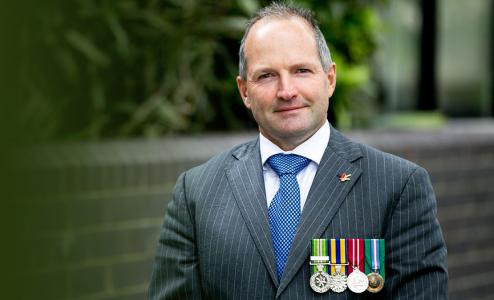









 In this episode of The Effortless Swimming Podcast, we have Craig Percival. He and his wife run the AquaShop here in Melbourne. That’s how I got to know him. He previously shared with us a short video with his tips in choosing the right wet suit. Click here to watch that video.
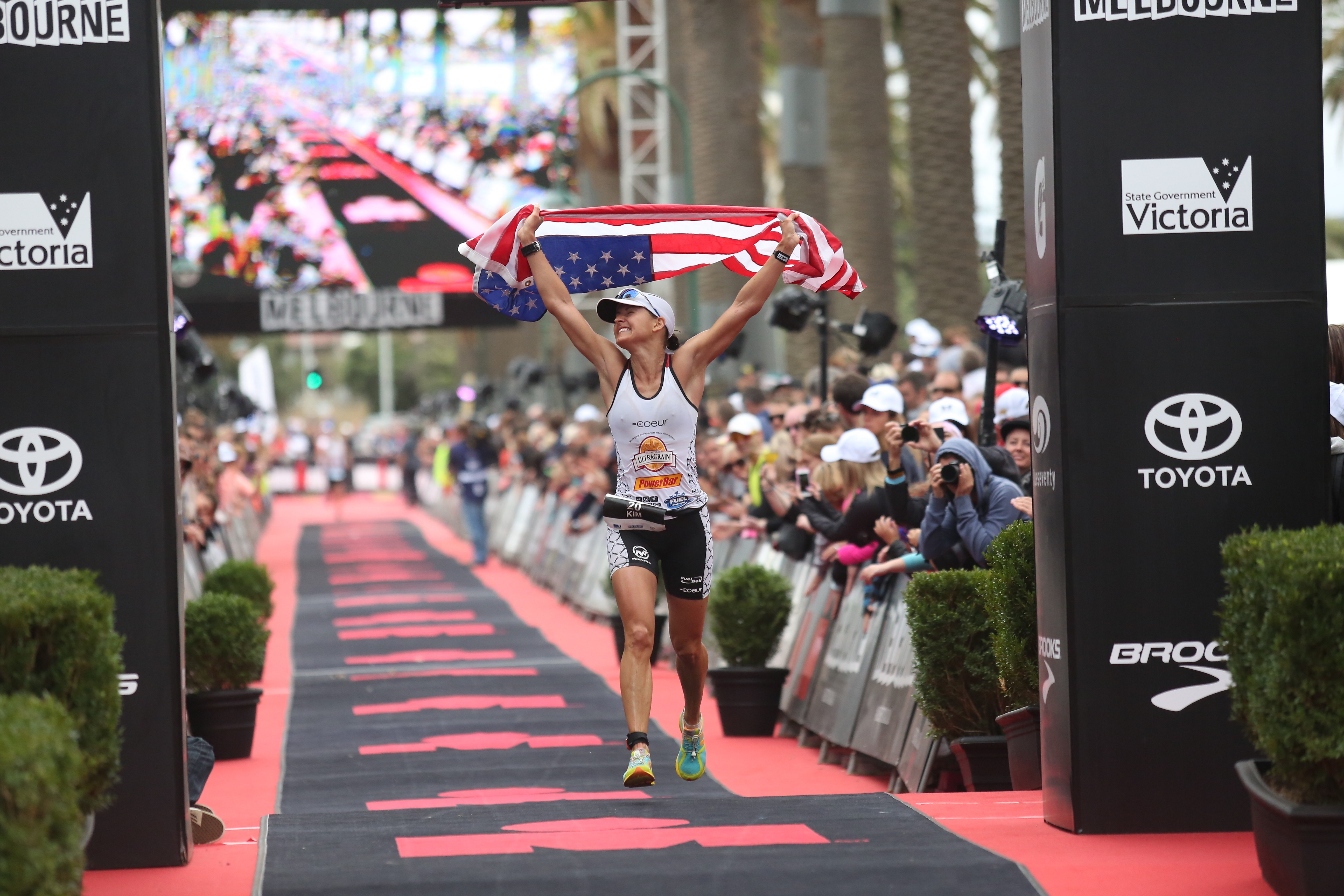
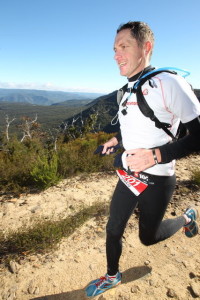
Craig is an extremely successful triathlete, finishing second in The Ultraman World Championships in 2014. He’s completed 20 Ironman events, a 4-time Hawaii-finisher and is now getting ready for his biggest challenge yet – 8-iron distance events in 8 days in the 8 different states and territories in Australia. His journey begins on March 6th.
In this podcast, Craig will share with us:
- how he is preparing for his biggest event yet
- the challenges he has experienced along the way
- how he is mentally managing his work, family life and training
- how 8in8in8 came to be
- what he teaches his athletes when he coaches them in the pool
02:57 – How 8in8in8 Started
05:05 – “It’s a massive undertaking…”
09:45 – Will it be harder than Ultraman?
21:05 – The Reward of Training
24:49 – The Challenge of Nutrition During The Competition
30:08 – Kicking Can Create Fatigue
30:50 – The Tempo Trainer
36:16 – Wetsuit or Non-wetsuit?
41:00 – Racing for a cause
To learn more about Craig’s challenge, visit his website – www.nolimitsendurance.com.au
To donate to the John Maclean Foundation and help Craig raise $80,000 for eight wheelchairs visit https://8in8in8.everydayhero.com/au/8in8in8
Transcript
Read the full transcript
Welcome to Effortless Swimming, the podcast for swimmers, triathletes and coaches. Join Australian swim coach, Brenton Ford, as he reveals the latest techniques and information to improve your swimming. Let’s dive right in. Welcome to the Effortless Swimming podcast. My name is Brenton Ford and today’s guest is Craig Percival. I’ve known Craig for the last couple of years. He and his wife, Lyndall, run the Aqua Shop, which is a swimming shop here in Melbourne. And I first met him through his work there at the Aqua Shop. But I’ve come to know more about Craig and become good friends with him. And he’s a very successful triathlete and multi-sport athlete. Craig finished second overall in the Ultraman World Championships in 2014. He’s completed 20 Iron Man events, a four-time Hawaii finisher. And he’s now getting ready for his biggest challenge yet, which is eight Iron Distance events in eight days in the eight states and territories across Australia.
So Craig will be beginning this in March and running through to the 13th of March, where he’s going to finish in Melbourne for his eighth Iron Distance event. So Craig is on here to talk about his preparation for that, some of the challenges that he’s experienced along the way, how he’s preparing for it with training, mentally managing his work and family life, and also talking about how the eight in eight in eight came to be. So Craig and I have a really good discussion and touch on some aspects of what he thinks about while he’s swimming and what he teaches to his athletes when he’s coaching them in the pool. And Craig is just a really inspirational guy. He’s got a lot of experience in the sport, and I think you get a lot out of this podcast, whether you’re a triathlete or a swimmer. Before we get into it, we’ve got more freestyle clinics in Australia. So we’ve just released a few new dates across the east coast of Australia.
So go to effortlesswimming.com and click on the clinics link there. And we’ve also released some freestyle clinics in the US. So you can also book in for those where I’ll be in the states in April, running some freestyle clinics there. So if you are on the east or the west coast of the US, there will be a clinic hopefully not too far away from you. And I’d love to meet you at one of the freestyle clinics there. So go to effortlesswimming.com for that. So let’s start with the conversation where Craig is talking about how the eight in eight came to be. Yeah, hey, Brendan, thanks for having me on the show, mate. I really appreciate it. I love listening to your podcast while I’m training as well, mate. I really enjoyed actually the Andy Anderson one. I don’t remember how long ago that was, but that was an outstanding interview and great to hear you guys chill in the pad, so to speak. So yeah, so eight in eight came up after Ultraman World Championships,
which were back in November 2014. I’d had a pretty good race there. Almost a great race, came second by five minutes. And just on the way back, I just already started thinking about what was next. And there’s no real races that grabbed me. And then somehow I came up, at some point I came up with the idea of seven Ironmans in seven days around Australia. And then at some point, somebody said to me, what about ACT? And so it became eight. Excellent. Excellent. So for those that are internationally listening to the podcast, there’s eight states and territories in Australia. And so you’re kicking it off in the Northern Territory. Is that right? And finishing off in Melbourne? Yeah, that’s it, mate. So on the 6th of March, so starting to obviously get close to that day now, 6th of March, I started in Darwin and then I fly out that afternoon. Well, I’ll take you through just the route if you like. Darwin, Perth, and then Adelaide, which gets all the big flying out of the way first.
And then from Adelaide it goes Hobart, Canberra, Sydney, Brisbane before finishing in Melbourne on the 13th of March. And one of the things that’s unique about what you’re doing is, I mean, obviously it’s a huge challenge, but the other thing is as well, you’ve got a bit of time pressure to get the Ironmans done and then to jump on flights that night or that night for a lot of them. So you’ve got this deadline of when you’ve got to finish the event. So you’ve got a factor in getting flats on the bike or hitting a bit of a low. So what sort of strategies have you put in place to allow for those time challenges? There’s only a little bit, a little careful because I obviously don’t want to not give it its due respect because I do believe I can finish it, but it is also a massive undertaking and I do need to be careful as you say about hitting a bad patch, which is more, I think would be more based around a nutritional deficiency rather than running out of fitness
or anything like that. I don’t think that’ll happen. So Perth as an example is a really, really tight day as it stands. Well, as up until yesterday, the pools opened at 5.30 a.m. and the flight is out of Perth at 5 p.m. So, you know, we’ve kind of given that we want to be at the airport or I want to be finished to run out the front of the airport at 4 p.m. That’s 10 and a half hours, which I’ve beaten back in the day when I used to race more I-Mans. I went nine hours. I’m certainly not that athlete as much anymore. So that’ll be a really solid day. We’ll certainly have plenty of plans in place for flat tyres that if someone’s riding with me, they’ll be told or they’ll be asked before the ride, you know, are they happy to sacrifice a tyre and we can do things like that. And, you know, my wife will be in a car. She’s, I guess, my main support crew. She’ll certainly be floating around. But, you know, with the routes that we’ve chosen,
there’ll be times when, you know, obviously we’re not together and she’s at the petrol station filling up or anything. So that just kind of adds to it. I think it’s a level of excitement that, you know, if I get a flat or and I have to, you know, pick up the pace for a couple of hours, you know, a little bit of hard enough and just get done so to speak. So most of the other days aren’t too bad. I have a pretty good window. So Darwin’s pretty good. Adelaide actually spent two nights in Adelaide because the way Adelaide worked was we couldn’t get out of Adelaide after the race or after the event to get to Hobart. So actually, the way Hobart and Canberra work is actually fly into those cities the morning of. So I’ll leave Adelaide at 6 a.m. and fly into Hobart at about 9.30 a.m. So actually start Hobart at, you know, somewhere around 10.30, which will basically have me finishing at, you know, maybe 9.30, 10 o’clock at night.
I’m not really too sure how the body’s going to cope and what sort of numbers I’ll be able to hold. I’ll get a better idea in the next month as the training comes together. But certainly logistically, is some flights being cancelled and especially a nighttime flight seem to be more than all the ones that are cancelled or delayed. That is probably our biggest risk. I have a lady helping me. She’s put together, I guess, a risk management strategy and we’ve covered a lot of things that I would never have even thought of and have good things in place for those. But at the end of the day, if the airline says they’re putting off a flight or they’re delaying it by three hours, I don’t know, we’ll make a plan and we’ll get it done and if it means I have to finish it, I have to finish an eye, man. At 1 or 2 a.m. in the morning, it’s just a few hours less sleep. Yeah, so looking forward to seeing what comes, man. Yeah, just deal with it when it comes up.
Yeah. I wouldn’t want to be the person sitting next to you on the flight from Perth if it’s a tight finish. If you don’t get a shower in, that’s going to be… It’s probably going to be a lindal, isn’t it? It’s going to be your wife. You’re right, I wouldn’t want to be the other person sitting there. But look where we’ve been. I know that I could actually run into the Perth airport. We’ve even got… We know we can get the boarding pass that’s downloaded to our mobiles. So basically, I can walk into that airport. We’ve already got the run-force planned to finish at a park just a couple of hundred metres from the entrance. So even if it all goes to Poo, I can basically run into the airport, go straight to the Virgin Lounge. I’m lucky enough to have a membership there and have a quick shower hopefully. And we’ve just got to get the bike on. The bike’s certainly one of the more critical things. And that’s certainly another…
Something that we’ve also got planned is what happens if the bike goes missing or it ends up in another city, gets squashed, whatever it is. So all those things are in place. I don’t know, in a twisted kind of way. I know we will get curveballs during the event. But I look forward to that. That happened at Ultraman Worlds. That’s a three-day race. And over that 24 hours racing, we had quite a few curveballs. But just in any race scenario, I tell you, handle those curveballs whether you’re successful or not. Do you think it’s going to be harder than Ultraman in a physical sense?
I actually don’t think so. Ultraman, for me, is a race. And I know when I finished that race, that was racing. To me, that was 23 and a half hours over three days of redlining it. And each day I finished, I was completely spent. And then you spend 16 hours recovering and you go again. This, to me, will be a little bit different. I do expect to take around 11 hours for each one. Some of the days, I’ll cruise a little bit more and do 12 hours. So I don’t think physically it’ll be a different type of fatigue. There’s no doubts I’m going to be tired. I just think it’s going to be much more of a mental game, especially the further it goes with the sleep deprivation, getting up at 4.30 a.m. to get those 6 a.m. flights. And then finishing that Iron Man at 10 or 11 o’clock at night, I think that’s going to be the real challenge. But I also think with the emotion of the event I think certainly what I learned with I guess social media with Ultraman
was sitting on the other side of the world and just feeling the love through the phone, it really does pick you up. And I think that’s one of the amazing things about social media is how it can help you do that. And I’ll certainly be doing that. That’ll be one of Lyndall’s many roles is even during the events that we plan to her to yell out who’s just donated some dollars or six months ago who donated whatever amounts and use that motivation. We’re appropriate and just make sure we get the job done. That’s the absolute priority. One of the things that we spoke about last week when we ran into each other at the pool was that you’re finding that the training is the easy part. It’s managing everything outside of the training where it’s a bit more complicated and it may not be your specialty. So whether it’s the social media which you’ll have Lyndall do when you’re racing and things like that. But how have you gone managing everything
outside of the training? So you’ve got family, you’ve got work and you’ve got everything else that goes around the event. How are you going managing that? It’s a real stretch at the moment, right? And I’m sure you picked up on that when we saw each other the other week. There’s no doubt right now basically because the kids are on school holidays and I love my kids dearly and I’m fortunate enough to spend a massive amount of time with them. But it’s hard work having the kids on school holidays. They deserve a lot of attention. So once they go back in a week’s time that brings it down to six weeks or five, no, it’s five weeks. I certainly plan to have it. That will free me up during the day a little bit. I’m fortunate, I guess, to be in kind of a similar, I think kind of a similar position to you that with my coaching role, which is what I do full-time is I can coach at night if I need to or write programs or whatever hour of the day.
So I certainly, Lindell and I certainly stretched in a very good way, I guess, if you like. We’re fortunate that sorry, blatant business but Aquashop is busy at the moment. It’s in a busy time of year and Lindell was doing a great job. She thrives on that being busy and we’re very lucky there. But there’s times, mate, the kids fall asleep and we just kind of end of the day and just look at each other on the couch and it’s just like it’s just shattered. And it was the same as how it was before Ultraman 14 months ago or whatever. We were just absolutely stretched. And look, we make our choices on how we’ve chosen to live our life and how we do live it and we don’t have a lot of support in Melbourne. So we just make it work, mate. There’s no excuses in there. It’s just realities. We just make it work. And I don’t know, to me, I cash those, I feel like, mental bickies. So I start storing those mental bickies up now. I then know how tired
we’re getting and even just squeezed in a run then and try and get another run in later tonight. You know, I know my numbers at the moment are horrendous. They’re slow all of this, but I know once I fresh it up and I start cashing in those mental bickies of how hard it is at the moment to train. They’re like $100 notes type of thing. So it’s just the way you take anything. It’s either take it as a positive or a negative. And I think it takes really good communication if you’re married or you have a partner or a boyfriend, girlfriend. It takes really good communication to have someone who’s training so much and when you’re busy and you’ve got kids to manage. I see you and Lyndall have a great relationship and you’re both very busy with everything that you do, particularly the aqua shot which you guys run in Melbourne. I know that’s particularly busy this time of year, but it’s really been cranking over the last couple of years.
If you’re not clear on if you don’t sit down each day or at least once a week and just talk about where you’re at and what your plans are and your goals, it can be very hard to have so much going on. And the other thing as well, I think it’s when you’re in a time like this where everything is full on, it really makes you appreciate the down time where you get to take a holiday, you take a breather and you get to relax. Whereas if you’re just the same plateau the same pace for 6 or 12 months, you don’t really see both sides of the coin. Even though I can imagine it’s very hard to manage it does make you appreciate the quieter times when you do get to chill out for a bit. I think our balance is about as good as you can get. We certainly learned a lesson at Ultraman where Lyndall really sacrificed her fitness for 2 to 3 months leading into that race. So what we’ve done for this event now is Monday Tuesday Wednesday mornings, they are hers
and she trains those mornings and that’s an absolute that’s just as important to my training because I need her in a really good fit healthy mental space when we do this event because it’s going to be a massive load on her and I don’t want to have to be worrying about how she’s coping with it and so we learned from that experience and she still does stuff for herself over weekends and the reality is Brent I’m 44 I can’t train 30 hours a week anymore my body just I don’t know it doesn’t really let me train like I used to and also life doesn’t allow that as well I can sorry I know I can go out 7 or 8 hour ride yesterday loved every second of it and finished and felt really good but is it what I want to do every single day of the day? No it’s probably not anymore I have other things in life and I still think I can get this thing done I really believe I will get 8 in 8 done based off whatever numbers I end up averaging for this event
it was a really just before Ultraman actually had an interesting interesting moment where I decided to download my Garmin so I don’t normally get too into the numbers side of things but I actually downloaded my Garmin which is a combo bike run Garmin the week before Ultraman I thought this will be good I’ll just see what my Ambridge numbers are and I went back in the day where I used to race and it was all for the 12 week prep it was always 20 hours it was 9 and a half to 20 hours that would be my average I downloaded the Garmin and it sped out 13 and a half hours looking at that number and going 13 and a half hours for a 3 day race that’s like 24 hours and I just screwed the piece of paper up and threw it away and honestly did not think about that number until someone after the race said to me oh here Craig how much do you train this and that and at that point I remembered that number and I was like I was kind of proud of myself
that I completely shut that number out of my head because it wasn’t a positive number and it also just showed that sometimes numbers are great you’ve got to train to get me wrong but it’s also good to I don’t know for me it was just good to prove that I can still race and I can still hurt myself when I need to in a positive way that when it’s race time it’s race time it’s go time I think that’s the experience coming into play as well I mean you’ve got 20 I-mans under your belt and been in the sport for so long and I mean all of that training and experience builds up to where you just don’t need to do as much training as you may have had to do in the past and that’s something I notice with my Samin as well is if I’m fresh and I’ve done a little bit of work my times are very similar compared to what I was doing when I was training 8 times a week and I think it just comes down to those years of being in the water and learning from so many races
you can turn it on a lot easier as opposed to if you’re 2 or 3 years into the sport yeah you’ve summed it up perfectly my first I-man was 97 my first triathlon would have been somewhere early in the 90s and prior to that it was footy and water polo so there’s almost 30 years of called it aerobic development
and I haven’t really stopped over those 30 years even when I haven’t been racing still doing something every day or every second day or whatever and as I say even now I recognise it more there’s just so many dollars in the bank I know I’ll be able to cash in come March and same way you’ll be able to cash in when you race I-man New Zealand in March right looking forward to following you with that one yeah that’s the plan we’ll never know how the first one will go but doing the work the rest is up to how the race goes so it’s been fun mixing up the training all I was really used to was just swimming and a little bit of running but now just I feel like I’m sort of starting over I’m pretty fresh when it comes to the bike and just learning what it takes to get faster on the bike and the sort of training you need to do it’s been a lot of fun just having that something brand new and seeing myself make big quite big improvements
over a short period of time like when someone starts swimming they might start out at a 230 pace but those big jumps to 215 to 2 minutes and so on they come a lot easier and quicker than a few years into the sport so yeah it’s been fun and looking forward to racing New Zealand and seeing how that yeah how it plays out it’s kind of the reward you get for all the training is the racing and seeing how all that work you’ve put in yeah how it yeah how it plays out so it’s going to be a lot of fun now you’re going to smack it right on I’ve already worked out by the time I fly out of Melbourne the day before my first one which is the day you’re racing so and over the time I land off the plane in Darwin I’ll be able to look up your results so I know I’m going to see good numbers mate I’ll make sure I come in fast way I’m not talking I know the time delay will be done by then you’ll love New Zealand team mates a great race I’ve done that one a couple of times
oh cool yeah I can’t wait I’ve had just a beautiful place to race and a tough tough-ish course but I love the challenge I like I kind of like the I love a good challenge and to really have to sort of grind through something so it’s yeah I’m looking forward to it I want to talk quickly about your I guess your beliefs and your mantras on on goals and having something to train for and health and fitness as you as you get older I mean you’ve been in a sport for almost 20 years and so what are the sort of beliefs that you have that cause you to have you to continue training and racing and doing events like the 8 in 8 in 8 well look certainly the 8 in 8 is certainly a little bit over and above anything I you know even maybe five years ago that I imagined I was doing always had my eye after Ultraman oh sorry after Ironman on Ultraman that was kind of a to me that was a natural step and I think there’s a little bit of I kind of feel like you know as this
some ultra running is making a comeback and marathon running is making a comeback I think people are looking for that next step so to me you know Ultraman I went and did Ultraman Canada and then Ultraman Australia just started in Nusa last year and I feel there’s a people are looking for that next what do you call it bucket list and I’m certainly I love thinking that way and I certainly encourage my athletes that I look after to take himself out of your comfort zone and it doesn’t always have to be in a race you know it can be a training camp you would have seen that with the camps you hold in Thailand there you see people grow and you do those hell weeks you talk about the hell weeks which sound really cool people going into it obviously they’re nervous and how will they get through it and how will they cope with their speed this and that but generally people thrive on it they just need a sniff that they can get through it and they thrive on it
and they come out the other side and they’re just bulletproof and I think it’s good to do that in training and keep training really varied just to be consistent there’s no doubt you have that consistency in any sort of aerobic sport I think with your training yeah definitely but yeah it’s just don’t be afraid to have a crack there’s all sorts of things there’s that everesting phenomenon where you ride up and down the hill for 12 hours to ride I think that’s a fantastic initiative that those hills 500 guys put together and that’s something you’ve done was it a year or two ago? yeah actually yes and that wasn’t why I bought that one up to me it was cool I’d ridden 12 hours before but that was just along the flats or whatever this was different this was 12 and a half hours up and down the same hill but once again physically it was hard of course and nutritionally that’s probably one of my bigger challenges is just eating enough over the course of those days
but mentally when you finish those days and you look back and you go I’m right up and down that hill for 12 and a half hours it’s like really did I actually do that but it come race day I think about that you look at other people on the start line however you know whatever motivates you and you go yeah probably not too many other people did that or did it in the sleep deprived state that I did or did it in the middle of a Melbourne winter or whatever it’s whatever positives you can draw from it just instill more confidence in you that you are in a good spot and you can do it and no matter what just keep pushing and yeah so to go back to my beliefs just keep pushing back yourself just truly back yourself the work you’ve done with your coach with your squad whatever it is
the human body is an amazing machine mate you know that and I know that and if you give it a sniff it can do amazing things you just got to feed it and as long as you mentally want to do some
let’s go with the limit mate and what you’re talking about there with just those challenges like Everestine or doing your biggest ride or your biggest swim ever I’ve been pretty new to the bike last week I had my longest ride which was 6 hours compared to I guess a lot of Ironman athletes that’s not huge but just mentally it was like okay cool 6 hours came off feeling pretty good
not completely spent so that’s just a little mental tick there that I know I can take into the next bigger ride that I do and then I’m just going to continue to grow that and build on it and it just gives you those little confidence boosters that you have each week or every month with things you do in training that’s what adds up to confidence when it comes to the start line so it’s just continually challenging yourself and one of my beliefs is just when it comes to health and fitness is that your body and your health if you haven’t got that you don’t really have anything else because if you can’t look after yourself then it’s very hard for you to look after other people and do anything outside of that to make sure that you’re healthy you’re eating well that’s the very first thing you need to take care of because you need to be right to look after other people especially I imagine when you’ve got kids, you’ve got a family and that sort of thing
if you’re not sick, if you’re not feeling good it’s very hard to take care of those other people beautifully summed up mate it all starts with that base and you’re going to think of it in terms of aerobic development if that base has to be right if that base is shaky or not right then it all comes crashing down and I’ve never really believed it’s super complicated, you talk about the 6 hour ride and you had 10% or 5% to it next week and all of a sudden you’re doing 6.5 and all of a sudden it’s 7 and all of a sudden next year Brenton you’re doing an Ultraman easy tiger with swimming
you’re a triathlon coach yourself and also coached a lot of people in swimming and I’ve had a lot of athletes who you’ve coached say that you’re an excellent coach so what are some of the things that you work on, I mean fundamentals the basics of swimming that you work on with most triathletes that come to you when it comes to being in the water I really appreciate the compliment mate we all know you’re the benchmark buddy and I thoroughly enjoy I’ve got to say you’re doing a great job with effort with swimming and it’s been great to watch that grow and grow as it should you’re an excellent leader and you’re an excellent coach so good job
as a tri swim coach well
look, I certainly open water stuff I certainly advocate long open water swims in the wetsuit I’m certainly, I throw in quite a bit of kick I know I do, well I think I do from what people tell me get my athletes to kick more as triathletes than probably what some other triathlete coaches do, I just think as a triathlete if you can learn to kick and you can make it part of your arsenal well you don’t, on race day it doesn’t mean your legs are going to be more tired for the bike and run I know growing up to just hear that about no no save your legs for the bike and run I don’t really me personally I don’t really believe in that, you know whether you watch the Brownleys swimming or you swimming Brenton or I don’t know Fredino or whoever the best triathletes in the world are those guys kick and then when they get on the bike they go bang straight to 40Ks an hour so I notice disrespect to the females in the world or the best female triathletes
they kick when they swim, so I certainly throw in kicking, I think it’s also a good way to create a bit of fatigue in the legs which are, you know as triathletes obviously it’s strongly heavy on the legs with bike run I throw I like to do quite a bit of really intense I guess race pace way above race pace early like swim start simulation I think a lot of a lot of swimmers or a lot of triathletes they die at that 300 to 400 meter mark and I don’t think that’s something that’s that’s practiced enough so I certainly do those so that my guys you know once they get to 500 they’re still holding good numbers and I imagine you’re familiar with the finnest tempo trainer the little beeper metronome I find that really good for that type of pace sets and it’s no different to bike run it’s the same thing, whether you use wattage or minutes per kilometer it’s don’t go out and run 4 minute kilometers if you’re a 5 minute kilometer runner
so go out at fives and hold fives and so that’s what I try and put in place for the swim as well yeah that’s so important going out at a pace that you can maintain I mean I see it happen more often than it should is you know someone going out the first one or 200 meters and blowing a gasket and then just slowing right down so what I have my athletes do is just work on controlling the heart rate and the stroke rate in that first 50-100 meters and just keeping the heart rate as low as possible having that speed there and like they’re talking about the working on the race starts or the dive starts to get used to that it’s a really good strategy and we had Jerry Rodriguez from Tower 26 on the podcast fairly recently and that’s one of the things he spoke a lot about was that with his athletes and the sets he’ll get them to do a dive start off the wall and for the first 100 meters you can sort of go at a race pace and then that might be followed by
that threshold or three twos at race pace so just getting the excitement, the energy up with the dive start and then working on controlling your heart rate and your stroke rate and all of that so that when it comes to race time you don’t go out too fast and blow halfway through your race Yeah, yeah, yeah, no I do exactly the same I actually I guess one of mine would be 100 meters just all out sprint so way above what you would most people would start a race but as you push off the wall you set the tempo trainer to beep at you so I don’t know, let’s say you want to hold 45 seconds oh sorry, make it easy one minute per 50 meters so two minute pace so you set the tempo trainer to beep every 30 seconds so you know that every 25 meters you’ve got to be at that 30 second beep so for the first 100 you just go all out way way above and then basically the next time the tempo trainer beeps at you you then slot into that pace so and yeah
it does, it just teaches that a care relax hold and obviously you know holding the stroke and holding good technique when you’re under that really almost hypoxic load and really suffering and not dropping the elbow at that point because that’s what we said that first 200 meter turn can is it all goes to poo for a lot and yeah and that really in the triathlon sense can really affect their day you know it’s just that’s not the way you should start a race not an endurance aerobic race you should go easy and you know like for you and I and you’re a much better swimmer than me the truth is it’s perfect for you because you’re going to jump on that bike mate and you are going to be you’re going to be white hot straight away that’s for a lot of people that take some 5 to 10k to almost catch their breath and find their bike legs well you know I know for me when that 10k I’ve put another maybe couple of minutes into them so you know as the runners
in the field for those guys that’s great for me but it’s only those sets I know those sets work well and that’s certainly something I put in my guys programs and it’s something I see especially when it comes to age groups so coaches that are taking younger kids that’s one of the number one things that they teach them is that you want to be able to maintain your technique and your stroke under fatigue because that’s where the speed is going to come from at the end of your race and if you let your technique start to fall apart you let that elbow drop and you start to over rotate or get messy with your stroke that’s when you’re going to start to slow down so yeah it’s a very hard thing to do but when you can practice that in training and we do a lot of threshold sets so six twos at threshold with 15-20 seconds rest in between the aim is to maintain the same time and hold the same technique throughout the whole set and that gets you
ready for race day because you know it’s about yeah it’s just about controlling your stroke and thinking about that when you are under pressure and you’re tired and the heart rate’s up and you’re starting to you know feel your legs and your shoulders feel with lactic acid it’s that’s the challenge but that’s something that I do see a lot of age group coaches teaching which I think is which is good you know because if you’re new to swimming and you don’t have the years of swimming under your belt you don’t really know what’s going to hold your speed for the entire race so that’s one of the key things that I think is really important to teach young developing swimmers how the swim is going to work at the start of each Ironman event yeah so right at this point in time I’ll be doing all my swims in a pool we certainly looked at the open water option the reality with the open water option was it was just going to logistically it was just going to add
a whole bunch of extra work with liaising with surf clubs and rubber duckies and swimming in the dark in the open water so I wasn’t too keen on that for Darwin and Perth which is a lot for me so we’ve decided to go with pool swims I will be using a us around us a lot of close people to me that I trust their calls on and we talked about should you do wetsuit or non wetsuit I was kind of all for the non wetsuit and hard enough option but the general consensus was no look it’s an Ironman every Ironman basically in the world is a wetsuit swim so I will be using a wetsuit and at this point I haven’t fully decided whether I’ll go sleeves or sleeveless I know for me as a swimmer being the type of swimmer I am last time I tested with 7 seconds difference between a sleeves and sleeveless so sleeves being faster but the reality is I fully expect to have some pretty healthy shoulder fatigue towards the back end of after Ironman number 3 or 4
so I’m going to do some testing in the next couple of weeks where I’ll do a couple of really big days I’ll run really late at night and then jump in the pool at 5.30am the next morning and just do some 400m time trials and just test out what’s the differences in the suit when I’m swimming more aerobically as opposed to threshold type pace because that’s the reality of how I’m going to be swimming I’m not going to be racing I’m going to be just swimming in a big steady state so I see more than likely my guess is the last half of the swims will be in a sleeveless wetsuit so aside from them being a little bit warmer in the pool it’s a really nice and controlled environment obviously it allows if someone’s a better swimmer than me they can swim 4k and if someone’s a little bit slower they can swim 3.5 and that way we can all get out together and jump on the bike that’s what they want to do they want to come for a spin afterwards
now you’re raising money for a cause so this 1888 is raising money for a cause that’s important for you and your target is $80,000 is that correct? that is correct so the John McLean foundation is the founder back in 94 or 95 sitting on the couch I’m not sure if I was too hungover or anything like that but I think it was footy finals time and I just remember watching John McLean become the first wheelchair athlete to finish Hawaii he pulled into some very famous footage of John pulling himself up a hill backwards because it’s quite a steep hill and I just remember it was just a real moment in time and just going okay if he can do it I can do it maybe years later I did my first Ironman and then it’s kind of rolled from there so John has a foundation that not only buys wheelchairs for kids that need wheelchairs but supports families that have kids in wheelchairs whether it’s house renovations for ramps or whatever it is so they do some really good work
for kids and I just I feel very lucky I think potentially I’m coming to the end of my career and I just feel very lucky to the amount that I’ve been able to do I guess with my legs and I don’t know yeah it’s something I feel very privileged to be able to do and it is I guess the way I wanted to go out on my career is to raise some money I’ve never raised money specifically for anyone before and just has a good synergy for me with John and Triathlon and John went on to do the Olympics he’s growing at the Olympics he swam the English he might have been the first wheelchair athlete to swim in his channel and he just fits with everything that I believe in he’s just not afraid to have a go and he backs himself and he’s a hard-ass so I just have a lot of respect for John so the 80 grand basically the cost of a kid’s wheelchair is about $10,000 so my goal is to I would love a kid in each state and territory of Australia to benefit from this
and if I can raise 80 that would be amazing if I can raise 100 that would be better so certainly trying as best we can to get some awareness out there and yeah hopefully hit those numbers awesome and yeah I know that you’ve got a lot of support already and anyone listening to this I hope that you can spare some change and support the foundation because I think it’s a great cause and what you’re doing is a very selfless thing and raising this $80,000 would mean a lot and so I mean eight people, eight wheelchairs that would play a huge part in their lives and show notes I’ll link to the donation page and for people who are listening and would like to follow your journey with the eight Ironman events, where’s the best place or where can they follow you as you lead up to the eight in 88 yeah before I say that mate look I will say this public I just want to say a massive thank you ladies and gentlemen to Brenton we’ve got an amazing donation
it truly was very humbling and I was actually a little bit gobsmacked and I know Brenton the next day I went out and absolutely smashed myself for two and a half hours I was on such a high from seeing what you’ve done so I really appreciate that that’s my pleasure yeah going back a number of years my brother was in a wheelchair for a number of months he was in plaster he had some operations done to fix his feet and I saw how just the
pressure just out how challenging it can be for someone who’s in a wheelchair and it’s a lot for parents to have to manage and just basic things getting around it’s a lot of work so the cause I guess resonated with me a lot and then just knowing you and Lyndall so well and seeing the amount of effort that you’ve put into this it was a no-brainer for me to support what you’re doing and I’m really looking forward to you completing this 8 and 8 and 8 because it’s a huge challenge and I know you’ve put the work in to do it and just I’m happy I can help in any way I can. It’s a sign of what a great guy you are and I really, really appreciate it and we have to talk about that so I know you’ve got Ironman New Zealand which is kind of the day before my first one but I would love to have you on the course somewhere somewhere on the course mate so if I can see you in Melbourne and we will be opening it up for anyone to come along
basically what we’re going to do is set up like a little donation a separate donation page come along and swim bike run any of the event with me I’d love to see anyone come along but initially right now I have an everyday hero page set up so you can go to the everyday hero site and just search 8 in 8 in 8 on social media it’s all under the hashtag 1888 that’s out of that also on my website which is no limits endurance.com.au so yeah thanks mate I really appreciate it. Fantastic is there anything else you’d like to mention
I guess you know I’m very, very fortunate to have a great team around me and obviously my wife’s a massive part of that definitely not possible without her just full stop end of story I have another friend who’s basically taken on the project management role because it started to get way too out of control for me my name is Kate Patterson she’s doing an incredible incredible job Triathlon Victoria actually have been outstanding Grant and Alex they’ve been an enormous help and they’re really gathering the work with Triathlon Australia now to gather the state associations to help and provide support on the day so yeah just really appreciative of their help helping bring that together I’m sure there’s lots of people mate it’s been really nice there’s people that I didn’t expect to step up have really stepped up and whether it’s through donations or bringing meals around or whatever it’s been it’s been nice to see that and you know certainly
looking for motivation and you know just touched on what I said about you know your donation and I have lots of things in the background that motivate me and it’s not about going fast it’s thinking about whether it’s thinking about some kids or thinking about people that have just helped me mate that motivation has always worked really well for me and it will do in March and and yeah I look forward to getting it done and having people close to me around me it’ll be good fun and I hope everyone enjoys it. Fantastic put all those links in the show notes I’ll get it out on our Facebook page too so people can find it easily and we will keep people updated with your progress as you’re going and I’m sure I’ll run into you run into you again at the pool before you leave and you’d love to see you out on course when you’re doing this thing in March it’ll be awesome. Yeah it’ll be looking forward to it should be good good fun. Thanks Greg I appreciate you
having been on the podcast. Brenton really appreciate you having me thanks buddy keep up the great work. Thanks for joining us on the effortless swimming podcast. To get transcriptions, bonus videos and to be the first to hear about new episodes go to swimmingpodcast.com