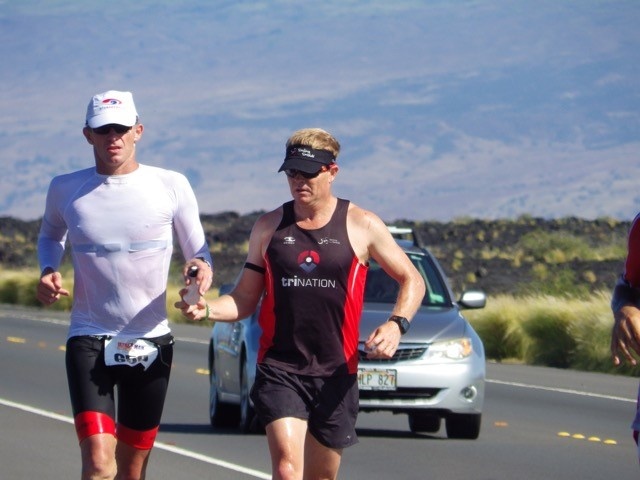









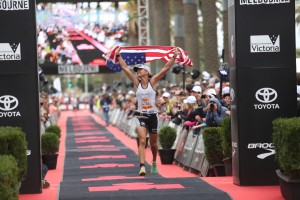
 In this episode of The Effortless Swimming Podcast, we have Kim Schwabenbauer. We recently had her as a guest and since the last podcast we had with her, she is now pregnant! We talk about how it is to be a professional triathlete, to now being pregnant and what the future looks like for her.
We also talk about a few things she is studying from her Master’s degree:
- immunity and diet
- how athletes can avoid getting sick and keep themselves in top health
03:22 – On being 21 weeks pregnant
13:06 – How The Experience of Working With Athletes Help in Being a Parent
16:34 – “Having a baby is just like doing an ironman…”
20:14 – How Prolonged Exercise Will Wear Your Immunity
23:00 – The Complete Recipe For Disaster For Athletes
29:20 – When Is The Best Time For Beer?
33:44 – Fundamentals of High Level Training
43:30 – The Convenience of Using Formulated Products
50:20 – “The Bloody Mary Gel”
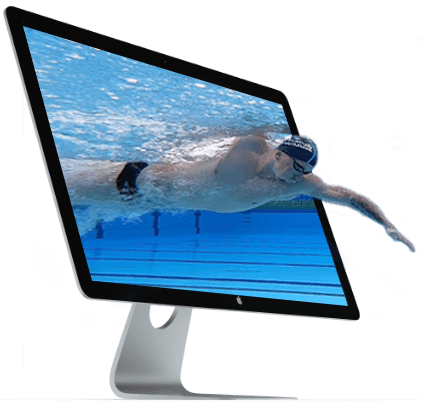
I’ll be in the US this April running freestyle clinics. These clinics have been running for a couple of years in Australia. They’ve been really popular because of the results that swimmers and triathletes are getting. In these clinics, you’re filmed underwater and above the water and then given detailed analysis of your stroke to find areas you can improve and find speed. It’s followed by a pool session where we correct what we find in the filming to help you become a faster more efficient swimmer.
With swimming there are a lot to think about – your head position, body position, recovery, entry, catch and pull. There’s a lot of things that go into it. We simplify it. If you are a triathlete or a swimmer who is frustrated at your swimming not improving, then this clinic is a good fit for you.
If you’d like to book in for a clinic in the US click here. Note: There’s only limited spots available. See you there!
Transcript
Read the full transcript
Welcome to Effortless Swimming, the podcast for swimmers, tri-athletes and coaches. Join Australian swim coach Brenton Ford as he reveals the latest techniques and information to improve your swimming. Let’s dive right in. Hi Brenton Ford here, welcome to the Effortless Swimming podcast. Before we get into today’s episode, I just want to let you know that I’ll be in the US in April and I’ll be running some freestyle clinics. And these freestyle clinics have been running for the last couple of years here in Australia and they book up very quickly and they’ve been really popular with swimmers and tri-athletes. And the reason they’ve been popular is because of the results that we’ve gotten with a lot of athletes who have attended. And what we do at the clinics is we video you with underwater footage and above water footage, then do an analysis and then we go in the water and we go through some drills and exercises to help you correct what we see in the videos.
So with swimming, there’s a lot to think about. You can think about your head position, your body position, recovery, entry, catch pull. There’s a lot of things that go into it. But the way that we simplify it down is we look at your stroke, we look at what you’re doing. And then we’ll give you two, at a maximum three things to look at correcting in your stroke to increase your efficiency, have your swimming faster and reduce the drag, which is also going to increase your speed. And if you’re a tri-athlete or a swimmer who’s frustrated with their swimming not improving. So if you’ve sort of chipped away at it for the last two or three years without seeing much of an improvement in your swimming, then this clinic might be a good fit for you. So if you would like to book into any of the US clinics that I’ll be running, there’s some on the east coast and the west coast. You can go to effortlesswimming.com, click on the clinics and camps link in the top right hand corner,
and there’ll be a little drop down box for the USA clinics. So hopefully I’ll see you there. There’s only a limited amount of spots available because each clinic has a maximum of eight swimmers. So there’s only a few clinics there with not many spots. So if you would like to book in, go to effortlesswimming.com and click on the clinics and camps link. Now, today’s episode is with a good friend of mine, Kim Swabenbauer. She was on the podcast recently and we talked about a wide range of things. And today we’re going to talk about a few different things because Kim is a professional triathlete and since the last podcast, she’s announced that she’s now pregnant. So we talk about what it’s like to go from being a professional athlete and then getting pregnant and what the future looks like for her. We also talk about a few things that she’s been studying with her master’s degree from immunity and diet
and how athletes can avoid getting sick and keep themselves in top health so that they don’t need to take time off from their training because when it comes to getting good results in your triathlons or your swimming, then consistency really is key with that. So we talk about how to stay healthy and not get sick using some of the stuff that Kim has been researching with her master’s degree. Last time I had you on the podcast, we were talking earlier and you’ve only just found out that you were pregnant and it was a little bit too early to announce it to everyone because you hadn’t told your family and everyone around you because it was just that little bit early. But now you can and so I want you to just tell me the story of what it’s like from being a professional triathlete and then getting pregnant and what’s that look like and what does the future look like now that you’re… How many weeks pregnant are you?
I am just heading into my 21st week. Yeah, thank you. Yeah, so we’re halfway through and that feels good. And you obviously know a lot about this because you are going through this whole process as well. So yeah, we were actually talking about it for the last two or three years and when we discussed how this was going to go with the pro career and all those things, there’s such a huge sacrifice for the whole family and your friends and everybody else who’s going through this with you and just takes a lot of discipline on your part and therefore discipline on their part as well whether they like that or not. And so we talked about like a three-year to four-year plan to be able to be a pro and see what I could get out of it and really put all the eggs in that basket and go really hard. And so I managed to do three years and then I said to Kyle, my husband, I feel like I am still on the upward trend here.
I feel like I’m just starting to get my legs under me as a pro and starting to feel like I know what I’m doing, gaining some confidence. I know how to train. I know how to take care of myself. I know what this takes to be good at this sport and that takes a while for that process to happen at this level. So I said, give me another year. So that was the year of 2015. And so we actually decided that we were going to forgo birth control for that year and I was convinced that I could probably get pregnant, even while I was Ironman training for 25 hours a week and running a business and doing all the other things that I do, speaking, et cetera. And what happened was we found out that was not going to be the case because it just is something that your body as a woman is sometimes not interested in procreation when it’s spread out that thin. So it took us really till the end of the year in 2015 for me to really shut it down.
And then when I finally did and said, no matter what for this coming year, I’m not going to race. I’m going to do some other things in my life and focus on some other areas because I really do want this for us. And this is something I want to have for us as parents, to be parents, just what a gift. And I don’t want to take a chance on just continuing to push through. So we did. And luckily it was only about a month and a half, two months later that we were pregnant with our first child. So I’m due July 30th and I’m super excited. That’s fantastic. And when we spoke last podcast, it was something I really wanted to talk about too because my wife is also pregnant. She’s one month ahead of where you are at the moment. And for me, before this, I was never not that interested in talking about all that stuff. But then once it all happens, I guess you’re thinking changes. And for me, I’ve become pretty clucky as a guy looking at other people with babies
and kids and stuff like that. Yeah. It’s a different sort of mindset than what I’m used to. And I imagine it’s the same for you. Absolutely the same for us. We were the quintessential, just really hardworking people that we would show up to the birthday parties with barely a gift put together that we had thrown together 30 minutes before because we realized that we didn’t have anything at all. And so we’re trying to find something in our house that we can give to someone. That was what our life was like. It just wasn’t something that we were really focused on. And now I actually feel badly. I want to apologize to the people that I did this to. My friends that were having babies because most of the people, I’m 36. Most of my friends that I graduated high school with and college with have eight-year-olds. So eight to 10 to 12-year-olds, even some of them. So they’ve been at this for a while and we just waited so long.
And so, yeah, like you said, now we’re really interested. And now we’re kind of catching up and trying to figure out what stroller to buy and how we’re going to manage all this with a new baby coming and our schedules and all the stuff they already went through so long ago. So now we’re doing the same thing as you, Brent. We’re checking everybody out. We’re asking questions about all kinds of things, breastfeeding, sleep schedules, you know, all that kind of thing, reading books. So it’s fun. But yeah, we’re a little late to the party. It’s kind of like going into training for your first Iron Man, I reckon. I mean, there’s so many different pieces of the puzzle that you need to consider. I mean, you’ve got your nutrition, you need to get your bike right and all this sort of stuff. And there’s a lot to consider. And I mean, for me, I did my first one a couple of weeks ago and I just realized I know next to nothing about Iron Man and Iron Man training
and things like that. And then same with having a baby. I’ve got no idea what, I mean, my wife bought all these things, like a bassinet and a straw, all these different things. I don’t even know half of them are four. And it’s just a lot to sort of wrap your head around. And I mean, once you’ve done it, I’m sure it’s easy, but it’s just so much to think about. It is. And where is my coach? I need my coach. Like I just like I need, you need an Iron Man coach whenever you hire someone. And I guess, you know what? Who the coaches are? Our parents, our parents and our friends. Those are the people that, you know, I’m hoping will come up big for us and talk to us about this because exactly like you said, and by the way, you’re not some novice doing the race. You just went, you know, under 10 hours for your first Iron Man. Huge deal. You did incredibly well. You had obviously trained extremely well. But I do understand what you mean.
It seems so overwhelming at first and, you know, and plus I just think it’s a little bit different today. I think our, our parents and grandparents were, life was a little simpler at times. And maybe they weren’t juggling quite as much. Women didn’t have quite as much. I think on their plate at times, maybe we weren’t quite as much in the workforce and, and having all these different ways we were involved in things, you know, that we love to and are passionate about. So I think times have changed a little bit. And it does, you know, even what’s available, the equipment, like you said, is now way beyond the baby monitors. You know, all that stuff is crazy. So I think it feels like there’s so much to learn when, before people are just like, yeah, you just have the baby and then it’s there. And then you take care of it. And that’s how it is. Yeah, that’s right. Instead of checkups every two or three weeks and everything.
And you can find out, yeah, you can find out it, pretty much everything about it before it’s born. So yeah, I guess it does seem a lot more complicated than what it used to be. And probably the same with Ironman as well. You know, there was less gadgets to use and it was more just sort of get out there on the bike, get out there and run and just sort of go through it instead of really getting specific about the training and things like that. Absolutely. So hopefully in that respect, it gives you a bit of experience with what you’re about to go through. Yeah, I think so. Don’t you think in some ways though, what we do lends itself. I hope this is, you know, this is just what I’m hoping. So don’t quote me on this. Who knows? But I hope that what we, you know, just that whole process of going through from start to finish, you know, starting not knowing anything at all, learning along the way, you know, being open to new ideas, continuing to just, you know,
suck up every amount of knowledge that you can and really just being passionate again about what it is that you really do and wanting to put forth your best effort. This has got to serve us well in some way, right? This has to. It sounds like a desperate play. I hope so. I hope so. I’m sure it does. And most of all, yeah, you just want to be a good parent. And if that’s your priority, I think that everything else has got to fall into place some, you know, to some extent. So we’ll just weather it together. And, you know, your wife and you, my husband and I and we’ll just see how things go. But yeah, it should be interesting. That’s for sure. Yeah. Well, I think someone said it to me before is, you know, if you’re thinking about what’s the best way to, to, to bring up the child and like, and you’re really thinking about it and you want to do a great job, that’s, that’s the half of it, you know, if you, if you really care, then, you know,
you make some mistakes along the way, but you’ll figure it out as you go. And as long as you care, that’s the, that’s the main thing. Absolutely. I totally, totally agree with that. And we’ve probably both had good examples of that in our lives. I’m so thankful for the examples that have been set for me of people who have just cared so much about me when I, you know, maybe I wasn’t even their actual daughter and they were just coaches and, you know, teachers and people like that that just showed me what that true real commitment is to making somebody better and to caring about them and their development and who they are and helping them to have the best start. And so that part, I think I can do. So if, if, if we got that Brent, we’re going to be okay. So I’ll, but I’ll keep you posted for sure. I’ll come on anytime and let you know. Yeah. We’ll follow up in, in a year’s time. Yeah. Yeah. Exactly. And then when we’re both in the throes of it
and we’ve made it through, hopefully when they’re actually sleeping a little bit and whatnot. So yeah. I’m sure that the coaching comes into it. I mean the experience with, with working with athletes and helping them learn and develop. And yeah, I’m sure that’s going to come through in parenting. And I sort of look at the coaches I’ve had over the years and I mean there’s sort of two or three really simple lessons that I’ve picked up from each of them and ones that I think I’ve taken to my, that I’ve taken into my coaching and my, my parenting just from sort of basic, basic manners saying hello, goodbye. Please. Thank you. And showing up on time was the most important one and, and just, just being nice to people and, and also just about putting in your, your best effort and, and not leaving anything on the table. So I think all that stuff that you learn through, through sport and from your coaches and from coach and others that,
that’s got to come into play. Yeah. I absolutely, absolutely agree. And I think we’re so fortunate to, to have that. I think, you know, it’s all about people. That’s what coaching is. That’s what, you know, even what we do as athletes and sport, you know, really the whole thing is about people. When you look at what, what we do, why we love it so much, a lot of it is revolving around, around people and those relationships. And, and I think what we’re about to embark on is probably the most important relationship we’ve ever had. And so if you could just, you know, look at it that way and, and realize that, you know, this is where your priority is and continue to just try to keep doing your best. And also our parents were not perfect. I do think about that too. My mother was probably not perfect when she, you know, they did their best and everything turned out okay. Yeah. That’s right. Yeah. That has to, that has to be like I said,
another good sign. So, so yeah, I think, you know, if we can, we can do that then I think we’re in the right place. And, but I’m always open to suggestions and I’m always open to feedback. So while Kyle and I will make the decisions, but I still, I still hope other people will help us, you know, along the way and, and you know, let us know if we’re headed in the wrong direction or going off track, we have some good role models. So, so yeah, so life, life should be interesting and in terms of where I go from here with the whole athletic thing, I guess I’m not quite sure yet. I’m not sure how you see it changing for you and for your wife. But, you know, it’s, I think it’s really hard to know where to go and especially sometimes as women, we are the sort of primary caregiver in the beginning because we have the equipment. No offense to your particular sex, but you don’t have the equipment that we have. So we kind of have to be,
we have to be up in there and really, you know, really taking a lot of the responsibility in the beginning. So I think, you know, for me, I’m just going to try to not put too much pressure on the process of, you know, it has to be a certain way because we, we try athletes. We are so tight bay. Usually we’re overachieving, you know, you know, a test of compulsive time management, you know, crazy people. And so sometimes I think to myself, well, I’m just going to get right back into it. It’s going to be amazing. And then I put a hold on it. And I say, listen, Kim, you have no idea what you’re getting into. So probably a good idea to pull back the reins and just, you know, not make any solid plans. Like try not to sign up for any races within the next six months, right after you give birth. Like I’m attempting to not do that right now. So, yeah, we’ll see. We’ll see if I can do it or not, if I make it through. So, yeah, we’ll have to go from there.
That’s right. I’m sure it’s going to, I mean, what I’ve seen with friends who’ve had babies and things like that is it, it sort of knocks you around a bit. I imagine it’s like kind of doing an Ironman. I mean, for me, I’m two weeks out after my first one. And my body is just, it’s still fatigued. It’s still tired. Yeah. And I just can’t put much intensity into anything that I do. And I imagine it’s the same thing when you’re having a child. So, yeah, it’s all going to be a new experience. And just, you just don’t know what’s, how it’s going to be. So, yeah, it’s, and I know for me, and probably for you as well, it’s just, I loved, I really like to have things planned and scheduled and have control of them and to leave it open to, to, to what, you know, to anything it’s, it’s hard to do. I’m not used to it. I totally agree. I’m fairly inflexible. Just ask my husband. And I think that’s, some qualities that lend themselves to being a great athlete,
in some ways, because you are willing to get up at four o’clock in the morning, you know, and you, you had that time before where you could say, for sure, I will have this block. This is what, you know, I will have from four o’clock to, you know, eight o’clock when I have to go to work and I will use this block for this two hour bike ride. And then I’ll get off and run off the bike. And so, you know, people are willing to do that kind of stuff or whatever. And so, what I’ve heard from a lot of new parents and especially new mothers as well is that you have this plan in your mind. You think you’re going to get up it. You’re going to beat this, this baby up it, you know, four a.m. You get up to try to get in the workout. And guess what? That baby starts crying the second you’re out of bed. And, you know, it’s hungry. And now you’re thinking to yourself, I was going to be out the door already. I was going to leave this baby for a little bit
and go do this other thing. And you just can’t do it. It’s just that flex, that need to be flexible. And which I don’t do well with at all. Something has to change, you know, something’s going to have to give. And so I guess, you know, we’ll see how that transition happens. And for me personally, I’m in grad school until the end of this year. So no matter what, I pretty much know until December, it’s going to be, you know, all about just managing my current priorities. And then my coach would love me to just come back, you know, be back on the bike by October. And then, you know, racing next year early in the year. And so I’m just going to have to wait and see how that goes. Because from what I hear from a lot of new mothers and new parents in general, it is just not that easy. So don’t get it in your mind. It’s going to be that way. Yeah. Yeah. Exactly. So that’s kind of what I’m thinking. It’s going to take a bit of a change.
Yeah. I can say that myself as well. So it’ll be interesting. Yeah, it will. I’m sure. Yes, absolutely. And you’re studying, how do we get this right? Your master’s in exercise science and kinesiology. That’s correct. Yes. You got it right. Absolutely. And one of the things you’ve been researching is immunity for athletes. So you talk a little bit about that and what you’ve come across and how it relates to swimmers and triathletes. Yeah, absolutely. And I will say this degree has been a good thing for me, having my undergraduate work be in nutrition and then being able to now be a little bit more rounded as I am a coach in the field of speaking and doing things like that. This has been a good degree for that. So I am learning a lot about this type of thing. And one of the areas that we were researching for a recent paper that I did, and actually there was another great podcast that I listened to as well, is that prolonged exercise,
exactly what we do as athletes is going to wear on your immunity, which we kind of know, because we already notice that when we’re in those big training phases, where we’re doing, let’s say, upwards sometimes of 14, 15 hours a week, plus trying to have a regular job, all the other stuff we have going on, your body doesn’t separate the type of stress that it’s seeing. That’s what I think is so interesting. Your body doesn’t really know training stress from work stress, from life and personal and emotional stress. It just knows overall stress. So the more you continue to pile it on, because training is ramping up, but then at the same time, you’ve got a big presentation at work, and then all of a sudden at home, your wife or husband is unhappy because you weren’t around. All this kind of stuff is going to lead to, you know, your white blood cells not being as high and not functioning in their normal way. So you do that,
plus then we add all the breathing that we do as athletes. We’re breathing in, you know, really all the time we’re breathing extra. We’re really breathing through workouts. And so we’re breathing in, you know, all the allergens and, you know, different bacteria and things like that can be coming in from the environment. So we’ve got that. So that’s coming into our lungs. And then we’ve got, of course, traveling and doing things like that. So all this adds up to, for us, decreased immunity and the chance that we’re going to end up missing training and getting sick and not being as consistent. And I don’t know about you, Brent, but consistency for my athletes is the number one issue. Is that true for you as well? Oh, absolutely. Especially with swimming. If you’re doing one session a week, it’s just not going to cut it. And that consistency in the water is what gives you that feel for the water. And that’s where you see the improvement
when someone’s put together a solid block of, you know, a few months of training consistently at least sort of minimum two sessions a week, but ideally three or four. Exactly. Exactly. And any time off, it’s amazing the detraining that happens. You know, I was just reading that, you know, it can take six weeks to build an athlete to a particular point. And it actually only takes six to seven days to detrain by, you know, 30 or 40%. And then by two weeks, you’re almost at nothing. So, you know, you almost went back to where you were preliminary before the six weeks. And, you know, that’s mainly cardiovascular training. Resistance training doesn’t seem to show that same take some as much of a hit as, you know, cardiovascular training does. But for us, you know, consistency is where it’s at. This is where the athletes that end up, like you said, seeing really big gains come in. So being able to protect our immunity is huge.
And there are things that athletes can do to make sure that they take care of themselves, especially because we’re all about to get into the, well, I guess you guys are in the real season, right? The season is happening now, correct? Yeah, yeah. Well, it’s wrapping up for most people, actually. We’ve just come out of summer. So, yeah, but I mean, you guys over there, it’s just starting to ramp up. So, what are some of the things that came out of the studies that you’re reading? What sort of things can people do to not get sick? Yeah, absolutely. Well, for one, if they are attempting to lose weight while they’re doing this. So I do have athletes that are in a situation where they want to be at a race weight, for their big A race of the season. And so they’re in a period where they’re trying to both train and cut calories at the same time and or just watch where those calories are coming from, the timing, all those things.
And that, combined with everything else I just said, can be sort of a recipe for disaster. So what ends up happening is they either are deficient in certain micronutrients or what we call vitamins and minerals. So those vitamins and minerals end up in their diet much lower than they should be. Specifically, vitamin A, D, E, B6 and B12. And B12, you really only get from animal foods. So that’s really the only place to pick that up. So if you do have athletes that are vegan or vegetarian, they can end up low in B12 fairly easily because if they really aren’t concentrating on getting it from a supplement or some other area, they’re probably not going to get enough. And so between that and the vitamin D, we get that from the sun from our being synthesized in our skin. Well, we also pick it up from certain fortified foods like dairy foods and things like that. But people are chronically low at times during the year.
You guys are getting plenty of sun now, but there might be times where it ends up not being that high and people just aren’t outside and sunscreen. We’re wearing a lot more sunscreen these days and so people just aren’t getting nearly the vitamin D that we used to get, which is good for skin cancer, preventing it, but not quite as good for vitamin D. So concentrating on those, then the minerals that are really important are iron and zinc. So watching your diet to make sure that you’re getting enough iron and from especially the heme sources, which means the animal food sources, red meat, chicken, places like that, turkey, those kind of sources are more readily absorbed from the iron is more readily absorbed from those places versus when you’re talking about spinach and some of the dark leafy greens and things like that. So those are some kind of key vitamins and minerals that people can either get tested and know where they are in the beginning of the season
and then maybe get retested again if they’re having any problems and just making sure they have a really well-rounded whole foods diet. So fruits, vegetables, animal products for protein, making sure they’re high quality protein, beans, low-fat dairy, things of that nature. So if you’re working with someone, would you have them get a blood test to see where they’re at with each of these levels? Yeah. I really would. I actually, most of my athletes, especially when they first come on board, I will say to them, you know, if you have the ability to do this with your doctor to be able to talk to your doctor about the fact that you are going to train for this really large event and you just need a baseline for finding out where these values are so that we can compare later if something happens, if you start feeling really terrible and you’re just complaining about being tired and you can’t seem to produce the same numbers
in your workouts, then we have something to go back to before the season started or really got rolling and we’re able to compare those things as time goes on and I have people do that pretty often, so I think it’s important. Yeah, I think it’s good to find that baseline, not only in your levels for each of those things, but to also do an athlete screening for your flexibility and your mobility. Also, if you test at the start of the season for each of the disciplines and just having those numbers to work from and then seeing the improvement or being able to maintain the right, the correct levels there for your blood, so it’s good to have those markers and I mean with our swim time trials, every six weeks can be a good time to do, it might be a 400 time trial, it depends on what you’re training for, or an 800 time trial, but just to keep you motivated as well because it’s kind of like a race, every time that I race,
you pick up these little things where you can improve, you get to see where you’re at with each of your legs and then that gives you motivation to train that a little bit harder, so it’s sort of the same thing when you see the improvements in your blood levels, your athlete screening and your fitness as well. Right, and this area for athletes is so important and I just think sometimes people don’t really give it the attention that it deserves until unfortunately sometimes things go the other direction and they find themselves sick for a two to three week time period and when we’re talking about health, we’re not just talking about performance, so really as coaches our goal is to have you healthy and firing on all optimal cylinders from the very beginning and the whole way throughout your season if we don’t have that health first, then there’s no chance of us getting to a better performance so by starting with better health
we’re really where we should be and then maintaining that throughout this entire process is the goal, as things go askew then all of a sudden we start having all kinds of other issues and all of a sudden there’s injury and there’s sickness and there’s other things happening and even to where the athletes aren’t motivated anymore because they just feel like why would I do this? I can’t even stay healthy, I can’t make the gains I was looking for and so it becomes a really frustrating thing for us as coaches and athletes so I think that’s some of the reasons why this should be a priority for people the other thing I want to mention too which is something that a lot of us really like is alcohol so we love going out for a bike ride of five hours you’re out there in the hot sun you’re with your friends everything’s going great doing a long run or swimming or whatever it is and you put in a really solid day and then it’s time for beers
because it’s time to celebrate the fact that we all went out there and that we were able to be successful with these workouts and we felt great and we burned all those calories so now it’s time to add a few of those back in with a couple of beers and while the beers themselves aren’t the inherent problem it’s more the fact that your body hydrates state when you put that alcohol into the system so it further depresses your immune system and then you’re probably not going to rehydrate like you should especially the electrolytes that you need while beer gives you calories it’s not going to give you electrolytes it’s not going to really be a hydrator in fact it’s a dilator you end up urinating more because of it it’s a diuretic so it doesn’t help us to really rehydrate and come back the next day so that ends up being a detriment for athletes as well and so while the calories might not be a big deal the other stuff is so it ends up maybe you don’t sleep as well
because you decided to have a couple and then all of a sudden you’re in a deficit for the next day so that’s something to think about too for athletes We had a sleep coach on the podcast by the name of Andrei Abradovic and he was talking about he works with executives and athletes on helping them perform better in either work or in sport and he’s got these these bands that you can wear and it tracks your sleep it’s sort of like a Fitbit type thing but it’s a better quality one and can track you a little bit better and he was saying that with people who drink alcohol pretty much on the diet at three o’clock in the morning most people tend to wake up at three o’clock and need to go to the toilet with alcohol and he was showing me some results of people who had consistently had alcohol each night and their sleep because of that was just so it was so bad they’d wake up five to ten times a night be very restless and then their performance
or their effectiveness throughout the day was really quite low so not only is it going to dehydrate you and not give you the nutrients that you need really going to affect your sleep and I know just how important sleep is when you’re busy training you’re busy working and that’s something that I’ve really tried to focus on the last couple of weeks is just getting more sleep and better quality sleep and just in terms of my mental effectiveness it’s made a huge difference to how well I can focus and concentrate on a task Oh I think it’s so, so key with my athletes I tell them if you’re not going to get seven hours a night then I don’t even know if you should be working out the next day I really feel like it’s that much of a detrimental thing to their workouts the next day and that they can’t expect to live their life go to work do all their other responsibilities that they have to take care of and train we’re almost digging ourselves into a whole
I don’t know if you do that continually you just can’t get out of so for the most part I let them know that if they’re running on empty with sleep, if it was a five hour or six hour kind of night they might be able to skirt through with a very easy workout the next day maybe a 30 minute workout or something like that but they really should modify they should modify either in intensity or duration what it is they’re doing the next day because there’s just no sense in getting out there and trying to do some hard bike or hard run workout when they’re probably just going to put themselves into a deficit and then the next day not feel as good and then we get sick and it’s all those things so it’s really managing like you said all those pieces of puzzle it’s always a puzzle and you have to think about what makes the most sense for what you’re doing at that time and sometimes it means taking a day easier taking a day away from training
so that you can really focus on sleep that next night and come back and be refreshed so I think sleep is of the utmost importance on multiple levels and people that don’t sleep enough they eat in a way that they shouldn’t really be eating they end up eating things that aren’t the best for their bodies because they’re tired and they’re just trying to hang on to make it through the day versus making good choices so it’s really important absolutely and I think that’s really the fundamental thing when you’re training at a high level is you need to get your sleep right and your nutrition right and also just be aware of when you feel any sort of injuries starting to come on because if you haven’t got your health right if you’re not feeling great you can feel yourself getting sick or you can feel an injury coming on if you push through and try to tough it out and be a hero about it, it’s only going to send you backwards two or three weeks
so sometimes it takes more courage to say alright I’m going to take this session easier or I might have to miss it if it’s going to make me injure myself and you just need to be able to back off when I was younger when I was growing up I had the mentality that every session needs to be hard you need to push through it it doesn’t matter if you’re tired if you’re feeling right, you need to push through that’s the best thing to do but in hindsight I can say that I would have been better off just getting the rest or taking the session easier but that’s something that you learn with personal experience a lot of times it doesn’t matter how many times you get told sometimes you just need to learn the hard way that’s true and sometimes I need my coach to tell me those things so sometimes we are we are not always our best sometimes we’re not our own best advocate in that we need someone outside of where we are to be able to see things
clearly so it’s amazing how much I end up telling my athletes we need to take off or we need to back training down for this week that you’re a doctor and you’re on call and you’re going to be out in the middle of the night we’re going to do what we had planned in fact we’re going to do 50% less of that and so it’s really difficult for the athletes sometimes because they feel like they’re losing out and they’re just not they’re not going to make the gains that they thought they were and all these things when really we’re avoiding other major things that could take them down for a number of weeks by just taking a week and doing a little bit less and making sure that they are healthy enough to be able to continue it’s really important for coaches and athletes to work together on that kind of stuff and I had a couple more things that people can do so I’m going to roll into those, is that good? Yeah, let’s do it. Okay, alright so the other
things too are carbohydrate ingestion while training it is important for us as athletes to have carbohydrates and at times I see athletes cutting down the amount of sports drinks that they’re having because they’re either trying to lose weight for a big race coming up or there’s a bunch of sugar in these drinks so they shouldn’t be having them and they just want to have water even though they’re going out for a three-hour ride, it’s no problem but what ends up happening is that you actually produce a lot more stress hormones like cortisol things like that when you go without carbohydrate for a very long workout not only that you end up depleting your own electrolytes by quite a bit you deplete your own carbohydrate so your own reserves in your own muscles and your liver and places like that where we need carbohydrates. That’s an interesting thing I found doing my long rides leading up to the Ironman was at the start if I did a five-hour ride
and I had two or three jails or two or three music bars along the way and that was it and not fueling myself as much as I needed to that afternoon I would just, I’d be on the couch having a toast and just eating I would eat everything inside I was just so hungry afterwards that I realised I’ve got to really fuel myself better on the bike because I can’t just be eating this much afterwards so it’s it really had an effect on not only what I ate but also how I felt I was completely wiped for the day if I didn’t fuel myself right and I did it thinking that it would be a good way to lose a bit of weight and get down to race weight and maybe that’s right but what I was doing after the ride was not helping I wasn’t as anyway with that what I was doing afterwards absolutely the first thing people do is say I’m going to go ahead and order after this ride a large pizza I will eat all the pizza myself and then I’m going to go get this
and that and so if you’re on your ride planning every single thing you’re going to eat afterward this might be a bad sign that you are not doing the correct during the ride it’s good to look forward to good food and to not eating just sports nutrition products all day because it is a little tiresome to have to eat that stuff hour after hour but they are designed for a reason they’re designed to be really absorbable they’re at the right osmolality when they hit our gut they’re absorbed readily and quickly they get into the bloodstream and then to the working muscles for fuel so they’re able to be used and that’s why we have these things so it is important especially as we get past an hour when we get into that second hour and third hour you’ve got to make sure you’re in these carbohydrate ranges so that you can like you said make better choices afterward and people who have these types of drinks they drink more they tend to drink more than if they were just
drinking water alone so they end up more hydrated overall than people who are just drinking water so they are a good idea for every athlete pretty much who’s going to be going longer distance so that’s really important so that’s key and then protein having enough protein at breakfast at lunch and dinner and this is what I see with athletes is that they end up having a decent like almost no protein at breakfast and then a decent lunch maybe they have 10 grams 15 grams and then they have 60 grams for dinner so they end up with a really big dinner either with a big steak or with you know 5 or 6 or 7 ounces of chicken or turkey or fish or things like that which are all great sources but the body can really only handle about 25 grams at a time so 25 grams is sort of 25 to 30 is that amount where we’re able to metabolically process it and use it for good repairment of muscles and all the other processes that we need to rebuild amino acids
and things like that and so when you’re getting 60 at dinner 25 is going towards really what you need and the rest if you’re not going to be using it immediately is going to be stored as fat just like everything else so spreading it out throughout the day is extremely key for athletes and more at breakfast having eggs having Greek yogurt having really protein shakes with way protein you know all those things are possibilities for breakfast to get 20 to 25 grams at breakfast and then a good source at lunch tuna you know or something like that 3 to 4 ounces lunch at least of any kind of protein source you’re going to have and then the same with dinner and taking dinner down a notch we don’t need 60 we don’t need a 12 ounce steak we need you know a 4 or 5 or 6 ounce steak and we’re you know in a better spot one of the positives coming out of doing the Iron Man for me was being more aware of the effect that food had on how I felt and how I
performed and also just being aware of intake and outtake of calories and actually taking note of what is in certain foods in terms of how much protein how much energy and all this sort of stuff and that’s something that I’d never really considered before well I thought about it but hadn’t really really sort of cared about what was in it but you know when you’re doing all this training you really need to be on the ball with how much is in different foods and different most of you and that was something interesting that I’ve now posted on the Iron Man I’ve been able to sort of take into my normal routine which hasn’t got quite as much exercise and just been able to reduce meal sizes and actually watch what I eat so I think that’s been a big positive of doing it but I think one of the it’s kind of a catch 22 when you’re doing that much exercise training for an Iron Man you tend to have to fill yourself with a lot of crap with
all of the sports drinks and the gels and everything it’s yeah it’s a sort of interesting place that you put yourself in when you use this fit but you’re just doing yourself with so much sugar and all that sort of stuff yes right right and I’ll go ahead I don’t think you were done I just want to sort of get your opinion on that and yeah your thoughts on that yeah I mean it’s really sort of a necessary evil of what we do as I was talking about we really do need to have those types of fuels and the other reason that I actually talk with a lot of athletes about this is they say well why can’t I eat an egg and then I’ll have some nuts and then I’ll have why don’t I have some celery or some you know why can’t I have these other things that I have the rest of the time and the reason for that is that we end up having a lot more fiber and a lot more fat and both those things slow down the digestive process and they don’t allow blood
sugar to go up at nearly the same rate as some of the other sports nutrition products which is a bad thing when you’re working out when the body only has so much blood to shuttle to the legs to and muscles you know that are working legs that are doing all the work the arms that are doing all the work swimming it doesn’t want to divert a bunch of extra blood to the stomach to help with digestion it wants to divert the very minimum amount possible so while you can maybe get away with a little more of that in the beginning of the season maybe you’re not working out as intensely or maybe you’re not that close to your race maybe you want to try some different fueling methods and see how it goes that’s a possibility when you’re pretty far out but as things get towards the race you’ve got to use these these formulated products for the most part because they’re easy they’re convenient they’re your it’s not easy to carry an egg with you
necessarily to keep foods at the right temperature while you’re out there on a six-hour ride you know to make sure that there’s no foodborne illness so there’s a lot of reasons why this stuff is you know formulated and packaged the way it is and so you know but if you’re going to do that all day long or many of the days of the week you’re going to have to use that stuff then guess what you better have a great diet outside of that you know or at least 80-20 rule where 80 percent of the time you’re doing things right and the other 20 percent of the time you’re you know having you know lunch with your friends or you know not worrying about it as much but 80 percent of the time at least you should be making choices that are advantageous to your body by making sure you get you know at least five or six servings of fruits and vegetables per day more like nine or ten is better better especially vegetables and then you’re getting all those antioxidants
and you’re getting a lot of nutrients out of those things and then the protein making sure it’s coming from good sources and dairy products low fat dairy that’s got vitamin D and calcium and all those kind of things beans legumes you know stuff like that that’s giving you great fiber so we really need that stuff as athletes and you know it’s easy to say well just have this cookie because you know I work out so hard and while you can afford a little bit of that it just can’t replace the other stuff that you really truly need because you’re putting in so much like we said the other types of things that you know you need the Whole Foods to support what it is you’re trying to do on a daily basis and recovery and coming back day after day and your immunity like we were talking about Yeah that’s a good point I’d love to see someone with a few high bored eggs in the back of their cycling jersey I’m not kidding I know people who do this stuff
and I mean it’s a very interesting you know way to go about it one of the talks I give all over the country right now is called versus sports nutrition products because a lot of dieticians like myself are seeing this trend where athletes are wanting to use this stuff all the time I saw an article the other day it said fuel your your long workout with bacon and I thought bacon really people are gonna start carrying bacon with them like you know this is probably not not only the not easy thing to do but it has virtually no carbohydrates it has a ton of fat you know fat than we would ever see or want and what would be the purpose of fueling with bacon other than calories it’s giving you calories yes energy which we need but other than that it’s not really doing a whole lot for us maybe a little bit of sodium so it would give us a little bit of that electrolyte but I brought that up in my sports nutrition class you know that athletes want to go this way
but it may not make the most sense long term it may not be the best thing it might be okay for a while but it certainly not be great you know especially as we get towards the race you know that makes it really really tough because what are you gonna do put a bunch of eggs and you know in like nuts and stuff in your bento box or in your your special needs bag you know are they gonna last you know what I mean it’s just you know stuff like that you know trying to peel banana is not that easy when you’re on your bike at you know 22 miles per hour so you have to really be smart about what you’re gonna take if you’re gonna do whole food options but people do it I just think it’s really hard to calculate too are you getting enough carbs per hour when you’re making stuff at home or you’re taking these other options so that’s what I talk about when I talk with these other dietitians I wonder if we’ll see many little camping cooking stoves
in special needs bags with the eggs in the bacon there you know what I wouldn’t I wouldn’t put it past your athletes we are an interesting group and we will do whatever anybody tells us is the smartest thing to do so we will absolutely do that and so I wouldn’t be surprised at all if we would see stuff like that you don’t know as soon as a few people take it up it’ll become the norm and then you know everyone will start doing it and it seems normal to everyone in the triathlon world but everyone looking is going what are you doing I know exactly it becomes a trend and it’s like this is the best thing going today everybody is now doing it you know there’ll be special egg containers and I mean I love eggs I think eggs are amazing for breakfast and lunch and dinner I think they’re awesome but I think having that kind of stuff on the bike you can do it for a while is it practical is it smart is it what you’re going to use in the race
does it make sense those are the questions that every athlete has to ask themselves and what’s going to be appealing to you when you are five hours into this bike ride what’s going to be really appealing I really love eating sports nutrition at that point no matter what it is you’re doing it becomes a little tiresome but certainly some of these other foods that have real pungent smells or could go bad or other things like that may make it really difficult to eat them long term so whole foods are awesome I just don’t know if they’re always the best choice for us while we’re actually trying to be out there working out for long periods of time yeah exactly so it’s just an interesting thing to think about and I end up talking about it a lot now with athletes because they are interested and a lot of sports nutrition companies are going more natural in terms of trying to reduce the number of preservatives and trying to get more to a whole foods
style looking product I’ve seen companies come out with margarita, pizza, gels have you seen stuff like that no I haven’t have you tried them but I’ve used it in my presentation and I showed the ingredients in my presentation and it’s things like basil tomatoes you know just some really interesting yeah yeah in a gel yeah absolutely so that’s you know companies are trying to do that because I think they they think themselves people are sick of regular sports nutrition like a berry flavor and a you know real you know manufactured type product but yet at the same time you know something like that going to be appealing maybe to some people it is maybe it depends on the athlete sport or the type so or how you’re going to use it you know but yeah I mean I don’t know if it would be the best that I would be appealing to that like that I would like it you know I reckon they’ll come out with the bloody Mary gel so you can have it in the mornings
that is a fabulous idea you should patent this now before anybody else gets a hold of it you better do it quickly before anybody else gets a hold of this because we all train in the morning so you know a lot of us are out there really early so I’m going to be taking the bloody Mary gel tomorrow watch out watch out on the group ride or I’ll be like bloody Mary gels for everyone you know we’ll just like pass it around oh yeah that could be rough so I had had our swim training on the weekend on Saturday and we all we all went out for breakfast afterwards and I had to a local pub and one of the swimmers got a bloody Mary and it was still pretty early in the morning I looked at that and went how can you do it like tomato juice is bad enough on its own but get tomato juice with you know this time in the morning you’ve got to be crazy but there you go there’s a market for it there’s a market for it well maybe they were trying to you know sometimes it’s like
who can really stomach this at this time like they made me want to impress you or something like that maybe that was him because I don’t know I wouldn’t do well with that kind of stuff but I highly encourage going out to breakfast for athletes after the after the morning workout go out get some good protein get some good vegetables in get some fruit in you know do all those kind of things and do it as a group and refuel together I think that in itself is a fabulous idea so you know going out that makes sense to me for athletes to do that for sure so just you know watch the watch the after Saturday long ride beers and things like that like that you know in in small doses alcohol is really good for you you know in the in the one kind of two at most sort of range and you know wine has some really good compounds in it and things like that the polyphenols are very you know antioxidant type compounds but any more than that is just really tough on athletes
so so yeah yeah exactly like we talked about there’s there’s ways to do it and there’s ways to overdo it and we tend to be like all or nothing sometimes so yeah moderation is all is the key right yeah exactly right and everything it’s hard for most athletes are moderation and I’m saying that from a personal experience right I agree I agree Kim what what sort of services do you offer to to athletes so someone wanted to to have you look at their nutrition plan or anything like that what how can people get in touch with you and what sort of services do you offer for them yeah absolutely my business name is fuel your passion f-u-e-l-y-o-u-r-p-a-s-s-i-o-n and my website is fuelyourpassion.net and so I’m a registered dietitian with a specialty in sports nutrition I have a specialty certification in this area so I work with athletes from 5k to you know very long distance triathlon and everything in between to help them improve their training
diet so what they’re having outside of activity and then also to help them design race plans that include their training nutrition and the racing nutrition as well so what they’re going to be having on race day so I do that with my own clients that are my coaching athletes but I definitely do that as well with athletes that come to me from outside of my coaching realm and just want to see me separately for nutrition so I do that and so they can find me there at fuelyourpassion on Instagram and on Twitter so at fuelyourpassion is a great way to get in touch with me and before I also wanted to give a quick shout out to the sponsors that have stuck with me through the pregnancy because let me tell you having this conversation with your sponsors and not knowing whether you’re going back into sport or not can sometimes be a difficult conversation to have so I have a couple people that really that have still you know stuck with me
this is a difficult area because you know you want to maintain relationships with these people but when you’re not able to go out there and compete you’ve got to support them in other ways so I’m very thankful to ultragrain they make a whole wheat flower and have other products that have whole wheat I don’t know that they’ve reached where you are in Australia but they’re definitely here in the US in local supermarkets and things like that and Rudy project my helmet and sunglass company and then core sports they have a great clothing line that I work with as well and so all those guys have stuck with me this year so it’s pretty nice to have them their support as well well that’s great I mean it’s hard enough to sort of keep a sports on board when you’re not performing let alone not knowing when you’re going to get back into the sport yeah exactly exactly so I’m trying to do some other things and you know I help them with a lot of these companies
with their Facebook pages and marketing and then just be you know hopefully good for them in other ways so that part is interesting I think that’s where any of us that can add value to who it is we’re working with whether you’re an amateur or an elite athlete you know the whole goal is just add value ask them what they need find out ways to help you know be out there being genuine about products and what you’re using and why you’re using it you know if you’re doing all those things you’re usually on the right track and you can form these relationships that will stand the test of time and this test of pregnancy and the test of other things you know injury and whatnot because you know life is life and so people do get injured and have things happen especially at the pro level so it’s good to have people that will stick with you fantastic it’s been fun again and love having you on the podcast and love chatting with you
thank you and I wish you all the best for the baby at the end of July so if anyone’s going to get in touch do it before July because you probably won’t be in much of a mindset to think about nutrition for at least a week or two there while that’s all happening so Kim thanks again and I’m going to have you back on the podcast maybe post baby I’d say. Okay I would love that thank you so much and it’s been fun sharing this journey with someone else that’s been going through it so I hope the listeners have enjoyed what we talked about today and I would love to come back on so thank you Brent and I appreciate it. Thanks for joining us on the Effortless Swimming Podcast. To get transcriptions, bonus videos and to be the first to hear about new episodes go to swimmingpodcast.com