








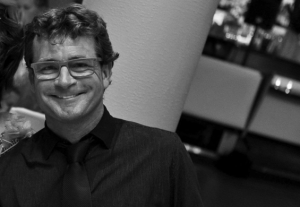
 In this episode, we have Level 3 triathlon coach and coach to many pros, Grant Giles. He works with a range of triathletes from Tim Van Berkel to Clayton Fettell. Grant specializes in the psychology of sports performance and how you can use mindfulness and other techniques to break through mental barriers.
If you enjoy the mental game of sport, this episode is for you!
01:34 – Flashback 1987
04:21 – Grant’s Learning Process Through All These Years
07:34 – Athletes’ Biggest Challenges
10:50 – Does Visualization Work?
15:22 – Is Pain Actually Pain?
18:15 – Coaches Never Win
25:39 – Tune in to your body
31:37 – The Importance of Lifelong Enjoyment of Sport
37:30 – Aerobic Threshold Zone
43:56 – What really increases your speed and propulsion?
To learn more about Giles and his work, visit www.aeromaxteam.com.
If you missed out on attending our freestyle clinics, we’ve released more in Sydney, Brisbane, Gold Coast, Adelaide and Melbourne for June and July. Click here for more details
Transcript
Read the full transcript
Welcome to Effortless Swimming, the podcast for swimmers, triathletes and coaches. Join Australian swim coach Brenton Ford as he reveals the latest techniques and information to improve your swimming. Let’s dive right in. Brenton Ford here. Welcome to the Effortless Swimming Podcast. It’s been a few weeks since the last episode. I was overseas in the US for some coaching over there. But now I’m back. I’ve got a lot of episodes in the pipeline. So I’m excited to bring you today’s episode with level three triathlon coach Grant Giles. He lives in Lenox Heads in New South Wales and he has worked with, and he still works with a lot of professional triathletes from Tim Van Berkel to Clayton Fertel, who you would know from our Art of Triathlon Swimming video program. Clayton was the athlete in that program and Grant specializes in the psychology of sports performance and how you can use mindfulness and other techniques to get a better performance from yourself
and break through mental barriers that you may have set for yourself. So that’s more of what the episode is on today rather than different kinds of workouts and that sort of thing. So if you enjoy the mental game and how to incorporate visualization and those mental tools and processes into your training, then this episode will be a good one for you. So here we go. Here’s Grant Giles talking about how he first got started in triathlon. You’d have to go a fair way back, I guess. I mean, I started triathlon in about 1987 and raced myself for quite a long, long time just pottering around and then had a 10-year period where I raced professionally, mostly in long course and Ironman. And during that time I met a guy named Arthur Jackson who was actually a psychologist who worked with a West Indian batsman and helped them get through their mental blocks. And that was kind of interesting because he’s the first one that sort of tweaked my interest in psychology itself.
And then from there, when I quit racing, I started to build up a little business called Aeromax Team which was just a triathlon coaching business. And that’s been going full-time since about 2003. And then within the last six years we had a full-time professional squad in Atlantic’s head, New South Wales. And it had athletes like Brad Calderfeld and Peter Robinson, Tim Burke or Clayton Fertell. There was quite a few really good athletes and we created a pretty good culture there for quite a while. But my interest within psychology didn’t wane and it got even more interesting. The longer I’ve coached, the more interested I’ve got in that side of the sport and I think it is a really big add to sport. So I guess the two, the coaching and the psychology have sort of married each other in a way and it’s become a greater part of my philosophy, I guess. And that’s sort of how this interview or this podcast came to be, is a mutual friend or an athlete that you coach.
I was chatting to him on the weekend and he said that with the coaching that you’ve been doing over the phone a lot of it has just been the mental side of it. And he said he found it really refreshing, especially for him, like he was lacking motivation. He’s going into worlds in September and he was just really lacking the motivation to get going. And a lot of that was just the psychology of how he was training and what he was thinking. So that’s why I thought it’d be really good to get you on the podcast. So with the psychological side of things, I mean you’ve been in the sport for a very long time. Now over 20, almost 30 years with your expertise that have you found that you’ve just learnt more and more as you keep going or is it little tweaks or little tools that you find you can use with athletes that you’ve started to discover as you’ve kept going or how has that sort of learning process been for you?
I think the interesting thing with athletes is that they don’t tend to realise that the physical side is one side and you hear it all the time. You hear people say the mental side is 70%, whatever it’s alluded to. But the thing is it’s just a side we miss. And as a coach you start to look for what’s an edge that I can use. What’s something that we can use that we haven’t used before? And with some of the guys who were struggling for form, I started to think, well, there’s got to be a better way because research has shown that the brain is hardwired to the immune system. Really, if you’re thinking processes out then your whole body’s going to go out. It’s just not going to play ball. And the interesting thing about coaching pro athletes is that they’re no less affected by the mental side than someone who’s first starting the sport and in some ways more. And what I mean by that was I had a saying when we had this group in Lenox head that
I’ve got a bunch of recreational athletes who think they’re world champions and a bunch of world champions who think they’re recreational. In the sense that the pro guys often, their self-talk was sometimes very negative and their doubts and their fears and the amount of effort they’re doing, the way they judge things, the way they tag things really made me think there’s got to be a better way. And I think with all sports, we’ve come to a point now with science where we’ve almost gone as far as we can go. And from here on out, it’s going to be about the way people think about it. And even with professional athletes, even now, even though we have sports psychologists, people still think very negatively about themselves. And I mean, I come from the swimming side of things. That’s where I started and it’s been interesting seeing the development over the last, because it’s eight years now or seven years, once they got rid of the super suits
and you’re starting to see a lot of the world records starting to be broken by athletes who haven’t got the full body suits on. And I remember thinking in 2009 when they banned the suits that the sports just going to go backwards because they’re never going to break these world records that they have got here because I think it was the world champs in Italy, nearly all of the world records in every event were broken and I thought, how’s the sport going to progress? But by those top athletes, they’ve managed to turn their thinking round and believe that they can actually beat these super suit records and you’ve seen a lot of them drop now. So what are some of the biggest problems you’ve seen an athlete or you’ve worked with an athlete that challenge they were facing and how did you help them overcome it? Okay, so working with some of those pro guys was interesting because what I found was, and I mean, at the same time I was coaching these guys
I’ve been doing workshop after workshop around psychology the way we think, the way we process, the way we judge and I think that’s a key word and this relates to pro athletes and even age group as recreational athletes. The biggest thing that I found with athletes is the way they judge things hampers them and what that means is, if you think of the body as an instrument and the mind’s the driver, if the mind, let’s just say you’re in Kona you’re on the black top and you’re going hard and it’s hot and a tag comes up, like your body feels heat, it goes to the brain the brain says, it’s really hot. Without that tag, without that judgement, all you have is heat so you have what’s actually real in the moment which is maybe heat and the speed that you’re running at as soon as you tag it with a thought from the mind it creates this loop and it exacerbates the pain it makes things actually feel hotter, if it’s hurting
and you say it’s hurting, it actually makes it so but if you allow it to just be there, what I found with athletes is if you can teach them to just let that situation be the way it is there’s far less angst in it, there’s less pain, there’s less heat there’s less whatever and it doesn’t matter if somebody’s in a boxing ring or swimming or whatever it is if you get in there with an athlete and teach them how to let go of judgement then you teach them how to release themselves into that moment fully so all you’re left with is the process and for an athlete that’s gold, if you just have the process without the judgement from the mind, you can really do a lot more than you think and so what we call it in psychological terms is the first and second arrow of judgement and the first arrow is whatever the issue is whether it’s swim speed, heat, run speed, whatever and the second arrow is the judgement about the issue
and the first arrow is fine on its own, the second arrow is the problem so it’s the way we think and the way we tag and the way we judge what’s happening that causes all the problems How would you recommend an athlete start to train themselves to get rid of that judgement? Well the thing is, we did some work with Tim Burkle around this time in 2014 when he went to Kona for the first time and we did a lot of visualisation so it was simply getting him into a relaxed state and then getting him to feel what was going to happen on race day and that’s an important word, you can think something but can you actually get in there and feel it and studies have shown visualisation with basketballers’ works if they just practice that they shoot hoops and one group actually practices and one group visualises the visualisation group always has a better percentage so it’s the same thing with any sport that you’ve got if you can get in there and visualise it in a calm state
where the mind’s not making judgements around it and then you just visualise what you will actually deal with in the process then it becomes, the unconscious mind’s a really incredible thing because it comes out to play when it’s needed so virtually what you need to do is train your body and your mind to focus on only the process and if that makes sense Yeah, sorry Well I was just going to say a really good person to I saw an interview with Kelly Slater, the 11 times world surfing champion and the guy asked him how have you managed to win this many world titles and he just said process and the guy said what does that mean is that some kind of hippie mung bean thing and he said no no no he said when I’m paddling he said with my left hand I actually feel the water he said then I feel it on my right, I feel it on my left he said I’m there with the process at all times and he said that means I’ve got to fall out of the sky on a 20 foot wave
a pipeline, I’m there with that process I’m not worrying about what’s going to happen if I hit the bottom and he said that’s how I did it, that’s how I’ve done it, micro moments Yeah that’s interesting, I mean watching Kelly Slater he’s in his, I think he’s early 40s now and since he was a teenager he’s been one of the top surfers in the world and he’s just stuck at it and he’s in a bit of a slump at the moment but I’m interested to see if he can come out of this slump and get back on top next year or the year after because it seems as though he’s one of the athletes who’s just managed to do it for such a long time and his body is in such good shape and he’s kept on top of his health and his nutrition and his fitness and I think that’s how he’s done it and especially the mental side of things or the process, I mean when you see him in interviews he’s a really deep thinker and he’s a really switched on guy
that he tends to view whether it’s the waves or whether it’s how he’s going in a different way to a lot of the other competitors when you see him interviewed after a heat and I just really enjoy listening to his thoughts or whatever they ask him about. He’s just an amazing athlete and with the visualisation is there a time or a way to do it that you would recommend for let’s say an age group who might be working full time and training as much as possible? Is there an ideal time that they can visualise? Well look I think the first thing is that it’s like any other kind of training the more consistent you are with it the better it gets but for a time-pressed athlete it’s not always easy so what we did was we put together a webinar program that runs for between 6 to 10 weeks and it’s once a week leading into major events and people come in and do that and then they have the event and they ground it, they learn how to centre
some simple things that Buddhists would use as well some meditation, some centering, some grounding just so you don’t lose yourself in the mind but anybody can do this stuff and if athletes committed themselves to let’s just say two or three times a week of 20 minute visualisation the difference that that makes to performance it’s pretty big and I remember with Birk’s we didn’t do that much of it with Birk or when he was doing Kona but the big thing for him was to just stop the judgement in the moment and it comes down to teaching an athlete that is pain actually pain or is it just something that the mind tags like you can feel burning on a treadmill for instance you start to go harder and harder and the lactate starts to build up if you just feel it and you don’t tag it then it becomes something that you can deal with a lot easier but it’s like anything if people who are training for a race get say 10 weeks out and they give themselves a couple of times a week
even 20, 25 minutes it makes a hell of a lot of difference even just to learn how to be in their own bodies because most of the time people are working, people with families they’re under the pump they’re under the pump at work under the pump at home with kids and what not if they just have that 20, 25 minutes where they can drop into themselves and not be all up in the head it makes a lot of difference to their lifestyle as well Yeah and I think you see that as well when let’s say you take a holiday you might have two weeks holiday a year sometimes it can take you three or four days to actually get into that holiday mode because of all the work all the family stuff can just build up and you go, go, go and have that time to just sit and reflect and think and if you can incorporate that into your daily life and that’s something that I’ve tried to do tried to do more of it I find it’s just my stress levels have gone down a lot because of it
and it’s just allowed me to I think not be more productive but be more effective with the things that I’m doing whether it’s training, whether it’s with the coaching it just really gets gives you that headspace to move forward instead of be stuck on the treadmill of just I guess just dealing with things that come up instead of moving forwards on your goals Yeah, yeah I mean, yeah Sorry, you go No, I was going to say one of the things that really blocks athletes is doubt and fear they’re the two things and in life generally we’re blocked by doubt and fear and most of the time it’s just a head story it’s not actually what’s happening and there’s an acronym for fear which is false evidence appearing real and fear only exists in the you know, in the future or in the past it never exists in the moment and if you can learn that that’s a key thing for athletes because once they learn how to get out of the past and stay out of the future
they’re just left there with what’s happening anything’s possible in that space, you know And what is it that gets you out of bed in the morning so why do you what is it that you really enjoy about coaching or what you do what excites you the most? You know, as a coach the funny thing about coaching is you never really win like you’ll always have one person up and one person down so even when you have your wins they’re still not then they’re still not wins but for me I like working with people I like people I’m interested in people so that kind of gets me out of bed and something that really rejuvenated my coaching career was this turning towards psychology as a tool and the two of them are really starting to come together now it’s taken me a while to work out how I could marry that and that really excites me because I actually believe that we are anything is possible I actually believe that now whereas before, you know
it kind of becomes a little bit of a merry-go-round of the same thing over and over but that possibility of a performance really excites me and watching somebody do something really special too like for instance on the weekend Clayton Fertile’s been having a shocker for a few years just a little bit of a loss of form so for us to go back to the drawing board and just go let’s simplify Ulis and go back to the start and then to see him go off the front like you did at Port Macquarie on the weekend again that’s really exciting that really gets my juices flowing when somebody’s really getting something again yeah, Ulis I was watching the updates as he was going because I mean Clayton, he was in one of our videos called the Art of Triathlon swimming because he’s such a great swimmer got such a beautiful stroke and to see him get that result on the weekend and especially leading from the front so he break the course record
on the swim and then he built the lead on the bike to 8 or 9 or 10 minutes and then he managed to hang on for a third it’s just so great to see someone like him who hasn’t been racing well to actually get that sort of result and so I can only imagine what it’s like because as the coach actually help him work towards that and actually see it happen yeah, it’s not only that, I mean the funny thing about being a human being is that we get so caught up in what we’re doing all the time that we lose sight of the facts that we’re time limited we’re not only time limited we’re death limited man, we’re not going to be here for long you know and that’s why in my sort of it’s become about having projects that I’m excited about and taking risks and you know just and to help with it, you know live, just live authentically you know and when you live authentically you take risks and the safety goes out the window and it’s also you know there’s an old saying
don’t take life so seriously no one gets out alive so every time, every day I want to get out of bed now I just go okay well you know let’s do something that makes a difference I don’t care if it’s different from me personally or someone else as long as there’s some juice in it yeah, absolutely and kind of on the on helping I guess working with athletes, what’s your process to helping them to helping an athlete overcome some of those mental barriers is there sort of like a checklist that you run through in your mind with someone, whether it’s like a casual day-to-day conversation or if it’s like a, you’re sitting down with someone at the start of the season and looking at where they’re they’re going, what, do you have a sort of process that you go through with each one? Yeah, I think everybody is different but the thing about athletes is they’re more often than not type A personalities but you can tell pretty quickly if someone’s
you know is an anxious sort of personality you know and and there’s things that you can do to really help those people and with coaching with certain personalities, you have to be careful because sometimes it’s not so much a matter of a kick in the pants, it’s a different way of looking at it you know, it’s getting them to do it for themselves or see what’s valuable for themselves and there’s there’s, you know everybody has a different personality or a different they have different traits, let’s just say that so you have to approach those people differently in the best way that you think you can to help them you know, but the interesting thing about a process and a coaching process from both the physical side and the psychological side is if people have ever studied any of the samurai texts like the old Japanese codes of war, they those guys used meditation and stillness to help them really perform at high levels and and it’s stuff like a thousand years old
you know and their their whole philosophy was if they were on the battlefield still then their performance level was able to be as high as they needed to be to survive the thing so they visualized themselves being immovable objects and they also worked a lot around if they died that was okay not that athletes need to die but just there’s some real pieces of gold in those texts in the code of the samurai that pertain to athletes and and the way that we approach it everybody can benefit, it doesn’t matter what your personality type is if you can accept things the way they are, find a way to be still when when you’re under the pump then you’re much more likely to perform at a higher level and that’s the type of thing that I try to work with with athletes just and little things like emails, texts, reminders just to kick them along to remind them that the mind story isn’t the truth and and on that as well how do you use goals and goals setting with your athletes
is that a big part of the process with them and how do you integrate someone’s goals into how you would work with someone yeah so goal settings goal settings an interesting thing so people come along with two years worth of races and goals and you know I’m happy to schedule those in and always do but when you talk about goal setting I think goal setting is a daily thing and I’ll go further than that it’s a session thing most people what I find with a lot of athletes is they have the goal and they focus on the goal but their goals in training go south and when I say that I mean you can take things like we’ve got so much technology now to give us feedback that people actually get lost in it they don’t they’re so focused on wattage on heart rate on flight time on stroke rate that they lose the capacity to feel and I think that’s a really important thing in a day to day training environment that people are reminded to to tune into their body
so that they can feel what’s happening and the goals the same way so the game the goal might be short term or it might be long term but that goal it’s something that you need to apply your gut to and if it’s too much in the head then it becomes it becomes a very tense fixed goal and it’s much harder to attain and in psychology we call it efforting and efforting increases pain so when there’s a awareness there that allows a process then it’s much more likely to be effective and the goal is the same way so there’s the goal how do you feel about that goal you desire it through your gut so you let that gut come into your into your daily training to help you with that overall goal it’s not just a mental fixed state or something in the future it’s something that you’re present with all the time and I read an interview I read a couple of interviews one with Chris McCormack and one with
you know Chrissy Wellington and they both talked about gut and I read that Chrissy Wellington never raced with a heart rate monitor they never raced with a power meter on and I read that McCormack did the same thing so they were just there with that goal and they let their gut dictate it and a lot of people would say that’s risky and irresponsible but it proves in the pudding those two were at the top of their game you know Chrissy was just about unbeatable so I think it’s about when you set goals making sure that the goals are micro goals as well they’re session by session there’s no session that you do that shouldn’t be effective if that makes sense and I find that when I’m training for myself or if I’m studying programs I want to try and tie in every session needs to have a purpose that ties into that next goal or that big goal so just every session you know whether it’s you swim or you walk here run what’s the purpose of this session
and for your swim it might just be this session is just about holding good form or it might be like a threshold session so just always tying that one goal of the session back into the main goal because I find that at least when I’m training I’m thinking about I want to make sure that I’m sort of ticking the box of what the purpose of this session is but then just in about that sort of next goal that I’ve got so it’s kind of making that connection between that little micro goal for the session and then just linking it to the big goal and just going back and forth and using that as motivation because I find when I haven’t got that next goal ahead it’s very hard to push that little bit extra in the session or really just find the motivation to get the most out of that training session so yeah that linking between the micro goals and the big goals is what I think can help an athlete really just keep on track with their their training
yeah I agree and and not only that I mean how many times you know I have people who train with me over the summer and then they always have every winter off and say to me you know I don’t have any goals therefore I can’t stay I can’t stay focused so I’m just going to sit on my backside for three months what people fail to realize is that the absolute meat and veggies is in that winter period that’s where it is I mean the and you know training as always runs in the rears what we do today is going to benefit us in three or four or five weeks you know it’s and it’s always running behind so the better time is spent realistically what I’m saying is that there is no time where you shouldn’t be focused or working towards a goal everything can become a micro goal and if you lose motivation it’s just because you’ve lost your way everything has a purpose you know and it makes sense it’s okay to take time off but if you’re taking time off
because you feel like you can’t stay motivated then you’re really not that committed to the goal anyway yeah and you see it in well in age groups I mean for example most squads or most most elite squads will take two weeks off a year so that’s 50 weeks of pretty much consistent training they might have a week off half way through the season and maybe a week off somewhere else in between but for the most part they’re training for 50 weeks solid and that’s anywhere between seven to ten swim sessions a week and that’s why you see these age groups are becoming so good at it I think swimming is one of the few sports where at a young age someone who might be 12 years of age they will do consistently eight sessions if not more up until they’re 18 or older and just not have that time off and that’s how they get those little incremental improvements they’re not taking three months or four months off in the middle of the year because the season is done
it’s just a very consistent process and I think that’s really what you need you need that life, I guess that lifelong enjoyment of sport and keeping fit and growing and developing in order to really see those gains over time because if you do take those big chunks of time off it just sends you back double as long as you’ve taken off and it does and the old phone book analogy is a good one isn’t it, if you want to create a phone book that you can’t rip in half you’ve got to lay down a lot of pages it works the same way if you keep tearing out half the book every winter it’s never going to get thick enough to not tear so the more you do over time the more consistent you are the stronger you’re going to get and the faster you’re going to, and that’s the other thing we’ll often say it’s not going to make me faster absolutely it makes you faster if your aerobic capacity improves because of the volume of work that you’ve done then you get
to a point where your aerobic capacity is faster than what most other people’s capacity is a threshold and that gets lost in it sometimes people think if I do intervals I’ll be able to really improve my speed and my capacity it’s actually the underpinning strength the background work that still creates those performances and that’s all, you can go back to Lidiard and all those guys to look at that kind of that kind of information it doesn’t matter how far forward we go with technology that’s always going to be the case
with your Ironman athletes in half a full distance Ironman athletes what sort of emphasis do you put on intensity in training I guess high intensity, so is a lot of it just, is it a lot of it base building or is there a mix of high intensity stuff in there I’m just curious as to what sort of mix you do with most of your athletes
I tend to
what I do is I use different levels of strength and I don’t think you can ignore any energy system to be honest, like I think if you completely ignore one energy system then it’s at the cost of something else, so I use a lot of strength, that could be low RPM efforts, if they’re on the bike for instance and they’ll be some of them will be aerobic threshold, some of them will be 70.3 power and some of them will be threshold power and some of them are bulk so it’s a mix of strength work and I’ll use that
so that strength is the underpinning background and within that there’s work around aerobic threshold so that let’s just say AT1 doesn’t go south or like your capacity to operate for high pace for low oxygen cost is always in play and then in the last 8 to 9 weeks yes there’s intensity there definitely but it’s mixed it’s mixed in with a little bit of Ironman pace work a little bit of upper end work power, it’s nothing’s ignored and I don’t think if you’re fair dinkum about getting a really good Ironman result that just going around ignoring those energy systems is going to work for you it’s still a race and especially with Ironman when I see people circumnavigating the globe 16 weeks out from an Ironman I look at someone and going there’s someone who’s going to be toast on the line you’ve got to apply the appropriate training at the appropriate time to get the right result and I think that’s where it lies if that makes sense
yeah absolutely in terms of swimming I mean there’s a big emphasis on what’s called USRPT which is ultra short race pace training for pool swimmers which you’ve probably heard of and it’s interesting talking to majority of top coaches who say absolutely that’s a component of it is that just high intensity work short rest and making sure athletes are hitting that race pace regularly but if you ignore everything else then you’re missing out on a big component of someone’s development so just to cut that out completely isn’t a smart thing to do so it’s just I just want to get your perspective on it in terms of longer distance events with the Ironman where whether you do incorporate the higher intensity stuff with it when you’re training or when you were training as a pro triathlet what was your typical focus on each session was it on your form was it on the I’m pushing yourself every session I’m just curious as to where you would typically
lie your focus and obviously try and get rid of the judgment of how you felt with it but what did you typically focus on? I think for Ironman you really need a really big focus around technique you’ve got to be able to function at high speed for low aerobic costs for a long time and they’re the specific demands of that event so for me it was always about form first and foremost but it was also about strength because I think if you’re strong you can for instance you can turn the pedals over for a long time and still be quite aerobic so you need strength there’s no doubt about it and Ironman is a strength endurance event but by the same token and what I try to do with my athletes and I did myself was I would prepare myself to say there might be 5 minutes every now and then within this bike ride where I’ve got to go to threshold or even slightly above and you if you think that’s not going to happen it’s going to happen so you still need
up around efforts so that you can come and go from that aerobic threshold zone so you might have let’s just say you’re rolling along at Ironman pace in the race and something moves and you need to move you need the capacity to be able to make that movement and then you give yourself 5 minutes and if it doesn’t slow down then you’ve got to make a call about where you go with that from there but you know it’s one of those things so you have to I always thought that I have to train myself for the specific demands of this event I have to train myself so I can sustain higher than race pace efforts for 5 to 6 minutes my form has to be good and I have to focus on my form I can’t just focus on speed there has to be some kind of body awareness in it that helps me to improve my technique so I’m efficient when I’m on the course and then you know the other one’s just my speed at aerobic threshold if you use the old Mark Allen used to talk about it all the time
his speed at aerobic threshold that’s another big one for Ironman but yeah I’m the same like even my swim sets for Ironman training were probably mostly at threshold at AT you know there wasn’t much work that I did in the pool that was low threshold I think the swimming in Ironman is the only thing where you really can sustain threshold and I think a lot of people just swim too easy in Ironman it’s interesting to hear you talk about the form and the strength when we’re running clinics we get quite a range of athletes but a lot of them may have run this one over the years and they’re new to triathlon or they’ve been doing triathlon for a couple of years but they never swam as a junior so what we tend to teach is you’ve always got to be thinking about your form when you’re swimming because as soon as you get lazy with your posture or your technique then your speed’s going to suffer so it’s finding that balance between effort
and holding your technique as you increase that effort and you just need to be strong if you’re going to swim or full distance Ironman event because it’s a lot of work for the arms to do if you’re not used to if you haven’t got years of swimming under your belt and doing that, a lot of poor boy paddles work is what we’ll have our athletes do because it’s very similar to what it’s like swimming with a wetsuit so we’ll just prescribe people you just have to put some K’s into the arms you need to do it at that aerobic threshold pace and if you’re just swimming 2km straight where you’re just swimming up and down there’s no real focus on your form or your effort that session’s not going to do you any good there’s no benefit there so make sure they get that rest in between it might bracket into 10-200’s get that rest in between allow yourself to reset and just rethink about your stroke so that you can sort of feel good for that next 200
and then you go again so sometimes I find it’s just educating educating people who haven’t got that experience in the water it’s just about teaching them what are the fundamentals or the real basics of what a good swim program looks like or what are some of the components that you need to put into into your swimming from the strength to the technique to pacing with the events and everything like that so I think going back to basics and similar I guess with the psychological stuff that you go through with your athletes it’s just going back to basics and just keeping it very simple and not trying to over complicate it because there’s so much that can go into a race or into your training it’s very easy to get caught up in everything Simplicity is key I mean that’s a it’s just true of everything in life whenever there’s hype the further along you go looking to improve your performance the more simplicity becomes important
and that’s the funny thing about it it’s got to have a feel element and swimming I know if you can’t feel in a pool you see people in the pool who just never improve because they never bring themselves to that discipline they’re so caught up in the cycle times that they’ve lost their focus on their feel and on their flow and that’s another big one, flow the thing’s got to have flow or it becomes a nightmare I’m sure you’re the same you get people who they start to get a few results and the improvement curves it’s going really well then all of a sudden it becomes this massive all-encompassing thing you’ve got some gym coach who’s given them SE works they’re doing Pilates they’re stretching it becomes so complicated no one can sustain that it loses all its flow and becomes a nightmare so the higher you go on that level of performance the more you get stripped back and really look at simplicity what am I doing here and what am I trying to achieve
yeah absolutely when I was running the Swing Clinics years ago it was very complicated to start with 16 drills would go through and talk about every part of the stroke and then I just I sort of looked and I thought this is a lot for someone to take on what actually makes the difference here and so we cut it back we’ll go through five or six different drills or exercises and we just cut it back to the things that will actually will make you go faster so there’s some parts of the stroke that might have a half percent improvement for you but what really increases your speed and your propulsion and it’s posture it’s body position it’s a relax as you’re coming over the top of the water and you pull through and you catch and pull so we just cut it back to those simple things and the results that we get from athletes who come to the clinics are so much better than they were before we just kept it very simple for people and they’re not getting overwhelmed
with all of this information so it’s I think as you were saying the further you go in something the more you realise how important simplicity is and it’s just refining all of the information that you collect and everything you learn into the simplest form possible yeah it’s interesting to say that personally at the moment my partner is teaching me to paddle and I’ve never really paddled before because
it’s just interesting because she’s trying to teach me to paddle and she’s a damn good paddler and there’s a lot of technique in paddling too and the interesting thing was I had to ask her to just not coach me for a little while so I could actually get the feel of the boat and you know those boats are really tippy these are surf paddle boards no ocean racing skis okay thinking about doing the cool and get a goal I’ve always wanted to do it so it’s they’re very tippy and the interesting thing is if you don’t feel it and you don’t feel it with your body you can’t do it the second you try to apply your mind to it you just fall out of the boat it’s kind of it’s like a little lesson in itself that if you don’t if you’re not at first feeling what you’re doing and then the information is useless you can’t have the information without the feel the two go together you know? Yeah definitely I mean it’s like when we when we’re running these clinics
the first thing we go through is posture and head position and body position because I mean when I jump in the water and I’ve swam since I was a kid I was four or five years old and subconsciously the first thing I do when I jump in is how’s my body sitting, where are my eyes at, where’s my head at I’m just looking for that body position on top of the water and it’s all these minor adjustments to make sure I’m sitting well in the water and so we we start from this off by just teaching them the right posture and how to achieve it and then just having them swim some laps and just feel for it and just experiment with where you’re looking with your head and how much pressure you’re putting through your torso and just play around with those little things and notice the differences that you feel when you’re doing it because there’s only so much you can tell someone until they have to feel it and experience it for themselves
yeah, yeah and I know you’ve got to go soon so where can people find out more about your triathlon team, your triathlon coaching and more about the psychology coaching that you do as well I’ve got two websites the psychology is www.sportssupports.com
there’s a blog up there and that type of thing and if people are interested in psychological training then they can get in touch with me but my email is grand at www.aramaxteam.com if they’re interested and our triathlon website is www.aramaxteam.com
so it’s easy to get in touch and I’m happy to talk to anybody if they’re interested I really love what we do it’s good fun and it’s a great sport, it’s a great thing sports are a great thing I’ve said this before in the podcast but I think to be able to work in this field as a coach just so lucky to be able to do it because you come across so many interesting people and great people and it’s to help them work towards those goals I’ve gotten to see them develop and grow is really something special so I think we’re just so fortunate to be able to do that yeah that’s right it’s an interesting dynamic coaching it really is for athletes it’s an ever-ending learning process and for coaches it’s the same thing you never stop learning so the second you stop learning is the second that you start to stagnate sometimes that’s painful but that’s okay what do you do it’s always going to be that roller coaster where you have your ups and downs
and you’re going to hit a plateau here and there but the main thing is you just keep on track and keep pushing through like you do with your athletes it’s been great having you on the podcast and fantastic hearing your side of things from coaching to the psychological stuff and I’d love to get you back on the podcast down the track sometime more than happy to and thanks for having me on it’s been great thanks for joining us on the effortless swimming podcast to get transcriptions, bonus videos and to be the first to hear about new episodes go to swimmingpodcast.com