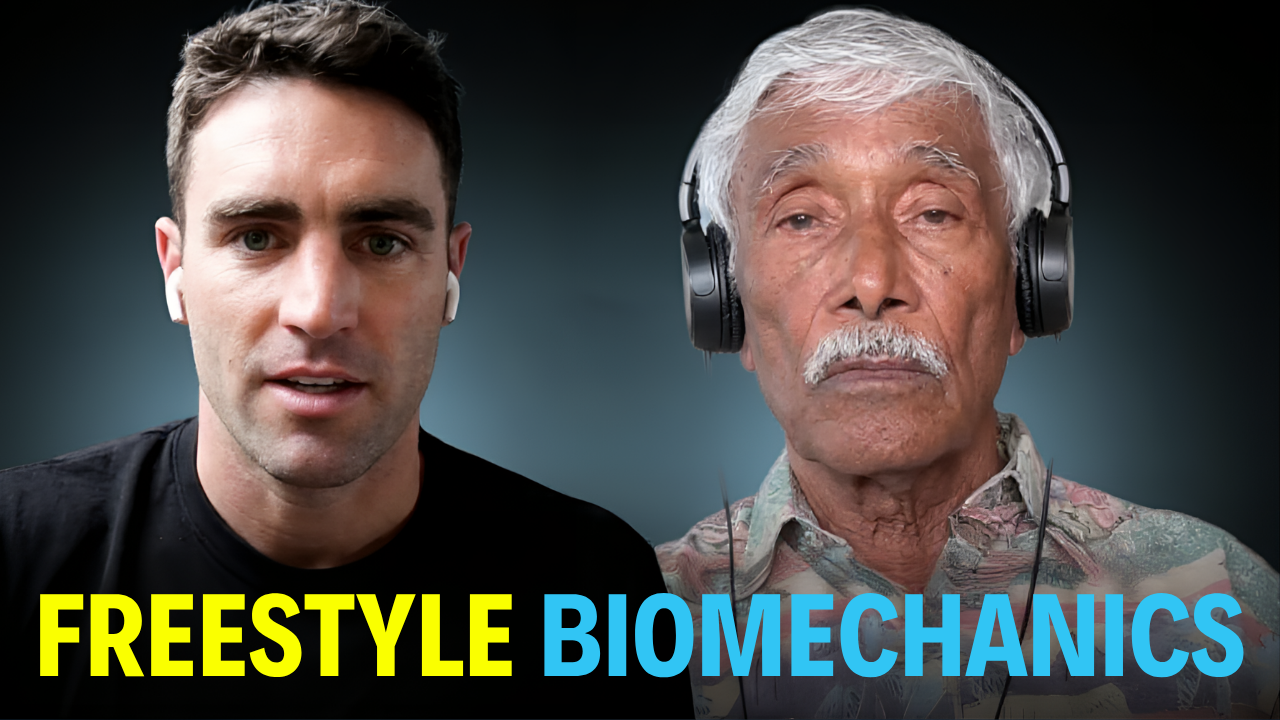








What’s the difference between athletes that succeed in swimming and those that don’t reach their goals? This podcast explores the differences.
If you haven’t listened to part 1 of Truths About Swimming, click here…

A group or squad can fast track your success.
If you are doing your training all by yourself, there is a good chance that you’re not pushing yourself as hard as you can. Studies show that if you are training with someone else your effort typically increases approximately 16%.
When you train with others, the sessions go faster, you have a lot more fun and you get a good gauge of other swimmers’ pacing. If you can find a friend or squad to join…even just once or twice a week, that is going to make a huge difference to your swimming.
A coach might be the answer that you are looking for.
Without some sort of guidance from a coach, you are probably missing out on a wealth of experience. A coach can shortcut your learning when it comes to what to do in your workouts, your technique, mindset and pacing.
When I began training for an Ironman I had no idea about cycling technique. Having a coach explain to me what I should focus on, what I should be thinking about, and the numbers to look for in my training sessions, I’ve got that fundamentals of cycling to think about. Now I’m not just going to each session clueless about what I should be doing.
Having a coach keep an eye on what you are doing and give you a couple of things to focus on can be the difference between a good race and a bad race. If you don’t have a coach looking over your shoulder you might want to consider The Effortless Swimming Membership.
In the membership:
- You can upload a video of yourself swimming for a detailed analysis
- You get exercises and drills to follow specific to developing your stroke
- You have access to workouts to improve your fitness, speed and technique
- You will learn how to develop pacing
- You learn about open water swimming skills for better racing
Having a coach help you in the lead up to your ‘A’ race for the season can save you time and improve your results.
Do you know your numbers?
You should have a good idea of your numbers. Depending on what you are training for, you should have a good idea of:
- Your PB’s
- Your target times
- What pace you should be holding in training for different sets
Have you written your goals by hand?
A lot of us keep our goals in our head. We’ve never written them down on a pen and paper.
It’s easy to type these things out or keep them in our heads. But as soon as we write it down on paper, then it becomes real.
I know people who do this every single morning.
They know exactly where they want to get. If they do this every morning, they are reminded why they are doing all those trainings.
Sometimes training can suck. Sometimes training hurts. Sometimes you don’t want to be there. But as soon as you remind yourself what your bigger goal is and why you are doing it…it’s much easier to ‘get it done’.
Write down your goals on a piece of paper and they’ll become a lot more real.
You are not going to enjoy it all the time.
If you are training on a regular basis, there are sessions that you don’t want to do. You might be fatigued, you might be sore, you might have better things to do, you might want to go to the movies instead, you might want to hang out with friends…
That’s the reality of working towards something big. It’s not going to be fun the whole time. As soon as you learn how to ignore that, that’s when the results are going to start to come.
See you next week for Part Three.
Transcript
Read the full transcript
Welcome to Effortless Swimming, the podcast for swimmers, triathletes and coaches. Join Australian swim coach, Brenton Ford, as he reveals the latest techniques and information to improve your swimming. Let’s dive right in. Hi, Brenton Ford here from the Effortless Swimming podcast. This is part two of The True’s About Swimming. This is a three-part series that we’re doing for the podcast. The first episode was the episode previous to this, so yeah, if you haven’t listened to that one yet, go back to it and listen to part one. So part two, let’s kick it off. So the part two about True’s About Swimming is a group or a squad can fast-track your success. If you’re doing all of your training by yourself, there’s a good chance you’re probably not pushing yourself as much as you could. There’s been studies to show that if you’re training with someone or a group, that you push yourself up to, say, the 16% or 18% harder than you would if you were training by yourself.
So not only are you probably not going as hard as you think you can if you’re training by yourself, but when you do train with other people, the sessions go faster. You generally have a lot more fun and you have a good gauge of other people’s paces and you get pushed a little bit extra. So if you can find a friend or another athlete or a squad to join, even if it’s once or twice a week, then that is going to make a huge difference to your swimming. Following on from that is a coach might be the answer that you are looking for when it comes to improving your swimming. So again, if you’re going about this whole thing by yourself without getting any sort of guidance from a coach, someone who has either been where you’re looking to go or has worked with someone who has been where you’re looking to go, then you’re probably missing out on a whole wealth of experience when it comes to what to do in your workouts,
how your technique should be, your mindset, how you pace things, the things that you focus on with your stroke. I know this coming from a cycling background. I’m trying to train for Ironman now and got no idea about cycling techniques. So just by having a coach explain to me what I should be focusing on, what I should be thinking about, and the main sort of numbers that I’m looking for in my training sessions. Now I’ve just got that base to fall back on, those fundamentals of cycling to think about. And now I’m not just going into each session clueless about what I should be doing. I’m just trying to train a coach, keep an eye on what you’re doing and give you a couple of things to focus on. It can be the difference between having a good race and a bad race. So if you haven’t got a coach, we have athletes who join the effortless swimming membership who will upload a video of themselves swimming so I can give them the feedback on their technique
and give them a couple of drills and exercises to follow so that they know what they need to focus on to swim faster through their technique. Then they’ll also get the fitness through the workouts that we have in there and mixing up the pace and doing some things that they may not have been doing if they’d just gone about it by themselves. Then there’s also the open water skills part of it. There’s the mindset how you should be pacing things. So if you haven’t got someone giving you that sort of advice, if you haven’t got that experience as a swimmer, then it pays whether it’s myself in the effortless swimming membership or another coach who might be local to you or a friend who’s been there before, I’m going to give you some experience and advice so that you don’t train for 6 or 12 months not knowing this stuff and then getting to the race and going through the mistakes that other people have made.
Get that kind of stuff before you go into your main event. The next thing is do you know your numbers? So you should have a pretty good idea of what your, depends on what event you’re training for, you should have a good idea of what your PBs are, what sort of pace you should be holding in, training for different efforts and different zones that you’re training in and you should also know what you’re aiming for. So let’s say you might have a 1K PB of 20 minutes. So you’re holding 2 minutes, 100 meter pace and over the next 6 months you’re looking to get that down to a 150 pace. So you basically want to have a good idea of what time you should be holding in training as you go through the next 6 months in order to achieve that and you want to know what sort of things you need to be doing in training to do that. So are you going to have to increase how many sessions you’re doing? Are you going to have to change your technique?
Are you going to have to become stronger or more flexible? So you want to know where you are now and what you’re working towards and how you’re going to go about it. And that follows into the next one which is have you written down your goals by hand? So a lot of us, we’ve got these goals in our head, we’ve got these things that we’d like to do in our head, we’ve thought about them but we’ve never really articulated them or we’ve never really written them down with a pen or pencil and paper. So it’s easier to just sort of type these things up or just keep them in our head but as soon as you put them down on paper, as soon as you write them down then it becomes a whole lot more real. It’s something that happens when you write things down by hand and I know people that will do this every single morning. They’ll write down what they’re aiming for and sometimes it’s a time that they want to do in an event, sometimes it’s a place that they want to get at a certain race
or they want to qualify for nationals but they know exactly what they’re working towards and when they do that every morning then they’re reminded why they’re doing all this training because sometimes training can suck, sometimes training hurts and sometimes you don’t want to be there but as soon as you remind yourself what this bigger goal is behind why you’re doing all this training then it’s what really gets you there, it gets you to do the work even if you don’t want to. So write whatever your goals are, write them down by hand on a piece of paper and it doesn’t have to be right and funny every day but as long as you’re reminding yourself that you’re doing this physically with pen and paper it makes a huge difference to something that happens with your mindset and what you’re thinking about every single day. The last one and we can kind of just touch on it there is you’re not going to enjoy it all the time
so if you’re training on a regular basis there’s sessions that you don’t want to go to you might be fatigued, you might be sore, you might have better things to do you might want to go to the movies instead you might want to hang out with friends but if you can push past that if you can ignore that you may not want to be doing this session if you can just get that out of your head just go there, make it part of your success habit and process then that’s what’s going to make the difference between getting what you want to get and not having a good race on race day so it doesn’t matter if you don’t want to do the things and if you’re not enjoying it then sometimes you just have to go and push out the session, you’ve just got to go and get there get it done even if it’s not that much fun so that’s the reality of anything difficult that you’re working towards is it’s not going to be fun the whole time but as soon as you can just ignore that
and get it done, that’s when the results will really start to come this has been part two of the three part series about swimming so let’s just quickly recap this episode there’s a group or a squad can fast track your success a coach might be the answer that you’re looking for when it comes to taking that next step with your swimming do you know your numbers so you want to know what you should be doing in training when it comes to your pacing and have you written down your goals by hand so you know where you are now and where you want to go to and last of all, training isn’t going to be fun all the time so sometimes you just have to get to the pool and get it done even if you’re not feeling good that’s it for part two, we’ll see you back in the next few days for part three of the trues about swimming