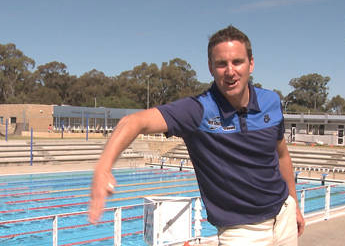









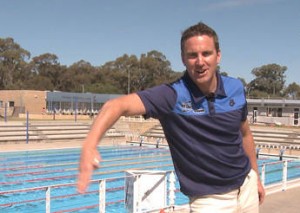
Paul Newsome is a knowledgeable swim coach who has:
- won the British University championship in triathlon
- swam the English Channel
- coached and worked with Olympic swimmers and triathletes
In this interview we talk about:
- The six different swim types (do you know what the fastest two are?)
- Does stroke count really matter?
- How hard should you work in training to get the best results in your race?
- What ratio of technique to fitness should you be doing in your workouts?
- What toys do you use in training to improve?
Check out SwimSmooth at www.swimsmooth.com.
BONUS: If you purchase any product from SwimSmooth, submit a ticket at EffortlessSupport.com and I’ll send you ‘Hell Week Workouts‘ as a bonus.
Transcript
Read the full transcript
Welcome to Effortless Swimming, the podcast for swimmers, triathletes and coaches. Join Australian swim coach, Brenton Ford, as he reveals the latest techniques and information to improve your swimming. Let’s dive right in. Welcome to this episode of the Effortless Swimming Podcast. Today’s guest is Paul Newsom from Swim Smooth. Paul, back in his younger years, was an electric athlete in Britain. He was the British University’s triathlon champion. He’s from the Rotnest Island swim, and he’s also done the English Channel. And he is the head coach of Swim Smooth, which operates out of Perth. So welcome to the call, Paul. Not a problem, Brenton. Nice to be here today. Some of the things I wanted to cover today were just the six different styles of swimming that you teach through Swim Smooth. Some of the differences between the sprinting stroke and the distance stroke. Some of the things that you like to do in training to work on technique.
And then just some of your favorite sets and some of the toys that you like to use in the pool. Absolutely. Sorry, Roy. To get started, just give me a bit of a background on Swim Smooth, how to get started and what do you do there? You’ve got a lot of products and you also run training squads there. What’s the background of Swim Smooth? Well, my own personal background is swimming since about the age of seven, competitively. I got into triathlon when I was about 16 years of age and studied sports and exercise science at Bath University in the UK. At that time I was part of the British world class performance triathlon team, which was great to be involved with. And I was very fortunate to be coached by some excellent coaches at that time. I moved over to Perth in the start of 2002, emigrated over here. So I’ve been here just over 10 years now, which has been fantastic. And when I first arrived over here, I was actually coaching the largest triathlon squad in Western Australia.
A club called Stadium Triathlon Club. And that was a fantastic place to get to find my coaching feet, if you like, and get into things. And really, Western Australia, as I’m sure the same with yourself, Brenton, over there over in Victoria, it’s just an absolute hub or a mecca for open water swimming, for triathlon, for pool swimming. Everyone seems to be into it these days. And over the years that participation has grown. And back in 2004, I decided that I’d quite like to actually put together a video for my triathletes within that squad to actually show them how to actually improve the efficiency of their stroke. And basically catalog a series of drills which we were doing at the time and still continue to do to this day to improve someone’s efficiency in the water. So Swim Smooth was sort of officially born, if you like, at the end of 2004 with the release of our first DVD, the Swim Smooth DVD box set.
And that continues to sell really well even today. The swim types, when you mentioned there at the start, the swim type system is something that we’ve been working on since about 2007, sort of middle of 2007, the end of that sort of period. And that was officially released in July 2010. So it’s about three years of work basically, went into the whole swim type system. And it’s sort of comical and lighthearted as we try to make it on the website. It has very much a sort of serious undertone in terms of trying to help other coaches and self-coach athletes recognize what it is, the fundamentals of what is holding them back in the water, how they’re different from other swimmers and how to actually get them moving forward. So yeah, swim types is really very much at the heart and soul of what we do now with Swim Smooth. And we’re very pleased within the last two years to actually have rewritten the entire swim coaching curriculum
for the British Traffon Federation over there in the UK. So they actually now are utilizing swim types and Swim Smooth or our methodologies basically for coaching their coaches and they have, I believe over 3,000 registered coaches over there which is a phenomenal number of coaches, you know. Oh brilliant. And for the swimmers that haven’t seen the different swim styles, basically the different kinds of categories of swimmers, people, not everyone has the same stroke but it’s the different kinds of techniques and strokes that each different swimmers and you’ve sort of put it down to six different kinds. I think it’s really good because it really classifies each type of swimmer really well and you can usually tell just by looking at your own stroke, you can normally fit yourself quite neatly into one of those categories and then you can go about changing or improving your technique based on the instructions that you give.
Yeah, that’s exactly right. We’ve been very firmly of the belief that different strokes from different folks, if you like, we recognize that we’re working with the sheer number of people that we’ve been fortunate enough to work with over the years that you get athletes of all different sort of backgrounds and abilities, different physical builds, etc. And even personalities play into this quite significantly as well and for the coaches that we coach now for our coach education system, taking them through the personality angle of each of the different swim types is quite interesting because I remember as a young coach myself being sort of fairly intimidated I guess by some of the swimmers that I was coaching, thinking they’re constantly questioning me, do they really trust what I’m saying, etc. Whereas other swimmers, you tend to have to take a little bit more of a gentle, subtle approach with them. Other swimmers want a little bit more of a technical conversation with you.
Some swimmers just want to get in there and have a good hard, solid session and they’re not too interested in the technicalities of swimming as long as they get a good workout. And I think it’s important that we recognize that. And I think at the very top level of the sport, really, we’re sort of seeing two very distinct style of swimmers. You’ve asked the question about what was the ideal sprinting stroke and the ideal distance stroke. Well, I think that’s still very much an individual thing. But within the swim type system, we have at the top of our table, if you like, we have two swim types. One we call the smooth, which is your classic smooth freestyle stroke, i.e., Ian Thorpe, Grant Hackett, Rebecca Adlington. That sort of stroke we look at and you sort of think, wow, that is effortless. It looks awesome, looks fantastic, looks very, very smooth. But on the flip side of that, we also recognize that many of the world’s best open water swimmers
and triathletes tend to swim with a much different style of stroke. Janet Evans recently has just tried to try it for the US Olympic team on a massive comeback and unfortunately she didn’t make it. But everyone will sort of recall her stroke has been very, very unorthodox at the time, very straight-arm recovery, very high stroke rate, many, many strokes per length. Ian thought maybe 32 strokes per length. Janet Evans around about 50. And yet for many people, they would sort of consider 50 strokes per length to be inefficient, whereas they have Janet Evans’ world’s best swimmer in her heyday sort of thing, really sort of going against convention and showing how it’s done. And more importantly, how the stroke actually worked for her. So again, it’s very much a question of horses for courses. And to very quickly do a brief summary of the different swim types, which can be looked at in a little bit more depth at SwimTypes.com.
We have our classic swimmer to start the swim types, which is the Arnie. And this is the sort of classic swimmer who looks like they’re actually fighting the water. They’ve maybe had a team sport playing background. They want to sort of get down the pool as fast as they possibly can. They tend to be having very, very low sinking legs in the water. This swimmer knows that if they grab a pool boy or pop a wetsuit on, it has a significant improvement in their swimming speed and their relative efficiency in the water. These swimmers need to work essentially on improving their body position, potentially slowing down their stroke rate a little bit and working on lengthening out their freestyle stroke. So the sort of conventional swimming coaching model, you know, lengthen out the stroke, slow down the stroke rate, can work very, very well for the Arnie swim type. Our next swim type is the Bambino. Now, Bambino is almost the lower powered version of the Arnie.
These swimmers aren’t quite so competitively driven, potentially, as the Arnie. They’ve also had very, very limited swimming background. They tend to have maybe sometimes even have a little bit of nervousness or fear of getting in the water. Their swim stroke is actually characterized by the fact that when they go to take a breath to the side, typically the lead arm will simply slip and drop down underneath the water, not give them any sort of support at all. It gives the impression that they’re almost like they’re climbing out of the water and everything just looks very, very panicky. And certainly within the squad situation, you know, the Bambinos are often quite nervous to actually attend the squad situation. That shouldn’t be the case, obviously. And by showing the Bambino what they need to do to improve the timing and rhythm of the stroke, then things can be really improved quite well. And Bambinos generally really, really enjoy the challenge of swimming
in a different sort of sense of the Arnie being competitively driven. Usually the Bambinos is very much into it for, you know, maybe sort of health reasons and just want to strive to do better for themselves. We have the kicktastic now. Certainly I remember as a kid going up through the British swimming system, you know, we used to do endless kicking sets and et cetera within the squad. So many kicktastics have generally got a strong swimming background. And they’ve maybe developed a stroke which has a very, very propulsive freestyle leg kick, but maybe is lacking a little bit in the catch department at the front end of the stroke. So they tend to resort to utilizing the leg kick maybe a little bit too much. And certainly for open water swimming and for triathlon, obviously conservation of energy from the legs is very, very important indeed. These swimmers are often the ones who, during a pool boy set,
if you give them a pool boy, they often slow down quite dramatically within the group. So the arnie often swims faster because the pool boy gives them a good better body position, whereas the kicktastic tends to swim a bit slower because they’ve taken away their leg kick. They also often find swimming in a wetsuit a little bit sort of awkward in that the buoyancy of the wetsuit can lift the legs a little bit too high in the water. So kicktastics often need to work on their catch development and improving that aspect of the stroke. And one fairly famous athlete that we work with, certainly within the Ironman fraternity here in Australia, is an athlete called Kate Bevelakwa. And she would have been a classic kicktastic when she first came to join in with the squad. And Kate has won a couple of Ironmans around the world, including Ironman Western Australia. And over the last 18 months, we’ve helped to get her Ironman time down from 62 minutes
down to 53 minutes, which has had a profound impact on how well she’s swimming and racing as well. That’s been a good challenge to work with. Our fourth swim type is the Overglider. Now, obviously, a lot of conventional swim coaching programs sort of purport that you should be trying to lengthen out the freestyle stroke as much as you possibly can, trying to reduce how many strokes you take per length in an effort to improve the efficiency of the stroke. But what we find time and time again is sometimes this advice is literally being taken way too literally. I had a chap at Challenge Stadium in Perth about a year ago who said, I’m just not getting any faster. I don’t know what’s wrong. I swim five times a week, do five sessions. I’ve been doing that for five years, sorry. And just before he set off for me to film him, he said, I still can’t break 25 minutes for a kilometer, so two minutes 30 per 100. And he said, I just can’t get it because I can do 28 strokes per 50 meters.
And that’s better than Ian Thorpe. Those were his words. Ian Thorpe taken around about 31, 32 strokes per 50 meters. And he said, I just don’t get it. Now, what was obviously happening with this guy, he was almost swimming a complete catch-up style of stroke. So the hands were just waiting out in front of his head. He was actually decelerating. Didn’t recognize that this was causing his legs to drop down in the water. And his stroke rate, strokes per minute, was 33 strokes per minute. Whereas Ian Thorpe would have been 76 strokes per minute. So when we see these great Olympians like Ian Thorpe, and it was a fantastic, I don’t know if you saw it Brent, in the ABC documentary about Ian Thorpe at the weekend, when you see his stroke, they often look like they have this very, very long, smooth, freestyle stroke. And they’re taking few strokes per lap. But there is a limit to how long you want to make that stroke.
And unfortunately, the Overglider, often being quite technically minded, wanting to do the right thing and very analytical in their approach, can push this angle a little bit too far. And unfortunately, end up having quite a sort of surgey stroke with a lot of dead spots or delays at the front end. It’s very classic to see this swimmer dropping their elbow and actually presenting the palm of the hand forward, creating a bit of a blocking effect when they do so. And that brings us on to our final two swim types. Obviously, I mentioned the smooth several times. So when we think of an efficient freestyle stroke, we often think of the smooth style. This style often suits pool swimmers. Very good pool swimmers. It’s classic high elbow recovery, relaxed shoulders, that long, smooth, efficient freestyle stroke. But the biggest single difference, I guess, between the smooth and the Overglider is that whilst the smooth is actually lengthening forward,
they never actually pause, stop, and do nothing at the front end of the stroke. That’s one of the reasons why we have a little term that glide is a dirty word. And essentially, what we mean by this is that many people’s perception of the word glide is to actually pause, stop, and do nothing momentarily at the front end of the stroke. And when you see the Olympian swimming, they do extend at the front end of the stroke. They do have that long, smooth freestyle stroke. But it’s important to recognize that they don’t actually pause at the front end. They’re actually setting up for a good catch, initiating the catch and starting to press the water back. And I’ve certainly seen some of your videos there, Brenton, with some of the elite guys that you’ve worked with over there in Victoria. And you can certainly see that within their strokes. They do have that sort of continuation, that flow and rhythm within their stroke.
They’re fantastic technicians, basically. So the smooth is a very, very sort of enviable stroke style. And what we often find, and this sort of came across a little bit in that in-thought documentary at the weekend, was that from a personality perspective, the smooth has grown up in the pool. They’ve been the envy of the pool, basically. But sometimes, maybe had a little bit of a time out of the pool. And sometimes motivation to get back in the pool and follow that black line up and down can be an issue for the smooth. Trying to sort of set new challenges as a coach, keeping the variety there, trying to make something new and exciting for the smooth is the key thing to really work on. And we do encourage quite a few of the guys who have actually sort of finished their pool swimming careers over here to maybe look at the prospects of taking up trial form or open water swimming. Our own Mr. Smooth, Jono Van Hazel,
who we used as a base for the animation, Mr. Smooth, he went to the Athens Olympics for 50 freestyle, a great freestyle stroke. And now we’re just trying to challenge Jono with a few Ironmans and stuff and do something completely different. And that really engages him once he gets into that, which is great. And then, obviously, finally, the final swim types, the Swinger, often suit slightly shorter swimmers, shorter stature, shorter arms. I’m personally a Swinger myself. Years and years ago in the pool, I used to feel like I could never really get a good sprint. I never seem to be very good at 50 or 100 meters freestyle. But given the opportunity to do something longer, like a 400 or 1500 meters freestyle, I seem to be significantly better at those distances. But obviously as a kid growing up, 10, 12, 13 years old sort of thing, very rarely do you actually get the opportunity to do that. And sometimes some of the Swingers out there
who may be younger kids sort of thing, who don’t really excel in the sprint distance at fraternity can sort of like get overlooked a little bit. We want to sort of make sure that those guys get encouraged as well through the system. So characterizing their stroke is a much straighter arm recovery, typically, often a two beat leg kick, a much higher stroke rate. So typically, whereas in the sport, might be 76 strokes per minute, some of the world’s best Swingers and those guys winning the world, winning the 10K marathon championships, et cetera, 10 tab stroke rates in excess of 85 to 90 strokes per minute. So it’s quite a jump up. This gives them a little bit more sort of fluidity and rhythm in rougher conditions. So swimming through chop, et cetera, can really help them in those situations. Yeah, it’s funny as you go through each of those that, as you describe each one, I can think of one, you know, I can think of a swimmer that fits that category.
So yeah, it’s really well done with the classifications of the swimming styles there. And in relation to the DN thought documentary, it was really good and really interesting. And one of the things that he spoke about was he’s needing to change his stroke to become a 100 and 200 metre freestyle instead of a 400 freestyle. And what are some of the common things that you encourage people to do when they’re training for sprinting? Absolutely. Well, first off, I should probably point out the fact that I primarily deal with distance freestylers, you know, for pool, open water and for triathlon. But in terms of the sprint stroke, then obviously one of the things that Thorpey mentioned on the documentary was how he was actually trying to change slightly the rhythm of the stroke. So some of you listeners will probably be familiar with the term front quadrant freestyle swimming. So basically the concept of always having one hand
out in front of the head at any one point in time, Thorpey was explaining how he used to, as a 200 and 400 metre freestyle specialist, used to have almost that sort of catch-up style freestyle stroke, but obviously when you view it in full motion, he’s never actually pausing at the front end of the stroke. And what he was explaining with his coach, Gennady Torecki, was that he was starting to look at what would be classified as more of a rotatory freestyle freestyle stroke. So basically engaging the catch just a little bit sooner, allowing the stroke rate to obviously come up a little bit higher and, you know, obviously effectively the length of the stroke would shorten down just a little bit. But what’s really interesting about that is when you actually put, you know, the world’s best sprinters up alongside the world’s best open water swimmers and triathletes, it’s often, and we do this in all our clinic sprints,
and it’s often the specialist distance freestylers which often appear to look like they’re the sprinters. Those are the guys tending to have that sort of higher stroke rate, as I mentioned, the swinger style and the sprinters, something like John Ovan Hazel, appearing to look like they would go on forever. But in fact, they’re actually specializing in the shorter sprint distance events. So it’s quite interesting to sort of see when you look at it like that, you know, obviously we use the term, you use the term yourself, obviously effortless swimming. That’s obviously for the sprinters, whilst they look, you know, something like John Ovan Hazel looks very effortless, obviously we have to remind ourselves that he’s not actually effortless, he’s putting in a lot of effort there to actually generate the proportion that he needed to swim at world-class speeds, et cetera, you know, but there we go. So yeah, that would be one of my takes on that,
but I think that really, again, the difference between the ideal sprinting stroke and distance stroke, we see, when we see the Olympics in a month’s time, which I’m going over to the UK for, you know, when you line up in the final of the 50 meter freestyle, the final of the 100 meter freestyle, the final of the 1500 meter freestyle, in those eight lanes, you’re going to see eight different strokes, you know, the swimmers optimising their stroke for their own abilities, their own background sort of thing, their own height and build, et cetera, et cetera, and that’s what you should really be looking for, and I think one of the biggest things which I’d encourage everyone to look out for at the Olympics is odds on favourite for the men’s 1500 meters will be Sun Yang from China, who’s currently training over on the Gold Coast there. He broke earlier last year, he broke Grant Hackett’s world record for the 1500 freestyle,
he is your classic smooth, very, very long smooth freestyle stroke, I believe he’s six foot eight or something, taking around about 28, 29 strokes per 50 meters and a stroke rate of around about 64 to 66 strokes per minute, you know, really cranked it up in the last 100 meters, but in that same event where he won the world championships, sorry, set the world record, the women’s winner of the 800 and 1500 freestyle, which is a special event for them there, it was a lady called Lotta Fries and her stroke style couldn’t be any different, it couldn’t be, sorry, it couldn’t be more different than Sun Yang’s, and she was swimming with a much shorter stroke, much higher stroke rate, a very sort of classic swinger style, so it’d be interesting to sort of watch all those swimmers and just sort of, as a swim catch, I always get asked a question, well, if he swims like that, well, why shouldn’t I swim like that, it’s going to work for me, et cetera,
and it’s about sort of recognising what’s working, obviously, for that individual swimmer and then just sort of taking an interest in that and looking at the differences as well. Yeah, that’s exactly right, each swimmer will have a different technique depending on their size, their shape and what their strengths and weaknesses are with their swimming and you’ll see Sun Yang, he’s got one of the longest strokes I think you’ll ever see, it’s just got a beautiful freestyle, but that’s obviously not going to suit everyone and some people need a higher stroke rate with less kick and that’s one of the things I want to talk about too is that with your work with distance swimmers and triathletes, what are some of the common things that you teach them to do in order to swim a 400 metre plus race?
Well, certainly obviously looking at the, we tend to look at the balance between the amount of technique work that they’re doing and the amount of pure fitness work that they’re doing and also if they’re racing in the open water, what sort of combination of open water skills are actually throwing into the equation as well? We find that many swimmers come into the sport, the classic thing for a swinger to do for example is to only focus on the hard work because they’d like to actually get that burn and very rarely we find some of the master swimmers that we work with, they’re not really interested in doing drill and technique work but obviously trying to actually tune up and pull through for example for the swinger can be a very, very beneficial thing and watching out for things like shoulder injuries because of a slightly more ballistic recovery action over the top of the water that can really help. So those guys tend to be a little bit more
skewed towards the fitness angle sometimes they like to sort of get on with it and get on to a hard session whereas on the flip side of that there are a lot of swimmers out there who’ve been taught, primarily the overgliders who’ve been sort of taught they should only focus on technique and don’t sort of practice any hard work or don’t practice any sort of struggle if you like until the technique is really honed but unfortunately what we tend to see then is that these swimmers tend to become what we affectionately know as technique hermits, so they just literally do drill after drill after drill 25 meters, drill stop, think about it for 30 seconds, drill 25 minutes 25 meters stop, about 30 seconds so clearly between those two swim types there can be a lack of what’s the word, balance between good technique work and attention to detail for the stroke and also appropriate fitness training as well so that’s one of the things
that we sort of really consider when we’re coaching the guys for distance freestyle swimming and just ensuring as well I suppose one of the key things that we work on over here Brenton on a weekly basis is sort of showing somebody identifying what their threshold paces for 1500 meters and then showing them how they can actually work with that identify that pace and then work with it to actually encourage better pacing over a longer distance because that can certainly have a profound effect and I know myself the world’s biggest hypocrite when it comes to pacing I stand there on the pool waving my things saying you’ve got to pace yourself better and yet when it comes down to the crunch and the competitive drive kicks in I’m as bad as anybody at trying to control that but equally when I’ve had my best races it has been because I’ve controlled that pace awareness and certainly for building up the English Channel last September that was a very
very important part of my training program for myself yeah that’s not an event that you want to go out too hard in is it? no especially when you’re done no idea how long you’re going to be out there for I got a really bad day we had a 35 knot headwind across to France the whole way and a 3.5 meter swell so it was very very nasty conditions I was hoping I was in very good swim shape just from 25Ks in 6 hours before the event I was hoping for in good conditions I’d get across in a round about 9 maybe 9.5 hours but it took me over 12 hours to get across there in those conditions you just never know what you’re going to get when you get out there and sound a little bit like Forrest Gump there but you literally never know what you’re going to get when you’re out there and even something like we’re fortunate to have the world’s largest channel crossing event over here the Rotness Channel Swim a fantastic event if any of your
Victorian listeners are over there interesting coming over for it even with an event like that the difference between a good day and a bad day even for the fastest swimmers can be about 45 50 minutes and when you’ve got these goals and trying to break your time and stuff they can rapidly fly right out of the window without too much hard work at all yeah that’s right some of the guys that I’ve coached in the past Oliver Wilkinson she’s okay yeah and fantastic swimmer he just did the Lido 42.2K swim at the Lido pool in the UK just to raise money for the pool was that Tooting Beck Lido was it or was that Watte? was it the Tooting Beck Lido? I’m not sure there’s a couple of them down there in the London where Oliver won the he was second at the Rotness Channel Swim in 2011 I believe I think he was awarded swimmer of the year I think by H2 Open Water Magazine last year as well oh right yep didn’t he also set the world record for the Manhattan Island swim last year?
yeah he did that’s right so yeah a fantastic swimmer I’ve never actually met Ollie but hopefully we’ll at some point we’re hoping to do the Manhattan Island swim ourselves about a group of six or seven of us if we get selected for next June that’d be awesome that’d be a great race pretty big distance but you’ve got the time with you which makes it a bit easier that’s right that’d be awesome back to the pacing side of things in our training we like to do a lot of build efforts so you can kind of judge your pace you can get a feeling for how hard you need to go to get that kind of pace and you realise once you get to the very high end of your pacing where you’re working quite hard the improvements are quite small compared to the amount of effort you put in so if you can find that kind of happy medium where you’re not working too hard and you’re not increasing the lactic acid build up but you can still hold those fast times
without burning yourself out that’s the kind of pace that you want to practice definitely, definitely there’s a page on our website which talks about critical swim speed so basically the identification of exactly that point that you’re talking about there Brent’s fresh old pace for about 1500 metres and when people start to identify that it’s very simple to identify you don’t need to do a crazy black tape analysis sort of session or anything like that you just do a 400 metre time trial and a 200 metre time trial and the 400 looks at the aerobic components of your fitness and the 200 more the anaerobic components and this is a system which has been tried and tested since the early 90s on the website you’ll see that you can actually just plug in your 400 and 200 time a pace per 100 metres which is essentially the pace that you’re talking about there or what we call critical swim speed and when swimmers first start working with that like you say
it almost seems like it’s a bit slow to get beneficial improvements over time but especially for the swimmers sort of being used to more sprint based training doing lots of sprints 50 metres, 100 metres with 30 to 45 seconds rest between each one whereas proper threshold type training sessions should be much much shorter recoveries working around that pace they only start to become really quite solidly hard after around about a 1000 metres so every week we have a session which is totally dedicated to working towards that pace and last year sorry early on this year we put through 128 swimmers in the squad we identified their threshold pace at the start of 10 weeks just after Christmas and then every week we try to actually make that speed 0.5% faster which only equates to around about 2 tenths of the second per 25 metres using a finished tempo trainer the swimmers were encouraged to hold at a slightly faster pace each week
so marginal was that improvement that they hardly even noticed it each week as they were getting fitter and faster etc across the group we saw an average improvement of just on 3% basically in their threshold pace which over 10 weeks is a substantial improvement like you say it’s a great pace to sort of think of as your base pace for a hard session obviously that’s not to deter you from doing intervals faster than that or working pace is slightly slower than that but it should every athlete or every swimmer should really know what that pace is and use that as a bit of a benchmark that’s a really good note pace to be specific in your training and know what times you’re working towards we do a lot of stuff targeted towards the 100s and 200s because we’re more competitive pools club but we like to work towards your 100 back end speed or your 200 speed so the last 50 of your 100 you want to target that time so we might do say 1050s
on a minute 30 so where you’re getting more rest but you need to hit that 100 back end speed totally yeah you’re totally right like I say the majority of the swimmers in my squad are looking at longer distance stuff so have we developed the program a little bit more like you say in there for like 100s and 200s then we’d be following a completely different sort of program but like you say Brent and it’s important to sort of identify what distance you’re going for the specificity of that I remember as a kid maybe on some of the sessions I would be doing I had been specialising more on the longer distance stuff then some of the shorter faster stuff wouldn’t have worked and vice versa there’s no point doing all the long steady stuff if you want to be sprinting so it’s about getting that balance and addressing that balance correctly yeah that’s it and that kind of leads us into favourite sets what’s probably your favourite distance set that you like
with some of your triathletes and open water guys yeah I actually wrote a blog about this last week we called it the red mist set and it’s not a set which I’ve created but basically the term red mist came because the guys tried it last week and it’s a set which I personally do every Monday morning by myself and it’s simply 10 times 400 meters arguably the world’s most boring swimming set but one which is very very challenging especially if you get the pacing absolutely spot on so we called it red mist because during that session we had about 36-37 people down to that session there were a lot of grumpy faces during that swim people getting snappy and irritable with each other and stuff and basically when you put yourself under pressure like that to do a really challenging distance freestyle set you’re going to feel like you’re right on the rivet like that and that’s essentially what happened during the day so I decided to call it the
red mist set and essentially it’s a series of 10 times 400 meters with approximately only 20 seconds rest between each one and the way I do it personally is I’ll do the first four 400s at a pace of 120 per 100 I’ll then do the next three at the pace of 19 per 100 the next two at 18 per 100 and the last one at 17 per 100 meters and I’ll get around about 15-20 seconds rest between each one so there’s not a lot of rest and recovery at all and it’s as much of a psychological set as it is a as a physically hard set basically and you’re sort of trying to manage your stroke you’re trying to maintain the best possible technique and format you can do throughout that set so it’s not to actually drop off and I’ve been personally I’ve been doing that for years and years every Monday morning that’s what we used to do over at Bathy University and I used to personally absolutely hate it and dread it and not want to do it whatsoever but it was simply because
it was a weaker area of my own performance at that time you know growing up with more of like a sprinting background I hated doing the distance stuff because I wasn’t very good at it and I found like my pace would drop off but now I sort of relish that challenge and sort of recognising the fact that maybe back then I wasn’t particularly pacing myself well maybe my stroke was falling apart maybe I was setting off too quickly etc so that’s one of my favourite distance freestyle sets it’s very basic you know and it’s certainly like say it’s not something which I’ve invented it’s something which coaches have been using for years and years but it’s very much when you speak to most distance freestyle it’s very much at the cornerstone something anyway between 10 and 15 400s at around about that sort of pace you know which would equate to on the first set of four about your threshold pace plus about six seconds per hundred
so for me at the moment threshold pace being around about the one 14 per hundred marker so plus six seconds one 20 per hundred and then sort of working down from there in terms of the favourite sprint set again this is not one of mine it’s one which we’ve which I’ve been doing for years and years and years passed on through the coaching coaching fraternity if you like supposedly this was a Grand Hackett set and I’m not sure if that’s true or not but it’s basically a series of 40 times 50 metres and it’s a speed set but it’s also a speed endurance set because basically the set itself is 40 times 50 metres broken down as 16 times 50 metres where you have to make the very tight turnaround time and on every fourth interval you need to try and sprint and because of the tight turnaround time on that first set of 16 which you know would be let’s say turnaround time of 45 seconds so you may be getting 3 or 4 seconds rest between each one
the difference in your speed between just making it and actually sprinting is going to be very very limited but the next 1250s you then add 5 seconds recovery but you sprint a little bit more frequently you see you sprint every 3rd 50 metres we then do 850s add another 5 seconds recovery but you sprint every second 50 metres and then finally finish off with 450 sprinting every one and by that point you’re adding 15 seconds total of 15 seconds extra to the recovery time to allow you to actually get faster as you go throughout the set so that’s one of my favourite sets not a pure sprint set like say if most of my swimmers were more in the bracket of 50 to 200 metres competitive swimmers then we’d go for a lot longer recoveries we’d need to go a lot faster than that but that is quite a nice little sprint set to throw in there and challenge the swimmers definitely. Yeah we do something very similar to that where we do depends on how much time we’ve gotten
things like that but we’ll do anywhere from 30 to 50 50s and we’ll usually have them all on 50 but we might go every 4th one fast and then we’ll go every 3rd one fast every 2 and then every one and it is good for that open water because you need to be able to sprint when you’re doing open water to make a break or to stay up with the pack or get on someone’s feet you still need that speed you can’t just have that slow aerobic pace you need that speed as well. Yeah definitely and that’s particularly true at the pointy end of the field doing some video analysis and work with a swimmer over here called Reece Maidstone who won the Australian 10K Championships at Champion Lakes over here in WA. We don’t actually coach Reece but we’ve been doing some work with his coach Mel Tantrum and we I’m very much a gadget geek and we got Reece to actually wear a Garmin GPS underneath the swimming cap during the state 10K Championships
which he won quite convincingly he won the 10K, his average pace was just under 107 per 100 meters for 100-100s in a row for 10Ks which is just just incredibly quick but what was really interesting was the first couple of 100 meters they set off 104s, 104s and then it slowed right down to about 115s per 100 meters you know and there was a group of maybe about 15-20 guys all still together and then at the 5K marker Reece and Trent Trent Grimsey, sorry yes I apologize to Grimsey Trent for not remembering his surname though but fantastic swimmer but the two guys we were actually filming them at the same time and Trent came through at the 5K marker with Reece right next to him they’d made a little bit of a surge break by themselves and I’ve actually got it on video with Trent actually turning to Reece and he said come on Reece let’s work together and you see them actually drafting off each other for that next five kilometers and it’s fantastic
but when we look back at the data the way they actually forged that gap from the guys behind them at the 5K marker was they put in a period of 450 meters at an average pace of 102.5 per 100 so I just smashed the guys it just absolutely smacked them around basically you know they’d been swimming for the best part of an hour and then all of a sudden the two top guys in Australia smacked them for 400 meters and one’s gone, like it’s carnage behind them basically and then they obviously worked together, they settled back in and then the final lap is just them two going head to head against each other and on that occasion Reece beat Trent but it was literally by a couple of hundredths of a second so it was a fantastic event to watch and like you say at the point in the field those guys definitely need to know how to surge and cope with that yeah and that just goes to show you need to be able to pick up your speed within a race
especially if you’re picking it up by 30 seconds over 100 yeah absolutely, it’s incredible basically those guys if they were doing a time trial by themselves then arguably they would just sit at a constant pace Reece would probably just average out 107 per 100 meters but when it comes down to the competition trying to get people off your feet etc then that’s the deal and thinking back to the Beijing Olympics with Davy Davy’s leading out pretty much 9000 and about 800 meters of the 10,000 meter swim you know with everyone else drafting behind him unfortunately he just didn’t have that turn to actually shape them off his feet and when drafting gives you anywhere up to 38% of the energy savings it’s very very hard to actually break somebody without a massive surge like that and Reece and Trent were clearly able to do that in the state championships and then you said you were a bit of a gadget geek what are some of the toys and accessories
that you like to use in training well we I’m hoping you don’t mind me endorsing a company here but one of the companies that we really find their gadgets to be very very useful is the company called Finesse or Finesse depending on how you want to pronounce that they’re based over in California they produce some really good training tools etc often independent coaches have come up with some of the ideas for developing these products and they’ve gone to Finesse and they’ve helped them take those ideas even further so in terms of what they do and what we like arguably one of my favorite pieces of tools is the Finesse Tempo Trainer Pro this is a little gadget which allows you to work on things like stroke rate and also your pacing as well so the sets where I was mentioning earlier on you know where you’re trying to sort of pace yourself out at exactly 119 per 100 meters that breaks down to a pace of 19.75 seconds per 25 meters
so all I do is I simply set it to 19.75 stick it underneath my cap wait for it to be set off and each 25 meter mark I just make sure that I’m actually there on pace each time and for somebody like myself who like I said before who has that competitive urge to go too quick too soon it’s a great controlling agent in that respect so we love working with those I also like the Freestyle paddles which are shaped like an arrow head with a single strap for the middle finger these paddles themselves over the years have had a bit of a bad reputation for causing shoulder injury whereas in actual facts it’s not usually the paddle that causes the injury it’s poor technique combined with the resistance of a larger surface area of the paddle especially when it’s absolutely binded to the palm of your hand with millions and millions of straps so the spear paddle of the Finesse Freestyle is great because unless the hand enters into the water correctly
it has a tendency to fall off it’s a good feedback mechanism for the swimmer to ensure that they’re getting that hand entry correct into the water what else do we like we encourage all our swimmers to have the essentials like Finsse we do a lot of Finsse work we don’t do too much specific pure kicking work but we do a lot of work i.e. kicking on the side and those sort of things which actually develop the swimmer’s kicking ability and efficiency especially if they’ve got stiff ankles using the flippers to help to promote the ankle flexibility works really well we find and again like i said for most of my swimmers the more distance freestyling so i’m not really looking for an overtly propulsive freestyle leg kick in that sense pull boy standard piece of kit i guess and what else there’s a new paddle that Finesse just brought out called the agility paddle i don’t know if you’ve seen that but it’s quite a cool paddle in that it’s got a slot for your thumb
to slide through so there’s no straps it’s designed similarly a similar sort of concept to the Frey freestyle in that if you’re doing something wrong with your stroke it’ll fall off and feel really bad if you’re doing something right with your stroke it’ll feel fantastic and this is working aimed to work specifically on the high elbow catch underneath the water and we really like those paddles as well yeah some good toys do you use a snorkel at all yes i do depending on the again what you’re trying to work on with the swim one of the things i like about the snorkel and also just simple sets like many coaches call it hypoxic breathing breathing three five seven or even every nine strokes we try to encourage the swimmers not to hold on to the breath when they’re doing that and obviously if they’re wearing a snorkel then they can just sort of breathe freely whenever they do but one of the nice things about the snorkel
and those longer infrequent breathing sets obviously focus on the stroke a little bit longer before they go to take a breath in and sort of disrupt the rhythm of the stroke and what we often find and I’m sure you find this yourself Brenton is that if there’s going to be a point in the stroke when the stroke will fall apart it’ll always be when the swimmer goes to take a breath, usually drop their arm or push down against the water or the legs will scissor kick apart or cross over in front of the head most of these inefficiencies that we see on a daily basis always occur during that breathing phase so using the using the snorkel it’s not designed to obviously mask that but it’s designed to allow the swimmer to actually just have a continuously uninterrupted period of time where they can focus on things like body rotation and the catch and those sort of things and similarly with the in inverted commas the hypoxic training sets as well
they can work on that I’ve just made almost of me get a snorkel this year because we use them in a kick because we did quite a bit of kick for our speed work but it’s also good for doing some drills like a single arm freestyle where the swimmer doesn’t need to breathe and just really concentrate on what the drills designed for totally, totally, yeah we do find, we obviously find and I’m sure some of you swimmers find this as well that some swimmers feel a little bit claustrophobic with them especially if they’re a little bit less advanced in their swimming capabilities yeah they have trouble having trouble convincing them to use at the moment for some of them they just don’t like their feeling or they haven’t gotten used to it yet absolutely it’s definitely just feel a little bit claustrophobic in there but yeah once a swimmer breaks through with that and just learns to relax a little bit with it then it can really help and obviously things like nose clips
and stuff can assist if the coach wants to to utilise those yeah that’s right and then the other thing I wanted to ask is what kind of ratio do you like to have between fitness and technique in your training sessions do you vary based on your swimmers or what they’re training for that’s a really good question and that’s really the basis of my self-plug here we just published our very first book the complete guide to swim coaching for triathletes and swimmers swim smooth basically and the book is actually split up into three parts basically the first main part of the book sort of focuses primarily on the technical aspect of freestyle swimming and how to develop that the second part on developing swim specific fitness and then the third part developing open water specific skills so within any training session that we do here in Perth I always encourage the swimmers that there will always be a certain percentage of each of those aspects
within a given session but then on a weekly basis we have 12 squad sessions over here and each one has a different focus for example tomorrow morning I’ll be turning up and taking the guys for a longer endurance session something similar to those 10-400 that’s primarily focused on the half Ironman guys and the Ironman athletes and those swimming open water so tomorrow’s session will be primarily focused on pace awareness, pace judgement but it’ll be primarily a harder physical training session so the actual pure technique work that we do in that session my drills will be very very limited but the amount of physical training will be much much more of a focus whereas compare that with a Monday morning we do very little continuous freestyle swimming although it will be there as a proportion maybe 20% but 80% of that session will be primarily drills work on developing form and technique etc so like I say every session that we do
we try to have a percentage a certain percentage of each of those three aspects but each session depend on the goals of the swimmer of the session etc just very slightly but one of the nice things about the squad is that we keep all of those sessions the same each week so the session itself will be different but the focus of each session will always be exactly the same so the swimmers know exactly what they’re going to get when they turn up and correspondingly they can choose or be guided by myself about which session is going to be most appropriate for them given their goals and aspirations etc yeah like that and that’s what we’ve done with the our squad as well Monday is normally our distance day Wednesday is sprint Thursday and Saturday are a mix it might vary just depending on what competitions we’ve got coming up if the swimmers know what they’re going to expect when they get there then they’re more mentally
prepared for the set and you get the swimmers who want to be there more than the ones who turn up they’re just solely sprinters and they don’t want to do distance that’s right it’s a good way to do it I think definitely I mean it obviously makes sense to do it like that and again I think back to the times when maybe being a squad where that hasn’t been the focus on maybe the coaches tried to have every single session completely different almost hoping that the variety will give people more enjoyment but sometimes too much variety like that can just sort of seem that the program itself as a whole is a little bit disjointed without any clear focus and like you say having the attitude for a given training session is so so important like you know if the guys turned up tomorrow morning thought they were going to do a technique session and I hammered them with a longer harder red mist sort of session then they’re going to be pretty upset
and some of them probably won’t complete the session and vice versa obviously yeah that’s it and the same goes with depending on what the set is but I like to sort of let them know if it’s going to be quite a challenging set I might let them know a few days in advance what the session actually is so they can get themselves prepared for it and that’s what we did with we had a hell week where we sort of up the intensity and up the distance for a week and just really push ourselves for one week of training and I told them I gave them the general of each of the sessions before they got there so they knew what to expect and they came there ready to work hard for a specific part of their fitness I like that a lot Brent having that attitude sort of thing and knowing what you’re up against I think it’s so so important for that preparation especially like you say with a hell week like that they know it’s going to be hard how hard it’s hard and just being prepared
for it psychologically can make all the difference obviously you’re going to get a few swimmers who are going to be a little bit intimidated by knowing what’s coming up and some swimmers just you might hand them, tell them what they’re going to do or send them an email they might choose not to read it because they prefer not to know but obviously that’s then up to them and I personally also feel like it’s important to be prepared for a specific focus like that the Thursday session that we did was a 10k session for the faster guys so I told them two weeks out I said look Thursday, hell week it’s going to be a 10k session just come prepared and we got I think the turnout was 10, 20% more because people just enjoy the challenge they knew what was coming and the completion was huge we had pretty much everyone pretty much everyone who turned up they made the distance that we set out to do so it was awesome to watch yeah, totally
it is amazing when given that challenge when I first set up the Wednesday session this red mist session has only been running maybe about the last three years out of five that the current squad has been running so when we introduced it I wasn’t sure whether or not it’s going to be popular at all because I thought if I advertise it’s going to be hard, people are not going to want to turn up and do a hard session so in complete contrast it’s now our most popular session of the week because people sort of see the value in it they can sort of see how it complements the other technique work that you do during the week and like I was saying before it’s important to get that balance right drills and stuff drills and pure technique work are going to only take you so far just like pure fitness work or thrashing up and down the pool sort of thing will only take you so far it’s important to get that nice balance between the two and open all the skills
as well if necessary and you touched on some of the products that you’ve got available through SwimSmoothWatt where do you recommend most people start? it’s a good question I mean certainly having a browse at the Swim I mean I’ll make the website we’ve got a lot of free information on there for people trying to identify what they can do to make a bit of a difference each week we blog through our fieldforthewater.com website which we’ve currently got 66,000 subscribers on that it’s a huge blog list that goes out every Friday afternoon and we send out like one tip a week basically on that it’s maybe something that I’ve been working on over here in Perth and we decided that would be a useful focal point for people to work on over the next week that’s some sources of free information we’ve also got the SwimTypes website SwimTypes.com which is worth looking at and trying to identify your type looking at the videos we’ve just put up a new
YouTube clip for each of the SwimTypes which is like a what’s the best way like a summary of each of the types just sort of showing how the stroke sort of interacts and sort of see that you’ll recognize yourself in one of those SwimTypes but in terms of other products we still have the SwimSmooth DVD Boxset which contains an 8 week training program in there we have more recently released the Catchmaster class DVD which primarily looks at the catch phase of the freestyle stroke and that’s all shot over here in Perth in beautiful HD footage we also have a Learn to Swim DVD for those people who are just purely new to swimming and have never maybe sort of stroke of freestyle before we’ve got training plans, waterproof training plans on the website which are primarily focused at triathletes, building up for either sprint distance or half or full Ironman distance triathlon we also sell a select range of training tools primarily from Finnis which we’ve
tried and tested it’d be very easy to turn the whole website into a SwimShop but we want to ensure that the type of products that we offer out there are products which I’ve personally used, my squad have personally used on a day to day basis and they’re products which work so you’ll notice that we don’t have the complete range of certain manufacturers stock and it’s purely because we’re only putting out there what we truly believe is working for the swimmer and that’s fantastic and I think that’s the best way to prove something works is to just go through it yourself and only teach what you do and that’s exactly what you guys do which is fantastic so feel for thewater.com for weekly free tips and then you’ve got your SwimTypes.com to find out which type of swim you are and then what plan of action to take to go to improve it and then SwimSmooth.com has got the range of other DVDs and the toys and accessories that you
promote there. That’s right and that’s got a whole section SwimSmooth.com forward slash know how and it’s basically like a resource if you like for swimmers just sort of wanting to know general information about what makes an efficient freestyle stroke and give them some tips and ideas on how to improve their training aspect etc and really the book which we just published through publishing company Wiley & Sons from New York that’s very much like a bringing together of all the resources it includes the swim types it includes our focus on technique and training and also open water skills etc and it’s also got a very comprehensive training program schedule at the back of the book and the appendix there which encourages, we’ve basically gone through and sort of identified our six very best warm-up sessions, our six very best build sets, our six very best endurance sessions and the swimmers are actually encouraged to sort of select
one of the six warm-ups, one of the six build sets one of the six main sets and piece them all together and in theory that should give you over 5,000 different training sessions if you all the different combinations and each of those six swim sessions there’s one specifically tailored towards the audience, one specifically tailored towards the over gliders etc etc so we’re getting some really good feedback about that, it’s only been out two weeks and it’s already, it’s gone to a second print run and sold out to Amazon so we’re very happy about that so but check it out on the SwimmersMove website we’ve still got a few copies over in the UK to post off to people awesome and if anyone listening this wants to buy a copy of any of your products then just send me an email at effortlessupport.com and I’ll throw in a bonus it might be how we work out I’ll put together a list of things that I can add in as a bonus for anyone who buys any swim smooth
products because I think you guys are doing a fantastic job, I’ve watched a lot of your YouTube videos as well and I see you do a lot of really good analysis of triathlete strokes and just put them up and talk people through some of the different things that they’re doing and they’re really educational so I think you guys are doing such a great job and I highly encourage everyone to go and look at your website Thanks very much Brent and that’s very much appreciated and mutual respect to yourself mate with what you’re doing over there in Victoria Yeah thanks Paul and if anyone wants to get in touch with you how do they do that? They can contact me directly through my email address which is just simply Swimsmooth or rather Paul at Swimsmooth.com so that’s probably the easiest way but we also have a chat forum as well so all our registered coaches etc all contribute to that forum so that’s just simply Swimsmoothforum.com
so that’s a good way to sort of ask questions within the Swimsmooth community if you like and we’ve also got you can follow us on Twitter as well Swimsmooth Paul is my tag thing, I’m getting quite into Twitter these days it’s probably a good source for just putting up ideas that I’ve maybe had over a training session or occasionally we talk about other things like the Tour de France and current affairs and those sort of things but it’s a great medium that’s for sure Awesome, thanks again Paul and it’s been a pleasure chatting with you Not a problem at all, thanks Brent Thanks for joining us on the Effortless Swimming Podcast for subscriptions, bonus videos and to be the first to hear about new episodes go to SwimmingPodcast.com