








 Speed, strength and power is crucial to high performance swimming.
Wayne Goldsmith has worked with Swimming Australia and Triathlon Australia and shares his top strategies to generating more speed in your swimming. We also talk about different types of training methods, different tools you can use in your workouts.
01:20 – Who is Wayne Goldsmith?
02:14 – When realization kicks in…
03:15 – How Wayne started his career with a fortunate set of circumstances
04:15 – “I’m living the dream!”
05:35 – What makes the cream of the crop swimmers & triathletes different from the rest?
06:04 – How to Set your Goals Effectively
08:12 – Mitch Patterson, Michael Phelps & Ryan Lochte – What do they have in common?
09:19 – Always be switched on & focus intently.
10:28 – The easy way or the hard way? What do great athletes choose?
12:20 – You’ve got a choice. What does it really mean?
15:20 – The type of athletes swimming coaches love…
16:16 – The story of a little girl who works hard…
17:30 – The Holy Grail for all Coaches
17:40 – The Hell Week That Was
20:44 – The Power of Encouraging Each Other
22:22 – How to Train Swimmers to Be Smart
25:48 – “The best form of learning is teaching.”
28:05 – The Importance of Aerobic Sets
31:45 – Recovery is important.
34:05 – From number 1 to 0…
37:20 – How The Walk-Run Method Makes a Big Difference
41:08 – Paces versus Races
44:38 – Times when great strength, speed and power plays an important part
47:49 – Rule of Thumb when Developing Speed
50:56 – Enough time to rest and clear the mind…
52:30 – Natalie Coughlin in Training
52:54 – How to Build Strength in the Pool
54:25 – Towing Sponge
55:01 – Be careful of swimming devices in the market
55:15 – Don’t go too big too early.
56:05 – How to Build Strength without compromising your stroke.
57:57 – How can swimmers increase their power?
58:06 – Speed + Strength = Power
58:22 – Why use paddles?
01:00:00 – Rhythm 3 Freestyles
01:04:03 – How Much You Should Be Kicking in Freestyle
01:06:46 – “Business in the front. Party at the back.”
01:09:40 – Great kick is important.
Resistance sponges mentioned in this podcast can be bought at Hart Sport.
For more articles from Wayne, visit Swimming World – Wayne’s Water World.
Download a .pdf copy of Wayne’s e-book Speed, Strength and Power in the Water here…
Transcript
Read the full transcript
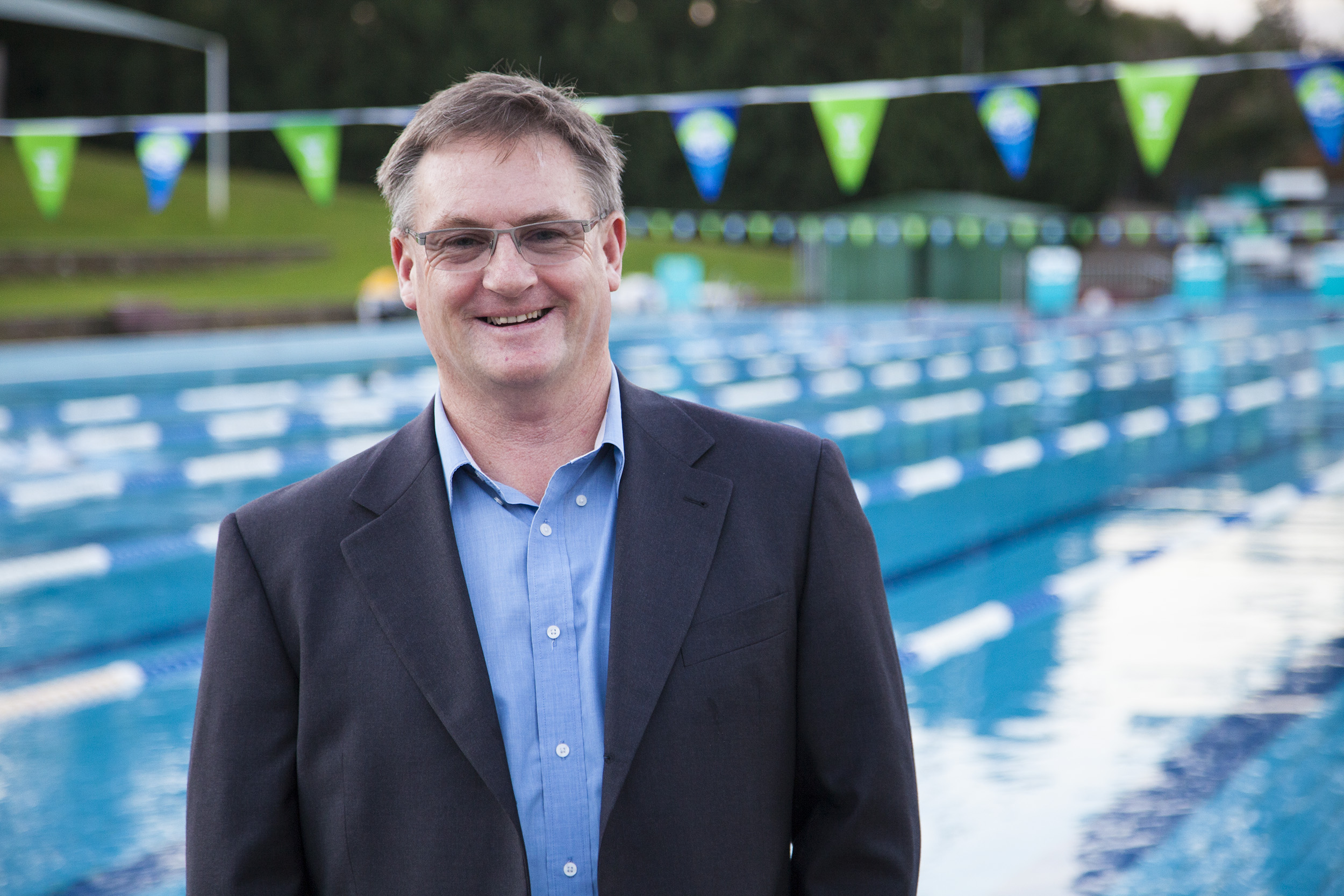
Welcome to Effortless Swimming, the podcast for swimmers, triathletes and coaches. Join Australian swim coach, Brenton Ford, as he reveals the latest techniques and information to improve your swimming. Let’s dive right in. Hi, this is Brenton Ford from Effortless Swimming. Welcome to today’s podcast. My guest today is someone who I’ve had on the podcast before, but I haven’t had on for a while and we were talking the other day about developing power, speed and strength in swimming and why it’s important. So I wanted to get a friend of mine, Wayne Goldsmith, on the podcast. Wayne’s not only worked with Swimming Australia and Triathlon Australia, he’s also worked with a lot of the top swimmers and their coaches from all around the world, not only Australia. He was talking with a lot of the US coaches in the recent Pan-Pak Championships, which were held up on the Gold Coast where Wayne lives, and he came with a lot of good ideas and a lot of knowledge from that as well.
So listening on this podcast, we go into a lot of detail about not only speed, strength and power in swimming, but we also talk about different types of training methods, different tools that you can use in your workouts, and we also talk a lot about mindset. So listening to today’s podcast, I hope you enjoy it. Here’s Wayne Goldsmith. I’ve been in swimming and coaching since the early 90s. There was a range of strange coincidences which led to me being involved. I was working in Sydney, believe it or not, in a bank from the time I left school in 1978 until the late 80s. And through one circumstance or another, I ended up being involved in the Sydney to Melbourne ultramarathon, a run that used to go along the roads from Sydney all the way to Melbourne, a distance of around a thousand kilometres. And as part of preparing a runner to complete that task, I was reading a lot of information about sports science and the importance of things like hydration and eating the right food
and the importance of electrolytes and a whole range of things. And I realised I was completely in the dark and inappropriately prepared to help an athlete achieve running around the block, let alone running from Sydney to Melbourne. And I started to get really interested in performance and sports science. And unfortunately, I liked fooling around a little bit too much and doing the wrong things at high school. And I’d failed high school so badly that I didn’t qualify to get into a sports science or a physical education course. So it took me about two years from that realisation that this was an amazing thing to be involved in, to getting into the University of Canberra’s sports science program in the early 90s. And I had a choice, like a lot of people do when you go to university, to either work in the bar or try to find some work around uni or to find some coaching work. And through a whole range of coincidences, I ended up working in a gym.
That gym had a swimming pool. They were looking for an assistant coach. And the head coach said, look, you don’t have any real background as a swimming coach. I’ll give you a crack at it. I’ll help to put you through a training program. I really need somebody. And it all went from there. And I had this incredibly fortunate set of circumstances where I was working under a very experienced senior coach, a lady called Carol Gathercull. Her husband was a guy called Terry Gathercull. He was an Olympian and a former world record holder. And also the head coach of Breaststroke at the Australian Institute of Sport. And he was also looking for some help. So I had this amazing situation where from working in a bank in Sydney to six months later working under an experienced head swimming coach and working under a senior coach at the Institute of Sport while studying sports science. And in that environment, I also got approached by a triathlon club called the Bilbies.
There was still a strong group in Canberra, still a strong triathlon group. And I was working with those guys as well. So I was living the dream that I was able to study, coach my own group of triathletes, coach my own age group team, and be tutored by a couple of very senior, very experienced coaches. And after three years of doing that, I fluked or somehow just managed a miraculous opportunity to be the head of sports science and sports medicine for swimming Australia from the time that we won the bid to host the 2000 Olympics, then leading into Sydney. And after that, it’s all been a bit of a blow just nonstop swimming, coaching and triathlon for the last 25 years. Awesome. So I mean, you’ve worked with some of the best swimmers and some of the best triathletes and coaches in Australia and also overseas. And I mean, what we’re going to talk about on today’s podcast is how to develop speed, strength and power in the water.
And I guess what you’ve seen these elite guys do to develop that in the water, but what do you see the biggest difference between those at the very elite end of the sport compared to those who are maybe just below it and not quite getting to that very top 0.1% of the cream the crop for whether it’s triathlon or swimming. What’s the real difference? Yeah, it’s an excellent question, friend. And I think about it a lot. And to me, it comes down to goal setting. And traditionally, we’ve talked about goal setting in terms of long term goals, medium term goals or short term goals. And my observation of doing goal setting that way over such a long period of time is most of the time it doesn’t work. And I think it’s because even a short term goal, which might be one week, one month, one season, even a short term goal is very, very difficult for most people to get their head around. They might say, well, my short term goal is to improve my freestyle.
But what does that actually look like right now on this lap or when I’m holding this kickboard or when I’m doing this hundred of pull? What we notice about the great athletes is that they think almost in terms of what we would describe as micro goals or mini goals or I call the moment goals. They think about what have I got to do right now on this turn, this lap, this kick, this stroke? What do I have to do right now in this moment to ensure I achieve my goals? So a swimmer might say, look, I want to swim for Australia. I want to make the world masters games. I want to swim and do really well in Kona in the Iron Man. It could be any of those things. And they’re wonderful dreams to have and they’re usually very long term in nature. What we notice the great people doing, the people who achieve their goals and achieve those objectives, they go, what have I got to do on this lap right now to qualify to swim in Kona?
What have I got to do on this lap right now to break the world record further down the line? What is it that I can do physically or be more connected mentally? What can I do technically or tactically? What can I get out of this moment and this lap that’s going to help me get where I want to go? And what we see with the great athletes that whatever you give them as a coach, so you might give them a 400 and say, guys, here’s a 400 warm up. And the great ones will grab that 400 and will absolutely milk every tiny opportunity that they can out of that 400 to help them achieve their goals and realise their potential. So who I think out of all the things I’ve learnt, that’s really it. Yeah, and thinking back to when I’ve spoken with guys or girls who are at that level, they all, at least when they’re teaching, so for example, I had Mitch Patterson, the Australian income wealth record holder for the 100 fly,
coaching at one of our freestyle clinics on the weekend. He was taking the guys through Streamline and he was saying that every single time he’s starting or turning, he’s looking to be in the tightest possible position with his Streamline. And you hear that with Michael Phelps when he’s kicking or sorry, pushing off a wall, he’s got to get to 15 metres every single time. And I mean, I’ve heard it with Ryan Lochte as well when he’s training for his breaststroke. His one thing for that is when he’s doing breaststroke, he’s always going hard for it because he doesn’t quite enjoy it, but that’s his one cue. He’s looking to get the most out of all the breaststroke training that he’s doing. So he just goes fast for it. So it’s a really common thing that you hear among those guys and girls who are at the top. So that’s an interesting one. And it means you’ve got to be switched on every single session and every single lap.
It’s like, you know, you’re focusing for, focusing intently for four or five hours a day for however long you’re training, but with that goal in the back of your mind about what you really want to achieve. Yeah, it’s true. And the other way I’ve heard it put really brilliantly last year was I was lucky that I had the opportunity to go and spend a little bit of time with the US swim team just before they competed in Panpaks. And it was one of the greatest honours that I’ve had in my professional life to be allowed by their national head coach, a guy called Frank Bush, to come in and observe Lochte and Missy Franklin, Katie Ledecky, Phelps, and those guys all training together and seeing how they went about doing what they’re doing. And I had a chance to talk to David Marsh from Auburn about what he’s observed in Lochte and what he’s observed in some of the great athletes. And he said it’s a choice. And we talked about the way that Marsh and I were kicking it around.
He said, look, that in any given situation when the opportunity to do things the easy way or the hard way is available, a great athlete will always do it the hard way. And the way that Marsh described it was to say, look, at 5 a.m., the athlete has a choice. The easy way, hit the snooze button, hard way, get out of bed, pick up the bag that you packed the night before, go and have something to eat and wake up your parents or get in the car yourself and get to work out early. The easy way, hard way. And every athlete, every swimmer, triathlete, master’s athlete, they’ve all been given that choice. And some will go the easy way, some will go the hard way. You get to the pool, the easy way, sit around, talk to your friends, talk about what was on TV last night. Hard way, stretch, set up your training area, get your kit bag over to the end of the pool and ask coach if you can get in and do a couple of hundred easy
before anyone else does to work on something. Easy way, hard way. And again, what I’ve noticed with the great athletes is that by habitually taking the hard way and choosing to do it the hard way, the cumulative effect of that over time is they get what they want to get, they get where they want to go, they achieve their goals. And that’s another, and that’s a, to me, it’s about teaching athletes when they’ve got a choice coming up, which is the easy way, which is the hard way and getting them to understand the cumulative effect of that where success becomes a lifestyle choice that will make all the difference. And again, these are concepts that have been around for a long, long time. I think hundreds, maybe thousands of years in different areas of endeavor it hasn’t really changed that much. It’s just teaching athletes to be able to apply these concepts to everything they do in training and recovery. And going on to developing speed, strength and power in swimming,
let’s start with what that really means. So, I mean, they’re great words, they sound good, but how does that actually translate into swimming? What does it mean for the average master swimmer or triathlete? Well, in terms of the easy way, hard way concept, the choice means, for example, if you’re pushing off a wall, you have a choice. You can breathe on the first stroke, the second stroke, or the third stroke in freestyle or fly. You’ve got a choice when you come to flags at the end of a repeat to breathe three, four, five times coming into the turn and make it slow to almost rest on the wall with your feet and to push off in any old sort of a shape rather than streamline. You’ve got a choice when you come in towards the finish of every repeat to breathe three, four, five times inside the flags or look at the bottom of the pool, drive to the wall with a great kick and finish with a nice full stroke, head forward and hips high on the wall
in every finish. And you’ve got that choice. And a lot of people will make excuses saying it’s about fitness or it’s about experience or it’s about fatigue. Well, it’s really not. The difference, I don’t think you see anyone who’s incredibly fatigued to the point where they can’t not breathe on the last three strokes of freestyle that’s going to make any real big difference to how fatigued they are. If you’re fatigued, you can still say, yes, I’m sure I’m tired. I’m fatigued, but I refuse to breathe on those last two, three, four strokes and I choose to do it the way that I know will give me the results that I want. So in terms of the practical applications for swimmers and triathletes and master’s athletes, it doesn’t matter what level you’re at. When you’re given a choice of doing things the easy way of the hard way, I think kicking is another great example that it’s really easy going down when you’re starting to do some kick is to not think about rhythm
or not to be breathing with real control or to lift your head up too high. There’s a whole range of things that can interfere with the effectiveness and efficiency of your kick or you can choose to look at the bottom, keep your hips nice and high, kick with a constant flowing rhythm and breathe consistently all the way through. And again, that’s a choice. It’s not a coaching issue, a talent issue, a money issue or an equipment issue. That’s a personal choice on what outcome you want from your training session. And as a coach, it’s such a pleasure to coach athletes who make that choice every time. They’re the ones who are there 10, 15 minutes if not earlier than that to every session and they’re going through their warm-up exercises, their stretches and they’re the ones who are ready to go on time and they’re keen to know what the set is and they’re keen to work hard and really work the turns and work on their techniques.
And I’m sure you’d know as a coach as well that it’s just so much easier working with those guys and girls and that’s what I think a lot of coaches, they really know when they’ve got an athlete like that and they really look forward to going to the pool or going out to the track or on the road to work with them. It is wonderful. They’re the athletes that make it worthwhile. The other morning I was working with a cross-country group and we’re big age range. The youngest one was about 9, the oldest one was 17 and we were doing 30 second efforts and so it was a type of session that coaches all over the world do. It wasn’t anything particularly special but we warmed up and stretched and did a few drills and then the actual set was 12, 30 second efforts followed by a minute of recovery and we went through the set and there was one little girl who was 11 and not a particularly experienced runner and not a particularly talented runner to be honest
but as I was getting towards the end of each 30 second effort I’d go, come on guys, that’s 25, 26, 27, 28 and so giving them a 5 second countdown. What I noticed with her every time she had the 5 seconds is that she put her head down and she just went and she tried to get every millimetre of distance from those last 5 seconds whereas the bulk of the time when they heard it was 5 seconds to go you could see them almost start to slow down because they thought well it’s getting towards the end and I’ve done enough and they wound down and I looked at her and thought you’d train her for nothing. You would seriously coach her for free because seeing somebody who desperately wants to get everything they can out of the opportunity just loves doing the work is such a thrill as a coach and the half of coaching is how do I get that type of attitude spread right across the whole group that we work with? I think that’s the holy grail for all coaches is to get everyone that should work with thinking like that.
Yeah we had a, we ran a sort of whole week with my squad a couple weeks ago and we had a session that was kind of like that where the whole group pulled together and I think the real difference was that we did the warm up and then I got them out and I asked them does anyone need to go anywhere after this? Has anyone got a dinner or someone that they’ve got to be by quarter past eight? And no one did so I said alright so if you’re going to start the set then you’re going to finish this set. We’re all in this together and no one’s going to back off or slack off during this set you’re going to go through the whole thing and if anyone slacks off then you have to pull up that person and it’s on you to be responsible for that. So it was from memory it was something like to 1650s dive max walk back. So 16 all out efforts with no recovery in between they were just walking back and they were on about 330 or 4 minutes or something.
So it was quite a bit of rest but a lot of lactate build up. It was just one of the hardest sessions I think the squad’s done. And for the whole session there wasn’t one swimmer that dropped off more than two or three seconds because of lack of effort it was if they were dropping off at all it was just because they couldn’t physically go any faster but they pulled through and then the last two fifties actually I got them in three in a lane and had them race each other so race side by side and that really finished them off because when you’re racing like that with someone you’re not going to turn down your speed at the 30 meter mark if you’re tired you’re going to keep pushing so and it was just awesome to have such a good session like that and you’re not going to be able to do that every single session because every session is not going to have that kind of intensity but when you do have that I think it bonds the members of the club or the squad together
and I mean I had guys who had swum as teenagers and done some pretty hard sessions like that before and then they hadn’t really swum for five or ten years and they just started to get back into the water and then they did that set and they were just they were over the moon about how happy they were to kind of reach that level of exhaustion and I think have that kind of achievement in their sporting arena and just to get that kind of buzz that you get from doing such a tough session like that and they were just so stoked about being able to do it because it’s very rare you get an opportunity like that as an adult unless you’re training with a squad and you’ve got at least a couple weeks of fitness under your belt Yeah and I think what you said there is spot on the thing I find most exciting about that Brendan is getting excellence and the standard of the squad driven from within the squad I think if you’ve got a culture and an environment, a training environment
where people are encouraging or pushing or driving each other from the water it’s an incredibly powerful thing to do because you’ve got so much expertise as a coach and all the experience that you yourself personally have got as an outstanding master swimmer and as an educator and as a coach the things that you’ve got to offer your team it takes the same amount of energy and time for you to say can I get your elbow up high or get those kicks working with power and rhythm as it does to yield some sort of motivation to them so the more it’s driven from the water you don’t have to worry about standards and attitudes and finishing on the wall and all those things and you can focus on giving all those wonderful bits of information all the great ideas you’ve got about coaching and increase their rate of learning that’s really brilliant isn’t it if you can create that environment as a coach where the athletes are insisting in maintaining those standards in the water
then that’s a very powerful group of athletes yeah absolutely and I think that I think I’ve spoken about this on the podcast once or twice before but even just getting your athletes to think about what they’re doing and think about why they’re doing it you’d know Mark Horton, a 1500 metres swimmer he’s here in Melbourne, his coach Craig he’s every single session that if I’m in the lanes next to them every single session at the end Craig will ask Mac a question or two or three questions about how he was pacing his swims what he needs to work on, what he learnt from that session and it’s every single time and you know what a smart swimmer he’s turning out to be because he’s been forced to think about what he’s doing and why he’s doing it and where he can find improvement isn’t it just amazing isn’t it that there was a time in coaching where you would never do that wasn’t there, there was really that the coach spoke
and the athlete followed instructions how much better is it now where smart coaches effectively partner with their athletes to get a better solution we’ve got a few surf swimmers in our programme on the Gold Coast and one of the athletes was in a competition a few weeks ago and he said that he was having some real problems where he was in big surf early on having to dive under waves and how that was causing him his heart rate was going up too high and he was blowing out and not finishing on at the end of races and there was a young girl in the next lane who’s not a surf swimmer there’s normally one of our girls that just has a lot of fun and she’s great to have around but she’s certainly not an open water swim and she said to him, she said oh why don’t you dive to the bottom of the pool of times during your reps and get a feel for that that might help you be ready for your surf racing and I didn’t think of it
and the surf guy hadn’t thought of it but he was one of our young girls that come up with this idea so then the repeats became on our next set that we were doing a set of 150s and every lap we were asking the swimmers just to dive to the bottom of the pool two metres deep, touch the bottom and come back up not enough it’s going to work but it was just such a great thing that an idea to challenge the team came from within the swimmer group yeah that’s awesome and I see that with the squad that my dad coaches for years he’s been getting younger swimmers to coach let’s say the swimmers in their early to mid teams to come along once or twice a week and coach the swimmers younger than them so those that are eight and nine years old it’s great for their development as people but also to get them to think about their own swimming and their own strokes and to be on that other side of the pool deck to be there trying to control others
or trying to run a session it gives them great respect for the coaches when they do get back in and they’re swimming themselves but it’s just it gives you that well rounded development as a swimmer and I mean when I started coaching that’s when I really started to learn about technique and what really makes the difference when it comes to the fastest swimmers and the not so fast swimmers and as a swimmer you go a lot by feel but I find your development in terms of knowledge of technique it’s limited to just going by what you’re feeling as opposed to what you’re seeing in others and the difference in what others are doing and how that changes their speed I think you’re right I strongly believe you’re right that they often say the best form of learning is teaching and I’ve got a young guy that has just decided to give up swimming he’s 18, he’s going to university but he’s such a great guy and such a positive role model
such a constructive guy to have around the team that we’ve offered him a chance to transition into coaching and he said it’s never been he never realised how difficult it is to point a group of 8, 10, 12 young swimmers in the one direction and get them all doing sessions the way that he knows they need to do it and he said he’s just made him aware of not how important the work is but how important the way you do the work has come and he had a great phrase I think he said this is a little bit like hurting cats and I said it’s exactly right that you’re very, very fortunate if you’re working with a group of athletes that are self-motivated, self-driven who encourage each other and are critical of each other if they’re not seeing the level of effort that needs to be in the program they’re seeing they’re quite happy to pull each other up and say that’s not good enough that’s why young age group coaching on it can be very, very challenging
for young coaches going in because his way of, it was a great again a conversation I’ve had with him it’s amazing you’ll learn from people at all levels that you get exposed to but his way of expressing it around the team was he said I don’t understand why they don’t swim the way I used to and because he was one of those guys who was there on time always contributed, helped clean up helped to pull the lane ropes on helped with the pool covers at the end of training he’s just a guy that quality human being a great young man, great set of values tremendous character and he’s pulling his hair out as a coach because he’s looking at these kids going I don’t understand why they just don’t do it the way that I did I said well now you realise what an exceptional person you are and then how important it is for us not just to teach these kids how to swim but to teach them what training actually looks like and what it’s supposed to be
Yeah and one, even just one small thing that I noticed when I first went from being a swimmer to doing more coaching was just one little thing is aerobic set so let’s say you’ve got 2100s and they need to be at aerobic pace or aerobic effort then as a swimmer I just wanted to work as hard as I possibly could in in every set so I’d be swimming at 180, let’s say 180 beats a minute in terms of my heart rate when it should have been down around 150, 160 and so now that I when I realise that it’s like ok well how do I try and get my swimmers to stay at an aerobic effort or aerobic heart rate when they’re doing those sessions and every time we do it I tell them even if you’re feeling good don’t push it you just want to be in this heart rate zone to get the benefit from this set but even still they still tend to push it that little bit faster which is a good thing because they like to work hard but that’s not the aim of the set
that’s just one of the little things that I found was that I learnt I guess when I began coaching and began to look at the reasons why you’re doing different types of sets now I think that’s what you point out there is particularly important isn’t it we find with triathletes or master swimmers coming in for training once or twice a week that they’ve got very very limited time caught off and they’re incredibly busy they’ve got family, they’ve got study they’ve got business they’ve got so many other commitments and they’ve got one hour and they want to cram as much work as they possibly can into that one hour and if you say to them say guys look I know that’s the way you feel but you’ve had a really heavy week you’ve done a lot of competition you’ve got a big week coming up just go nice and easy 65-70% nice and relaxed, flowing and rhythmic work very very difficult to convince them that that’s what they need at that point in time
but now all we know about athletic performances it’s those recovery sessions where you’re just managing your pace your developing rhythm you’re in a real aerobic space that is so critically important not just for that session but because they allow you to reduce the effects of that residual fatigue so that the next session you come in you can blast if you need to go then you can but you’re dead right and it’s a tough lesson to learn that you just can’t go go go every time, every session well that’s what it reminds me of this morning I was speaking to Sam Hume who’s one of the best age group triathletes in Australia he did the Melbourne Ironman last weekend and he was the quickest age group of there and just had an absolute rip of a race and he was chatting this morning and he said that two weeks before the Ironman he was sick as a dog he was coming to the pool, he was getting through the warm up and then he just couldn’t keep going
he was just coughing he could hardly breathe and he wasn’t sure if he was going to be right for the race so pretty much from two weeks out up until about a couple days out from the actual race he hardly trained he just sort of did the bare minimum to keep his feel for the water and just keep the legs ticking over in the run but he just did basically had no intensity whatsoever yet he had one of the best races of the day there and one of the best races of his life and he just said just goes to show you how important it is to recover if you’ve done the hard work then just ease up on yourself and don’t try and don’t try and put too much pressure on yourself and don’t try and cram every little last bit of training in the two weeks before just trust yourself and let your body recover so you’re right to go for that race and that’s such an important lesson is if we only we could encourage more athletes to believe in that I’ve got a young
triathlete that I coach and she’s an amazing young athlete and tough and committed and I think as I said to somebody last week if I asked her to run to Perth in a pair of thongs she’d do it and her work ethic is incredible the commitment to training and to the work she does with me and she’s got a separate cycling coach the work that she does with him is just amazing and I’m astounded how hard she works but as it is with so many people her greatest strength is the biggest weakness and we found it next to impossible to get her to have a day off and in the end I’ve got to drop a couple of names here that I got on to our good friend Jamie Turner I think’s probably the best triathlon coach going around anywhere at the moment and I got JT to send her a note which basically said the greatest breakthrough that she could possibly make is not in training harder or more often but is in resting and recovering more and being as committed to a recovery program
as she is with a training program and I’m hoping that that message is sunk through because if you’ve got enough experienced people telling you that that’s so essential to get the performances that you’re hoping to achieve and hopefully people start to listen but it is a difficult message to sell particularly to endurance athletes who will see that the secret to success is work and there’s no doubt it’s a huge part of what they do they have to be able to work hard and do it consistently but recovery and regeneration is just as important but a guy I know who you’d know as well a friend of mine I won’t don’t want to name him here but he was Olympic medalist and he did really well in Olympic games not pretty recently and then the next 2 or 3 years after that he was looking to make the next Olympic games after that but he was doing something like 12 sessions a week it was like 9 or 10 swim and then 2 or 3 gym and he was actually
going back during the day back to his house and doing extra sessions on top of what his coach was giving him and so he wasn’t telling his coach about it either so he’d get to the pool he’d be buggered to be wrecked for that session and his coach just couldn’t quite put his finger on it and you know for the next 2 or 3 years he was his performance just dropped 1 in Australia and he was top 3 in the world and then he was struggling to come on the podium for that event for the next couple of years because he just wanted to do well so badly that he was trying to fit that extra in that his coach hadn’t given him and it just sort of ruined him after that I mean he’s he didn’t make that next Olympic games and he just kind of fell by the wayside and same sort of thing it’s a great trait to have to want to work hard but then it’s tough to teach those athletes to be smart and to recover and see I guess see it from the viewpoint that where his coaches get to see
Yeah it’s dead right and I don’t know that there’s a lot of those lessons are taught all that widely and it’s easy to talk about about training loads and training repeat times and all those miraculous things but just those and the other thing Brendan you think about is that isn’t it a shame that so many people we work with people like that are Olympians take so long to learn those lessons that if we could get our athletes and our triathletes and master swimmers to really buy into this concept of train hard then recover if we could really get them to buy into that in their first season what an incredible difference it would make to them and even in terms of their longevity often think how many people are lost to the sport in that second year third year fourth year or age group kids in their mid teams because they’re working so hard but they’ve never really bought into the concept of recovery and regeneration and spending as much time
on those areas of their preparation as they are actually working hard in the pool it’s it’s a shame the people have got to go through so much trial and error spend so much money at the physio before they go okay now I get it now the bomb drops I understand how important recovery and regeneration is and then spend more focus on it another another place I’ve seen something similar is I’ve been doing a little bit of running lately and I ran a marathon a couple weeks ago and I just I used the walk run method that when I interviewed Bobby McGee Olympic run coach on here and you know him also he was talking about the walk run method for long distance running where you might look for what I did for example was run for 5k and then walk for 20 seconds and then run for 5k walk for 20 seconds and I’d walk through all the age stations as well and I just made it made the biggest difference I negative split by 5 minutes at the halfway mark and
and then with the Melbourne Ironman on the weekend I see most most athletes that I know they they didn’t use the walk run method at all they they just run for the entire thing and you know maybe that’s faster in in some cases maybe it’s not but most people on that run blew up because the heat was it was it was really hot the the entire run and it’s and when I’ve talked to people and even when I sort of told people that when I run the marathon was that they said are you not really doing the marathon if you if you’re walking for some of it but the point you know what’s what’s the result you’re looking for it’s well you want the fastest time so whichever way it gets you there is really the best way to do it so it’s I think people try and be try and go for the the tougher the tougher way to do it or the I guess what they what the ego wants them to do and and that might be run it but what might actually save your legs and give you a quicker time is
walk run with that so it’s the same thing with with that and then with with training and not having enough recovery in between yeah although I’m going to tell you a funny story that I was working with some triathletes in another state let’s just be as polite as we possibly can and so really funny thing happened there was a guy said he was an Ironman athlete said look I’m really frustrated that I hear what you say about recovery and I make sure I have plenty of rest particularly at T2 in my triathlon so when I’m doing the transition from bike to run he said what I’ve decided to do is I change my clothes I have something to eat something to drink put on some Vaseline and I spend a bit of time recovering and getting myself ready before I just blast out of transition and I end up walking the last 10, 15 K at the run and everyone in the room who knew him very well started to laugh and they said tell Wayne how long you sit down in T2 for
and big smile in his face he said oh my last race it was 23 minutes so look I’m all favour all in favour of rest and recovery but he maybe just measured with a little bit of common sense on race day but that was a pretty good he got the message and he was extremely good at taking care of his body in T2 in the middle of the Ironman but maybe just going a little bit too far but that Bobby McGee concept of run walk I think that’s outstanding because as you rightly point out just that little bit of a chance to recover heart rate and body just to stabilise a little bit and maybe get the opportunity to actually drink and get some fluid or maybe some fluid and some fuel in and have it get to where it needs to get rather than just sort of half a gulp and throwing the wrist on your head but just to me seems like such a more intelligent way of doing it for the majority of pundas if you’re on 235, 240 marathon pace at the end of an Ironman
it’s a different story and you’ve trained for it but for the majority of people it just makes so much sense yeah absolutely with you’ve spoken about paces versus are we going to get back to that at some stage might I suppose so do you want to just talk a little bit about paces versus races the two types of I guess swimmers and two types of triathletes that you tend to tend to notice this is our problem 40 is this probably about 40 from podcasts on this yeah that’s probably we should just record for the next eight hours or so and then break it up there’s eight podcasts for us there’s probably one there on training attitudes another one on recovery you know okay so just refocus yeah I looked thanks Brendan what I’ve noticed a lot when I’ve been working particularly with triathletes and long distance swimmers is that their obsession with swimming long distance as opposed to swimming fast as for as long as possible is something
that they need to really consider because within within certain limits you can train just about anybody of any age without a major health problem you can train almost anyone to swim a K two K’s five K’s probably even 10 K’s but if their goal is to compete it’s not as simple as just surviving for an hour or two or three in the water what it is is how quickly can I go for the longest possible time and secondly is to be able to race when they need to so what I usually describe this as is the difference between paces P-A-C-E-R-S and races R-A-C-E-R-S most people want to be a pacer they want to get in do their work be left more or less alone a little bit of strike instruction but just get the work done up and down as much as they possibly can in the time allocated to training and get out a racer is someone who’s got the full set of skills to match the demands of any competitive situation that they’re placed in they’re able to in terms of open water swimming or
the first leaguers of a triathlon they’re able to race wide and then come in close when they come into a turning mark they’re able to sit at the back of a group and explode away if they need to they’re able to go wide of a group kick away and if they’ve got someone on their feet explode away from them they’re able to change pace when and where they need to they’re able to change direction if they have to because they’ve practiced racing not just pacing and I think this is a great set of skills for all distance swimmers to develop and when I say racing what it comes down to is not just endurance but it’s how they blend speed, strength and power into their training programs yeah and that’s we work a lot on that type of stuff with my guys is
it’s not only the skills to be able to race well but it’s having that speed, strength and power to make a kick with your speed or to catch up to a group in front or to try and break away from someone a friend of mine Sam Sheppard he’s one of the best open water races that I’ve seen because he’s not necessarily the fastest from in the water but he’s always got the best he’s always got the best skills in the race and he’s just got an ability to to really ramp it up when he needs to so what other times of the race or what other situations do you find that great speed, strength and power really plays an important part for open water swimming or triathlon racing well there’s a few there’s certainly looking at the start being able to deal with getting quickly off the start even if you’re porpoising and wading or combinations of those things to get yourself in water deep enough to swim and then being able to kick off very quickly
there’s things like when you’re trying to overtake or when you’re going around other swimmers to be able to do it quickly and decisively and not be caught in a position there’s caught off in swimmers also well look I’m going okay in this pack I want to go up to the next pack and they just gradually pull away and all of a sudden they turn around and they’ve got the herd right on their feet and they find they’re dragging another 8, 10, 12 of their competitors along with them so to be able to get away from a group and to make fast tactical moves when they have to or conversely seeing someone that’s in the next pack and think well look if I can get up on their feet I can drag along a little bit with them and that’ll put me in a better position and then I can make another tactical decision off that one that we don’t talk around a lot is that if you’re a pacer and you’re just used to knocking off 130, 140, 150 pace 100 meter efforts
with your heart rate at up around 70%, 80% and all of a sudden you’re in open water and there’s a rip or a current or a bit of a storm or strong wind you’ve got to work a lot harder to maintain that pace your heart rate will be a lot higher at the same pace also the conditions so you might need to be able to have a little bit of speed and strength to maintain good quality stroke and nice rhythm and nice pace until you get to a turning marker and then the wind might be behind you or the current might be behind you the surf conditions might then be in your favor and then of course right at the end with the finish is being able to make a decisive break from a pack by getting out of the water just in front and getting away and particularly in draft legal triathlon now is it the importance and the absolute desperation to be on that front pack and getting out with the lead swimmers so when they start to work together as a cycle group
as a cycle pack that you’re up there with them so that last 50 meters, 100 meters of the swim is not just about getting out of the water faster having a fast swim lead it’s a very important tactical consideration that may then allow you to get out with the lead swimmers and then that becomes the lead riders and then eventually that becomes the people that will fight out the finish over the run Awesome and what what do you see as some of the main principles or things to consider when people are training to develop their speed so let’s say someone’s swimming a couple times a week and they want to add one or two speed sessions or speed sets into their training what are some of the rules of thumb that you follow when you’re riding up a speed set for your swimmers? Yeah, this is a bit of a controversial one and a really funny one that I know when I’ve spoken to a lot of the old heads the older swimmers and coaches that were doing
speed training in the 70s or 80s their belief was that speed training might be a set like 20-50s on the minute. Now what we know now is that that sets more of a speed endurance or a threshold type set for most swimmers and that genuinely developing speed is about sprinting at high speed with good technique over very very short distances 10 meters, 15 meters 20 meters, maybe up to 30 meters but at maximum speed and not doing too many of them this is something that’s really important with speed work because there’s a high nervous system component in your body’s capacity to generate speed and to learn how to build speed we know that your nervous system fatigues relatively quickly doing this type of work. We don’t want a lot of lactic acid either, we really want short, explosive very very fast swimming not too many and over relatively short distances so sets that I like are things like 6 x 50 where the first 30 is a real explosion
great speed, good technique and then switch off at the 30 meter mark and just cruise and relax a nice easy 20 or you might do a 50 where the first 25 meters are explosive and very very fast, great kick maximum speed and then the next 25 similarly relaxed long easy and smooth so they’re the types of sets but very very fast not too many plenty of recovery between them I love it and coming from the swimmer’s perspective is when I was doing a session is that one thing that would really annoy me when I was trying to increase my speed my best distance was 200 to 400 I was never great at 50s it just wasn’t quite for me but when I was trying to sort of turn that around and build some speed be nothing worse than coaches giving you what was classified as a speed set but it would be like you said something like 20-50s on the minute where you expect to go fast for every single one whereas it’s not training your actual top end speed that’s a threshold set and
it’s not going to help you with your first 15-20 minutes on your 50 freestyle or your 50 fly so yeah I mean it’s and now as a coach when I’m giving speed stuff like this give the swimmers enough time to rest get their heart rate down to reset and just to kind of clear their mind so that every single effort that they’re doing that they can go at that really high intensity and then recover and give them time after that so it’s yeah nothing worse than giving them too much to try and do to keep that high intensity for the whole thing I’d tell you a set that we’ve been doing lately with the triathletes and the surf swimmers as well is there’s an idea that we pinched from one of the top US swim coaches called the LAZAK 25s where the swimmers and you’ve got to be careful obviously with safety issues and make sure the deck’s clear and as dry as you can get it but we’ve been doing some sets where they walk or very slowly jog
to the side of the pool and then dive in and sprint float out over the first 15 meters with that little bit of extra momentum and they love doing that and they can go very very quickly and they can go a lot quicker than they can from a push starter from a dive start there’s a little bit of extra safety you’ve got to be aware of just be very careful with it but if you can get across that the swimmers love it they hit the water like Superman Supergirl and they’re already going very quickly and they can generate a lot of speed very very very well and they do love it so they’re just called the LAZAK 25s named after the great US sprinter LAZAK who apparently used to incorporate a lot of those into his training program so they’re a lot of fun Yeah and we posted a video on effortless swimming.com of Natalie Coglin training there’s a great video that one of the I think magazine in the states they put together this 5 or 6 minute
video on Natalie Coglin’s training for the next Olympics and that was one of the things she was doing in there she was taking a couple of steps getting that extra speed off the dive and then sprinting to 25 and she was doing that with a few like Anthony Irvine and some of the other US swimmers so a really good idea if you’ve got the spacer at the pool. What sort of stuff do you have your athletes do or what do you recommend athletes to build strength in the pool?
Yeah try to find ways of actually overloading the swimmers is always a bit of a challenge for coaches because just of the medium that we’re in we’re seeing some really ingenious devices over the years where coaches have bought buckets just going to the local bunnings or the local hardware store buying a cheap plastic bucket tying a rope around the handle getting the other end of the rope tied around the swimmers waist and a few little holes in the bottom of the bucket otherwise it’s just impossible to move and the swimmer toes the bucket up and down the pool and that’s worked quite well some of the big sporting manufacturers the swimwear manufacturers have developed some really interesting ideas around things like parachutes I know that some of the triathletes coaches like to do things like get the swimmers to wear old running shoes and pull a towel tied to their waist by getting by a short piece of rope up and in the pool
so it’s been a bit of a creative challenge for swimming coaches and triathlon coaches to come up with ways of progressively overloading swimmers with some sort of strength training device something that we just put together with our program and we’ve been lucky that HeartSport the manufacturer in Brisbane helped us out, pulled together is a towing sponge and what that is, it’s a length of sponge that is wrapped inside or secured inside some mesh which helps to protect the sponge that’s then connected to the swimmer by a length of cord with a velcro strap at the end the swimmers tie that to their waist and again they pull this tow device up and down the pool and build their strength so the general thing with towing is to increase the overload to swimming muscles in some way other than just swimming up and down the pool a couple little things you’ve got to be careful of though is that there are some really interesting devices on the market
and some of them are very big and what I’d say to swimmers if you decide to go down the path of trying to develop strength or build strength don’t be tempted to go too big too early if you’ve got a very big towing device a big parachute a very large bucket or even the large size of the swimming tow sponge that we’ve put together that if your stroke has to be compromised so you’ve got a short stroke or your head positions change as a result it’s probably too big for you it was a great story I think was our best young surf swimmer when we were developing the sponges he said look I’m happy to help out so we had a prototype that’s about four times bigger than the one we’ve currently got on the market and this guy’s one of the strongest young surf swimmers I’ve ever seen and he couldn’t swim more than two or three strokes so we learnt very quickly you’ve got to find ways of building strength which at the same time don’t compromise the quality of the athletes
swimming stroke Yeah absolutely and it’s the same sort of concept when you’re having swimmers use paddles for the first time we use the engine swim paddles which are the best ones that I’ve come across I used to use the largest size now I’ve just gone back to the medium just because I find that little bit of less stress and pressure through the shoulders is just a little bit better as much as I’d love to be using the large ones and I know some people sort of see it like a something to sort of brag about or it’s like an ego thing but you know be happy with starting small and then building up because there’s nothing worse than going too hard too early and your shoulders can’t handle it or you’re not building that strength and that power up from if you’re coming from nowhere then you’re going to injure yourself basically so yeah definitely don’t try and go too big at the start I’ve actually ordered one of the the ones that you’ve
designed one of the swim toe sponges one of the sponges yeah it’ll probably be coming this week so I’m looking forward to using it I remember using sponges back when I was swimming when I was a teenager and I used to love that sort of work putting on some paddles swimming some hundreds and two hundreds with it and just that little bit of extra resistance you can really feel the extra strength that you develop from it so I mean if a combination of speed and strength is your power what are some things that swimmers can do to increase their power so what sort of thing should they be doing in training for it well as you correctly point out it’s a combination power is a combination of speed and strength is what’s the most amount of strength that I can apply or most amount of force that I can apply to the water in the shortest possible time so there’s a technical aspect and there are I think the paddles and I love paddles as well
I think for me the main reason to use paddles is to teach athletes that real sense of applying and maintaining pressure on the palms of their hands throughout their swim stroke so to me very much about certainly in power development trying to use and incorporate paddles into their swim stroke again paddles that are not that much bigger than their normal hand size to me are always I do or even a little bit smaller but to really think about when they enter the water and their fingertips just their arms are fully extended the press down very lightly and very gently right on their fingertips with the paddles and immediately and early get that sense of pressure on the paddle and then getting into that high elbow position with their elbow staying as close as possible to the surface of the water in that early high elbow that early high catch position and just maintaining that same feel of pressure on the paddle right through until they release
towards the bottom of their stroke so to keep that and then if they can overload with a bucket a sponge or with a parachute some sort of resistance device and try to maintain pressure on the water while moving their arms quickly and pulling a towing device or while pulling some sort of resistance through the water that’s going to make them a lot more powerful another way that I found has been quite good is I just call these rhythm threes or rhythm threes freestyles with paddles on is to push off in a really tight streamline and take three very long very fast strokes so they go one two three and then they get on their side and continue to kick for around 5 10 seconds and then one two three very long very fast very powerful strokes and then back on the other side kicking in that lateral position kicking and flowing along then one two three very long very powerful strokes with paddles on keeping pressure on the paddle all the way through the
stroke and I think that’s a really good power development technique three strokes five at absolute most high speed with paddles with pressure all the way through the stroke is a great way to develop power in stroke yeah I like that one we do a similar one for sprint freestyle is they’re basically on their side not at 90 degrees but at about 45 degrees skying with the hand out the front and the other hand is just by their side and then they basically throw over and take one stroke and they’re just looking to get as much power from that one stroke as possible but I think by adding another two strokes making it three strokes you get that little bit extra development with your power there so yeah that’s a really good one I like that one too Brett because then they can start to also feel that connection between their hands and their hips so you’ve got three strokes and we know that certainly backstroke freestyle that connection with really technically
efficient and very powerful elite level swimmers that connection they feel between hip and hands is just so critically important so I found that by doing the three that they’re able to really get that sense of hand-hip connection which is so critically important for swimmers going from those early stages of swimming relatively flat to being very efficient and very effective with their hands and hips connection throughout their stroke yeah I like that and I think it’s also good for developing this sprint freestyle technique so I mean obviously the biggest change when someone’s going from say a 50 and 100 meter freestyle technique is they’re more symmetrical with their timing so as one hand’s catching the other hand’s exiting the water whereas with that longer distance stroke it’s a little bit more catch up type of freestyle so I mean for someone like myself I was at more distance from a growing up doing a drill like the ones we just mentioned is
really good for helping develop that 1500 type of stroke because I use I was just used to doing that longer style of freestyle but for sprinting it’s not great so to be able to develop that power and slightly different timing there’s some good drills for it. Yeah it’s a bit sneaky too isn’t it when it’s something we don’t tell the swimmers or the triathletes that drill doubles as a kicking drill but we better not tell them or they won’t do it. It’s when I was coaching at this clinic yesterday with Mitch Paterson he was in the water demonstrating the drills and he said to me he made sure he kicked as much as he possibly could for these drills so that the guys who were going to be doing the drills would do the same thing because I think subconsciously they see him kicking and so they do the same thing whereas if you tell them to do it they may not make a difference but as long as they see him kicking a lot they’re going to do the same thing
so it’s yeah it’s something that it’s easy to not kick a lot especially as a master swimmer or a triathlete but I was talking about this with another one of my athletes is he was asking how much should he be kicking when he’s doing some 100’s and 200’s of freestyle at just sort of moderate pace ones and you know there’s sort of two ways to go about it. One you can just kick small you can conserve energy or you can kick really hard and although that might actually make you slower or might make you more tired for that 100 or 200 it’s going to develop a kick for when it comes to racing it’s going to pay off so sometimes it’s more efficient to not kick quite as much for that longer distance swimming but you know if you really want to develop your kick why not kick that little bit harder for some of those 200’s in your training and get the most out of it. I couldn’t agree more I don’t think there’s any point in doing a lot of
slow kick in fact I’ve been watching some really interesting work being done by some of the elite sprint groups where they’re not doing a lot of slow kick the kick they’re actually doing is all relative to percentage of target race pace so what I mean by that is they’re saying alright if my target race pace is 130 that’s where I want to end up then my kick sets will be 125% of that pace and then as they get a little more effective or more efficient in their kick they go alright well now I’ll try to make my kick sets 120% of my swim race pace can I get down to anything about 110% 112% of your swimming race pace is pretty quick because it then has a wonderful follow on effect that as your kick sets are getting faster and faster and their speed relative to your target race pace getting faster and faster and improving further then obviously your swim time gets quicker I think that’s a really good little thing to throw at swimmers
is to say okay guys here’s your target race pace and I want all your kick work done no slower than 115% of that target swim pace and to make kick sets very relative and very targeted of what they’re trying to achieve with their swim work yeah I love it I love it especially I mean for those shorter distance events 50s, 100s, 200s kick is just so important and people with the fastest kick or the best kick are typically the ones who are going to be winning those races so I mean watching Mitch swim yesterday at the clinic just the speed that he gets just from that kick it’s like I like the analogy the way it’s kind of explained when you see a sprinter swim is it should be business in the front so they catch their entry that should be all very clean and then it’s party out the back it should be that rooster tail that kicks generating that splash out the back and it’s just awesome to watch if you’ve never seen an Olympian or a very high end swimmer
sprinting close up it’s quite incredible how much water they actually move when they’re going fast mate I think one really useful tip too for triathletes and master swimmers and all swimmers is to have some of these goals in place around a kick because everyone gets hung up in what’s your 400 time or what’s your 1000 time what’s your 50 pv you very rarely have people say well my swim time pv is 127 and my kick times are 140 there doesn’t seem to be enough maybe pride or enough focus on high speed kick and the achievement of kick I mean even something as simple as if your 100 swim pv is 125 I think a great standard is can you kick between 70 and 75 meters in your 100 meter swimming pv time and try and get athletes to take some real pride and say stick their chest out and write in their goal book someone says well what’s your best times for swimming and they say well I swim 200 free in 315 and I can kick 200 free in 407 and I think
you can develop that mindset where athletes have real pride not just in swim but also in kick or maybe some other skill elements and then it takes on a real value to them yeah I like that we used to do a similar thing with our kick when I was a teenager we wouldn’t quite do 100 time to do it every now and then but every Friday or every Saturday I think it was we’d do an 800 kick time trial and I was trying to 400 am’s at the time so I’d do 200 fly 200 back 200 breast 200 freestyle kick and I think we did it for probably 6 weeks and I think I dropped somewhere from like a minute 20 to a minute 30 over the course of 6 weeks off that 800 kick time and as a result my 400 am time dropped dramatically and I had one of the best races I’ve ever had and I could feel it in the races it was really my kick that got me through that so it’s for pool swimmers and to an extent open mortars swimmers and triathletes it really depends on the distance but
definitely for pool swimmers it is so important to have a great kick. It is and I think another great phrase I’ve heard and I’ve used regarding kick is that when you’re looking at a race that your arms take you out but your legs bring you back and I think that so much effort and intent is made by using arms and what’s happening with stroke rating and distance first stroke and stroke technique that I think in that first part of the race a lot of swimmers ignore what’s really happening with their legs and then they start the fatigue and what I mean to get home but I think a lot of those sets where you really focus on building kick in the last 15-20% of your race so important so as that up the body starts the fatigue and as you’re starting to tie up a little bit at the top end so your arms have taken you out to halfway then be thinking about well now my legs can bring me home my legs can drive my body to the finish yeah definitely
we better wrap this up before we turn into pumpkins yeah so I know mate I’ve really enjoyed it as always yeah me too and before we go where can people read some of your articles because you’re one of the best articulators and one of the best writers about swimming and triathlon and you put out a lot of great articles so where can people find those and where can people find the sponges that you’re talking about the resistance sponges well the resistance sponges so we’ve gone into partnership and developed those with heart sport who are an Australian manufacturer I’m proud to say and I’m really happy to be associated with them they actually make the sponges in Brisbane and they’re 100% Australian and develop products so just by searching for heart sport H-A-R-T sport Australia at a Brisbane and going through to swimming training aids and it’s the swim toe sponge and something we’re very proud of and I’m sure that anybody tries it
we’ll have a lot of fun out of it and out of using it and it’s a really fantastic product apart from that I do a lot of writing for swimming world which is a leading source of swimming information and ideas in the United States and I’ve got a page on that called Wains Waterworld www.wainswaterworld at the swimming world website and that’s something I’ve really enjoyed doing so Wains World, Wains World party on, excellent Awesome and I know you’ve written two well I guess one controversial article recently and then a sort of follow up one to that was things that swimming parents do that coaches can’t stand and then you did a reverse one which was things that swimming coaches do that swimming parents can’t stand so they’re very entertaining reads for anyone who’s keen to check those out I don’t think anything polarizes the swimming community more than that topic and it was interesting that I got a lot of very positive mail
but I think hate mail is a little bit too strong but I certainly got some feedback that wasn’t all positive from both articles but hey we’ve got to get these issues out there and people at least talking about them and discussing about them if we’re ever going to get anything to change so it’s all good I think Oscar Wilde the greatest trying swimming coach once said the only thing worse to being talked about is not being talked about so a little bit of controversy doesn’t hurt going for the Kim Kardashian kind of just just do do something that will get people talking but no I think it’s great what you’re doing so I’m looking forward to using the sponge when it comes along and thanks again for being on the podcast this is the second time and no doubt we’ll have you back on because we’ve got hours about this stuff thanks bud who about the great work thanks mate you too