







I’m a big believer in aiming for the minimum effective dose (MED) when training. This means doing the least amount of training for best possible result, where anything extra is wasteful. Think of it like water boiling once it reaches 100 celsius – it doesn’t get more boiled over this temperature.
The reason we aim for this is simple. Overtraining leads to injury, reduces recovery time and isn’t productive if your primary goal is better results in your racing.
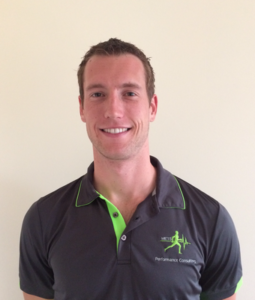
Luke McIlroy is the Director of Sport Science at METS Performance Consulting. Luke helps athletes perform their VO2 Max test. Find out what their lactating flexion point and their resting metabolic rate.
Knowing these will help you train more scientifically and be more effective with the workouts you are doing. If you train 10 hours a week instead of 15, then, you’ll have more time to spend with you family, rest and recover.
In this podcast, we talk about how you can avoid the grey zone and how you can be more effective with the time you spend training.
01:10 – What is METS Performance Consulting?
04:01 – The 5 Training Zones
04:40 – How Heart Rate is Related to Training Zones
07:50 – Swimming Clinics and Video Analysis
09:07 – “I’m just an average athlete.”
11:20 – The VO2 Max Zone
15:58 – My Passion for Endurance Sports Performance
18:09 – How Athletes Can Benefit from Testing
19:34 – Have you hit a performance plateau?
21:50 – When You’ll Notice Improvement In Your Swimming
To learn more about Luke and how he can help you improve your performance, visit www.metsperformance.com
Transcript
Read the full transcript
Welcome to Effortless Swimming, the podcast for swimmers, triathletes and coaches. Join Australian swim coach Brenton Ford as he reveals the latest techniques and information to improve your swimming. Let’s dive right in. Hi Brenton Ford here, welcome to the Effortless Swimming podcast. My guest today is Luke McElroy and he’s the director of sports science at Metz Performance Consulting. And Luke helps athletes perform their VO2 max tests. He finds out what their lactating flexion point is and their resting metabolic rate. The reason that’s important is it can help you train more scientifically. So if you know what your individual heart rate is and what training zone you should be in, it means you can be a lot more effective with the workouts that you’re doing. So if you can get your training done in 10 hours a week instead of 15, it’s going to give you more time to spend time with your family, rest and recover
and do things outside of swimming or triathlon. So on this podcast we talk about how you can avoid the gray zone. So you’re making sure that you’re doing your hard work hard enough and your easy work easy enough and how you can be more effective with the time that you spend training. So here’s Luke explaining what he does and why it’s important for athletes. Yeah, so the company itself is called Metz Performance Consulting as you know. So we specialize in helping endurance athletes improve their performance through access to affordable sports science testing, coaching and consulting services. So we’re really focusing on not the elite athletes per se. So we’re really trying to bridge that gap between access for the amateur guys, the age group, the recreational guys, just the keen everyday athlete that you see riding down Beech Road, bridging that gap to the elite guys who already have that access to the sports science testing at that top level.
So some of the testing we do, the main one would be the VO2 max test and lactate analysis as well. So what that involves is getting on a bike, a treadmill or a rower. And basically we start at a low intensity and we increase that workload gradually every minute or three minutes if you’re doing lactate and you just go for as long and as hard as you can. And during that time we measure all the respiratory data, we get ventilation, we get VO2 which is the oxygen consumption. You’ve got heart rate, lactate if we’re measuring it, how many breaths per minute, how much oxygen out of each breath we’re taking. At the end of the test we plot that down into some graphs, have a look at how aerobically efficient somebody is and at which stages of exercise they start to produce lactic acid and therefore fatigue. And then from that we get their VO2 max value which is the maximum volume of oxygen that somebody can take in, transport and utilise in one minute.
So that’s that value that a lot of people talk about and it’s like, you know, what’s your VO2 value? So that’s showing you your maximum capacity to actually use oxygen to create energy. The reason that’s important is because the more energy that we can create aerobically, the less lactic acid that we produce which causes that fatigue so we can train or race harder for longer without fatiguing. Other things we get is their functional threshold power or their anaerobic threshold as it’s cold sometimes. So what that is, the definition of that is the maximum intensity that somebody can hold for 45 to 60 minutes. So that’s really that functional component that a lot of endurance athletes are interested in. That VO2 max value, you know, we’re looking at, you know, you can hold that for four or five minutes whereas that functional threshold power we can go up to an hour or so with that. So we get those two values there and then we do some little bit of maths
and a little bit of analysis to figure out the training zones and what heart rate and power or heart rate and pace that correlates to in performance. So we’re there going into too much detail. I put them into five training zones, active recovery endurance threshold VO2 max and anaerobic and the way I do that maybe we’ll go into a bit further if you want to explore that but basically each zone has a very specific goal and a very specific purpose and that way we ensure that people are training appropriately for the type of stimulus they want to create on the body and then get the benefit associated with that. And with the testing, so you’re looking at what training zones people should be using and the heart rate zones that they should be sticking in and over time if you’re testing more than once you’d hope to see an improvement in those or a change in those zones by them increasing their VO2 max or electric threshold
and that sort of stuff, is that right? Yeah, so it sort of depends what stage of the program they’re in so a lot of guys come in say at the beginning of their base building or aerobic phase where they do a lot of their long slow distance stuff and they’ll come back in, I generally tell people to come back in every three to six months preferably that three month period which is a good amount of time to see adaptation. So we see benefits in either VO2 max threshold or even if you’re just doing your long slow stuff we find a lower heart rate at the same workload as last time so last time if you were running at four minute pace for example and your heart rate was 170, hopefully next time you come in when you’re running at four minute pace your heart rate is now 163 or significantly lower than last time so it depends on the training they’re doing but any of those three benefits VO2 max threshold or just lower sub-maximal heart rate
is sort of what we’re looking for. So why hasn’t this stuff been available to your normal age group triathlete or masters swimmer in the past? Has it been too expensive to do or has the technology caught up that it’s now more affordable? What’s the go there? Yeah I think it’s a combination of a couple of factors the main one being that everybody, not everybody but the majority of people in the sports science industry want to work with elite athletes and the sort of everyday amateur age group athletes a little bit neglected in that respect for this sort of testing the affordability is obviously a big one there’s not a lot of places in Victoria that offer VO2 max testing and the type but out of the ones that do I think there’s only one place that comes to mind that you can do it for under about $320 which is a little bit steep for an average athlete especially if you want them to come back several times and the other one is I think it’s just not advertised well
so you just don’t hear about this type of testing very often the places that do it the universities etc they don’t advertise it over social media or to a great extent at all so it’s very much a word of mouth only so I think the accessibility just wasn’t there because people didn’t know about where you can go to do it the affordability wasn’t there either and sort of the focus or the passion to get to these age group athletes and these amateur athletes wasn’t there either everyone wanted to go sort of the elite pathway rather than the sub elite and an amateur way yeah that’s interesting I mean we’ve sort of had a similar thing with our clinics is one of the biggest questions I get asked for someone who’s looking to book in is I think is it too advanced for me and this is coming from someone who might have been swimming for the last couple of years or they’re looking to just sort of ramp up their smear they’ve been doing triathlons for one or two years
and I mean we have our clinics catered to everyone and it’s I think because you know doing the video analysis and the underwater filming that we do people might still have that perception that it’s only for the people at the very top end but with the ease of access to GoPros, the iPads, all the analysis software it’s you know you can really open it up to everyone and similar to yourself it’s you know they’re the people who can get a huge benefit from it your amateur smear or triathlete because they might be just training in the wrong heart rate zones and that’s something that I’m sure you’ve seen I’ve seen it a lot in terms of people training in that grey zone where they’re not quite going easy enough to do that aerobic training and they’re not quite going hard enough to do the higher intensity stuff do you see that a lot with people’s training? Yeah absolutely mate what you see is obviously the age group guys
they have the most to gain from this sort of testing because they probably don’t have that knowledge base behind them on actually how to train in these zones that they should be sticking in whereas the elite guys obviously get educated and all that that’s what they base their life around so common thing that I see is people coming in and first off when they actually book over the phone or online the first thing they normally say is look I’m just an average athlete so I’m not sure if this testing is right for me and straight away I tell them that the average age of my client base is somewhere between 40 and 45 years old so it actually is that they are just the amateur athletes coming in just looking to get the best out of their body so what I often see is people will come in and often people are over volumized and they just do a lot of long slow stuff and that’s just how they base their endurance work they’re like I want to do an Ironman
I need to do a lot of long slow training which is obviously absolutely that’s relevant but they neglect the harder stuff as well a lot of people come in and they just I usually say go through a typical week of training and it’s just long this long that low heart rate etc etc and if you train long slow distances all the time you become very efficient at racing long slow distances obviously but we want to be able to complete that distance as fast as possible for that person’s physiology so the main issue that I see with people coming in is as I say they’re over volumized they can do the distance but they can’t do it quickly so even without doing a test alone just through a consultation I can tell them you need to hit these higher zones and as you said we’re looking at really high zones not that mid-range sort of zone and that’s the best way to improve there there’s the speed at which they can actually cover that distance
another thing I find with athletes is they get their work to rest ratios completely out of whack the typical one is say somebody who does maybe a track a track interval set for running for example a typical session would be 5x1k efforts with one minute recovery and that recovery is just a slow job recovery and the issue with that is that it’s it’s not an issue if you’re training for that but what that is that’s very much in your threshold zone with the goal of improving that anaerobic threshold and exercising in the presence of lactic acid the other zone, the next zone up from that is the VO2 max zone and the importance of this is you really need to be running at 95% or above of your VO2 max so it’s not a sprint but it’s like at the end of the test that you do here where you’re exhausted you take off about 5% and that’s the pace that we want to hold the work to rest ratio for that sort of zone is 1 to 1 so if it takes you 4 minutes to do a 1k effort
you have to have 4 minutes rest so what a lot of people do is they say look I’m going to have less rest and more effort because if I’m working harder that’s going to get me the most benefit whereas the body physiologically doesn’t respond to that it will for a threshold session but if you’re trying to actually expand your aerobic engine and improve your aerobic power we need to have that 1 to 1 work to rest to clear out the lactic acid and to maintain the quality of that session rather than just hanging on each interval and being flooded with lactic acid in the muscle so it’s just a bit educating the common age group athlete who might not really know what they’re doing but as I said what you see is over volumized or work to rest ratios completely out of whack for what they’re trying to achieve that’s interesting there’s a lot of similarities between I guess the people you work with and the people that we work with
and I mean there’d be a lot of crossover as we work with a lot of triathletes and one of the biggest things we see is just that training at one speed and only having access to one speed in the water because they just don’t hit those fast efforts and the higher intensity efforts so we pretty often see someone who if they’ve never had a program written for them or swam with a squad they don’t have the understanding of what a normal swim workout would look like and so they’re going to the pool they might just do two kilometers straight there’s no break in between there’s no variance of pace it’s just like they were going for a run it’s just 2K non-stop and as soon as we start to introduce break those workouts up into say 400 warm-up and then we might do say 12-100s with about 30 to 40 seconds rest and we’re looking to sit around or just below your half iron man pace and then there’s a bit of a cool down so they’re starting to get that heart rate up
and starting to introduce that variance of pace they really then can start to build that power and the strength that they need in the water and making sure we include some short, sharp sprints where they’re sprinting for 25 meters or 50 meters it might be 650s of almost pretty much in all that effort and you have that towards the end of the session to get them to feel that faster speed and it also helps them physically with it but one of the biggest things is it gets them used to swing at that faster pace and they get a better idea of what their body feels like when they’ve got more drag created because they’re going faster so they can then start to make some adjustments to their technique and their stroke and their body position to sit themselves in a better position in the water so they’re creating less drag and they’re more efficient so just changing up that pace is one of the things that a lot of newer triathletes and swimmers miss
but it’s one of the things that can have the biggest difference in terms of their speed and their results Yeah, absolutely and it all comes down to specificity like if you’re going to do a long swim if you’re doing marathon swimming or whatever it is at the end of the day, yes the majority of your training has to be that longer stuff they normally say 80% long slow and 20% it’s a really quality high intense session so by mixing up the pacing and chucking a few 50m sprints etc it is specific because in a race you don’t necessarily go one pace there’s a sudden at the start you need to jostle for position and you want to obviously go at a bit harder at the start than you do during the middle stages and then you have to kick again at the end to hopefully come home strong so you definitely need to train at different speeds and at the end of the day it comes down to specificity you don’t necessarily race at one speed there are surges in packs
whether it’s swimming, triathlon, cycling, whatever it is so if you don’t do that mixed up or that variance in training intensity you get caught out on race day Yeah, absolutely and what attracted you to doing this sort of testing and this sort of work with people Yeah, so look I graduated Deakin University with a Bachelor of Excellence in Sports Science and throughout that whole journey I was really really interested and found a passion for the endurance side of sport and performance so I was always the first one to volunteer to do the VO2 max or Wingate tests or the Lactadenalysis tests and all that, always the guinea pig there and what I find with the industry at the moment is that endurance athletes as I said they’re quite neglected in the sports science industry towards the strength and conditioning through the main one getting really into the gym gym scene and doing field based sports and power lifting sports, that sort of thing
and also clinical rehabilitation doing exercise physiologists who help people who are sick or unwell or have movement deficiencies and that sort of thing so there wasn’t really many options for the endurance market other than perhaps the Victoria Institute of Sport or the Australian Institute of Sport there are probably the two main ones out there a couple of smaller companies around that focus just on cyclists or just on swimmers what your category would come under there but I really wanted to get into the VO2 max testing and helping athletes take the guesswork out of their training and there was nothing around so obviously the VIS is they focus predominantly on the elite category so I found the gap in the market with that age group amateur athlete variety and bit the bullet and bought all the equipment and set up within about three months of deciding I was going to do it and then sort of just went from there so just a lack of opportunity for those
endurance athletes so I just needed to put something out there on the market so everyone has access to the same to the same sports science services so if you had had the option to choose who came to you who would be the ideal person that you feel you could get the best results with so what sort of sort of level would they be at what sort of training would they be doing and what would they be training towards the big benefit about doing this testing is you get these training zones so they’re going to actually benefit everybody because it completely takes the guesswork out of where you should be training because we directly measure that lactate and we directly measure the VO2 responses that happen so the clients that get the most benefit are generally a age sort of like a top age, a top end age group athlete or someone who does well in their amateur category who really want to make that next step to either be winning that age group
or even maybe pushing up to that next elite or professional level there so somebody who obviously already does a fair bit of training whether it’s 10 to 25 hours a week doesn’t really matter somebody who’s really already been in the sport for a number of years, two or three years or above and already have a good sort of base engine and basically a lot of people that come in it’s because they have plateaued in their performance they’re doing the same training that I have for the last couple of years and they’re not getting quicker or faster and they need to figure out why so if I was going to break it into age groups it’s really anybody from 15 years up to sort of 55 years and that’s a very broad range of ages but as long as you’re sort of relatively injury free and looking to and if you hit a plateau or you’re just looking to take that performance to the next level say definitely benefit in doing the sort of testing simply if you’re not interested in VO2
and actually a threshold just simply to get your training zones so when you’re doing your long slow stuff you know you’re doing it at the right intensity and when you’re doing your hard stuff you also know you’re doing it at the right intensity too so a big goal out of this company is obviously that and you see yourself Brenton that we’ve got the endurance athletes that prevalence of overuse injuries you know the endurance athletes is just phenomenal the other day where I think it was something like 90% of endurance runners you know have experience overuse injury in the last couple of years whatever it is and it’s basically the goal of Met’s performance consulting is to get somebody to understand their training zones and understand the physiological adaptations that occur at each zone so that they can do the absolute minimum amount of training while maximising the benefits they get from it so we try to eliminate all those junk kilometres
and training in the wrong zones and every session has a highly specific focus to get a highly specific outcome which then builds together to create a fit athlete while doing you know spending as little time as possible actually training and so you can spend more time recovering and getting on with your life as we said everyone here is sort of they come through the doors of just the age group population so nobody does this full time obviously they’ve got work to do and they’ve got a family so they can minimise the amount of time training and it’s going to help their wellbeing, it’s going to help their health because they’re recovering more time than they are actually training itself and again there’s a lot of similarities with the athletes you I guess find the ideal sort of client where you can get the best results for them and the similar thing with us I mean we work with people who are really quite new to the sport
and they get a lot out of the clinics that we we do but to get the most improvement you’ve got to be swimming regularly and we sort of have rule of thumb that minimum three times a week is what you’ve got to be doing to really start to see an improvement so as long as you’re doing that and you’ve been swimming consistently rather than one week on and two weeks off if you’re in the water consistently and you’ve got a really good sort of idea of how things feel in the water then you can really start to see some improvements that will give you two or three main aspects of your stroke to adjust and change and think about for the next couple of weeks and months and it’s kind of reminds me of a quote that the Andrew Read is who you might know who’s a strength coach down our way one thing I saw he posted on Facebook was something along the lines if you it doesn’t all these sort of little one percent things don’t matter if you’re not
doing the basics or the fundamentals right and he was talking about people who have a lot of sugar and just junk food and crappy food in their diet yet they’re really concerned about having this one little supplement and having that making this big deal of should I take this supplement or that supplement but it doesn’t matter if you’re not getting the basics right and I think the same thing goes for what you do people need to be consistently training they need to have a good idea of what they’re currently doing and then you can help them make those small tweaks to their sessions and how they view the goals for each of those sessions and that way you can really help just steer them in the right direction because it’s much easier to move to steer a moving car than a park car so yeah I think that’s something that’s common among both what we both do and and so do you work with athletes outside of triathlons or what other sports
people do you work with? Yeah so we don’t we don’t discriminate here mate we any endurance athlete can come on in and say yes swimmers a few swimmers that come through plenty of triathletes come through a lot of cyclists come through runners of all distances anywhere from sort of 1500 up to those ultra distance 100 miles they come through the doors and rollers as well so the swimmers, runners, riders those are the main ones that come through we’ll be looking to expand across country skiing down the track but that’s a market I haven’t looked too far into yet keeping the feet well on the ground there but anyone who does an endurance activity and endurance activity is literally more than two minutes you know anything over two minutes is actually an endurance sport so anyone who does any of that sort of stuff that’s who we cater for Yeah fantastic and for those listening we’re about to begin how can people get in touch with you
Yeah we’re located in Croydon North and the best way to get in contact is just go to the messperformance.com website and it’s pretty straightforward from there Good stuff well Luke thanks so much for being on the podcast and I sort of found out about what you do through some friends of mine who are physios and triathletes and they got a lot out of the testing and they’re really switched onto their training and I know this stuff helped them just get a much better idea of where they should be sitting in terms of heart rate zones and that sort of thing so for those listening if you’re interested in this go and see Luke out in Croydon here in Victoria and yeah messperformance.com for that and we’ll provide the links in the show notes so Luke thanks again and I’m sure we’ll meet in person sometime soon No worries at all mate thanks for having me on Thanks for joining us on the effortless swimming podcast To get transcriptions, bonus videos
and to be the first to hear about new episodes go to swimmingpodcast.com